

Have you ever wondered why your dog acts the way it does? Understanding dogs and behavior can change the way you connect with your furry friend.
When you know what drives their actions, you can build a stronger bond and create a happier home. You’ll discover simple secrets behind common dog behaviors and learn how to respond in ways that make life easier for both of you.
Keep reading, and you’ll unlock the key to a more joyful and peaceful relationship with your dog.
Dog Communication
Dogs communicate in many ways beyond barking. Understanding their signals helps build trust and friendship. Their body, sounds, and face all send messages. Observing these cues reveals what dogs feel and want.
Body Language Signals
Dogs use their bodies to express feelings and intentions. A wagging tail usually means happiness, but speed and height also matter. Raised hackles show alertness or fear. Relaxed posture indicates calm and comfort. Stiff stance often signals tension or aggression. Watching body shifts helps decode their mood.
Vocalizations And Sounds
Barks, growls, whines, and howls carry different meanings. Short, sharp barks often warn of danger. Growls can mean fear or a threat. Whines might express pain, anxiety, or a need for attention. Howls serve to communicate over long distances. Each sound has a unique tone and purpose.
Reading Facial Expressions
Facial cues reveal a dog’s emotional state. Relaxed eyes and open mouth show happiness. Squinting or avoiding eye contact can signal stress. Raised eyebrows and lip licking might mean uncertainty. Watch ears too; forward ears show interest, while pinned back ears indicate fear or submission. Faces tell stories without words.
Credit: newatlas.com
Common Behavioral Issues
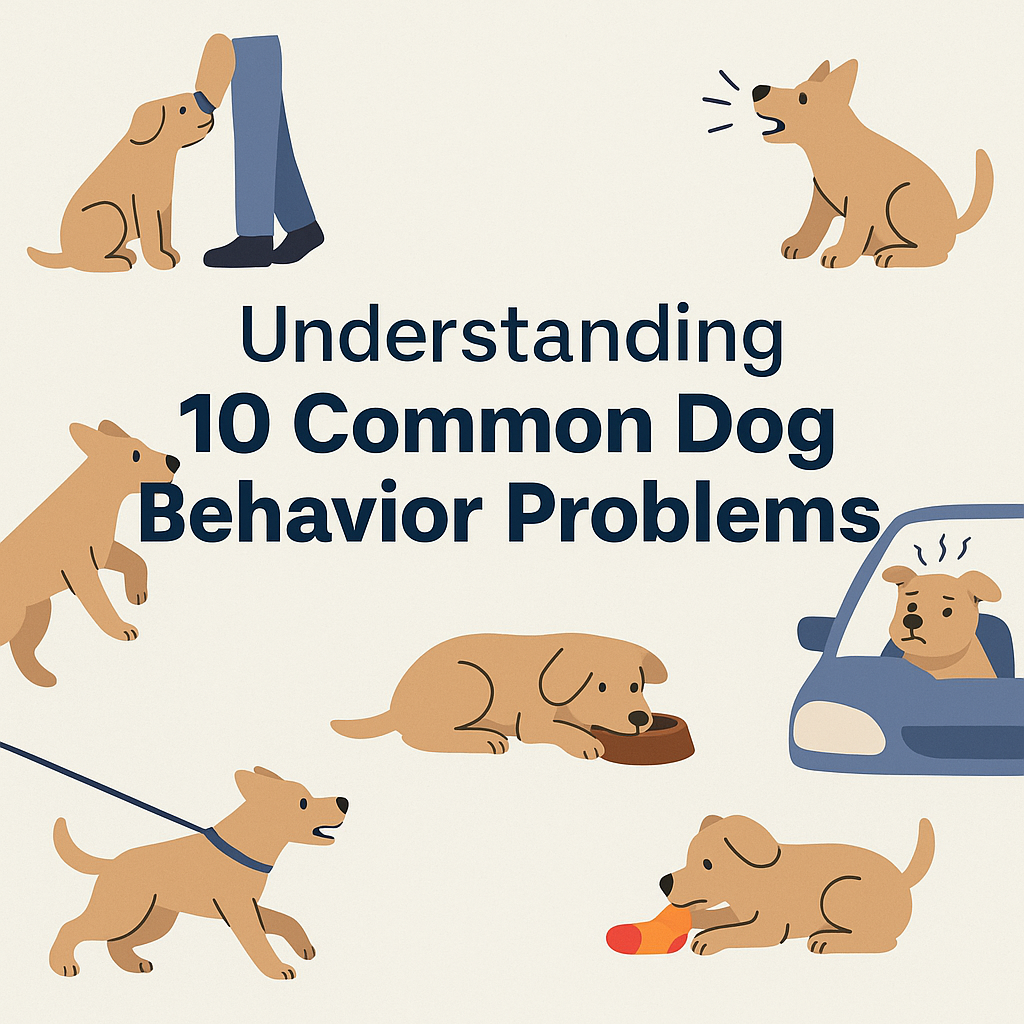
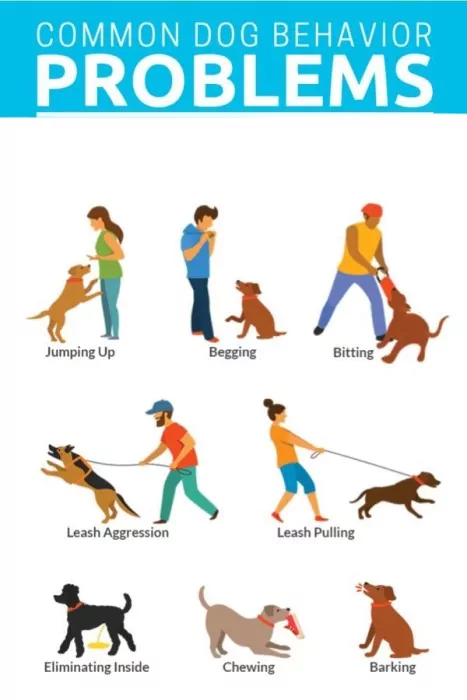
Dogs show many behaviors that may cause concern for owners. Understanding common behavioral issues helps improve your dog’s life. This knowledge also strengthens the bond between you and your pet. Recognizing these problems early allows timely action and better care.
Separation Anxiety
Separation anxiety happens when dogs feel stressed alone. They may bark, whine, or destroy items. Some dogs try to escape or show signs of panic. This issue arises from fear of being left behind. Regular routines and calm departures can help reduce anxiety.
Aggression Triggers
Aggression in dogs often comes from fear or pain. Certain sounds, people, or other animals might trigger it. Dogs may growl, snap, or bite in response. Understanding what causes aggression is key to safety. Training and patience help manage aggressive behavior.
Excessive Barking
Dogs bark to communicate, but too much can be a problem. Boredom, fear, or alertness often cause excessive barking. This behavior can disturb neighbors and cause stress. Providing exercise and mental activities can reduce barking. Teaching quiet commands also supports better control.
Training Techniques
Training techniques shape how dogs learn and behave. Good training builds trust and respect between you and your dog. It helps your dog understand what you expect. Training also keeps your dog safe and happy. Several methods exist, but some work better for most dogs.
Positive Reinforcement
Positive reinforcement rewards good behavior. Use treats, praise, or play as rewards. Dogs repeat actions that bring rewards. Avoid punishment; it can cause fear and confusion. Reward immediately after the right action. This helps dogs connect the reward to the behavior. Positive reinforcement builds a happy learning environment.
Consistency And Patience
Consistency is key in dog training. Use the same commands and signals every time. Mixed messages confuse dogs and slow progress. Patience helps you stay calm and clear. Dogs learn at different speeds. Repeat exercises regularly for better results. Stay calm, even when progress seems slow. Good training takes time and steady effort.
Crate Training Benefits
Crate training offers many benefits for dogs and owners. It gives dogs a safe, quiet space to relax. Helps with house training by teaching bladder control. Prevents destructive behavior when unsupervised. Dogs often see crates as their den. Introduce the crate gently with treats and toys. Never use the crate as punishment. Crate training can improve your dog’s confidence and comfort.
Credit: funnyfuzzy.co.uk
Socialization Tips
Socialization helps dogs become confident and friendly. It teaches them how to behave around others. Good social skills reduce stress and prevent behavior problems. Early and regular socialization shapes a well-balanced dog.
Introducing New Dogs
Introduce dogs slowly and carefully. Start with calm and friendly dogs. Use a neutral place for first meetings. Watch their body language closely. Stop the introduction if either dog shows signs of stress. Repeat meetings in short sessions to build trust.
Exposure To Different Environments
Take your dog to various places regularly. Parks, streets, and pet stores are good spots. Different sights, sounds, and smells help dogs adjust. Keep the experiences positive and safe. Praise your dog for calm behavior in new places.
Handling Fear And Shyness
Be patient with shy dogs. Avoid forcing them into scary situations. Use treats and gentle words to encourage bravery. Let the dog explore at its own pace. Small successes build confidence over time. Seek professional help if fear is severe.
Exercise And Mental Stimulation
Exercise and mental stimulation are vital for a dog’s health and happiness. Dogs need more than just food and shelter. They require activities that keep their bodies moving and minds active. Without these, dogs can develop bad habits or become stressed.
Regular exercise helps dogs stay fit and burn off extra energy. Mental challenges keep their brains sharp and prevent boredom. Both work together to improve a dog’s behavior and mood. Understanding how to provide daily activities and fun tasks can make a big difference.
Daily Physical Activities
Walking is a simple way to give dogs exercise. A daily walk helps with muscle strength and joint health. Playing fetch or running in a safe area also uses up energy. These activities reduce anxiety and stop destructive behavior. Consistent exercise keeps dogs calm and well-behaved.
Interactive Toys And Games
Interactive toys can challenge a dog’s mind. Puzzle feeders make dogs think to get treats. Tug toys encourage play and strengthen bonds. These toys stop boredom and reduce chewing on furniture. Providing a variety of toys keeps dogs interested and happy.
Training Challenges
Training sessions stimulate dogs mentally and improve obedience. Teaching new tricks or commands uses their brain power. Short, frequent lessons are easier for dogs to follow. Training builds confidence and strengthens the owner-dog relationship. Dogs feel rewarded and less restless after training.
Diet And Its Impact
Diet plays a big role in a dog’s behavior and mood. What dogs eat affects their energy, focus, and calmness. A balanced diet helps dogs stay happy and well-behaved. Poor nutrition can lead to problems like anxiety or irritability. Understanding how food impacts behavior helps you care for your dog better.
Nutrition And Behavior
Good nutrition supports healthy brain function in dogs. Proteins provide amino acids that help produce brain chemicals. These chemicals control mood and alertness. Omega-3 fatty acids improve memory and reduce anxiety. Carbohydrates give energy needed for daily activities. Balanced meals lead to steady energy and better focus. Dogs with poor diets may act restless or tired.
Avoiding Harmful Foods
Certain foods can harm a dog’s behavior and health. Chocolate, caffeine, and onions are toxic and must be avoided. Sugary treats cause spikes in energy followed by crashes. This can make dogs hyperactive or moody. Artificial additives and preservatives may cause allergies or irritability. Keep human junk food away from your dog’s diet. Stick to healthy, dog-friendly foods only.
Supplements For Mental Health
Supplements can support a dog’s mental well-being. Fish oil is rich in omega-3 and helps reduce stress. Probiotics improve gut health, which links to mood regulation. Vitamins like B-complex support brain function and calmness. Always consult a vet before adding supplements. Proper use can improve your dog’s behavior and happiness.
Recognizing Stress Signs
Recognizing stress signs in dogs helps keep them happy and healthy. Stress affects their behavior and body in many ways. Early detection prevents bigger problems. Learning the signs helps owners act quickly and gently.
Behavioral Changes
Dogs often show stress through changes in behavior. They may hide more or avoid people. Some dogs bark or whine loudly. Others pace or seem restless without reason. Loss of appetite is common. Watch for unusual chewing or digging too. These actions signal discomfort or anxiety.
Physical Symptoms
Stress can cause visible physical symptoms. Panting, even without heat, is a clear sign. Trembling or shaking shows fear or tension. Dogs may lick their lips or yawn often. Red or watery eyes can appear. Some dogs shed more than usual. These signs need attention and care.
Preventing Stress
Prevent stress by creating a calm environment. Keep a regular routine for feeding and walks. Provide a quiet space where your dog feels safe. Use gentle touch and soft voices. Avoid loud noises and sudden movements. Socialize your dog slowly and carefully. Proper exercise also reduces stress levels.
Credit: suburban-k9.com
Frequently Asked Questions
What Causes Common Dog Behavioral Problems?
Common dog behavioral problems stem from lack of training, socialization, fear, or health issues. Stress and inconsistent routines also contribute significantly. Understanding these causes helps in managing and correcting unwanted behaviors effectively.
How Can I Improve My Dog’s Social Behavior?
Improving dog social behavior involves gradual exposure to other dogs and people. Positive reinforcement and consistent training are essential. Early socialization during puppyhood significantly reduces fear and aggression, fostering better interactions.
Why Do Dogs Exhibit Aggressive Behavior?
Dogs show aggression mainly due to fear, territorial instincts, pain, or lack of socialization. It’s a natural defense mechanism. Identifying triggers and seeking professional training can help manage aggression safely.
How Does Training Affect Dog Behavior?
Training shapes dog behavior by teaching commands, boundaries, and social skills. It builds trust and reduces anxiety. Consistent, positive reinforcement training results in well-behaved, confident dogs that adapt better to their environment.
Conclusion
Understanding dogs and their behavior helps build a strong bond. Dogs show feelings through actions and sounds. Watching them closely reveals what they need or want. Training with patience and kindness brings good results. Every dog is unique, so learn their habits well.
Happy dogs make happy homes. Keep learning and caring for your dog daily. Simple steps lead to better behavior and joy. This knowledge makes your time with dogs more fun.


