

Are you wondering if it’s time to switch your 7-month-old dog to adult food? Feeding your furry friend the right food at the right age is crucial for their health and growth.
Making the wrong choice could affect their energy, coat, and overall well-being. You’ll discover exactly when and why you should consider changing your pup’s diet. Keep reading to make the best decision for your loyal companion’s future.
Credit: www.chewy.com
When To Switch To Adult Dog Food
Knowing when to switch your puppy to adult dog food is important for their health. Puppies grow fast, and their food needs change as they get older. Feeding the right food at the right time supports good growth and energy. This guide explains the best time to make the change.
Growth Stages In Dogs
Puppies go through different growth stages. Each stage needs specific nutrients. The puppy stage lasts until they stop growing. After this, adult food meets their needs better. Small breeds grow faster than large breeds. Large breeds take more time to mature.
Signs Your Puppy Is Ready
Watch your puppy’s behavior and size. They may look full-grown and less playful. Their body shape changes too. Teeth are fully developed. They eat less often than before. These signs show they are ready for adult food. Changing food too early or late can cause problems.
Breed Size Considerations
Breed size affects when to switch food. Small dogs often switch at 9 to 12 months. Medium dogs change around 12 months. Large and giant breeds need more time. They may switch at 18 to 24 months. Their bones and joints take longer to grow. Choose food that fits your dog’s breed size.
Differences Between Puppy And Adult Food
Puppy food and adult dog food are made for different life stages. Puppies grow fast and need special nutrition. Adult dogs need food that supports their stable body and energy. Feeding the right food helps dogs stay healthy at every age.
Puppy food focuses on growth and development. Adult food supports maintenance and daily energy. Understanding the differences helps you choose the best food for your dog’s age.
Nutritional Content Comparison
Puppy food has more vitamins and minerals. These nutrients support bone growth and brain development. Adult food contains balanced nutrients to keep dogs fit. The nutrients are less intense than in puppy food.
Calorie And Protein Needs
Puppies need more calories to fuel their fast growth. Their protein needs are also higher for muscle building. Adult dogs need fewer calories to avoid weight gain. Their protein supports muscle maintenance, not growth.
Ingredient Variations
Puppy food often has added DHA and fatty acids. These help with brain and eye health. Adult food focuses on ingredients for joint and immune health. Both foods use high-quality proteins, but in different amounts.
Risks Of Switching Too Early
Switching a 7-month-old dog to adult food too early can cause problems. Puppies have special needs that adult dog food may not meet. It is important to understand the risks before making the change.
Nutritional Deficiencies
Puppy food contains more protein, fat, and calories than adult food. These nutrients support their fast growth and energy needs. Adult food may lack the right balance, causing nutritional gaps. This can slow your puppy’s development.
Digestive Issues
Puppies have sensitive stomachs. Adult dog food is harder to digest for them. Changing food too soon can lead to upset stomach, diarrhea, or vomiting. These issues make your puppy uncomfortable and weak.
Impact On Growth
Growth depends on the right nutrients at the right time. Early switch to adult food can affect bone and muscle development. It may cause stunted growth or weak bones. Waiting until your puppy is fully grown helps avoid these risks.

Credit: www.poochandmutt.co.uk
Benefits Of Transitioning At 7 Months
Changing your dog’s food at 7 months has clear benefits. This age marks a shift from puppyhood to young adulthood. Switching diets supports this important growth stage and helps your dog stay healthy. The right food keeps your dog strong and active as it matures. Feeding adult food at this time fits your dog’s changing needs.
Here are some key benefits of transitioning to adult dog food at 7 months.
Supporting Mature Development
At 7 months, your dog grows more slowly than before. Adult food has balanced nutrients for steady growth. It provides the right vitamins and minerals for strong bones and muscles. This helps your dog develop fully without excess energy from puppy food. Feeding adult food supports healthy organs and a stable immune system.
Maintaining Healthy Weight
Puppy food is high in calories to fuel rapid growth. At 7 months, your dog needs fewer calories. Adult food has fewer fats and calories to prevent weight gain. Keeping a healthy weight lowers risks of joint problems and heart disease. Adult food helps your dog stay fit and active longer.
Preparing For Adult Activity Levels
Dogs become more active and energetic as adults. Adult food matches these activity demands better than puppy food. It supplies steady energy without overload. Your dog will have the stamina for walks, playtime, and training. Transitioning at 7 months prepares your dog for a healthy, active life ahead.
How To Transition To Adult Food
Transitioning your 7-month-old dog to adult food needs care and patience. A sudden change can upset your dog’s stomach and cause digestive problems. Gradually shifting the diet helps your dog adjust to new nutrients and flavors. This approach supports their health and keeps mealtime enjoyable.
Gradual Food Mixing
Start by mixing a small amount of adult food with your puppy’s current food. Use about 25% adult food and 75% puppy food. Increase the adult food portion slowly over 7 to 10 days. This slow change helps your dog’s stomach adapt without issues.
Monitoring Your Dog’s Response
Watch for any signs of discomfort or allergic reactions. Check for vomiting, diarrhea, or changes in appetite. If your dog shows any problems, slow down the transition process. Healthy dogs will usually eat well and have normal stools during the change.
Adjusting Portion Sizes
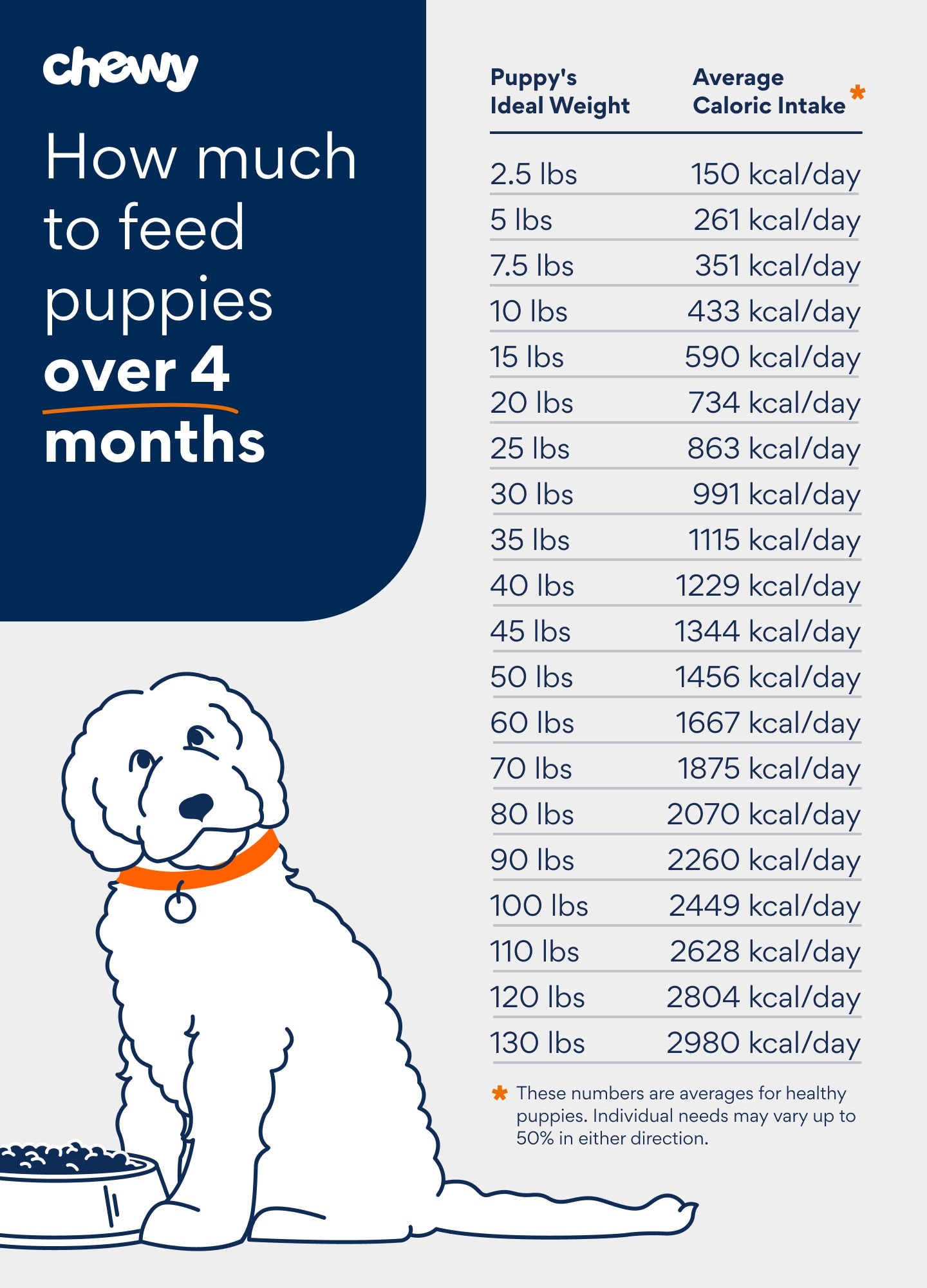
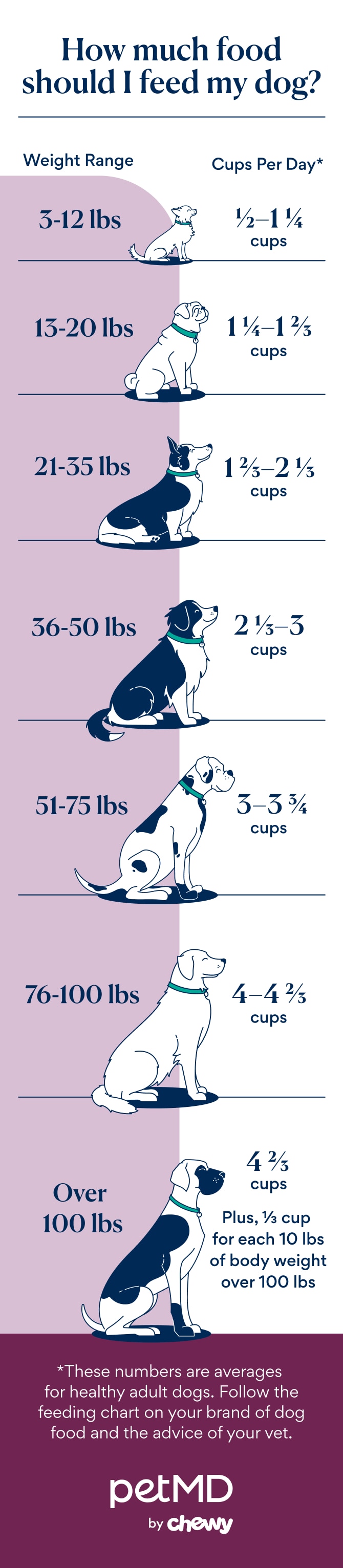
Adult dogs need fewer calories than puppies. Adjust portion sizes according to your dog’s weight and activity level. Follow the feeding guidelines on the adult food package. Consult your vet for the best portion size for your dog’s needs.
Special Considerations For Different Breeds
Choosing the right food for a 7-month-old dog depends on its breed. Different breeds grow at different rates. Their nutritional needs vary widely. This makes feeding choices important. Understanding breed specifics helps in making the best decision.
Small Breed Puppies
Small breed puppies grow quickly but stop growing earlier. Their metabolism is fast, needing more calories per pound. Puppy food designed for small breeds supports this rapid growth. It contains extra nutrients for bones and teeth. Switching to adult food too soon can slow their development.
Large And Giant Breeds
Large and giant breeds grow slower and longer than small breeds. They need food with controlled calcium and phosphorus to protect joints. Puppy food for large breeds helps avoid bone problems. Feeding adult food too early may cause growth issues. Keep them on puppy food longer for healthy bones.
Mixed Breed Factors
Mixed breed dogs can vary in size and growth speed. Their nutritional needs may combine traits from different breeds. Observe your dog’s weight and energy for clues. Consult your vet to decide the right time to switch food. Customizing feeding plans supports healthy growth in mixed breeds.
Consulting Your Veterinarian
Consulting your veterinarian is a smart step before changing your 7-month-old dog’s food. Vets understand your dog’s health and growth needs best. They can guide you on the right time and type of food to switch. This helps avoid health problems and ensures your dog stays strong and happy.
Personalized Nutrition Advice
Every dog has unique needs. A vet can offer nutrition tips tailored to your dog’s breed, size, and activity level. They help choose food that meets energy and nutrient requirements for your dog’s age. This advice supports healthy growth and development.
Health Check Before Switching
A vet will examine your dog before the food change. They check weight, teeth, and digestion health. This ensures your dog is ready for adult food. Detecting any issues early prevents future health problems.
Addressing Specific Needs
Some dogs have allergies or special health conditions. Your vet can spot these and recommend suitable food. This keeps your dog comfortable and healthy. The right diet helps manage any medical concerns effectively.
Credit: www.petmd.com
Frequently Asked Questions
When Should I Switch My 7-month-old Dog To Adult Food?
Most dogs can switch to adult food between 6 to 12 months old. Large breeds may need more time. Consult your vet for the best timing based on your dog’s growth and health.
Is Adult Dog Food Suitable For A 7-month-old Puppy?
Adult dog food may lack essential nutrients for puppies. Puppies need higher protein and fat for growth. It’s best to continue puppy food until fully grown or vet advises switching.
What Are The Risks Of Feeding Adult Food Too Early?
Feeding adult food too early can cause nutrient deficiencies. Puppies may miss vital growth nutrients, leading to poor development. Always follow vet guidance to ensure balanced nutrition.
How To Transition A 7-month-old Dog To Adult Food?
Transition gradually over 7-10 days by mixing adult and puppy food. Increase adult food proportion daily. This helps avoid digestive upset and allows your dog to adjust smoothly.
Conclusion
Feeding a 7-month-old dog adult food needs careful thought. Puppies grow fast and need special nutrients. Adult food may not support their growth well. Choose food made for puppies to keep them healthy. Watch your dog’s weight and energy every day.
Talk to a vet before changing food types. A healthy diet helps your dog stay strong and happy. Take small steps when switching food. Your dog will thank you with good health and joy.


