

Bringing a new puppy into your home is exciting, but potty training can quickly become a challenge. If you want to avoid frustration and keep your house clean, you need the right approach.
Imagine having clear, simple steps that make potty training easier for both you and your puppy. This guide will give you the best puppy potty training tips that actually work. Keep reading, and you’ll discover how to turn this tricky time into a smooth and rewarding experience for you and your furry friend.
Choosing The Right Spot
Choosing the right spot for puppy potty training is very important. It helps your puppy learn where to go quickly. Picking a good place makes training easier for both you and your puppy. The right spot should be easy to reach and safe. Puppies feel more comfortable when they know exactly where to go. This creates good habits from the start.
Indoor Vs Outdoor Options
Some people prefer indoor potty spots. This works well in apartments or bad weather. Use puppy pads or a small indoor potty area. Make sure the spot is quiet and away from feeding areas.
Outdoor spots give puppies fresh air and space. They learn to go outside and avoid accidents inside. Pick a spot in the yard that is easy to find. Take your puppy there at the same times every day.
Consistency Matters
Always use the same spot for potty breaks. This helps your puppy remember where to go. Take your puppy to the spot after eating, playing, or waking up. Praise your puppy when it goes in the right place. Consistent habits build trust and speed up training.
Credit: ipr.iitr.ac.in
Establishing A Routine
Establishing a routine is key to successful puppy potty training. Puppies thrive on consistency. A clear daily schedule helps them learn faster. Predictable times for eating and bathroom breaks reduce accidents. It also builds good habits early on. A steady routine makes your puppy feel safe and secure. This section covers how to set feeding and potty times. Plus, it explains how to spot when your puppy needs to go.
Feeding And Potty Schedule
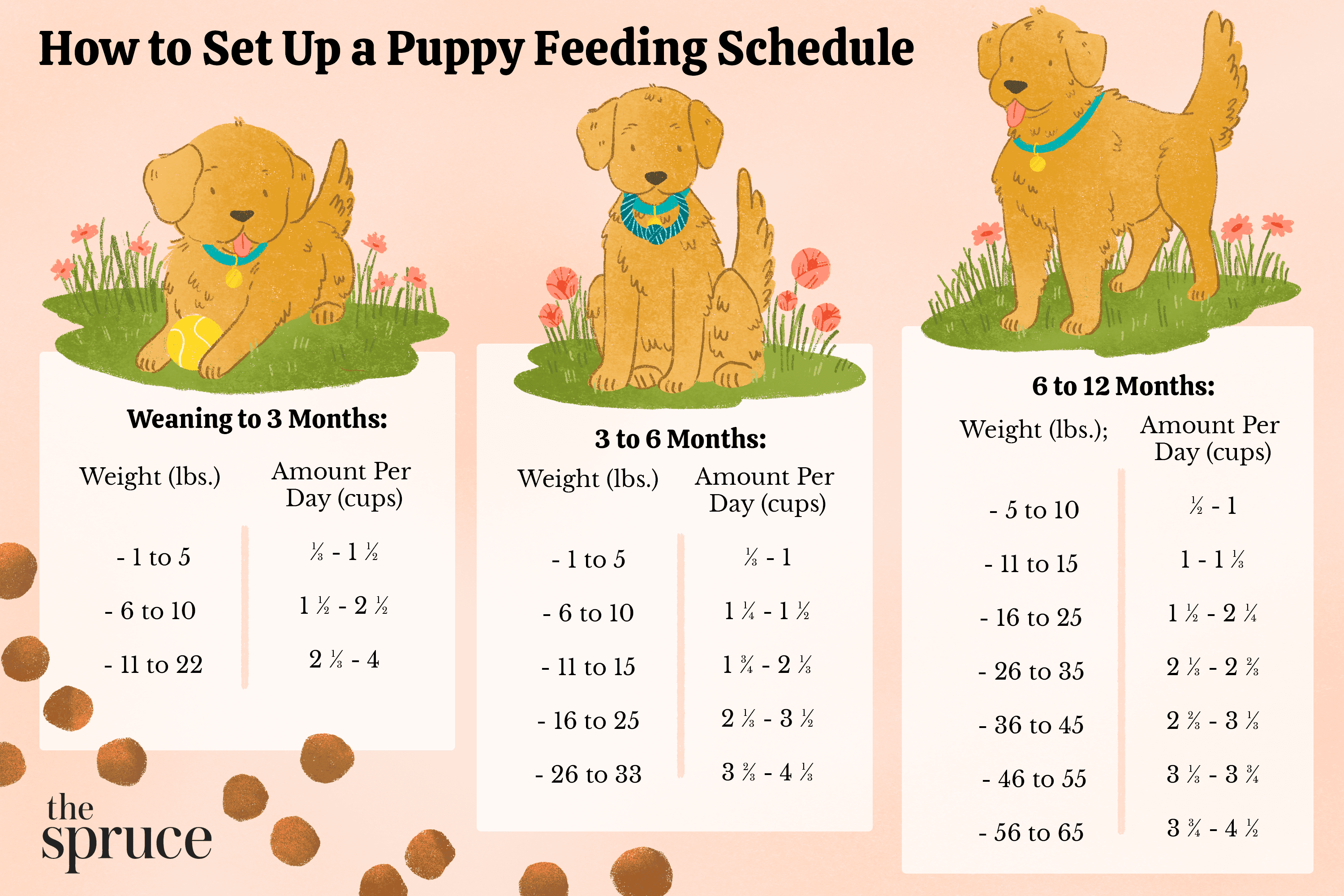
Feed your puppy at the same times each day. This regularity helps control their bathroom needs. Puppies usually need to potty soon after eating. Plan to take your puppy outside 10 to 15 minutes after meals. Young puppies may need bathroom breaks every 1 to 2 hours. Older puppies can wait longer between potty breaks. Stick to a schedule for feeding, potty, and playtime. This routine keeps your puppy’s digestion and bathroom habits steady.
Recognizing Potty Signals
Watch your puppy closely for signs they need to go. Sniffing the floor or circling can mean they need a potty break. Whining or scratching at the door also shows urgency. Puppies often stop playing and become restless before going. Learn your puppy’s unique signals early. Respond quickly to these signs by taking them outside. Prompt action helps avoid accidents indoors. Over time, your puppy will tell you when it’s time to go.
Positive Reinforcement
Positive reinforcement is a powerful way to train your puppy. It helps your dog learn good habits quickly. This method uses rewards to encourage the behavior you want. It makes training fun and builds trust between you and your puppy.
Using positive reinforcement means focusing on what your puppy does right. This way, your puppy feels happy and eager to learn. It also reduces stress for both of you during potty training.
Using Treats And Praise
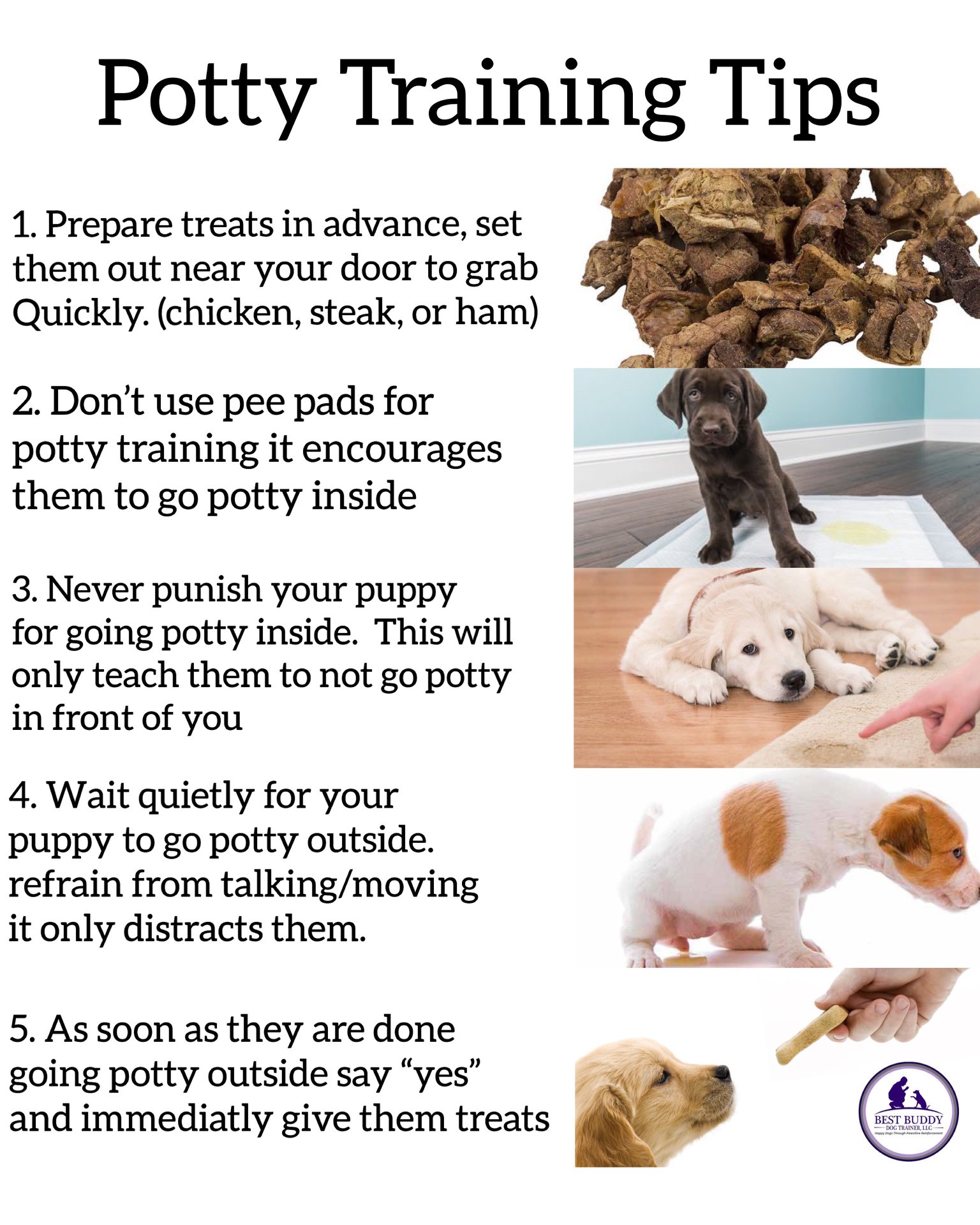
Treats are a great motivator for puppies. Give a small, tasty treat right after your puppy goes potty outside. This helps your puppy connect the action with the reward.
Praise is just as important. Use a happy voice and gentle petting to show your puppy you are proud. This makes your puppy feel safe and loved.
Combining treats with praise creates a strong positive message. Your puppy learns that potty outside leads to good things.
Avoiding Punishment
Punishing your puppy can cause fear and confusion. It may make potty training harder and slow progress.
Instead, ignore accidents and clean them up quietly. Focus on rewarding good behavior only.
Patience and kindness help your puppy gain confidence. Positive reinforcement creates a happy learning experience.
Crate Training Benefits
Crate training helps puppies learn where to go potty. It also gives them a quiet place to rest. Using a crate makes potty training easier and faster. Puppies feel safe and secure inside their crate. They avoid making messes because dogs do not like to soil their sleeping area.
Creating A Safe Space
The crate acts as a small den for your puppy. It becomes their personal space to relax. Choose a crate size that fits your puppy comfortably. Add a soft blanket or bed inside. This makes the crate cozy and inviting. A happy puppy in their crate learns to control their bathroom habits better.
Timing Crate Breaks
Take your puppy out often to prevent accidents. Puppies need to potty after eating, drinking, or waking up. Set a timer to remind yourself to give breaks every two hours. Use these times to praise your puppy for going outside. Proper timing teaches your puppy when and where to go potty.
Handling Accidents
Accidents are part of puppy potty training. Expect them and handle them well. How you respond can help your puppy learn faster. Calm and quick action is key to keep progress steady.
Cleaning Techniques
Clean accidents immediately. Use an enzymatic cleaner to remove all odors. Avoid ammonia-based cleaners as they smell like urine. Wash the area well to stop your puppy from returning there. Always blot up urine first with paper towels. Do not rub; it spreads the mess. Keep cleaning supplies handy for fast action.
Staying Patient And Calm
Remain calm during accidents. Do not yell or punish your puppy. They do not understand punishment and get scared. Use a gentle voice to guide them. Praise your puppy when they go outside. Patience helps build trust and encourages good habits. Remember, every puppy learns at their own speed.
Credit: www.depedmati.com
Tools And Products
Training a puppy to potty outside takes patience and the right tools. The right products help keep your home clean and support your puppy’s learning. Choosing good cleaning supplies and training aids makes the process smoother. These tools reduce accidents and teach your puppy faster.
Recommended Cleaning Supplies
Accidents happen often during puppy potty training. Choose cleaning products that remove stains and smells well. Enzyme cleaners work best. They break down urine and stop dogs from returning to the same spot. Avoid ammonia-based cleaners. These can confuse your puppy because they smell like urine.
Keep paper towels or cloth rags handy. They help clean messes quickly. A spray bottle filled with water can also help for quick spot cleaning. Having a small trash bin nearby makes cleanup easier.
Helpful Training Aids
Training aids guide your puppy to the right potty spot. Puppy pads provide a clear, easy place for them to go indoors. Use them only during early training stages to avoid confusion.
Clickers are great for positive reinforcement. Click when your puppy goes potty outside, then give a treat. This helps your puppy link good behavior with rewards. A leash is useful too. It keeps your puppy close during outdoor potty trips.
Timers or alarms remind you to take your puppy out regularly. Puppies need frequent bathroom breaks. Set reminders every 1-2 hours to prevent accidents. These tools support a consistent routine for your puppy.
Common Challenges
Potty training a puppy can be tricky and full of challenges. Each puppy learns at its own speed. Some puppies catch on quickly, while others need more time and patience. Understanding common challenges helps you stay calm and keep training consistent.
Patience is key. Puppies may have accidents or resist training at times. These moments test your patience but are part of the process. Knowing what challenges to expect prepares you to handle them better.
Dealing With Stubborn Puppies
Some puppies refuse to follow potty rules. They might ignore signals or wander off. Stubborn puppies need gentle but firm guidance. Avoid punishment. Instead, use praise and treats when they do well. Consistency helps stubborn puppies learn faster.
Watch for signs of stubbornness. A puppy that hides or runs away during potty time may feel scared. Create a calm and positive environment. This encourages cooperation and reduces stubborn behavior.
Adjusting Techniques
No single method works for every puppy. Some respond better to crate training. Others prefer outdoor potty breaks. Be ready to change your approach if needed. Observe your puppy’s reactions closely.
Try different potty spots or schedules. If accidents continue, shorten the time between potty breaks. Use clear commands and reward good behavior. Small adjustments can lead to big improvements in training success.

Credit: somosceainternacional.com
Frequently Asked Questions
How Long Does Puppy Potty Training Usually Take?
Puppy potty training typically takes 4 to 6 months. Consistency and patience speed up the process. Every puppy learns at its own pace, so stay committed to the training schedule for best results.
What Are The Best Puppy Potty Training Methods?
The best methods include crate training, scheduled bathroom breaks, and positive reinforcement. Reward your puppy immediately after they go outside. Avoid punishment to encourage good habits and build trust.
How Often Should I Take My Puppy Outside To Potty?
Take your puppy outside every 1 to 2 hours. Puppies have small bladders and need frequent bathroom breaks. Also, take them out after meals, naps, and play sessions for successful potty training.
Can I Potty Train A Puppy Without A Crate?
Yes, but crate training makes potty training easier. Without a crate, closely supervise your puppy and limit their space. Use consistent bathroom schedules and positive reinforcement to guide them effectively.
Conclusion
Potty training your puppy takes patience and care. Consistency helps your puppy learn faster. Praise your puppy every time they do well. Small, regular bathroom breaks make a big difference. Keep training sessions short and positive. Mistakes are normal; stay calm and keep trying.
Soon, your puppy will understand where to go. A clean and safe space supports good habits. Enjoy these moments—they build a strong bond. With time and love, success will come.


