

If you’ve ever wondered why some dogs act anxious, aggressive, or overly shy, the answer might lie in where they came from. Puppies raised in mills often face challenges that affect their behavior for life.
Understanding these problems is key to helping your dog feel safe and happy. You’ll discover the common behavior issues seen in puppy mill dogs and learn how you can make a real difference in your furry friend’s life. Keep reading—you owe it to your dog to know the truth and take action.
Origins Of Puppy Mill Behavior Issues
Puppy mill dogs often show behavior problems that trace back to their early life. These issues arise from the tough conditions they face before reaching a home. Understanding where these problems start helps in offering better care and training.
Early Life Conditions
Puppy mills keep dogs in crowded, dirty spaces. Puppies rarely get proper care or attention. Lack of clean water, food, and warmth weakens their health. Stress and fear in early days affect their brain development. This leads to anxiety, fear, and aggression later.
Genetic Factors
Puppy mills breed dogs without health checks. They often mate related dogs to produce many puppies fast. This causes genetic defects and weak immune systems. Some behavior problems, like nervousness or aggression, pass from parents to puppies. Bad genes combine with poor care to create lasting issues.
Lack Of Socialization
Socialization means learning to meet people and other animals. Puppy mill dogs miss this important step. They rarely see humans besides workers. They do not play or explore new places. This causes fear of strangers and loud noises. Without social skills, they may act scared or aggressive in new homes.
Common Behavioral Problems In Puppy Mill Dogs
Puppy mill dogs face many challenges beyond poor health. Their behavior often shows signs of deep stress and confusion. These problems come from long-term neglect and harsh living conditions. Understanding these behaviors helps owners care better for their dogs.
Many puppy mill dogs struggle with fear, anxiety, and trust issues. They may not know how to act around people or other dogs. These behaviors can make training hard. Patience and gentle care are key to helping these dogs heal.
Fear And Anxiety
Fear is common in puppy mill dogs. Loud noises, new people, or sudden movements can scare them. They may hide or freeze in place. Some dogs shake or try to run away. Anxiety can cause restlessness and trembling. These behaviors show their past trauma and stress.
Aggression And Reactivity
Some puppy mill dogs show aggression. They may growl, snap, or bite. This behavior often comes from fear or pain. Reactivity means they react strongly to small triggers. These dogs need calm and consistent handling. Aggression is a sign of their struggle to cope.
Separation Anxiety
Separation anxiety is common in these dogs. They feel very stressed when left alone. This can lead to destructive behavior like chewing or scratching. Barking or howling may also happen. Puppy mill dogs need slow, steady training to feel safe alone.
Excessive Barking
Many puppy mill dogs bark a lot. Barking can be a way to express fear or frustration. It may also signal loneliness or boredom. Understanding why they bark helps reduce this behavior. Quiet, patient care can calm these dogs over time.
Impact Of Environment On Behavior
The environment where a puppy mill dog lives has a strong effect on its behavior. Poor conditions create stress and fear. These feelings often lead to behavior problems. Understanding these effects helps us see why many dogs from mills act differently.
Cramped Living Spaces
Puppy mill dogs often stay in very small cages. They cannot move freely or play. Lack of space makes dogs anxious and restless. This can cause pacing, barking, or biting. Small spaces stop dogs from learning healthy habits.
Limited Human Interaction
Many puppy mill dogs meet humans only to breed or sell. They rarely get gentle care or attention. This lack of social time makes dogs scared of people. They may hide, growl, or snap. Dogs need kind contact to feel safe and trust humans.
Inadequate Stimulation
Puppy mill dogs get little to no toys or exercise. Their minds and bodies stay inactive. Boredom can cause chewing, digging, or excessive licking. Without challenges, dogs lose confidence and develop bad habits. Mental and physical activity is crucial for healthy behavior.
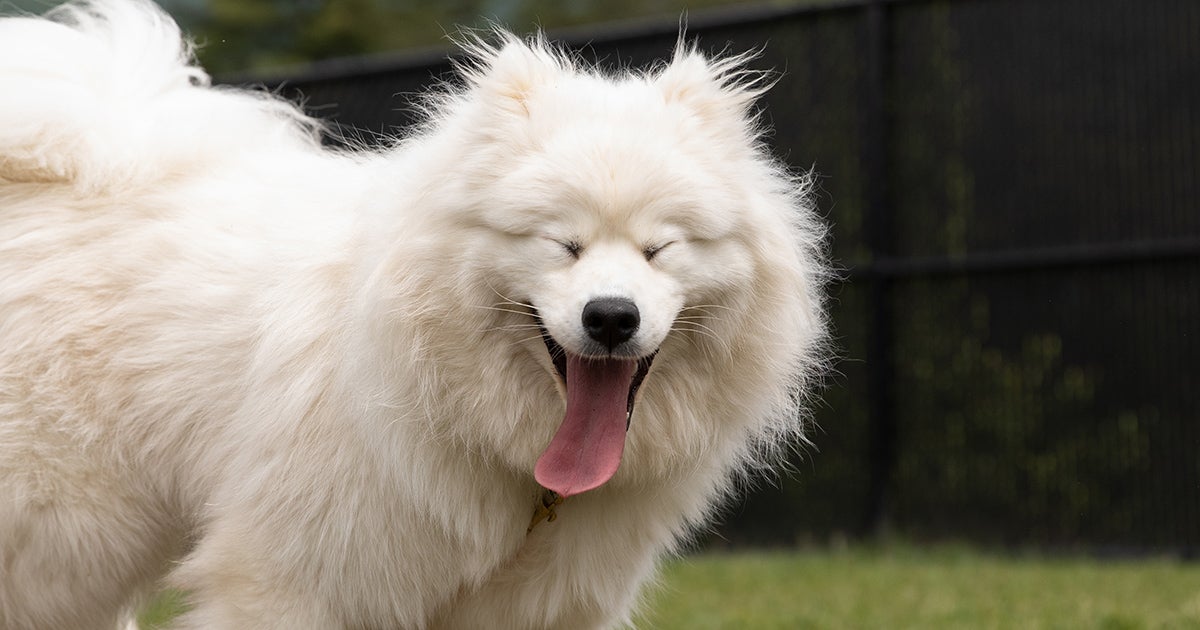
Credit: www.aspca.org
Challenges In Training Puppy Mill Dogs
Training puppy mill dogs can be very hard. These dogs often have fear and anxiety from bad past experiences. They may not trust people easily. Many show behaviors like biting, barking, or hiding. These problems make training slow and require special care.
Understanding their needs helps trainers work better. Patience and gentle methods are very important. Each dog needs time to feel safe and learn new skills. Training is not just about commands but also healing old wounds.
Building Trust
Trust is the first step in training puppy mill dogs. These dogs often come from places where they felt unsafe. They may be scared of hands or loud sounds. To build trust, use soft voices and slow movements. Let the dog come to you, do not rush. Small treats can help create a positive bond. Trust grows with time and kindness.
Consistency And Patience
Consistency is key to training success. Use the same words and actions every day. This helps dogs understand what you want. Patience is also very important. Puppy mill dogs might take longer to learn. Do not punish or shout. Calm and steady training works best. Celebrate small progress to keep training positive.
Behavior Modification Techniques
Behavior problems need special training methods. Techniques like positive reinforcement help change bad habits. Reward good behavior with treats or praise. Avoid punishment, it can make fear worse. Sometimes, professional trainers or vets can help. They know how to handle tough cases. Consistent, gentle training can improve behavior over time.
Supporting Recovery And Rehabilitation
Recovering from the trauma of a puppy mill takes time and patience. Dogs need gentle care to heal both body and mind. Their behavior problems often stem from fear and stress. Providing the right support helps them feel safe and loved again.
Helping these dogs rebuild trust is key. They require calm environments and kind training. This section covers ways to support their recovery and rehabilitation effectively.
Creating Safe Spaces
Safe spaces help dogs feel calm and secure. Quiet rooms with soft bedding work well. Avoid loud noises and sudden movements. Let the dog explore the area at their own pace. A safe space reduces anxiety and stress. It becomes a place to relax and rest.
Positive Reinforcement
Use treats and praise to encourage good behavior. Reward calmness and gentle actions. Avoid punishment or harsh commands. Positive reinforcement builds confidence and trust. It helps dogs learn what is expected kindly. Consistency is important for steady progress.
Professional Behavioral Therapy
Some dogs need extra help from experts. Trainers and behaviorists can guide the recovery process. They assess the dog’s needs and create plans. Therapy might include desensitization or socialization exercises. Professional help speeds healing and improves behavior. It ensures the dog has the best chance to thrive.
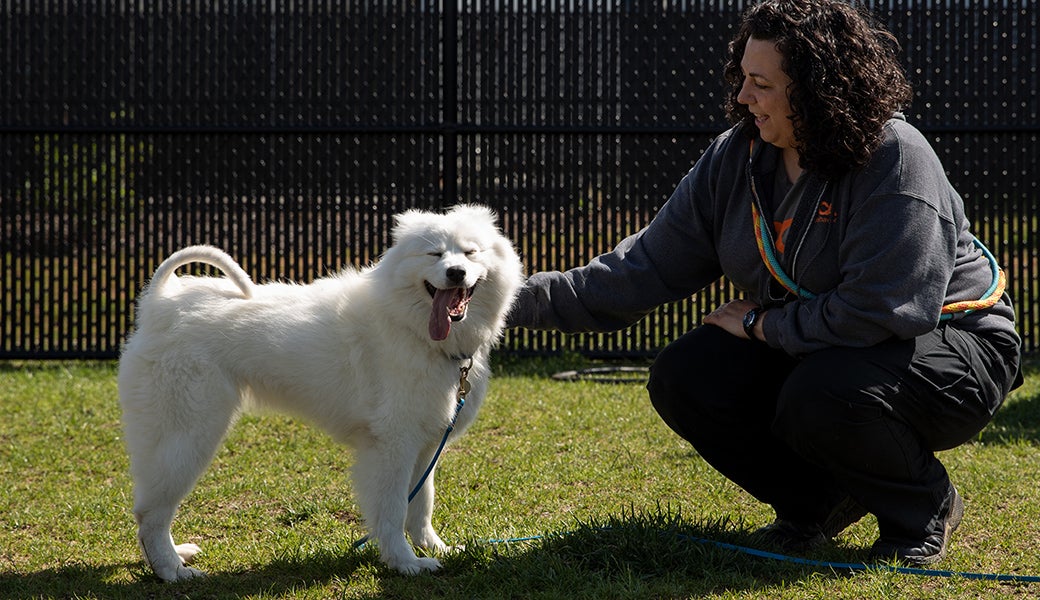
Credit: www.aspca.org
Preventing Future Behavior Issues
Preventing behavior problems in dogs from puppy mills starts with awareness and action. These dogs often face tough early lives that affect their behavior. Addressing the root causes can help reduce future issues. Careful choices and community efforts are key.
Adopting Responsibly
Choose adoption from trusted shelters or rescue groups. Avoid buying from pet stores or online sellers that may support puppy mills. Ask questions about the dog’s history and health. Spend time with the dog before adoption. Proper early care and socialization reduce behavior risks.
Raising Awareness
Share facts about puppy mills with friends and family. Teach others how these mills harm dogs. Use social media or local events to spread the word. Awareness helps people make better choices for pets. A well-informed community protects dogs from cruelty.
Legislation And Regulation
Support laws that ban puppy mills and improve breeding standards. Pressure governments to enforce strict rules for breeders. Regulations help stop bad breeding practices. Strong laws protect dogs and promote healthy behavior. Everyone can advocate for better animal welfare policies.

Credit: www.amazon.com
Frequently Asked Questions
What Are Common Behavior Problems In Puppy Mill Dogs?
Puppy mill dogs often show anxiety, fear, aggression, and poor socialization. These behaviors stem from neglect, overcrowding, and lack of proper care.
How Does Puppy Mill Environment Affect Dog Behavior?
Harsh conditions cause stress and trauma, leading to behavioral issues. Lack of human interaction also hampers normal social and emotional development.
Can Puppy Mill Dogs Be Rehabilitated Behaviorally?
Yes, with patience, training, and socialization, many puppy mill dogs improve. Professional help and a loving environment are essential for recovery.
Why Do Puppy Mill Dogs Show Fear And Anxiety?
Constant confinement and neglect create chronic stress. This results in heightened fear responses and anxiety in new or unfamiliar situations.
Conclusion
Puppy mill dogs often face many behavior challenges. These problems come from poor care and little social time. Understanding their background helps with patience and support. Training with kindness can build trust and reduce fear. Rescue and rehabilitation take time but bring hope.
Every dog deserves a loving home and good care. Choosing pets from responsible sources helps stop puppy mills. Small steps make a big difference in a dog’s life. Helping these dogs means giving them a better chance.


