
Bringing a German Shepherd puppy into your home is exciting, but toilet training can feel overwhelming. You want your puppy to learn quickly and avoid messes around the house.
What if you could make the process smoother and less stressful for both you and your furry friend? You’ll discover simple, effective tips that will help your German Shepherd puppy master toilet training faster than you thought possible. Keep reading to find out how to turn accidents into learning moments and build good habits that last a lifetime.
Preparing For Your Puppy
Preparing for your German Shepherd puppy is the first step in successful toilet training. You need a calm, organized space for your puppy. This helps your puppy learn faster and feel safe. Planning ahead saves time and reduces stress for both you and your puppy.
Choosing The Right Spot
Pick a quiet, easy-to-reach area outside for bathroom breaks. The spot should be consistent every time. This helps your puppy associate that place with going potty. Avoid busy or noisy places that might scare your puppy. A familiar spot makes training clearer and simpler.
Gathering Essential Supplies
Get all necessary items before your puppy arrives. You will need puppy pads, cleaning sprays, and treats. Use treats to reward good behavior during training. Cleaning sprays help remove odors and prevent repeat accidents. Having supplies ready keeps training smooth and effective.
Setting A Consistent Schedule
Set regular times for bathroom breaks throughout the day. Puppies need to go after eating, playing, and waking up. A consistent routine helps your puppy understand when to go outside. Stick to the schedule to build good habits quickly. Consistency is key in toilet training success.
Establishing A Routine
Establishing a routine is key to successful toilet training for your German Shepherd puppy. Puppies thrive on consistency. A regular schedule helps them learn faster where and when to go potty. It also reduces accidents inside your home. Setting a routine creates clear expectations for your puppy. It builds trust and comfort during training.
Regular Feeding Times
Feed your puppy at the same times every day. Consistent meal times help regulate their digestion. This predictability makes bathroom needs easier to anticipate. Avoid free feeding or random meal times. Scheduled feeding supports a steady routine. Your puppy’s body will adjust to the pattern. You will notice when they usually need to relieve themselves.
Frequent Bathroom Breaks
Take your puppy outside often, especially after eating or drinking. Puppies have small bladders that fill quickly. Frequent breaks reduce the chance of accidents. Young puppies may need to go out every one to two hours. Always bring your puppy to the same spot. Use a command word to link the action with the potty place. Praise and reward your puppy after they go outside. This reinforces good behavior and builds habits.
Recognizing Puppy Signals
Learn to read your puppy’s signs when they need to go. Sniffing, circling, or sudden restlessness are common signals. Some puppies whine or head toward the door. Watch closely after naps or playtime. Respond quickly by taking them outside. Prompt action teaches your puppy to communicate their needs. It also helps prevent messes inside the house. Understanding these signals strengthens your bond with your puppy.
Training Techniques
Training a German Shepherd puppy to use the toilet properly takes patience and the right methods. Choosing good techniques helps your puppy learn faster. It also makes the process less stressful for both of you. Here are some effective training techniques to try.
Positive Reinforcement Methods
Positive reinforcement means rewarding your puppy for good behavior. Give treats, praise, or petting right after your puppy toilets outside. This helps the puppy connect good things with the right action. Avoid punishment. It can scare your puppy and slow learning. Consistent rewards build good habits fast.
Crate Training Benefits
Crate training uses a small, safe space for your puppy. Dogs do not like to soil where they sleep. This natural habit helps control accidents inside. Let the puppy out often to toilet breaks. Crate training also teaches patience and control. It gives your puppy a quiet place to rest.
Using Commands Effectively
Use simple commands like “go potty” or “bathroom.” Say the command each time you take your puppy outside. This links the word to the action. Speak clearly and calmly. Repeat the command until your puppy understands. Commands help your puppy know what you want. They make training easier and faster.

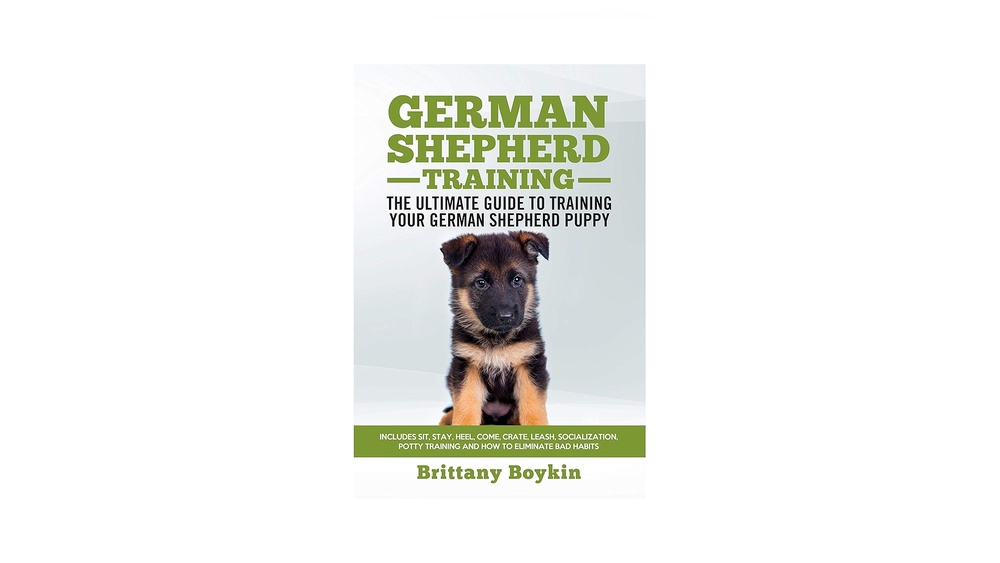
Credit: www.amazon.com
Handling Accidents
Accidents happen during German Shepherd puppy toilet training. Patience and proper handling help your puppy learn faster. How you react to accidents affects training success. Stay calm and follow good steps to manage accidents well.
Cleaning Up Properly
Clean accidents quickly to remove smells. Use an enzyme cleaner to break down odors. Avoid ammonia-based cleaners that smell like urine. Thorough cleaning stops your puppy from returning to the same spot. Keep cleaning supplies ready for quick action.
Avoiding Punishment
Never punish your puppy for accidents. Punishment causes fear and confusion. Puppies do not link punishment with the accident. Praise good behavior instead to encourage learning. Patience builds trust and helps your puppy feel safe.
Redirecting Behavior
Gently take your puppy to the toilet spot after an accident. Use a command like “Go potty” to teach the right place. Reward your puppy with treats or praise when it goes correctly. Consistent redirection helps your puppy understand where to go.
Common Challenges
Training a German Shepherd puppy to use the toilet can be tough. Many owners face challenges that slow progress. Knowing these common problems helps you stay patient and consistent. Each puppy is different. Some struggles are normal and fixable.
Dealing With Stubbornness
German Shepherd puppies can be strong-willed. They may ignore commands or delay going outside. Stubbornness often shows as refusal to potty in the right spot. Stay calm and repeat training steps clearly. Use gentle praise and rewards. Avoid punishment. Consistency and patience work best.
Managing Separation Anxiety
Some puppies feel anxious when left alone. This stress causes accidents inside the house. Separation anxiety makes toilet training harder. Help your puppy feel safe by leaving toys or blankets with your scent. Practice short alone times and slowly increase them. Calm, quiet departures reduce stress.
Adjusting To New Environments
Changes in home or routine confuse puppies. New smells and sounds may distract them from potty training. During moves or trips, accidents often increase. Keep a consistent bathroom spot if possible. Bring familiar items to comfort your puppy. Patience is key until they adjust.
Health And Diet Considerations
Good health and the right diet play a big role in toilet training a German Shepherd puppy. A healthy puppy has regular bathroom habits. A balanced diet helps control their digestion and waste. Watch your puppy’s eating and drinking patterns closely. Changes here can mean changes in toilet habits.
Impact Of Diet On Toilet Habits
The food your puppy eats affects how often they need to go outside. High-quality puppy food with proper nutrients supports good digestion. Avoid feeding too many treats or human food. These can upset their stomach and cause accidents. Fresh water should always be available. Puppies who drink enough water tend to have better toilet routines.
Monitoring For Health Issues
Keep an eye on your puppy’s bathroom behavior. Frequent accidents or diarrhea may signal health problems. Problems like urinary tract infections or parasites affect toilet training. Visit a vet if you notice blood in urine or stool. Early treatment helps your puppy stay healthy and learn faster.
Advanced Tips For Success
Training a German Shepherd puppy takes patience and care. Advanced tips help improve toilet training results. These tips guide you through changing routines, staying steady, and involving family. Follow these ideas for smoother progress and fewer accidents.
Transitioning Outdoors
Move your puppy from indoor potty pads to outside gradually. Start by placing pads near the door. Slowly shift them closer to the outdoor spot. Praise your puppy for going outside. Keep visits short but frequent. Watch your puppy’s signals to avoid accidents.
Maintaining Consistency Over Time
Stick to a regular schedule for feeding and toilet breaks. Consistency helps your puppy learn faster. Use the same words or commands for toilet time. Praise and reward your puppy immediately after success. Avoid punishment for accidents to keep trust strong.
Involving Family Members
Make sure everyone in your household follows the same training rules. Teach family members to use the same commands and rewards. This reduces confusion for your puppy. Encourage children to participate gently in training. United effort speeds up learning and builds good habits.

Credit: www.reddit.com

Credit: www.youtube.com
Frequently Asked Questions
How Long Does German Shepherd Puppy Toilet Training Take?
Toilet training a German Shepherd puppy typically takes 4 to 6 weeks. Consistency, patience, and a regular schedule speed up progress. Every puppy learns at a different pace, so stay dedicated and positive during training sessions.
What Is The Best Method For Toilet Training Puppies?
The best method involves frequent outdoor trips, praise for success, and a set routine. Use crate training to encourage bladder control. Avoid punishment to maintain trust and motivate good habits in your German Shepherd puppy.
How Often Should I Take My Puppy Outside To Toilet?
Take your puppy outside every 1 to 2 hours, especially after meals or naps. Frequent trips prevent accidents and teach bladder control. Consistency helps your German Shepherd puppy learn where to relieve themselves effectively.
Can I Use Puppy Pads For Toilet Training?
Yes, puppy pads can be helpful indoors but may slow outdoor training. Use them temporarily and gradually move pads closer to the door. Transition your German Shepherd puppy to outdoor toilet areas for long-term success.
Conclusion
Training a German Shepherd puppy takes patience and care. Stay consistent with routines and praise good behavior. Use positive methods to build trust and confidence. Expect some accidents; they are part of learning. Keep your puppy’s area clean and safe every day.
Soon, your puppy will understand where to go. Enjoy the process and bond with your new friend. With time, your puppy will become well-trained and happy.


