

Are you wondering if your 8-month-old puppy can start eating adult dog food? It’s a common question that many dog owners face as their furry friend grows.
Choosing the right food at this stage is crucial for your puppy’s health and development. If you want to make sure your dog gets the nutrients they need without risking any problems, keep reading. This guide will help you understand when and how to make the switch safely, so your puppy stays happy and healthy.
Puppy Nutrition Needs
Puppy nutrition needs are different from adult dogs. Puppies grow fast and need food that supports this growth. Their bodies require special care with the right nutrients. Feeding the right food helps puppies stay healthy and strong. Understanding these needs helps you choose the best food for your puppy.
Growth And Development
Puppies grow rapidly in their first year. Their bones, muscles, and organs develop fast. They need more calories than adult dogs for energy. Growth happens in stages, and nutrition must keep up. Proper food supports brain and immune system growth. Skipping proper nutrition can slow development or cause health issues.
Key Nutrients For Puppies
Puppies need protein for muscle and tissue growth. Fat provides energy and helps brain development. Calcium and phosphorus support strong bones and teeth. Vitamins and minerals keep the immune system strong. Balanced nutrition prevents problems like weak bones or poor coat health. Puppy food is made to include all these nutrients in the right amounts.
Differences In Puppy Vs Adult Dog Food
Puppies and adult dogs have different nutritional needs. Their food reflects these changes. Puppy food supports growth and development. Adult dog food focuses on maintenance and health. Understanding these differences helps choose the right diet for your dog.
Calorie Content
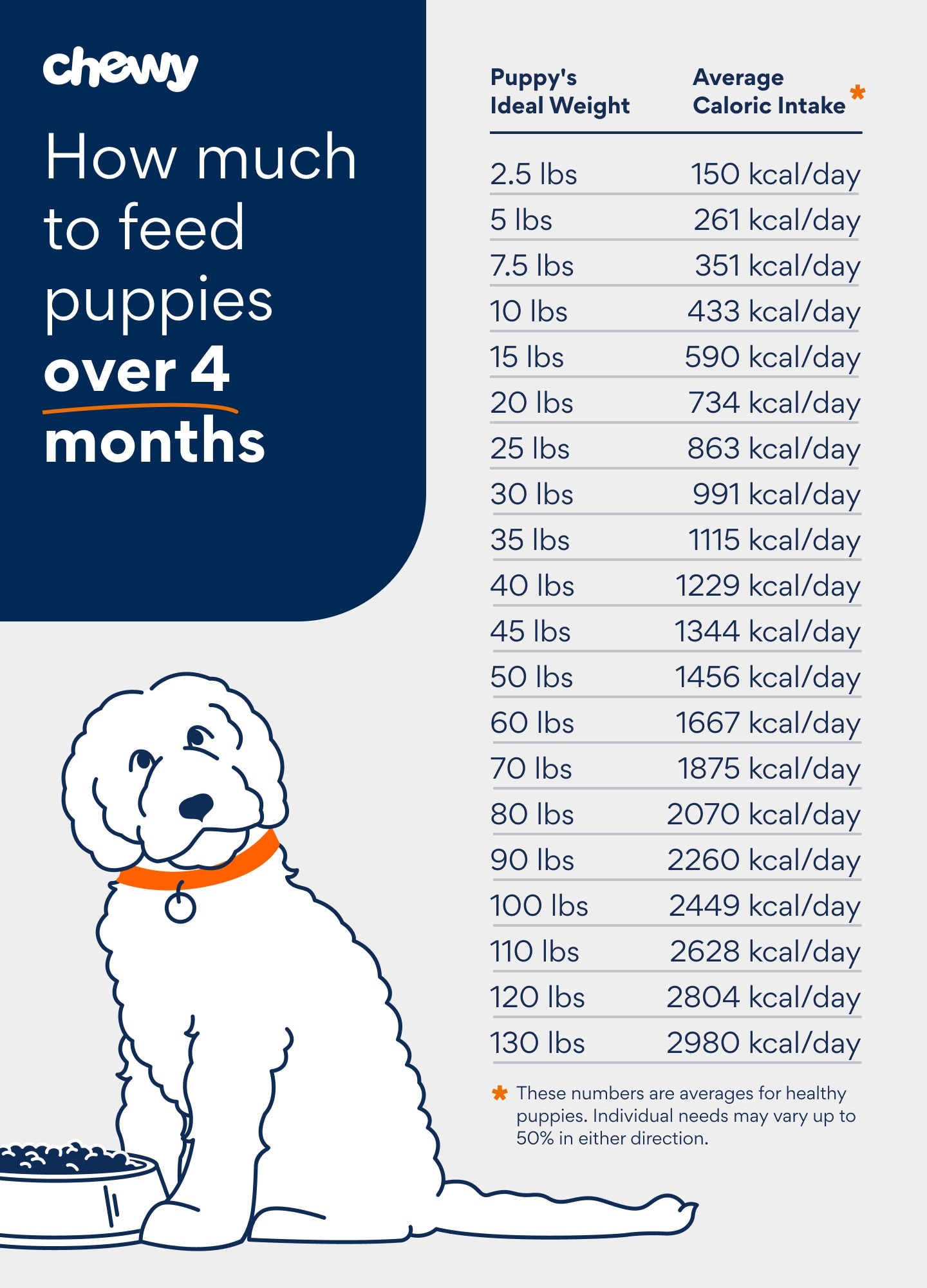
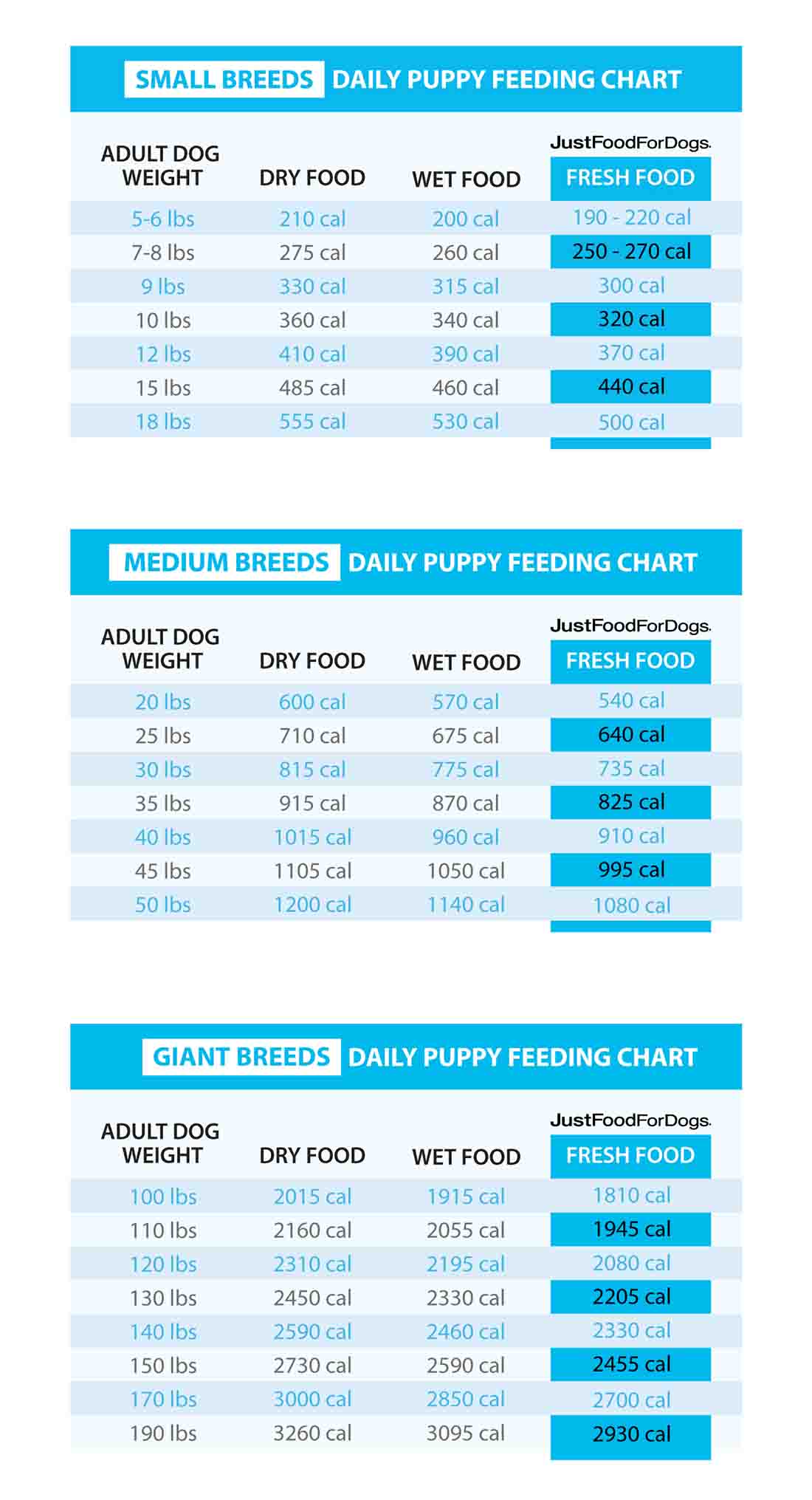
Puppy food usually has more calories. Puppies need energy to grow fast. Adult dog food has fewer calories. Adults need less energy than puppies. Feeding adult food to puppies may slow their growth.
Protein And Fat Levels
Puppies require higher protein and fat. These nutrients build muscles and support brain growth. Adult food contains less protein and fat. It helps keep adult dogs at a healthy weight. Using adult food for puppies can cause nutrient gaps.
Vitamins And Minerals
Puppy food has more vitamins and minerals. These support bones, teeth, and the immune system. Adult dog food has balanced vitamins for maintenance. Puppies need extra nutrients for strong development. Switching too early may affect puppy health.
When To Switch To Adult Dog Food
Knowing when to switch your puppy to adult dog food is important for their growth and health. Puppies need special nutrients to build strong bones and muscles. Adult dog food suits dogs that have finished growing. Changing food too early or late can affect your dog’s health and energy.
Signs Your Puppy Is Ready
Your puppy shows clear signs when ready for adult food. Check their age first. Most puppies start switching around 8 to 12 months old. Watch their size and energy. If they seem less active or their growth slows, it might be time. Look at their teeth too. Adult teeth usually come in by 6 months. Healthy weight and good coat shine also tell a lot.
Breed And Size Considerations
Breed and size affect the switch timing. Small breeds grow faster and switch sooner, often near 8 months. Large breeds grow slower and need puppy food longer, sometimes up to 18 months. Giant breeds may require special diets for extra joint support. Knowing your puppy’s breed helps choose the right moment. Always check with your vet for best advice.
Credit: www.chewy.com
Potential Risks Of Early Switching
Switching an 8-month-old puppy to adult dog food too soon can cause problems. Puppies and adult dogs have different nutritional needs. Changing food early may harm your puppy’s growth and health. Knowing the risks helps you make the best choice for your puppy’s diet.
Nutritional Deficiencies
Puppy food contains extra nutrients for growth and energy. Adult dog food lacks some vitamins and minerals puppies need. Feeding adult food early can lead to missing important nutrients. This may slow down bone and muscle development. Your puppy might become weak or tired more often.
Digestive Issues
Puppies have sensitive stomachs that need gentle food. Adult dog food has different protein and fat levels. This change can upset your puppy’s digestion. Your puppy may have diarrhea or vomiting. Stomach pain and gas are also common problems. Gradual food changes help avoid these issues.
How To Transition Safely
Transitioning your 8-month-old puppy to adult dog food requires care. Sudden changes can upset their stomach and cause digestive issues. A smooth switch helps your puppy adjust easily. Follow these steps to keep your puppy healthy and happy during the change.
Gradual Mixing Method
Start by mixing a small amount of adult food with puppy food. Use about 25% adult food and 75% puppy food for the first three days. Then, increase adult food to 50% and puppy food to 50% for the next three days. After that, mix 75% adult food with 25% puppy food. Finally, feed only adult food. This slow change helps your puppy’s stomach adjust.
Monitoring Your Puppy’s Response
Watch your puppy closely during the transition. Check for signs like diarrhea, vomiting, or loss of appetite. If your puppy shows any issues, slow down the transition. Give more time for adjustment before increasing adult food. Healthy puppies stay active and have normal stools. Keep water available at all times to help digestion.
Credit: www.justfoodfordogs.com
Alternatives To Adult Dog Food
Choosing the right food for an 8-month-old puppy is important. Puppies have special needs that adult dog food may not meet. Alternatives to adult dog food provide balanced nutrition for growing dogs. These options support healthy bones, teeth, and energy levels. Here are some good alternatives to consider.
Senior Puppy Formulas
Senior puppy formulas are made for puppies nearing adulthood. They contain the right nutrients for growth without extra calories. These foods help maintain muscle and support brain development. They also have controlled calcium and phosphorus levels for healthy bones. Feeding senior puppy formulas can ease the transition from puppy to adult food.
Specialized Diets
Specialized diets target specific needs of puppies. Some focus on sensitive stomachs or food allergies. Others support joint health or weight control. These diets use selected ingredients to improve digestion and reduce risks. Consulting a vet helps find the best specialized diet for your puppy. Proper nutrition promotes long-term health and happiness.
Consulting Your Veterinarian
Consulting your veterinarian is important when deciding if your 8-month-old puppy can eat adult dog food. Every puppy grows at a different pace. Their nutritional needs change as they develop. A vet can guide you on the best diet for your puppy’s health and growth.
Personalized Nutrition Advice
Your veterinarian knows your puppy’s breed, size, and health history. They give advice tailored to your puppy’s needs. Puppies need more calories and nutrients than adult dogs. Adult dog food may lack essential nutrients for growth. The vet can recommend the right food type and portion size.
Health Checkups
Regular health checkups help monitor your puppy’s development. Vets check weight, teeth, and overall condition. They spot any health issues early. These checkups ensure your puppy is ready to switch foods. The vet may suggest blood tests or other exams before changing the diet.

Credit: www.poochandmutt.co.uk
Frequently Asked Questions
Can An 8-month-old Puppy Eat Adult Dog Food?
Yes, an 8-month-old puppy can start eating adult dog food. However, consult your vet first to ensure proper nutrition and transition timing.
When Should I Switch My Puppy To Adult Dog Food?
Most puppies transition to adult dog food between 8 to 12 months. This depends on breed size and growth rate, so ask your vet.
Is Adult Dog Food Nutritionally Enough For Puppies?
Adult dog food lacks some nutrients puppies need for growth. Puppy food is specially formulated with higher protein and calories to support development.
How To Transition An 8-month Puppy To Adult Food?
Gradually mix adult dog food with puppy food over 7-10 days. This prevents digestive upset and helps your puppy adjust smoothly.
Conclusion
Feeding an 8-month-old puppy adult dog food needs care. Puppies need more nutrients for growth than adults. Switching too soon can cause health problems. Choose food that fits your puppy’s age and size. Watch your puppy’s energy and weight closely.
Consult your vet for the best diet plan. Healthy food leads to a happy, strong dog. Keep your puppy’s needs in mind always. This helps your dog grow well and stay healthy.

