
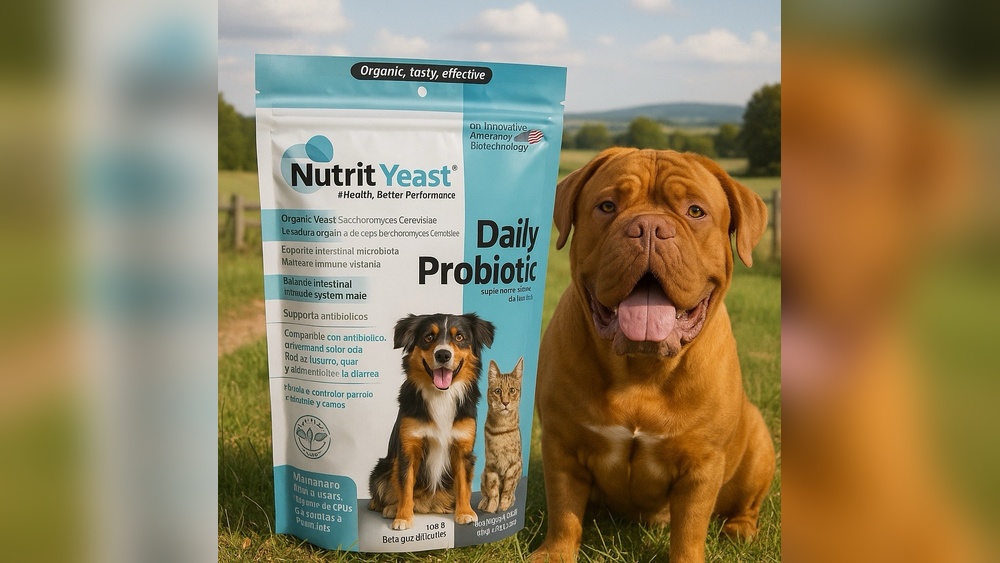
Are you curious about adding nutritional yeast to your dog’s or cat’s diet? You might have heard it’s a healthy boost, but is it really safe and good for your furry friend?
Knowing what goes into your pet’s bowl is important, and you want to make the best choices for their health and happiness. Keep reading to discover the truth about nutritional yeast and whether it’s a smart addition to your pet’s meals.
This information could change the way you care for your beloved companion.

Credit: www.amazon.com
Nutritional Yeast Basics
Nutritional yeast is a popular supplement in many diets. It offers a rich source of vitamins and protein. Pet owners often wonder if it is safe and healthy for dogs and cats. Understanding the basics helps to make informed choices for pets.
This section explains what nutritional yeast is and how it is commonly used by people. This knowledge builds a foundation for discussing its benefits and risks for pets.
What Is Nutritional Yeast?
Nutritional yeast is a type of inactive yeast. It comes from the Saccharomyces cerevisiae species. The yeast grows on molasses or sugarcane. After harvesting, it is heat-treated to stop fermentation. This process keeps it inactive and safe to eat.
It looks like yellow flakes or powder. Nutritional yeast has a cheesy, nutty flavor. It is rich in B vitamins, protein, and minerals. Many people use it as a food supplement.
Common Uses In Human Diets
People add nutritional yeast to many dishes. It boosts flavor in soups, salads, and sauces. It works well as a cheese substitute for vegans. Some mix it into popcorn or pasta.
It provides extra nutrients without many calories. Many use it to support immune health and energy. Its rich vitamin B content helps with metabolism and skin health.
Nutritional Yeast And Pets
Nutritional yeast is a popular supplement for humans, known for its cheesy flavor and rich nutrients. Pet owners often wonder if it is safe and healthy for their dogs and cats. This section explores how nutritional yeast interacts with pets’ diets and health needs.
Suitability For Dogs
Dogs can benefit from nutritional yeast in small amounts. It contains vitamins like B-complex and minerals that support their skin and coat. Some dogs enjoy its taste sprinkled on food. It may also help improve digestion and boost the immune system. Avoid giving large quantities to prevent upset stomach or allergies. Always introduce it slowly and watch for any reactions.
Suitability For Cats
Cats are more sensitive to dietary changes than dogs. Nutritional yeast can be given occasionally as a treat or supplement. It offers essential nutrients that help maintain healthy fur and energy levels. Use plain, unsalted nutritional yeast without additives. Avoid overfeeding to reduce the risk of digestive issues. Consult a vet before adding it regularly to a cat’s diet.
Health Benefits For Dogs
Nutritional yeast offers many health benefits for dogs. It is a natural source of vitamins and minerals. This supplement can support different parts of your dog’s body. Dogs often enjoy its cheesy flavor. It can be a tasty way to boost their nutrition.
Boosting Immune System
Nutritional yeast contains beta-glucans that support the immune system. These compounds help dogs fight infections. A strong immune system keeps dogs healthier. It reduces the risk of illnesses. Regular use may improve your dog’s natural defense.
Enhancing Coat And Skin Health
Rich in B vitamins and zinc, nutritional yeast helps the skin and coat. It can reduce itching and dryness. Dogs may have shinier, softer fur. Healthy skin means fewer irritations and less scratching.
Supporting Digestion
Nutritional yeast has fiber that aids digestion. It promotes good gut bacteria and helps with nutrient absorption. This can ease digestion problems like constipation. A healthy gut supports overall well-being in dogs.

Credit: m.youtube.com
Health Benefits For Cats
Nutritional yeast offers several health benefits for cats. It is a natural source of essential nutrients. Many cat owners consider adding it to their pet’s diet. Small amounts can support overall health. It provides vitamins, minerals, and proteins that cats need daily.
Improving Nutrient Intake
Nutritional yeast is rich in B vitamins, especially B12. Cats need these vitamins to stay healthy. It helps boost energy and supports the nervous system. Nutritional yeast also contains protein that aids muscle maintenance. Adding it can fill small nutritional gaps in their diet.
Promoting Healthy Fur
Many cats suffer from dry or dull fur. Nutritional yeast contains biotin, a vitamin known to improve fur quality. It helps make the coat shiny and soft. Regular use supports skin health and reduces shedding. This makes cats look healthier and feel better.
Aiding Digestive Health
Digestive problems are common in cats. Nutritional yeast has prebiotics that feed good bacteria in the gut. It helps improve digestion and nutrient absorption. This can reduce stomach upset and bloating. A healthy gut means a happier, more active cat.
Potential Risks And Precautions
Nutritional yeast can offer benefits for pets, but some risks need attention. Understanding these risks helps keep dogs and cats safe. Always use nutritional yeast carefully and in proper amounts. Watch for any signs of discomfort or unusual behavior.
Allergic Reactions
Some pets may have allergies to nutritional yeast. Symptoms include itching, redness, or swelling. Pets might also have digestive issues like vomiting or diarrhea. Stop using nutritional yeast if allergic signs appear. Introduce it slowly to monitor any reactions.
Overconsumption Concerns
Too much nutritional yeast can cause health problems. It may lead to upset stomach or gas. High amounts can cause an imbalance in nutrients. Excess intake might strain the kidneys or liver. Use small doses to avoid these issues.
Consulting Veterinarians
Always ask a vet before adding nutritional yeast to pet diets. Professionals can suggest safe amounts based on pet size and health. Vets help spot any risks or allergies early. Regular check-ups ensure pets stay healthy with new supplements.
How To Introduce Nutritional Yeast
Introducing nutritional yeast to your dog or cat’s diet requires care and patience. Start slowly to help your pet adjust. Sudden changes can upset their stomach or cause dislike. Begin with small amounts and watch how they react. Nutritional yeast can add flavor and nutrients but should be given in the right way.
Recommended Dosages
For dogs, start with about one-quarter teaspoon per 10 pounds of body weight. Cats need even less, around one-eighth teaspoon per day. Never give more than one teaspoon daily to avoid digestive issues. Consult your vet before making changes, especially for pets with health problems.
Best Ways To Serve
Sprinkle nutritional yeast over your pet’s regular food. Mix it well so the taste spreads evenly. You can also blend it into wet food or homemade meals. Avoid giving it as a dry powder alone. This helps pets accept the new flavor more easily.
Monitoring Pet’s Response
Watch for any changes in behavior or digestion. Check for itching, vomiting, or diarrhea. If you see any signs, reduce the amount or stop feeding it. Positive signs include shiny coat and good energy. Keep a journal to track reactions over time.
Choosing Quality Nutritional Yeast
Choosing quality nutritional yeast is important for your pets’ health. Not all nutritional yeast products are the same. The right choice ensures your dog or cat gets safe and useful nutrients. Quality yeast supports their immune system, skin, and coat health. Pay attention to what is inside the product and how it is made.
Types To Look For
Choose nutritional yeast labeled as “fortified” or “unfortified.” Fortified yeast has added vitamins like B12, which benefit pets. Unfortified yeast is natural and has fewer extras. Both types can be good but check the nutrition label. Organic nutritional yeast is often purer and free from chemicals. Avoid yeast products made for baking or brewing. They may contain ingredients harmful to pets.
Avoiding Harmful Additives
Check the ingredient list carefully. Avoid products with artificial colors or flavors. Salt, sugar, and preservatives can harm pets. Steer clear of yeast with added MSG or other enhancers. Pure nutritional yeast is yellow and powdery without fillers. Contaminants can cause allergies or digestive problems. Buy from trusted brands with clear labeling. This helps keep your dog or cat safe and healthy.

Credit: www.amazon.com
Frequently Asked Questions
Is Nutritional Yeast Safe For Dogs And Cats?
Yes, nutritional yeast is generally safe for dogs and cats in small amounts. It provides B vitamins and protein. However, avoid giving large quantities to prevent digestive upset. Always consult a vet before introducing new supplements to your pet’s diet.
What Are The Benefits Of Nutritional Yeast For Pets?
Nutritional yeast supports healthy skin, coat, and immune function in pets. It is rich in vitamins, minerals, and antioxidants. These nutrients promote energy and overall well-being. Including it as a supplement can enhance your dog or cat’s nutrition safely.
Can Nutritional Yeast Cause Allergies In Pets?
Some pets may develop allergies or sensitivities to nutritional yeast. Watch for itching, vomiting, or diarrhea after feeding. If any symptoms appear, stop use immediately and consult a veterinarian. Most pets tolerate it well when given in moderation.
How Much Nutritional Yeast Should I Give My Pet?
Start with a small pinch mixed into your pet’s food daily. Typically, 1/4 to 1/2 teaspoon per day is enough for most dogs and cats. Adjust the amount based on your pet’s size and tolerance. Always consult your vet for personalized advice.
Conclusion
Nutritional yeast can offer benefits for dogs and cats in small amounts. It provides vitamins and a tasty flavor they may enjoy. Always introduce it slowly and watch for any signs of allergy. Consult your vet before adding new supplements to your pet’s diet.
Too much nutritional yeast can cause issues, so moderation matters. This simple food might support your pet’s health but should never replace balanced meals. Careful use helps keep your furry friends happy and healthy.


