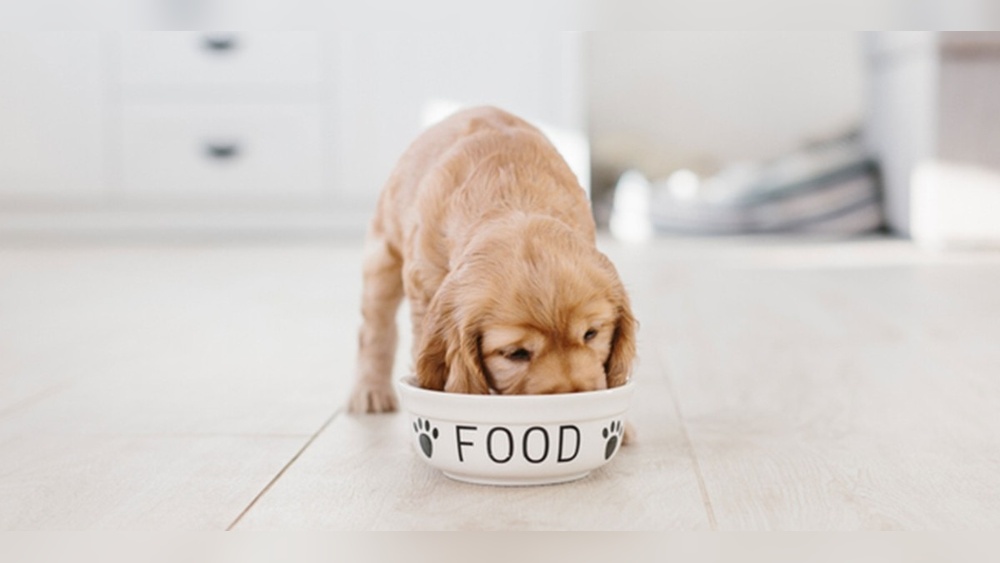
If you’re a new puppy owner, you might wonder, “Is it okay for my puppy to eat adult dog food?” It’s a common question that many pet parents ask. After all, you want to give your furry friend the best nutrition to help them grow strong and healthy.
But using the wrong food could slow their development or cause health issues. You’ll discover why feeding your puppy the right food matters, what risks come with adult dog food, and how to make the best choice for your puppy’s diet.
Keep reading to ensure your puppy gets the perfect start in life.
Credit: www.acanapetfoods.co.uk
Nutritional Needs Of Puppies
Puppies have special needs for their food. Their bodies grow fast and need the right fuel. Good nutrition helps build strong bones, muscles, and a healthy immune system. Feeding puppies the right diet supports their energy and brain development. Adult dog food may not meet these needs fully. Understanding what puppies require helps in choosing the best food for them.
Essential Nutrients For Growth
Puppies need more protein than adult dogs. Protein helps build muscles and tissues. Fat is also important for energy and brain growth. Vitamins like A, D, and E support bone and eye health. Minerals such as calcium and phosphorus strengthen bones and teeth. Puppies need balanced nutrients to grow healthy and strong. Missing these can slow down their development.
Differences Between Puppy And Adult Diets
Puppy food has more calories than adult dog food. This extra energy supports rapid growth and play. Puppy diets have higher protein and fat levels to meet their needs. Adult dog food usually has less fat and protein to prevent weight gain. The balance of vitamins and minerals also differs. Feeding adult food to puppies can leave them lacking key nutrients. Puppy food is designed for their unique growth stages.

Credit: www.reddit.com
Risks Of Feeding Adult Food To Puppies
Puppies have special dietary needs different from adult dogs. Feeding adult dog food to puppies can cause several risks. These risks affect their health and growth. Understanding these dangers helps keep puppies safe and healthy.
Potential Nutrient Deficiencies
Adult dog food lacks important nutrients for puppies. Puppies need more protein and fat for energy. Adult food has lower levels of these nutrients. This shortage can slow down puppy growth. Essential vitamins and minerals might also be missing. This leads to weak bones and poor immune health.
Impact On Growth And Development
Puppies grow fast and need proper nutrition. Adult food does not support rapid development. Growth plates in bones need extra calcium and phosphorus. Without these, bones may develop poorly. Brain development also requires specific nutrients found in puppy food. Lack of these can affect learning and behavior.
Digestive Issues And Discomfort
Puppies have sensitive stomachs. Adult dog food is harder to digest for them. It can cause upset stomach, diarrhea, or vomiting. These issues lead to dehydration and discomfort. Feeding the right food helps maintain healthy digestion. It keeps puppies comfortable and active.
When Adult Dog Food Might Be Acceptable
Puppies need special nutrition to grow strong and healthy. Puppy food has more protein, fat, and calories than adult dog food. Still, there are times when feeding adult dog food to a puppy can be okay. Understanding these situations helps keep your puppy safe and well-fed.
Adult dog food is not made for rapid growth. But short-term use or special cases may call for it. Always watch your puppy closely and consult a vet for advice.
Short-term Feeding Scenarios
Sometimes, you might run out of puppy food during a trip or emergency. Feeding adult dog food for a day or two will not harm your puppy. It provides enough energy for a short time.
Switch back to puppy food as soon as possible. Long use of adult food can slow growth and cause nutrient gaps. Keep treats and small amounts of adult food to a minimum during this period.
Special Cases And Veterinary Advice
Some puppies have health issues requiring adult dog food. For example, a vet might recommend adult food for a puppy with certain allergies or digestive problems.
Senior dogs or those with medical conditions may need diets different from puppy food. Always follow your vet’s instructions when feeding adult food to a puppy. Proper care ensures your puppy stays healthy and happy.
Transitioning Between Puppy And Adult Food
Changing your puppy’s food from puppy formula to adult dog food is an important step. Puppies need different nutrients than adult dogs. Feeding the right food helps them grow strong and stay healthy. Transitioning slowly protects your puppy’s stomach from upset.
Signs Your Puppy Needs Adult Food
Your puppy grows fast. At a certain age, their food needs change. Watch for signs like steady weight gain and less playfulness. If your puppy looks full and active, it might be time. Check the breed’s typical adult size and age. Small breeds may switch sooner than large breeds.
Safe Transition Methods
Switch foods gradually over 7 to 10 days. Start by mixing 25% adult food with 75% puppy food. Each day, add more adult food and less puppy food. This helps your puppy’s stomach adjust. Watch for any diarrhea or vomiting. If these happen, slow the transition down.
Expert Recommendations
Experts have clear advice about feeding puppies adult dog food. Puppies need special nutrition for growth and health. Adult dog food lacks some nutrients puppies require. Following expert tips helps keep your puppy healthy and strong.
Choosing The Right Food
Puppies need food with balanced protein and fat. This supports their fast growth and energy needs. Adult dog food has less protein and fat, which can slow puppy growth. Choose puppy food labeled for their age and size. It has vitamins and minerals for strong bones and teeth. Always read food labels carefully before buying.
Consulting Your Veterinarian
Your vet knows your puppy’s health needs best. They can recommend the right food type and amount. Some puppies may have special dietary needs. Regular check-ups ensure your puppy grows well on their diet. Ask your vet before changing your puppy’s food.
Homemade Vs. Commercial Puppy Food
Puppy owners often wonder whether to choose homemade or commercial food. Both options have their own benefits and challenges. Understanding these can help provide the best nutrition for a growing puppy.
Pros And Cons Of Each Option
Homemade food allows control over ingredients and freshness. You can avoid artificial additives and tailor meals to your puppy’s taste. It may be cheaper but needs time and effort to prepare properly.
Commercial food is convenient and easy to store. It offers balanced nutrition designed specifically for puppies. It costs more but saves preparation time and effort. Some brands may contain fillers or preservatives.
Ensuring Balanced Nutrition
Puppies need the right balance of protein, fats, vitamins, and minerals. Homemade meals must include all these nutrients in correct amounts. Missing any can harm your puppy’s growth and health.
Commercial foods are formulated to meet nutritional standards for puppies. Reading labels and choosing quality brands ensures your puppy gets enough nutrients. Consult a vet to check your puppy’s diet balance.

Credit: www.reddit.com
Frequently Asked Questions
Can Puppies Eat Adult Dog Food Safely?
Puppies can eat adult dog food, but it’s not ideal. Adult food lacks essential nutrients for growth. Feeding it occasionally is fine, but regular use may slow puppy development. Always choose puppy-formulated food for balanced nutrition during early life stages.
What Happens If A Puppy Eats Adult Dog Food?
If a puppy eats adult dog food, it may miss vital nutrients. This can affect bone growth and immune health. Puppies need higher protein and fat levels, which adult food lacks. Monitor your puppy and consult a vet if health issues appear.
When Should I Switch My Puppy To Adult Dog Food?
Switch your puppy to adult dog food around 12 months old. Large breeds may need more time, up to 18 months. Transition gradually over a week to avoid digestive upset. Always follow your vet’s advice for a smooth food change.
Is Adult Dog Food Harmful To Puppies?
Adult dog food is not harmful but not optimal for puppies. It lacks nutrients necessary for growth and energy needs. Feeding it long-term can cause nutritional deficiencies. Use puppy-specific food for healthy development during their critical growth period.
Conclusion
Puppies need special food to grow strong and healthy. Adult dog food lacks some nutrients puppies require. Feeding adult food to puppies can cause health problems. Choose puppy food to support their growth and energy. Always ask your vet before changing your puppy’s diet.
Healthy eating helps puppies become happy, active dogs. Keep their meals balanced and suited for their age. This simple choice makes a big difference in their life.