
If you have an adult Boxer dog, you probably wonder, “How much food should I give my furry friend?” Feeding your Boxer the right amount is key to keeping them healthy, energetic, and happy. Too much food can lead to weight gain and health problems, while too little can leave your dog hungry and weak.
You’ll discover the simple steps to find the perfect feeding portion for your Boxer. Keep reading to make sure your dog gets just what they need every day.
Credit: www.petplate.com
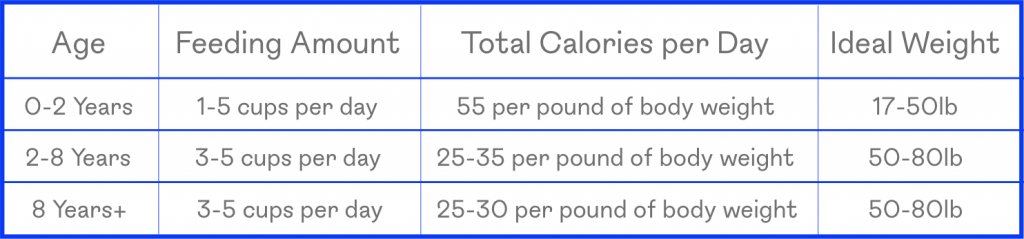
Daily Calorie Needs
Daily calorie needs are vital to keep your adult Boxer healthy. Calories give energy for activity, growth, and body functions. Feeding the right amount prevents weight problems. Too many calories cause obesity. Too few lead to weakness and health issues.
Factors Influencing Calorie Requirements
Several factors change how many calories a Boxer needs each day. Age affects metabolism; younger adults burn more calories. Activity level matters a lot. Active Boxers need more energy than calm ones. Size and weight also play a role. Bigger dogs burn more calories. Health status can increase or decrease calorie needs. Neutered or spayed dogs often need fewer calories. Weather and environment can influence energy use too.
Calorie Estimates For Adult Boxers
On average, an adult Boxer needs about 1,000 to 1,400 calories per day. This range fits most healthy adult Boxers weighing 50 to 70 pounds. Active Boxers on the higher end of activity need more calories. Less active dogs need fewer. Use this estimate as a starting point. Adjust feeding amounts based on your dog’s weight and energy. Watch your Boxer’s body condition for signs of over or underfeeding.
Portion Size Guidelines
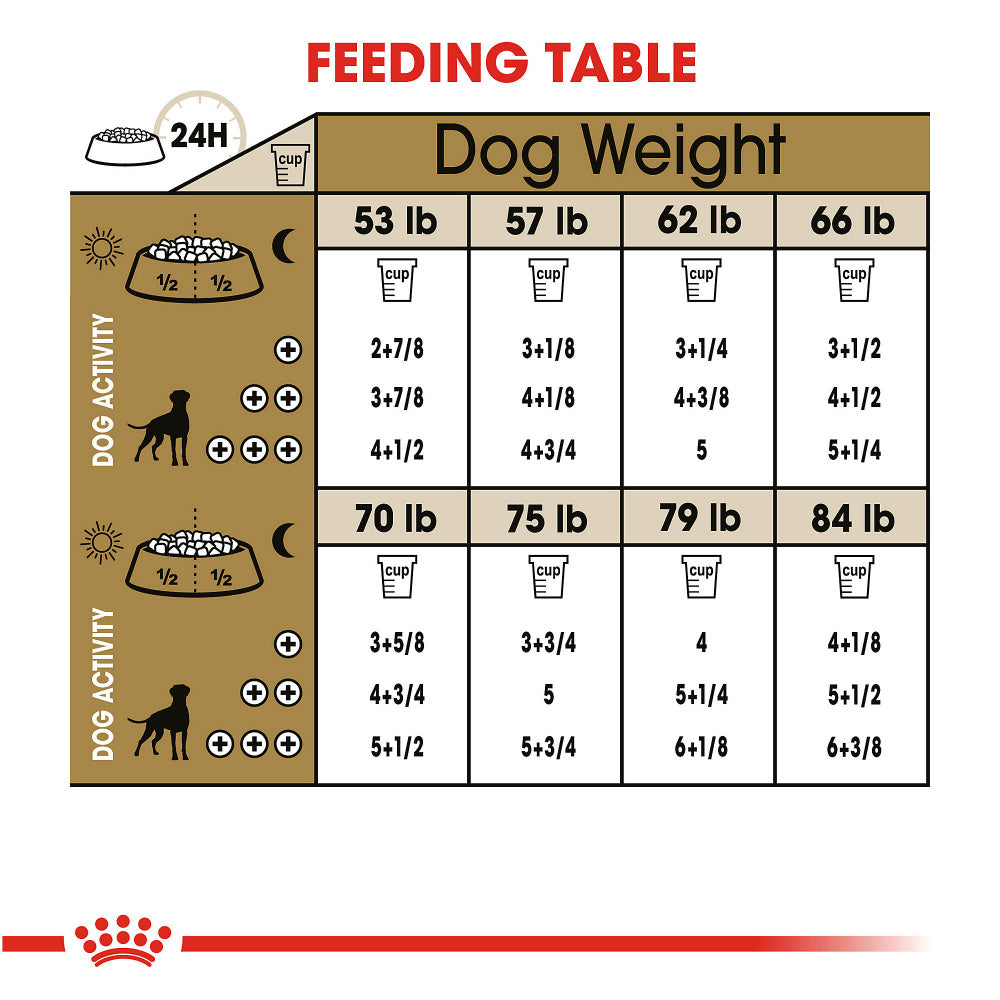
Feeding an adult Boxer the right amount of food is key for health. Portion size guidelines help keep your dog fit and happy. It stops overeating or feeling hungry. These guidelines depend on weight, age, and activity. Follow them to give your Boxer balanced meals every day.
Measuring Food Amounts
Use a standard measuring cup for accuracy. Check the dog food package for daily feeding amounts. Most adult Boxers eat between 2 to 3 cups of dry food daily. Split this into two meals to avoid stomach issues. Always weigh your dog to adjust food correctly. Avoid guessing portions to prevent weight gain.
Adjusting Portions Based On Activity
Active Boxers burn more calories and need more food. Less active dogs require smaller portions to avoid weight gain. Increase food slightly on exercise days or playtime. Reduce food if your dog is resting more. Watch your Boxer’s body shape to decide if portions need change.
Types Of Suitable Food
Choosing the right food for your adult Boxer is very important. Different types of food offer various benefits. Knowing these options helps you decide what suits your dog best. Here are the main types of suitable food for adult Boxers.
Dry Kibble Options
Dry kibble is a popular choice for many Boxer owners. It is easy to store and serve. Kibble helps keep your dog’s teeth clean by reducing tartar. Look for brands with high protein and real meat as the first ingredient. Avoid kibble with too many fillers like corn or soy. Choose formulas made for medium to large breeds to support your Boxer’s energy and muscle needs.
Wet And Fresh Food Choices
Wet food often contains more moisture, which helps with hydration. It usually has a strong aroma that many dogs enjoy. Fresh food options include cooked meals with balanced nutrients. These can be bought pre-made or prepared at home. Wet and fresh foods tend to be softer, which can be easier for older Boxers to chew. Make sure the food includes essential vitamins and minerals.
Raw Diet Considerations
The raw diet includes uncooked meat, bones, and vegetables. Some owners believe it mimics a dog’s natural diet. It may improve coat shine and energy levels. Raw feeding requires careful handling to avoid bacteria. Consult a vet before starting this diet. Balance is key to avoid nutrient deficiencies. Raw diets need time and effort to prepare safely.
Credit: www.allboxerinfo.com
Feeding Frequency
Feeding frequency plays a key role in keeping your adult Boxer healthy and active. Proper meal timing helps with digestion and energy levels. It also prevents overeating and keeps your dog at a good weight. Understanding how often to feed your Boxer ensures a balanced diet and steady energy throughout the day.
Number Of Meals Per Day
Adult Boxers typically do well with two meals daily. This routine fits their energy needs without causing stomach discomfort. Dividing food into two portions helps control hunger and supports metabolism. Avoid free feeding, as it can lead to overeating and weight gain. Two meals a day is a simple and effective feeding plan for your Boxer.
Timing And Consistency
Feed your Boxer at the same times each day. Consistent timing supports a regular digestive rhythm. Aim for morning and evening meals, about 8 to 12 hours apart. Avoid feeding immediately before or after exercise to prevent stomach issues. Keeping a steady schedule helps your dog feel secure and improves digestion.
Monitoring Weight And Health
Monitoring your adult Boxer’s weight and health is key to feeding the right amount. Keeping track helps avoid health issues. Proper feeding supports a strong, active dog. Check your dog’s body and behavior often. Adjust food if you see any changes. Healthy weight means a happy dog.
Signs Of Overfeeding
Too much food can cause weight gain. Your Boxer may look round or bulky. You might feel extra fat over ribs. Breathing could become harder after small exercise. The dog may move less or seem tired. Watch for these signs to prevent obesity.
Signs Of Underfeeding
Too little food leads to weight loss. Ribs and bones may show clearly. The dog might seem weak or less active. A dull coat can also be a sign. If your Boxer seems hungry all the time, it needs more food. Avoid underfeeding to keep energy up.
Regular Vet Checkups
Visit the vet regularly to check your dog’s health. The vet can measure weight and body condition. They help spot problems early, like obesity or malnutrition. Follow the vet’s advice on diet changes. Regular checks keep your Boxer fit and strong.
Special Dietary Needs
Adult Boxers need special care in their diet for good health. Their food must match their unique body needs. Feeding the right amount is not enough. The quality and type of food matter too. Special dietary needs help keep your Boxer active and happy.
Age-related Changes
As Boxers grow older, their food needs change. Young adult Boxers need more calories for energy. Older Boxers burn fewer calories and need less food. Their metabolism slows down with age. Protein is important to keep their muscles strong. Older dogs may need food with fewer fats. Fiber helps with digestion as they age. Adjust food portions to avoid weight gain. Watch your Boxer’s weight regularly.
Health Conditions Affecting Diet
Some health issues affect what your Boxer should eat. Allergies may require special hypoallergenic foods. Joint problems need foods rich in omega-3 fatty acids. Heart conditions call for low-sodium diets. Kidney issues require controlled protein intake. Always consult your vet for diet changes. Proper diet helps manage diseases and improves life quality. Tailor food to your Boxer’s health needs carefully.
Common Feeding Mistakes
Feeding an adult Boxer dog requires care and attention. Many owners make common feeding mistakes. These errors can affect the dog’s health and energy. Understanding these mistakes helps keep your Boxer happy and fit.
Overfeeding Treats
Treats are good for training and bonding. Giving too many treats adds extra calories. This can cause weight gain and health issues. Treats should be small and given in moderation. Count treats as part of daily food intake.
Ignoring Individual Needs
Every Boxer is different. Age, activity, and health change food needs. Feeding the same amount to all dogs is wrong. Watch your dog’s weight and energy levels. Adjust food amounts based on your dog’s lifestyle and condition.
Credit: www.petsense.com
Frequently Asked Questions
How Much Food Should An Adult Boxer Eat Daily?
An adult Boxer typically requires 2 to 3 cups of high-quality dog food per day. Divide meals into two portions to support digestion and energy levels.
What Factors Affect An Adult Boxer’s Food Intake?
Age, weight, activity level, and metabolism influence how much an adult Boxer should eat. Adjust portions accordingly for optimal health.
Can Feeding Too Much Harm My Adult Boxer?
Yes, overfeeding can cause obesity, joint problems, and decreased lifespan in Boxers. Always follow recommended feeding guidelines.
How Often Should I Feed My Adult Boxer?
Feed your adult Boxer twice daily, morning and evening. This helps maintain steady energy and prevents overeating.
Conclusion
Feeding your adult Boxer the right amount is key to their health. Watch their weight and energy to adjust portions. Quality food and regular meals keep them strong and happy. Every dog is different, so stay patient and observe. Small changes can make a big difference in their diet.
Keep your Boxer active and well-fed for a long, joyful life.


