

If you have a senior dog, you probably want the best for them. You might be wondering, “Can my older dog eat adult dog food?” It’s a simple question, but the answer can affect your dog’s health, energy, and happiness.
Feeding the right food can help your furry friend stay strong and comfortable in their golden years. Keep reading to find out what you need to know to make the best choice for your loyal companion.
Nutritional Needs Of Senior Dogs
Senior dogs have different nutritional needs than younger adults. Their bodies change as they age. These changes affect how they digest and use food. Choosing the right diet supports their health and comfort. Understanding these needs helps keep your dog happy and active longer.
Changes In Metabolism
Metabolism slows down in senior dogs. They burn fewer calories daily. This means they need less energy from food. Eating too much can lead to weight gain. A diet with balanced nutrients and fewer calories is best. It helps maintain a healthy weight and prevents obesity.
Common Health Issues
Older dogs face health problems like arthritis and kidney disease. These issues affect their food choices and digestion. Nutrients such as omega-3 fatty acids reduce inflammation. Lower protein levels can protect aging kidneys. Vitamins and minerals support immune health and joint function.
Energy Requirements
Energy needs drop as dogs age. Less activity means fewer calories are needed. Feeding adult dog food with higher calories may cause weight gain. Senior dog food usually has lower calories but more nutrients. It matches their lower energy needs while keeping them nourished.

Credit: jiminys.com
Differences Between Adult And Senior Dog Food
Adult and senior dog foods are not the same. They meet different needs of dogs at various life stages. Senior dogs have unique health and dietary requirements. Their bodies change as they age. These changes affect their nutrition needs. Understanding the differences helps pet owners choose the right food.
Calorie Content
Senior dog food usually has fewer calories than adult food. Older dogs move less and burn fewer calories. Lower calorie content helps prevent weight gain. Maintaining a healthy weight is important for aging dogs. Too many calories can cause obesity and health problems.
Protein And Fat Levels
Protein and fat amounts differ between adult and senior dog food. Senior dog food often contains moderate protein to support muscle health. Fat content is usually lower to avoid extra weight. Balanced protein and fat help older dogs stay strong and active. Proper levels protect their joints and organs.
Added Supplements
Senior dog food includes special supplements not found in adult food. These may include glucosamine and chondroitin for joint support. Omega-3 fatty acids help reduce inflammation and improve brain health. Antioxidants boost the immune system. These added nutrients support aging dogs’ overall well-being.
Potential Risks Of Feeding Adult Food To Seniors
Feeding adult dog food to senior dogs can cause several health issues. Older dogs have different needs than younger adults. Their bodies change, and their diet should reflect that. Using the wrong food might harm their overall health and comfort. Understanding these risks helps you make better choices for your dog.
Weight Gain And Obesity
Adult dog food often has more calories than senior food. Seniors usually have lower activity levels. Excess calories can lead to weight gain fast. Extra weight puts pressure on their heart and lungs. It also raises the risk of diabetes and other problems. Keeping weight in check is vital for older dogs.
Digestive Problems
Seniors have sensitive stomachs. Adult food may contain ingredients that are hard to digest. This can cause diarrhea, vomiting, or constipation. Digestive discomfort lowers their energy and mood. Special senior formulas have easier-to-digest ingredients. This helps keep their stomachs calm and healthy.
Joint And Bone Health
Older dogs need nutrients that support joints and bones. Adult dog food might lack enough glucosamine and calcium. Without these, joint pain and stiffness can worsen. This limits their movement and quality of life. Choosing food designed for seniors can protect their joints better.
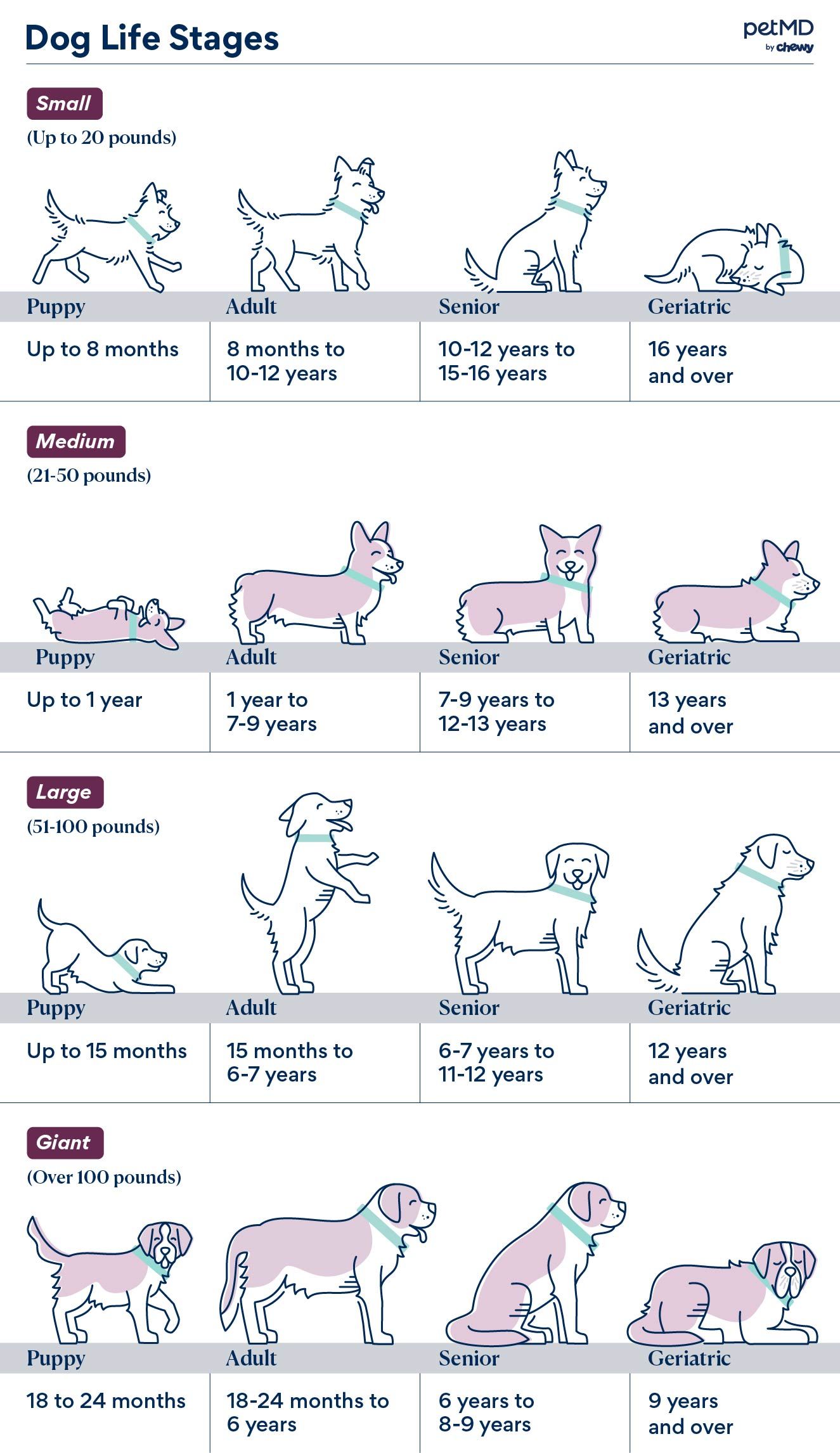
Credit: www.petmd.com
When Adult Dog Food Might Be Suitable
Adult dog food can sometimes be a good choice for senior dogs. It depends on the dog’s health, activity level, and vet advice. Not all senior dogs need special senior formulas. Some can stay healthy on adult food with the right care.
Healthy Senior Dogs
Some senior dogs remain active and healthy. Their bodies may still handle adult dog food well. These dogs do not show signs of illness or weight changes. Their energy levels stay steady. Adult dog food can meet their needs without extra supplements.
Veterinarian Recommendations
A vet’s advice is key for any diet change. They check the dog’s health and suggest the best food. Some vets say adult dog food is fine for certain seniors. They watch for signs of joint, weight, or digestion issues. Follow the vet’s plan to keep the dog healthy.
Transitioning Diets
Switching a senior dog to adult food needs care. Do it slowly over several days. Mix a small amount of adult food with the senior food. Gradually increase the new food while reducing the old. This helps avoid stomach upset or refusal to eat.
Choosing The Right Food For Your Senior Dog
Choosing the right food for your senior dog is very important. Older dogs have different needs than younger dogs. Their bodies change, and so do their diets. Feeding your senior dog the right food helps keep them healthy and happy. It supports their joints, digestion, and energy levels.
Reading Labels
Always check the food label carefully. Look for the guaranteed analysis section. It shows protein, fat, fiber, and moisture levels. Senior dog food usually has less fat and more fiber. This helps with weight control and digestion. Also, check the calorie content. Older dogs need fewer calories than adults.
Ingredients To Look For
Choose foods with high-quality proteins like chicken or fish. These help maintain muscle strength. Foods with added vitamins and minerals support overall health. Ingredients like glucosamine and chondroitin help joint health. Fiber from vegetables aids digestion. Avoid foods with fillers like corn or soy. They offer little nutrition and can cause allergies.
Consulting Your Vet
Your vet knows your dog’s health best. Talk about any special needs or health problems. Your vet can recommend the best food type and brand. They can also suggest supplements if needed. Regular check-ups help adjust diet as your dog ages. Trust your vet’s advice for a healthy diet plan.
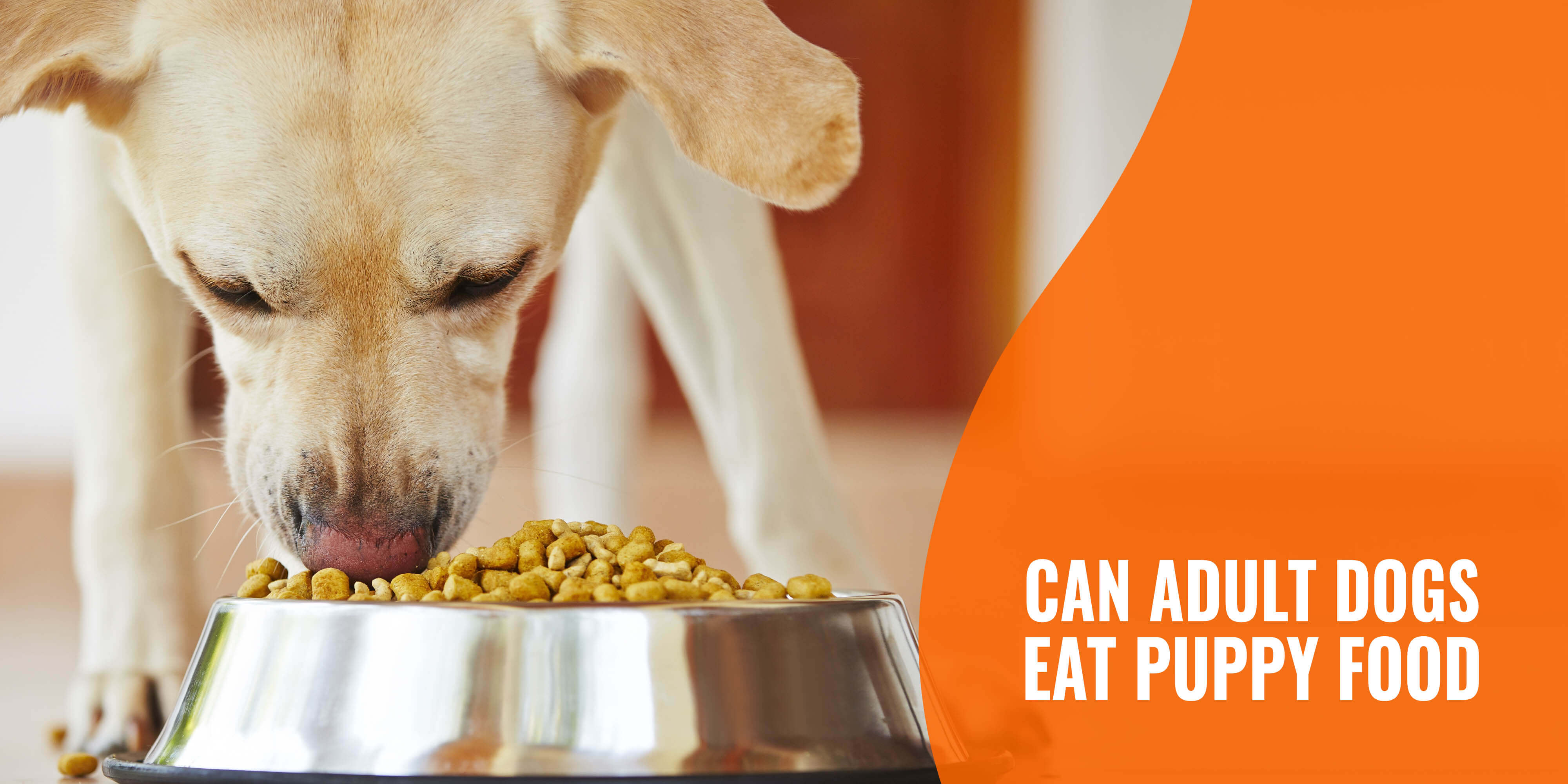
Credit: parkavenuetavern.com
Tips For Switching To Senior Dog Food
Switching your dog to senior food needs care and patience. Senior dog food has different nutrients to support aging dogs. Making the change slowly helps avoid stomach upset and keeps your dog happy.
Watch your dog closely during this time. Small changes in health or behavior can show how well the new food suits them. Adjusting portion sizes can also help keep your dog at a healthy weight.
Gradual Transition
Start by mixing a small amount of senior food with the current adult food. Increase the senior food portion over 7 to 10 days. This slow change helps your dog’s digestive system adjust easily. Avoid switching suddenly to prevent stomach problems.
Monitoring Health Changes
Check your dog’s energy level and coat condition daily. Notice any changes in stool or appetite. Report any unusual symptoms to your vet. Good health signs show the new food works well for your dog’s needs.
Adjusting Portion Sizes
Older dogs often need fewer calories to avoid weight gain. Use feeding guidelines on the senior food package as a start. Change portions based on your dog’s activity and weight. Keep your dog fit by avoiding overfeeding or underfeeding.
Frequently Asked Questions
Can Senior Dogs Eat Adult Dog Food Safely?
Senior dogs can eat adult dog food, but it may lack essential nutrients. Senior-specific formulas support joint health, digestion, and lower calorie needs. Consult your vet to ensure your senior dog receives proper nutrition for their age and health condition.
What Are The Risks Of Feeding Adult Food To Senior Dogs?
Feeding adult food to senior dogs can cause weight gain and nutrient imbalances. Adult food may lack joint support ingredients like glucosamine. This can lead to arthritis or digestive issues. Always check with a veterinarian before changing your senior dog’s diet.
How To Transition A Senior Dog To Adult Dog Food?
Transition senior dogs gradually over 7-10 days by mixing increasing amounts of adult food with senior food. This helps prevent digestive upset. Monitor your dog’s health and appetite during this period. Consult your vet if any issues arise during the transition.
When Should I Switch My Senior Dog From Adult Food?
Switch your dog to senior food around 7 years old or as advised by your vet. Senior formulas cater to aging needs like lower calories and joint support. Regular vet checkups will help determine the best time to change their diet.
Conclusion
Senior dogs have different needs than adult dogs. Feeding them adult dog food might not meet those needs. Choose food that supports their health and energy. Talk to your vet about the best diet for your senior dog. Watch your dog’s weight and energy levels closely.
Healthy food helps them live longer and feel better. Always put your dog’s comfort and health first. Small changes can make a big difference in their life. Keep your senior dog happy with the right nutrition.


