

Are you wondering if it’s okay to feed your adult dog puppy food? You’re not alone.
Many dog owners ask this question because they want the best for their furry friends. Puppy food is packed with nutrients, but is it really the right choice once your dog grows up? What could happen if you keep feeding puppy food to an adult dog?
Keep reading to discover the surprising facts that every dog owner needs to know before making this important decision for your pet’s health and happiness.
Differences Between Puppy And Adult Dog Food
Understanding the differences between puppy and adult dog food helps you choose the best diet for your pet. Puppy food supports growth and development. Adult dog food maintains health and energy levels. Feeding the wrong type can affect your dog’s well-being.
Nutritional Needs By Age
Puppies need more protein and fat than adult dogs. These nutrients support muscle growth and brain development. Adult dogs require balanced nutrition to keep their weight and energy steady. Their bodies focus on maintenance, not growth.
Calorie Content Comparison
Puppy food contains more calories per serving. Growing dogs burn more energy daily. Adult dog food has fewer calories to prevent weight gain. Overfeeding adults with puppy food can lead to obesity.
Key Ingredients Variations
Puppy food has added vitamins and minerals for strong bones and immunity. Ingredients like DHA help brain and eye development. Adult formulas focus on joint health and digestion support. The ingredient mix differs to match life stages.
Potential Benefits Of Feeding Puppy Food To Adults
Feeding adult dogs puppy food might seem unusual. Still, there are some situations where it offers real benefits. Puppy food has more nutrients and calories that can help certain adult dogs stay healthy and strong.
This section explores key benefits of feeding puppy food to adult dogs. Learn how it can support their energy, growth, and recovery.
Enhanced Nutrient Intake
Puppy food contains higher levels of protein and fat. These nutrients support muscle maintenance and energy needs. Adult dogs with high activity or special health needs may benefit from this extra nutrition. This food also has more vitamins and minerals. These help keep dogs healthy and support their body functions.
Support For Active Or Working Dogs
Active dogs burn more calories daily. Working dogs need extra energy to perform tasks well. Puppy food provides dense energy and nutrients. This helps maintain stamina and strength. Feeding puppy food can keep these dogs in top condition. It meets their increased energy demands better than adult dog food.
Aid In Weight Gain Or Recovery
Some adult dogs struggle to gain weight or recover from illness. Puppy food offers more calories to support weight gain. Its rich nutrients can help heal and rebuild body tissue. Dogs recovering from injury or surgery may benefit from this diet. It gives them the fuel needed for faster recovery.
Risks Of Feeding Puppy Food To Adult Dogs
Feeding puppy food to adult dogs can cause several health problems. Puppy food is made for growing dogs, not for adults. It has higher calories and different nutrients that adult dogs may not need.
Adult dogs need a balanced diet for their slower metabolism. Using puppy food might upset this balance and lead to risks.
Overnutrition And Obesity
Puppy food contains more calories to support growth. Adult dogs do not need this many calories. Eating too much energy can lead to weight gain. Obesity causes joint pain, heart problems, and shorter life span.
Imbalanced Nutrient Ratios
Puppy food has extra protein and fat. Adult dogs need fewer of these nutrients. Too much protein or fat can harm kidneys and liver. It can also cause skin and coat problems. Balanced nutrients keep dogs healthy and active.
Possible Digestive Issues
Adult dogs’ digestive systems differ from puppies’. Puppy food may upset their stomachs. It can cause diarrhea, gas, or vomiting. Digestive discomfort lowers a dog’s quality of life.
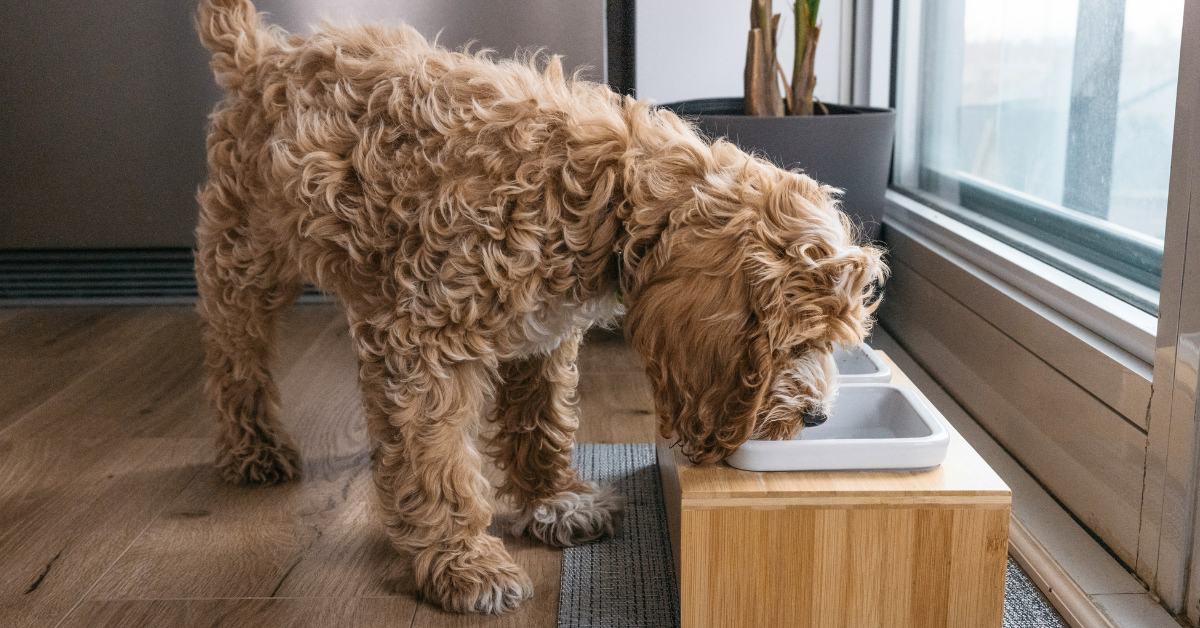
Credit: www.acanapetfoods.co.uk
When Puppy Food Might Be Appropriate For Adults
Puppy food is made with extra nutrients to support growth. Adult dogs usually do not need such high levels of protein and fat. Still, there are times when puppy food might help adult dogs stay healthy. Some health issues or special conditions can require richer food.
Feeding adult dogs puppy food is not common. It is best for certain cases where more energy or nutrients are needed. Knowing when to use puppy food can keep your dog strong and active.
Specific Health Conditions
Some adult dogs have health problems that need more nutrition. Dogs recovering from surgery or illness may benefit from puppy food. It helps them regain weight and strength faster. Dogs with a high metabolism or weight loss may also need extra calories. Puppy food can support these needs better than adult food.
Senior Dogs With Special Needs
Older dogs sometimes face muscle loss and low energy. Puppy food’s richer nutrients can help slow these effects. It may improve coat health and support joints. Some senior dogs need a diet with more protein and fat. Puppy food can provide these nutrients in the right amounts.
Veterinarian Recommendations
Always check with a vet before changing your dog’s diet. Vets may suggest puppy food for special cases. They know your dog’s health history and needs. Following their advice ensures your dog gets the right nutrition. Vets can guide you on how long to feed puppy food safely.
How To Transition Between Puppy And Adult Food
Switching your dog from puppy food to adult food needs care and patience. This change supports their growing body and health. A sudden switch can upset their stomach or cause picky eating. Follow a careful plan to help your dog adjust smoothly.
Gradual Switching Process
Start mixing a small amount of adult food with puppy food. Increase adult food and reduce puppy food over 7 to 10 days. This slow change helps your dog’s digestive system adapt. Avoid switching all at once to prevent stomach problems.
Monitoring Dog’s Response
Watch your dog’s appetite and energy during the switch. Check for signs like vomiting, diarrhea, or constipation. Notice if your dog seems less interested in eating. If problems arise, slow down the transition or consult your vet.
Adjusting Portion Sizes
Adult dogs need fewer calories than puppies. Reduce portion sizes according to your dog’s weight and activity. Follow feeding guidelines on the adult food package. Adjust portions if your dog gains or loses weight during the switch.
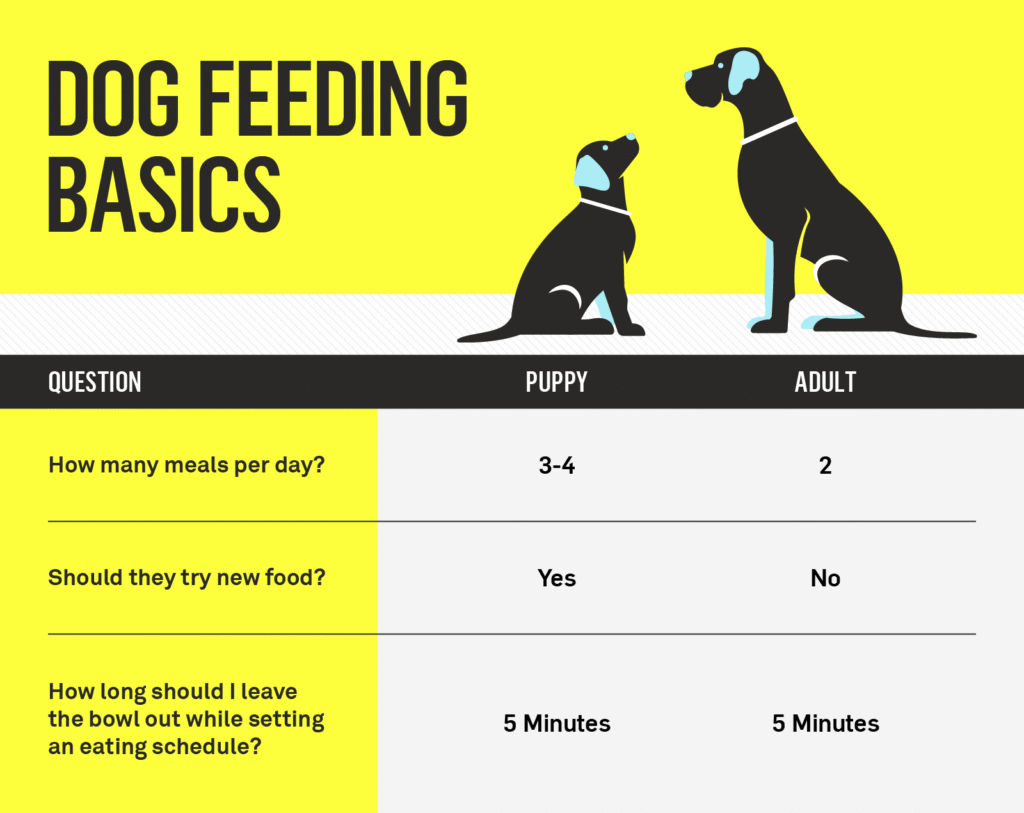
Credit: www.gallant.com
Alternative Diet Options For Adult Dogs
Adult dogs need diets made for their stage of life. Puppy food often has extra calories and nutrients. This can cause weight gain or health problems for adults. Many good diet options exist for adult dogs. These choices support health and energy levels. They also match changing needs as dogs grow older.
Choosing the right diet helps keep your dog strong. It can prevent common issues like obesity or joint pain. Let’s explore some popular alternative diet options for adult dogs.
Senior Dog Formulas
Senior dog foods are made for older dogs. They have fewer calories and more fiber. This helps with digestion and weight control. These formulas often include ingredients for joint health. They may contain glucosamine and omega-3 fatty acids. These support mobility and reduce inflammation. Senior formulas help dogs age comfortably and stay active.
Weight Management Diets
Weight management diets are for dogs that need to lose weight. These foods have fewer fats and calories. They often include added fiber to help dogs feel full. Controlled portions prevent overeating. Maintaining a healthy weight reduces the risk of diseases. These diets support overall health and longer life.
Homemade And Raw Food Choices
Some dog owners prefer homemade or raw diets. Homemade meals use fresh ingredients like meat, rice, and vegetables. Raw diets include uncooked meat and bones. These diets offer control over what your dog eats. They can be nutritious if balanced correctly. Consult a vet to ensure meals meet your dog’s needs. Proper preparation avoids health risks from bacteria.
Expert Tips For Choosing The Right Dog Food
Choosing the right food for your adult dog is very important. The food affects their health, energy, and happiness. Many dog owners wonder if puppy food is okay for adult dogs. Experts suggest focusing on the dog’s needs and food quality. Here are some expert tips to help you pick the best food for your dog.
Reading Dog Food Labels
Start by checking the food label carefully. Look for the ingredients list and guaranteed analysis. Protein should be high and come from real meat. Avoid foods with too many fillers like corn or soy. Check if the food meets AAFCO standards for your dog’s life stage. This ensures the food has balanced nutrition.
Consulting With Veterinarians
Talk to your vet about your dog’s diet. Vets know your dog’s health and can suggest the best food. They can advise if puppy food suits your adult dog. They also help with special needs like allergies or weight control. Regular vet visits keep your dog’s diet on track.
Considering Breed And Activity Level
Different breeds have different needs. Small dogs may need food with more calories per serving. Large breeds often need food that supports joint health. Active dogs need more energy and protein. Less active dogs need fewer calories to avoid weight gain. Match the food to your dog’s lifestyle for best results.
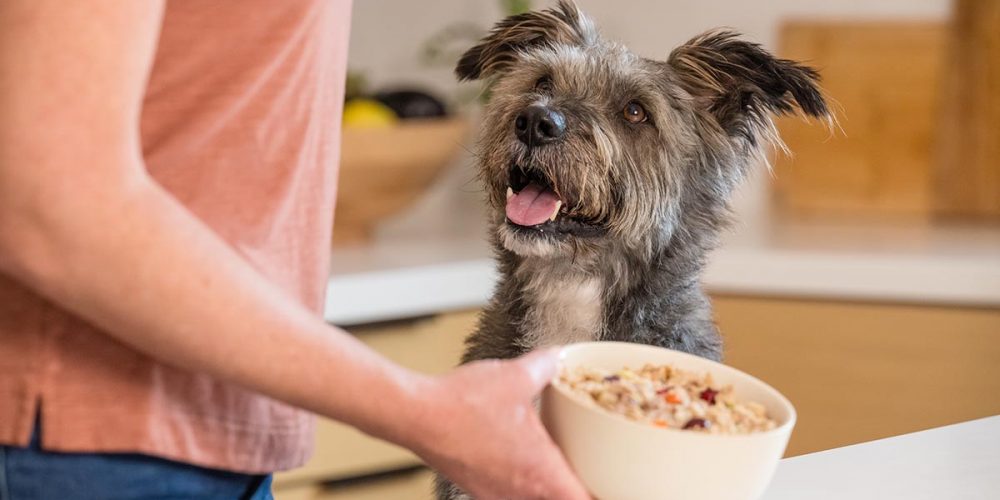
Credit: blog.justfoodfordogs.com
Frequently Asked Questions
Can Adult Dogs Eat Puppy Food Safely?
Adult dogs can eat puppy food occasionally, but it’s not ideal. Puppy food has more calories and nutrients, which can lead to weight gain and digestive issues in adults.
What Happens If Adult Dogs Eat Puppy Food Regularly?
Regularly feeding adult dogs puppy food may cause obesity and nutrient imbalance. Puppy food is richer to support growth, which adults don’t require.
Is Puppy Food Better For All Dog Breeds?
Puppy food is formulated for growing dogs, not breed-specific needs. Adult dogs of all breeds should eat age-appropriate food for balanced nutrition.
Can Feeding Puppy Food Cause Health Issues In Adults?
Yes, excess calories and nutrients in puppy food can cause digestive upset, obesity, and joint problems in adult dogs over time.
Conclusion
Feeding adult dogs puppy food is not usually the best choice. Puppy food has more calories and nutrients meant for growth. Adult dogs can gain weight or have stomach issues. Stick to food made for adult dogs to keep them healthy.
Always check with a vet before changing your dog’s diet. Your dog’s health and happiness come first. Choose food that fits their age and activity level. This helps them stay strong and full of energy. Simple steps keep your dog happy and well-fed.


