

Are you wondering if feeding your adult dog puppy food is a good idea? It’s a common question many dog owners have.
You want the best for your furry friend, but could giving them puppy food actually cause harm? Understanding what’s inside that bag and how it affects your dog’s health is key. Keep reading to discover the surprising facts about puppy food and why choosing the right diet matters more than you think.
Your dog’s well-being depends on it.
Puppy Food Ingredients
Puppy food is specially made to support young dogs’ growth and health. The ingredients differ from adult dog food. These differences meet the needs of puppies as they grow fast and need more energy and nutrients. Understanding these ingredients helps decide if puppy food suits adult dogs.
Key Nutrients In Puppy Food
Puppy food contains extra protein. Protein helps build strong muscles and tissues. It also has more fats than adult food. Fats provide energy and help brain development. Vitamins like A, D, and E are in higher amounts. These vitamins support bones, skin, and the immune system. Minerals like calcium and phosphorus are crucial too. They help puppies’ bones grow healthy and strong.
Calorie Content Differences
Puppy food has more calories per serving. Puppies need this energy to grow and play. Adult dogs usually require fewer calories. Too many calories can cause weight gain in adults. This can lead to health problems like joint pain and heart issues. Feeding adult dogs puppy food regularly may not be ideal. Calorie balance is key for a healthy adult dog.
Adult Dog Dietary Needs
Adult dogs have different dietary needs than puppies. Their bodies do not grow rapidly anymore. Instead, they need food that supports steady energy and good health. Feeding an adult dog the right diet helps keep their weight in control. It also supports their immune system and keeps their coat shiny.
Choosing food made for adult dogs is important. It matches their activity level and metabolism. This section explores what adult dogs need in their diet. It also covers common health issues linked to diet choices.
Nutritional Requirements
Adult dogs need balanced protein, fats, and carbohydrates. Protein helps maintain muscles. Fat gives energy and supports brain health. Carbohydrates provide fuel but should be limited.
Adult dog food has less fat and calories than puppy food. This prevents weight gain in less active dogs. Vitamins and minerals support bones, skin, and organs. Fiber aids digestion and keeps the gut healthy.
Common Health Concerns
Feeding puppy food to adults can cause problems. Excess calories may lead to obesity. This increases risks for diabetes and joint pain.
Too much calcium from puppy food can harm adult bones. Digestive upset may happen from inappropriate nutrient levels. Over time, poor diet can reduce energy and cause skin issues.
Choosing food that fits an adult dog’s needs helps avoid these issues. It supports long-term health and vitality.
Effects Of Puppy Food On Adults
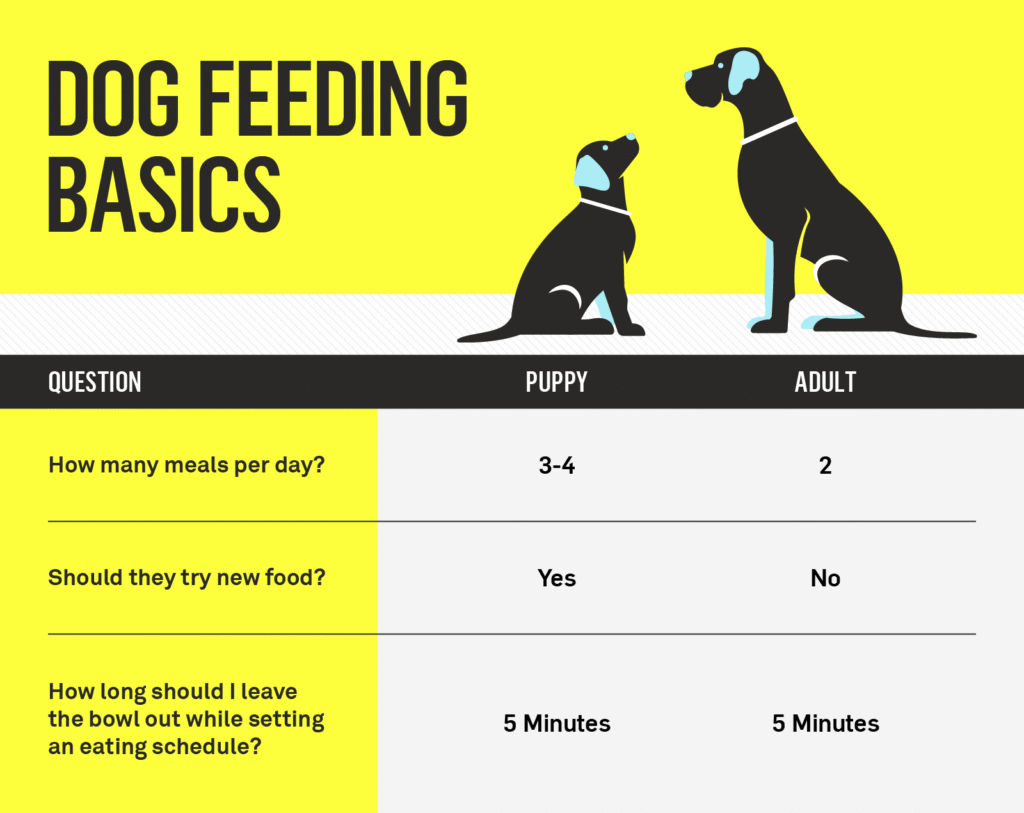
Puppy food is made to help young dogs grow fast and strong. It has more calories and nutrients than adult dog food. Feeding puppy food to adult dogs can cause some problems. These effects can change a dog’s health and comfort over time.
Understanding these effects helps pet owners choose the right food. Adult dogs have different needs than puppies. Puppy food may not suit their bodies well.
Weight Gain Risks
Puppy food has more fat and calories than adult food. Adult dogs eating it often can gain extra weight. This can lead to obesity and related problems. Extra weight stresses joints and organs. It can shorten a dog’s life.
Digestive Impact
Puppy food is richer and harder to digest for adults. Some dogs may get upset stomachs. Symptoms include diarrhea, gas, or vomiting. Their digestive system may not handle the extra nutrients well. This causes discomfort and health issues.
Long-term Health Effects
Feeding adult dogs puppy food for a long time can cause health issues. Excess nutrients can harm organs like kidneys and liver. It can also cause imbalanced vitamins and minerals. This leads to weak bones and poor overall health. Balanced adult food supports long, healthy lives better.
Credit: www.gallant.com
When Puppy Food Might Help
Puppy food is designed with extra nutrients to support growth and energy needs. Sometimes, adult dogs benefit from these extra nutrients. Not all adult dogs thrive on regular adult dog food. Certain situations call for the richer formula found in puppy food. Here are some cases where puppy food might help adult dogs recover or stay healthy.
Growth Recovery Cases
Adult dogs recovering from illness or surgery need more nutrition. Puppy food can support faster healing. Its higher protein and fat content help rebuild muscle and energy. Dogs that lost weight may regain strength using puppy food. The extra vitamins and minerals aid in tissue repair and immune support. This food supports dogs during tough recovery times.
Senior Dogs With Special Needs
Some older dogs need more calories to maintain weight. Puppy food provides extra energy that helps these dogs stay active. It also contains nutrients that support brain and joint health. For senior dogs with poor appetite, the richer taste can encourage eating. Puppy food can be a helpful option to keep them healthy. Always check with a vet before changing diets.
Choosing The Right Food
Feeding your adult dog the right food is important for their health. Puppy food has different nutrients that adult dogs may not need. Choosing the correct food helps keep your dog active and healthy. You need to think about your dog’s age, size, and health condition.
Check the food ingredients and nutrient levels carefully. The best food supports your dog’s energy and body functions. Making a good choice avoids problems like weight gain or nutrient deficiency.
Reading Dog Food Labels
Look closely at the food label. It shows the ingredients and nutrient amounts. Find food made for adult dogs, not puppies. Protein, fat, and calories should match adult dog needs. Avoid foods with too many fillers or artificial ingredients. Labels also show if the food meets health standards.
Consulting Your Veterinarian
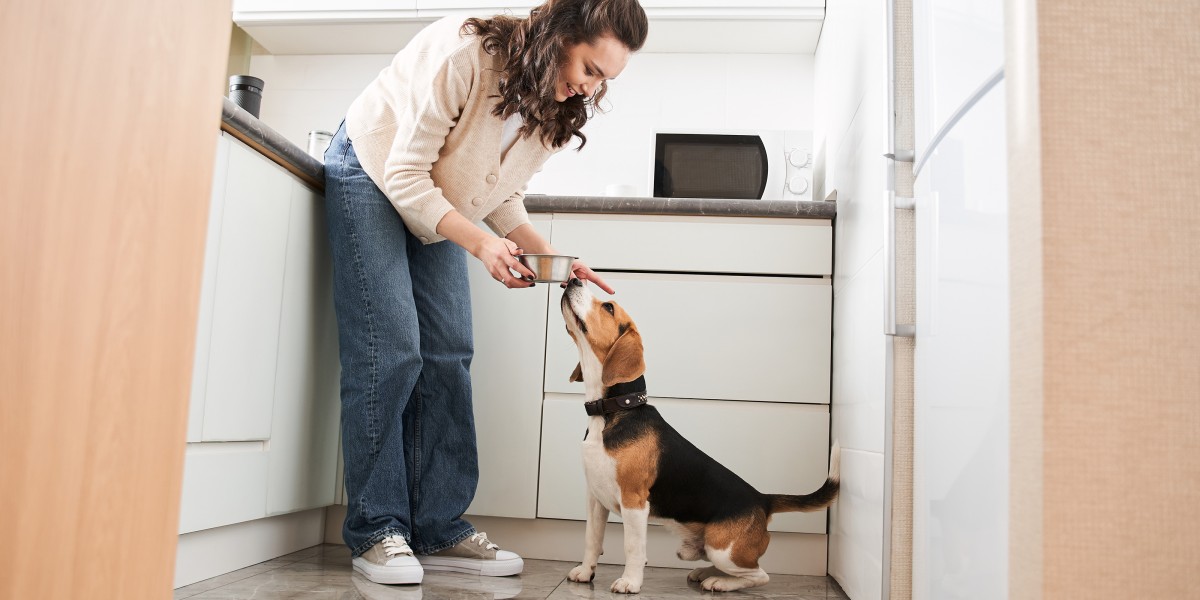
Your vet knows your dog’s health best. Talk to them about the right food type. They can suggest brands and formulas based on your dog’s condition. Vets help with special diets for allergies or illnesses. Regular check-ups ensure the food stays suitable as your dog ages.
Credit: www.purina.com
Alternatives To Puppy Food
Choosing the right food for adult dogs is important for their health. Puppy food has more nutrients meant for growing dogs. Adult dogs need a balanced diet that matches their energy and health needs. Many alternatives to puppy food offer proper nutrition without overfeeding certain nutrients. These options help maintain a healthy weight and support long-term wellness.
Adult Dog Formulas
Adult dog formulas are made specifically for grown dogs. They have the right amount of protein and fat. These foods support muscle maintenance and energy levels. Vitamins and minerals in adult formulas help keep dogs healthy. Many brands offer options for different sizes and breeds. Switching to adult dog food helps avoid problems from too many nutrients in puppy food.
Homemade Diet Options
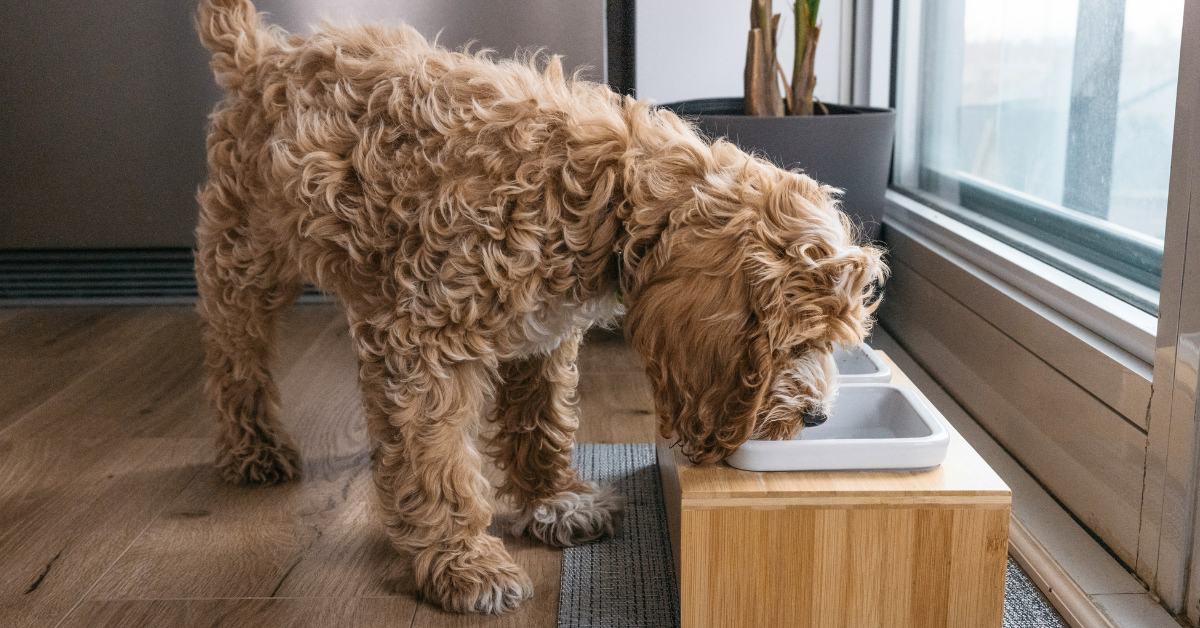
Homemade diets let owners control ingredients and quality. Fresh vegetables, lean meats, and grains can make balanced meals. It is important to include all nutrients dogs need. Consulting a vet or pet nutritionist ensures safety and balance. Homemade food can be adjusted for allergies or special needs. Preparing meals at home gives dogs fresh, tasty options.
Credit: www.acanapetfoods.co.uk
Frequently Asked Questions
Is Puppy Food Safe For Adult Dogs?
Puppy food is generally safe but not ideal for adult dogs. It contains higher calories and nutrients meant for growth. Feeding it long-term may cause weight gain or nutrient imbalance in adults. For best health, transition to adult dog food after puppyhood.
What Happens If Adult Dogs Eat Puppy Food?
Adult dogs eating puppy food occasionally are usually fine. However, regular feeding can lead to excess calories and nutrients. This may cause obesity or digestive issues. Always monitor your dog’s health and consult a vet for proper diet advice.
Can Adult Dogs Digest Puppy Food Properly?
Yes, adult dogs can digest puppy food, but the nutrient content differs. Puppy food is richer in protein and fat for growth needs. Adults require balanced nutrition for maintenance, so a diet designed for adults is better suited long-term.
Should I Switch Adult Dogs From Puppy Food?
Yes, switch adult dogs to adult-formulated food once they reach maturity. Puppy food supports rapid growth and higher energy levels. Adult food provides balanced nutrients for maintenance and health. Consult your vet to determine the right time to transition.
Conclusion
Adult dogs need food made just for them. Puppy food has extra nutrients that adults do not require. Feeding puppies food to adult dogs can cause weight gain and upset stomachs. Choose dog food that fits your dog’s age and health needs.
This keeps them healthy and happy for longer. Always check with your vet before changing food. Good nutrition supports a strong body and shiny coat. Simple care makes a big difference in your dog’s life.


