

Are you wondering if dog breeding can be a profitable venture for you? You’re not alone.
Many people see the idea of breeding dogs as a way to earn money while doing something they love. But is it really that simple? Before you dive in, it’s important to understand the true costs, challenges, and rewards involved.
You’ll discover what it takes to make dog breeding profitable and whether it’s the right path for your goals. Keep reading to get the full picture and make an informed decision.

Credit: www.aol.com
Profit Potential In Dog Breeding
Dog breeding can be a profitable venture for many people. The profit depends on several factors that affect costs and income. Understanding these elements helps breeders make smart decisions. Profit potential varies widely across different situations and breeds.
Factors Influencing Profitability
Profit in dog breeding depends on the cost of care and sale price. Health care, food, and training add to expenses. Quality breeding stock costs more but can bring higher prices. Time and effort spent on breeding also affect profits. Market demand and competition influence how much breeders can earn.
Breed Selection And Market Demand
Choosing the right breed is key to making a profit. Popular breeds often sell faster and at better prices. Rare or designer breeds might attract higher prices but sell slower. Breeds with health problems can increase costs and reduce profit. Researching local demand helps breeders pick breeds that sell well.
Initial Investment And Expenses
Starting a dog breeding business requires upfront costs. Purchasing breeding dogs is often the largest expense. Setting up proper housing and buying supplies adds to the cost. Veterinary care and vaccinations are ongoing expenses. Budgeting for emergencies is important for financial stability.
Costs Involved In Dog Breeding
Dog breeding involves many costs that affect overall profit. Understanding these expenses helps plan your budget. Costs go beyond just buying puppies or selling them. Proper care and legal steps cost money too.
Veterinary Care And Health Testing
Healthy dogs mean good breeding results. Regular vet visits keep dogs in good shape. Health tests check for genetic problems. These tests prevent passing diseases to puppies. Vaccinations and parasite treatments are essential. Vet bills can add up quickly.
Food And Shelter Expenses
Quality food keeps dogs strong and healthy. Feeding breeding dogs and puppies requires a big budget. Clean and safe shelter protects dogs from weather. Bedding and cleaning supplies are needed every day. Proper space reduces stress and improves breeding success.
Licensing And Legal Requirements
Breeding dogs often needs licenses or permits. Rules vary by location but must be followed. Registration of puppies is part of the process. Some places require inspections or specific standards. Failing to comply can lead to fines or closure.
Revenue Streams From Breeding
Breeding dogs can bring in money through different ways. Knowing these helps breeders plan better. Revenue comes from more than just selling puppies. There are other streams that add up.
Selling Puppies
The main income is from selling puppies. Prices depend on breed, health, and pedigree. High demand breeds often sell faster. Puppies with good health checks and vaccinations earn more. Responsible breeders gain trust and repeat buyers.
Stud Services
Stud services offer extra income. Male dogs mate with females from other owners. Fees vary by breed and dog’s quality. This service needs careful health checks. It can bring steady money without raising puppies.
Additional Income Opportunities
Breeders can earn by selling dog care products. Training classes and grooming services attract dog owners. Some offer boarding for dogs during trips. Sharing knowledge through blogs or books also helps. These options support income beyond breeding.

Credit: www.amazon.com
Challenges Affecting Profit Margins
Dog breeding can seem like a good way to earn money. Still, many challenges can lower profit margins. These problems can make breeding harder and less rewarding. Understanding these challenges helps breeders prepare better and avoid losses.
Health Risks And Genetic Issues
Breeding dogs often face health problems. Some dogs carry genes for diseases. These problems can pass to puppies. Sick puppies need extra care and vet visits. This increases costs and lowers profits. Breeders must test dogs for health issues. Ignoring this risks bad health and unhappy buyers.
Market Saturation
Many breeders sell similar dog breeds. Too many sellers reduce prices. Buyers have many options and often wait for lower prices. This lowers how much breeders can charge. New breeders find it hard to enter the market. Standing out needs extra work and money.
Time And Labor Investment
Breeding requires a lot of time and work. Taking care of dogs needs daily effort. Training and socializing puppies take weeks. Paperwork and legal rules add more tasks. Many breeders work long hours with little rest. This time and effort cut into profits.
Strategies To Maximize Earnings
Maximizing earnings in dog breeding requires smart planning and clear strategies. Focus on what buyers want and build a good reputation. Use marketing to reach more people. These steps help increase profits steadily.
Selecting High-demand Breeds
Choose breeds popular in your area. Research trends and buyer preferences. Some breeds sell faster and at higher prices. Focus on breeds with good health and temperament. Avoid rare breeds with low demand. This saves time and increases sales chances.
Maintaining Quality And Reputation
Healthy puppies attract serious buyers. Provide proper care and vet checks. Keep breeding dogs healthy and happy. Follow ethical breeding practices to avoid problems. Positive reviews and repeat customers build trust. A strong reputation leads to steady income.
Effective Marketing Techniques
Use clear photos showing puppies’ best features. Write simple, honest descriptions. Share updates on social media and local groups. Create a website with contact details and testimonials. Respond quickly to inquiries. Good marketing brings more buyers and higher prices.
Legal And Ethical Considerations
Dog breeding can offer financial rewards, but it also carries legal and ethical duties. These duties protect dogs and help breeders succeed long-term. Understanding these rules ensures responsible breeding that respects animals and satisfies buyers.
Animal Welfare Standards
Breeders must keep dogs healthy and happy. Proper food, clean homes, and regular vet visits are essential. Avoid breeding dogs with health problems or poor temperaments. Good care prevents suffering and improves puppies’ quality.
Compliance With Breeding Regulations
Follow local laws on dog breeding strictly. These laws cover kennel sizes, licenses, and record keeping. Ignoring rules can lead to fines or business closure. Staying legal shows professionalism and protects your investment.
Building Trust With Buyers
Buyers want healthy, well-socialized puppies. Provide clear health histories and honest answers. Transparency builds strong reputations and repeat customers. Trust leads to better sales and fewer disputes.
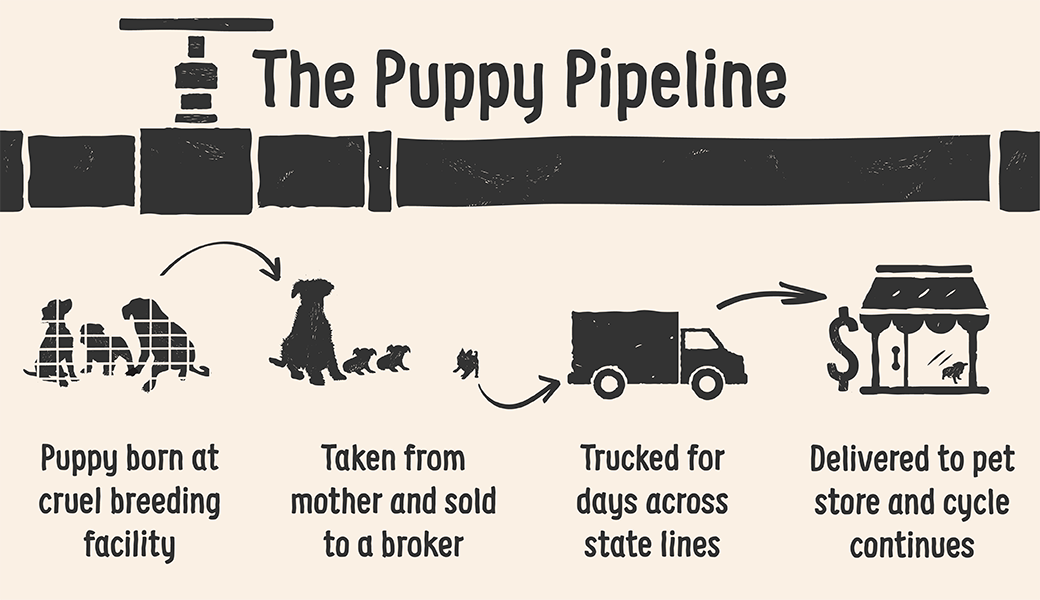
Credit: www.aspca.org
Frequently Asked Questions
Is Dog Breeding A Profitable Business?
Dog breeding can be profitable with proper knowledge and planning. Profit depends on breed demand, health care costs, and marketing. Responsible breeders focus on quality, which can increase value and reputation, leading to better sales and profits.
What Factors Affect Dog Breeding Profitability?
Profitability depends on breed popularity, initial investment, health expenses, and marketing efforts. High-quality breeding requires vet care, proper nutrition, and ethical practices, which impact costs and profits. Market demand and reputation also play key roles in success.
How Much Can You Earn From Dog Breeding?
Earnings vary widely based on breed, litter size, and sales price. Profitable breeders can earn from a few hundred to thousands per litter. However, expenses like vet bills and care reduce net income, so realistic financial planning is essential.
What Are The Risks In Dog Breeding Business?
Risks include health problems, low demand, and high veterinary costs. Poor breeding practices can lead to genetic issues and legal troubles. Market fluctuations and unexpected expenses can reduce profitability and harm reputation.
Conclusion
Dog breeding can be profitable but requires careful planning. Costs like food, vet care, and training add up. Success depends on knowledge, time, and patience. Ethical breeding also means caring for dogs’ health and well-being. Profit should not come before the animals’ needs.
Research and dedication help create a responsible business. Think about long-term commitment, not just quick gains. Profits are possible with smart choices and hard work.


