

Have you ever wondered what breeding a dog really means? Whether you’re thinking about bringing new puppies into the world or simply curious about the process, understanding dog breeding is key.
It’s more than just pairing two dogs and hoping for the best. Your choices impact the health, behavior, and future of those puppies. Keep reading, and you’ll discover what goes into responsible breeding, the risks involved, and why it matters to you as a dog lover or potential breeder.
This knowledge could change the way you see dog breeding forever.
Credit: wdf-international.org
Basics Of Dog Breeding
Dog breeding is the process of mating selected dogs to produce puppies with specific traits. It requires knowledge about genetics, health, and behavior. Breeders aim to improve or maintain certain qualities in a breed. This practice needs care and responsibility to ensure the well-being of both parents and puppies.
Understanding the basics helps to appreciate the work behind breeding. It also highlights why breeders follow strict guidelines. The goal is to create healthy, happy dogs that meet breed standards.
Purpose Behind Breeding
Breeding dogs serves different purposes. Some breeders focus on preserving a breed’s original traits. Others aim to enhance traits like size, coat, or temperament. Some breed dogs for work, such as herding or hunting. Show dogs are bred to compete in dog shows. Many breeders want to produce healthy puppies with good genes. Each purpose shapes how breeding is planned and done.
Key Terminology
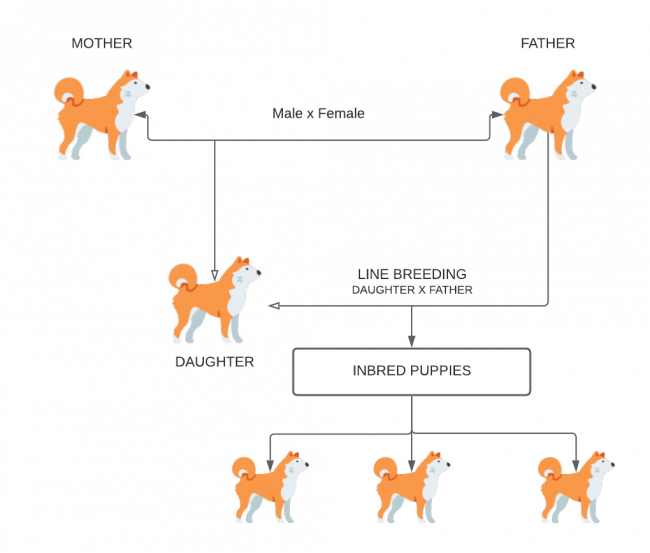
Knowing the terms helps to understand dog breeding better. “Sire” means the male parent dog. “Dam” refers to the female parent. “Litter” is a group of puppies born at once. “Pedigree” shows a dog’s family history. “Line breeding” is breeding dogs that are closely related. “Inbreeding” means mating very close relatives. These terms describe the breeding process and relationships between dogs.
Genetics And Traits
Breeding a dog involves passing traits from parents to puppies. Genetics plays a key role in this process. It shapes physical features, behavior, and health of dogs. Understanding genetics helps breeders make better choices.
Breeders study how traits move from one generation to another. This knowledge guides them to produce healthy and well-tempered dogs. Genetics also helps predict possible health problems. Careful selection leads to stronger and happier puppies.
Inheritance Patterns
Inheritance patterns show how traits pass through genes. Some traits are dominant, meaning one gene can show the trait. Others are recessive, needing two genes to appear. Breeders learn these patterns to predict puppy traits.
Coat color, size, and eye shape follow simple patterns. Behavior and health traits can be more complex. Breeders use genetic tests to understand these patterns better. This helps avoid unwanted traits in puppies.
Health Considerations
Genetics also affects a dog’s health risks. Some breeds carry genes for certain diseases. Breeders test parents for these genes to prevent passing them on. Healthy breeding reduces chances of illness in puppies.
Screening for hip dysplasia, heart problems, and eye diseases is common. Good breeders avoid breeding dogs with harmful genetic issues. This care improves the quality of life for future dogs.
Breeding Process
The breeding process is the careful act of producing puppies. It involves many steps to ensure healthy dogs and strong puppies. Each step matters for the future of the dogs and their offspring.
Understanding the breeding process helps you see how breeders work hard for good results. It starts with choosing the right dogs and ends with caring for the mother and her puppies.
Selecting Suitable Dogs
Selecting suitable dogs is the first step in breeding. Breeders look for dogs with good health, strong genes, and proper behavior. They avoid dogs with hereditary diseases or weak traits. Choosing healthy dogs leads to healthier puppies with fewer problems.
Mating Methods
Mating methods vary depending on the dogs and breeder’s choice. Natural mating is common, where dogs mate naturally. Sometimes, artificial insemination is used for special cases. Timing is important. The female must be in heat for the best chance of pregnancy.
Pregnancy And Whelping
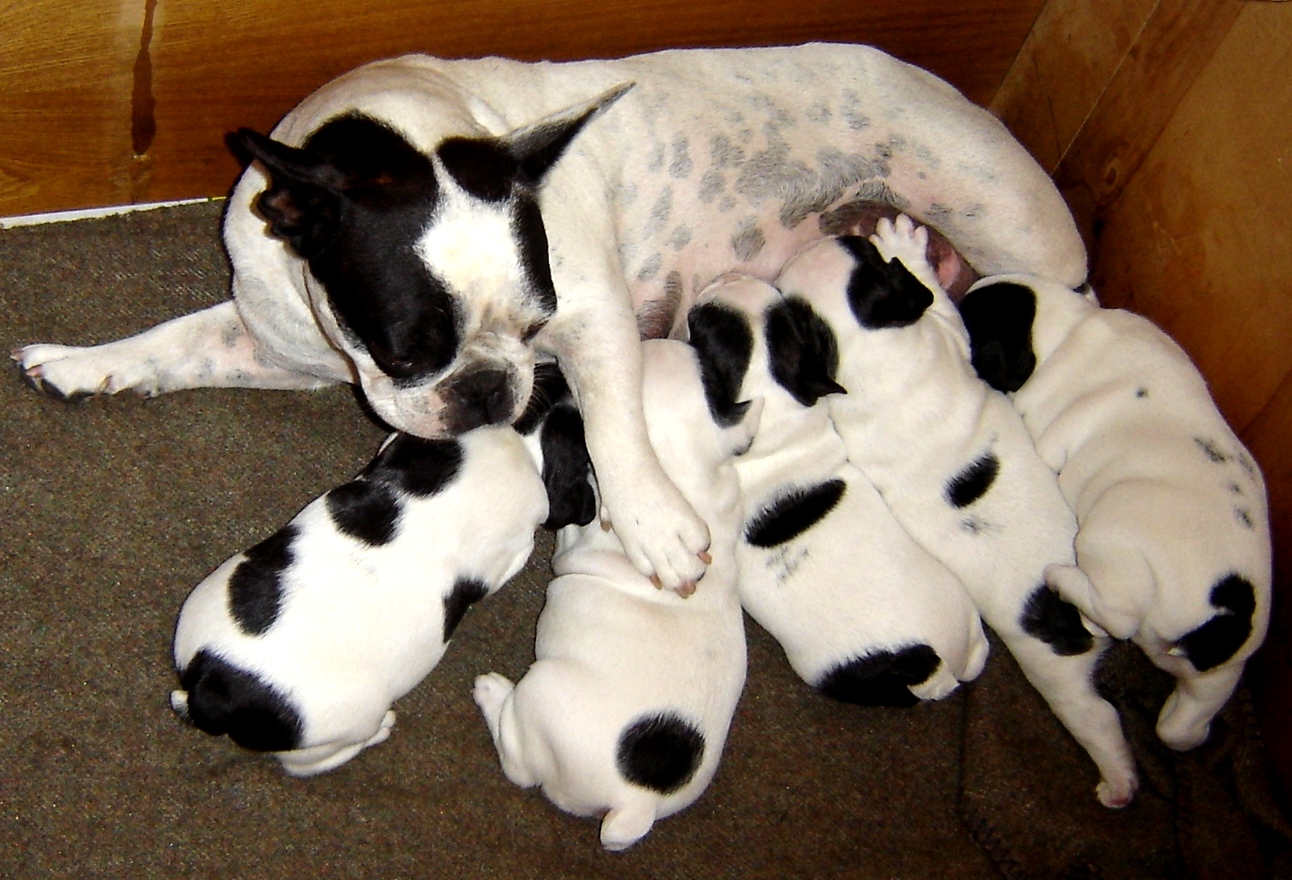
Pregnancy in dogs lasts about 63 days. During this time, the mother needs good food and a calm place. Whelping is the process of giving birth. It requires close attention to help the mother and puppies if problems arise. Clean and quiet space helps puppies start healthy lives.
Credit: en.wikipedia.org
Ethical Responsibilities
Breeding a dog carries serious ethical responsibilities. It is more than pairing animals to produce puppies. Responsible breeders focus on the health and wellbeing of both parents and puppies. They work to protect the breed and prevent harm to animals. Ethical breeding means caring deeply about each dog’s life and future.
Avoiding Overbreeding
Overbreeding causes many problems. It can lead to poor health in dogs. Responsible breeders limit the number of litters a dog has. This helps maintain the dog’s health and strength. Avoiding overbreeding also prevents crowding in shelters. It reduces the risk of puppies being born without proper care.
Ensuring Animal Welfare
Animal welfare is the top priority in breeding. Dogs must live in clean, safe, and loving environments. They need regular veterinary care and good nutrition. Breeders should watch for signs of illness or stress. Puppies must receive socialization and training to grow well. Ensuring welfare means respecting the dogs as living beings, not just breeding tools.
Common Challenges
Breeding a dog involves more than just pairing two animals. It has many challenges that breeders face daily. Understanding these common challenges helps prepare for responsible breeding. Two major concerns are health risks and behavioral issues.
Health Risks
Breeding can cause health problems for both the mother and puppies. Some dogs may have genetic diseases passed to their pups. Careful health checks before breeding lower these risks. Pregnant dogs need proper nutrition and vet care to stay healthy. Complications during birth can happen and need quick action. Ignoring health risks can lead to weak or sick puppies.
Behavioral Issues
Behavior problems often appear in puppies from poor breeding practices. Aggression, anxiety, or fear can be inherited. Socializing puppies early helps reduce bad behaviors. Breeders must choose parents with good temperaments. Training and gentle handling also shape a puppy’s behavior. Untrained puppies may grow up with serious behavior challenges.
Legal And Regulatory Aspects
Breeding a dog involves more than caring for puppies. It requires following rules set by the law. These rules protect animals and buyers. Understanding legal and regulatory aspects helps breeders stay safe and responsible.
Licensing Requirements
Most places require breeders to have a license. This license shows they meet health and safety standards. Licensing helps stop illegal breeding and puppy mills. To get a license, breeders must apply and pay fees. Inspectors may visit to check the facilities. Renewing the license is usually needed every year.
Breeding Regulations
Breeders must follow strict regulations about dog care. Rules cover space, cleanliness, and medical care for dogs. Breeding too many dogs is often restricted. Some regions limit how often a dog can have puppies. Records of each breeding and sale must be kept. These regulations ensure puppies grow up healthy and safe.
Alternatives To Breeding
Breeding dogs is not the only way to bring a pet into your home. Many people choose other paths to find their furry friends. These alternatives help reduce pet overpopulation and give dogs a second chance. They also support animals in need and promote responsible pet ownership.
Adoption Options
Adoption offers many dogs a loving home. Shelters and animal control centers have dogs waiting for families. These dogs come in all breeds, sizes, and ages. Choosing adoption saves lives and helps reduce stray populations. Many shelters provide health checks and vaccinations before adoption. Adoption is a simple way to make a big difference.
Supporting Rescue Groups
Rescue groups focus on specific breeds or types of dogs. They rescue dogs from poor conditions or high-kill shelters. Supporting these groups means helping dogs find safe homes. You can volunteer, donate, or even foster dogs temporarily. Rescue groups work hard to match dogs with the right owners. They also educate people about pet care and responsible ownership.

Credit: www.akc.org
Frequently Asked Questions
What Does Breeding A Dog Involve?
Breeding a dog means mating selected dogs to produce puppies. It focuses on specific traits like health and temperament. Responsible breeding ensures strong, healthy offspring that meet breed standards.
Why Is Dog Breeding Important?
Dog breeding preserves and improves dog breeds. It helps maintain genetic health and desired characteristics. Responsible breeding prevents hereditary diseases and supports breed diversity and quality.
How Do Breeders Choose Dogs For Breeding?
Breeders select dogs based on health, genetics, and behavior. They avoid dogs with hereditary issues. Choosing the right pair ensures better puppies and reduces health risks.
What Are The Risks Of Irresponsible Dog Breeding?
Irresponsible breeding can cause health problems and genetic defects. It may result in behavioral issues and weak puppies. Poor breeding harms dog welfare and breed reputation.
Conclusion
Breeding a dog means carefully choosing parents to have puppies. It takes time, care, and knowledge. Breeders focus on health, traits, and behavior. This helps keep dog breeds strong and happy. Breeding is more than just having puppies. It is a serious responsibility.
Understanding this helps you respect dogs and breeders. Always learn before you decide to breed or buy a dog. Good breeding leads to healthy, loving pets for many families.


