

Choosing the perfect dog breed for you is more than just picking a cute face. It’s about finding a furry friend who fits your lifestyle, personality, and home.
Imagine coming home to a dog that matches your energy, understands your needs, and makes every day better. But how do you know which breed is the right one? This guide will help you discover the key things to consider so you can make a choice you’ll be happy with for years to come.
Keep reading—your ideal companion is waiting.

Credit: bigstateplumbing.com
Assess Your Lifestyle
Choosing the right dog breed starts with knowing your lifestyle well. Dogs have different needs. Matching those needs with your daily life helps both you and your dog stay happy.
Think about where you live, how active you are, and your work schedule. These factors shape the kind of dog that fits you best.
Living Space Considerations
Space affects your dog’s comfort and health. Small apartments suit small dogs with low energy. Large homes with yards fit bigger, active breeds. Consider noise rules and neighbors too. Some dogs bark more and need space to play safely.
Daily Activity Levels
Dogs need exercise to stay healthy. Some breeds need long walks or runs. Others prefer short playtimes or rest. Match your activity level with your dog’s needs. A calm dog fits a quiet life. An active dog needs more movement and time outside.
Work Schedule Impact
Time at home matters for your dog’s well-being. Dogs feel lonely if left alone too long. Some breeds cope better with alone time. Others need company or regular breaks. Plan dog care if you work long hours. Consider dog walkers or pet daycare to help.

Credit: www.akc.org
Evaluate Temperament Needs
Choosing the right dog means thinking about how the dog will act. Temperament shows how a dog behaves with people and other pets. It helps you find a dog that fits your life and home. Understanding temperament helps avoid problems and builds a happy bond.
Family And Children Compatibility
Some dogs love kids and are gentle around them. Others may not like loud noises or quick moves. Dogs that are patient and calm work well with families. Look for breeds known for being kind and protective of children. This keeps both kids and dogs safe and happy.
Socialization And Friendliness
Friendly dogs enjoy meeting new people and other animals. They adapt well to different places and situations. Some breeds are shy or reserved and need more time to trust. Social dogs make walks and visits easier. They bring joy and comfort to many social settings.
Energy And Playfulness
Dogs have different levels of energy. Some need lots of play and exercise every day. Others are calm and enjoy resting more. Match a dog’s energy with your lifestyle. Active dogs need space and time to run. Quiet dogs fit well in small homes or apartments.
Consider Grooming Requirements
Choosing the right dog breed means thinking about grooming needs. Grooming affects your daily routine and the health of your dog. Some breeds need more care than others. Understanding grooming helps you find a dog that fits your lifestyle. This section breaks down important grooming factors.
Coat Types And Maintenance
Dogs have different coat types: short, long, curly, or double coats. Short coats need less brushing. Long and curly coats need regular combing to avoid mats. Double coats shed a lot during certain seasons. Some dogs need professional grooming often. Know the coat type before choosing a breed.
Shedding Levels
Shedding varies by breed and season. Some dogs shed a little all year. Others shed heavily twice a year. High shedding means more cleaning at home. Low shedding dogs keep your house cleaner. Choose a breed with shedding that matches your tolerance.
Allergy Concerns
Some dogs cause allergies more than others. Breeds with less shedding or hair loss are better for allergy sufferers. No dog is completely hypoallergenic, but some cause fewer reactions. Research breeds if allergies affect you or your family. This helps keep everyone comfortable and happy.
Understand Health Factors
Choosing the right dog breed means knowing about health factors first. Health affects your dog’s happiness and your costs. Understanding breed health helps avoid surprises. It guides you to a dog that fits your life.
Think about health issues, how long they live, and their exercise needs. These points shape your daily care and long-term plans.
Breed-specific Health Issues
Different breeds have unique health problems. For example, large dogs often face joint problems. Small breeds might have dental issues. Some breeds get breathing troubles from short noses. Learn about these problems early. It helps you prepare and choose wisely.
Lifespan Expectations
Each breed lives for a different time. Smaller dogs usually live longer than bigger ones. Knowing lifespan helps you plan your time together. It also affects your emotional and financial readiness. Choose a breed with a lifespan that suits you.
Exercise Needs For Health
Exercise keeps dogs healthy and happy. Active breeds need more running and playtime. Less active breeds need shorter walks. Match exercise needs to your lifestyle. This keeps your dog fit and avoids health problems.
Match Size With Environment
Choosing the right dog breed means matching its size with your living space. Size affects the dog’s comfort and your daily life. A large dog needs room to move freely. A small dog fits well in a small space. Think about your home and lifestyle before choosing.
Small Breeds For Apartments
Small dogs are perfect for apartment living. They need less space and less exercise. Breeds like Chihuahuas, Pugs, and Dachshunds adapt well to small homes. These dogs enjoy cozy spots and short walks. They stay happy without a big yard.
Medium Breeds For Families
Medium-sized dogs suit families with moderate space. They need daily exercise and playtime. Breeds such as Beagles, Cocker Spaniels, and Bulldogs fit well. These dogs are active but not too large to handle. They balance energy and comfort for family life.
Large Breeds For Open Spaces
Large dogs need room to run and explore. Big yards or countryside homes work best. Breeds like Golden Retrievers, Labradors, and German Shepherds thrive here. They need more exercise and space to stay healthy. Crowded spaces can cause stress for these dogs.
Explore Training And Intelligence
Choosing the right dog breed means thinking about training and intelligence. Dogs vary in how fast they learn and how much they need to be mentally active. These traits affect daily life and your bond with your dog.
Some breeds pick up commands quickly. Others need more time and patience. Understanding these differences helps you find a dog that fits your lifestyle and energy.
Ease Of Training
Some dog breeds learn commands very fast. They enjoy training and like to please their owners. These dogs do well with simple and clear instructions. Examples include Border Collies and Poodles.
Other breeds need more practice and repetition. They may get distracted or stubborn. Patience is important with these dogs. Training sessions should be short and fun to keep their interest.
Mental Stimulation Needs
Intelligent dogs need mental challenges daily. Without enough tasks, they may get bored or restless. Puzzles, games, and new tricks keep their minds sharp.
Less active dogs may be happy with fewer mental tasks. They enjoy simple playtime and rest. Knowing your dog’s mental needs helps prevent bad behavior.
Common Behavioral Traits
Smart dogs often show curiosity and problem-solving skills. They explore new things and learn quickly from experiences. These traits make training easier but require consistent attention.
Some breeds have independent or stubborn behaviors. They may test limits or ignore commands sometimes. Understanding these traits helps set realistic expectations and training methods.
Budget For Ownership Costs
Choosing the right dog breed means thinking about costs. Dogs need money for food, health care, and other things. Knowing these costs helps you decide which breed fits your budget. Planning ahead avoids surprises and keeps your dog happy and healthy.
Food And Supplies
Dogs eat different amounts depending on size and breed. Bigger dogs need more food. Quality food keeps your dog strong. Supplies like bowls, beds, and toys add to costs. Budget for regular replacement of these items.
Veterinary Expenses
Vet visits are a must for all dogs. Vaccines, check-ups, and medicine protect your dog’s health. Some breeds get sick more often. Emergency care can be costly. Save money for regular and unexpected vet bills.
Grooming And Training Costs
Grooming needs vary by breed. Some dogs need frequent haircuts and baths. Training helps dogs behave well and stay safe. Classes or trainers cost money but are worth it. Include grooming and training in your budget plan.
Research Popular Breeds
Researching popular dog breeds is a key step in choosing the right dog for you. Each breed has unique traits, energy levels, and care needs. Learning about these traits helps match a dog to your lifestyle. This research saves time and avoids future challenges. Below are some common breed categories to consider.
Top Dog Breeds For Beginners
Some dog breeds are easier for new owners to handle. These dogs usually have calm temperaments and friendly personalities. Examples include the Labrador Retriever, Cavalier King Charles Spaniel, and Beagle. They adapt well to families and first-time dog owners. These breeds often require moderate exercise and simple grooming.
Active Breed Choices
Active dogs need plenty of exercise and playtime. Breeds like Border Collies, Australian Shepherds, and Jack Russell Terriers love running and training. They fit well with owners who enjoy outdoor activities. These dogs need mental challenges and physical activity daily. Without enough exercise, they can become bored or restless.
Low-maintenance Breeds
Some breeds require less grooming and care. Examples include the French Bulldog, Chihuahua, and Dachshund. They often have short coats and lower energy levels. These dogs suit people with busy schedules or limited space. Low-maintenance breeds still need love, training, and regular vet visits.
Connect With Breeders And Shelters
Choosing the right dog breed means connecting with breeders and shelters. This step helps you find healthy dogs that fit your lifestyle. Meeting breeders and visiting shelters gives a chance to see dogs in person. It also helps you learn about each dog’s personality and needs.
Finding Reputable Breeders
Start by researching breeders with good reviews and clear records. Reputable breeders care about the dog’s health and temperament. They provide health certificates and answer all questions honestly. Visit the breeder’s place to see how dogs live. Look for clean spaces and happy, well-socialized dogs. Avoid breeders who rush sales or hide their facilities.
Adoption Benefits
Adopting from a shelter saves a dog’s life. Shelters have many dogs needing homes, including mixed breeds. Adoption fees often cover vaccinations and spaying or neutering. Shelter staff knows each dog’s behavior and can suggest matches. Adopting helps reduce pet overpopulation and supports community efforts.
Evaluating Shelter Dogs
Observe how the dog reacts to people and noise. Ask shelter workers about the dog’s history and health. Spend time playing or walking the dog to see its energy level. Look for signs of friendliness and calmness. Be patient; some dogs may need time to trust new people. Choose a dog that matches your home and daily activity.
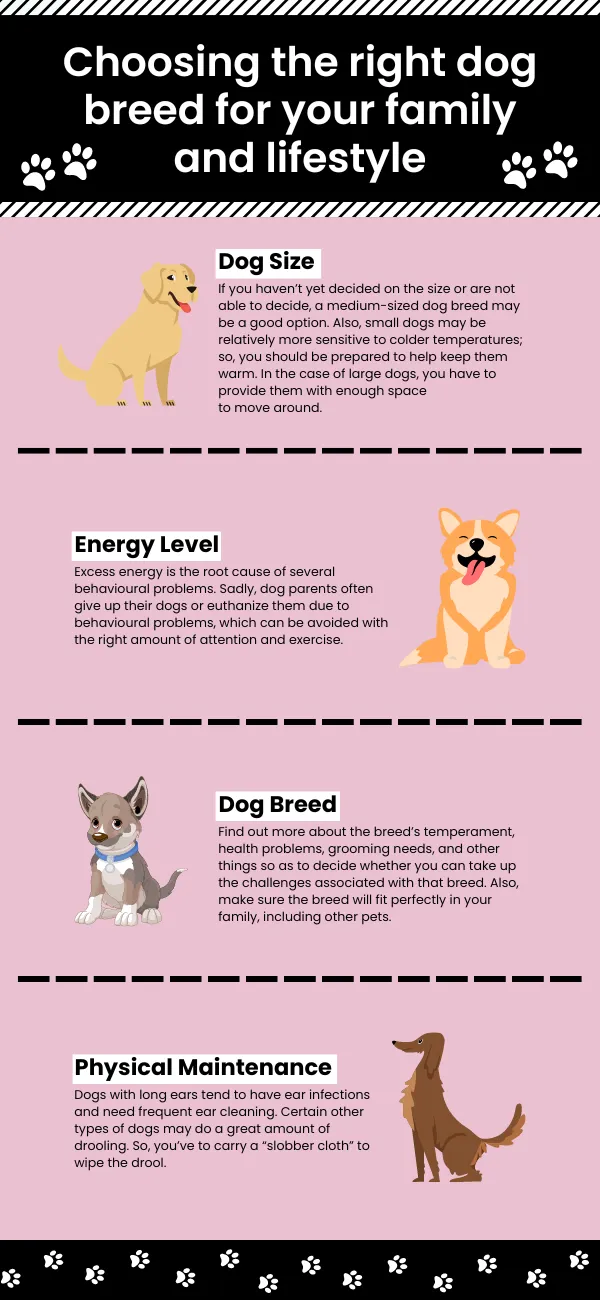
Credit: www.bluediamondsgr.org
Frequently Asked Questions
What Factors Should I Consider When Choosing A Dog Breed?
Consider your living space, activity level, allergies, and time availability. Also, think about the dog’s size, temperament, and grooming needs to match your lifestyle perfectly.
How Do I Match A Dog Breed To My Lifestyle?
Assess your daily routine, exercise habits, and family dynamics. Choose a breed that fits your energy level and time for training or socializing.
Are Small Or Large Dog Breeds Better For Apartments?
Small breeds generally adapt better to apartments due to limited space. However, some large breeds with calm temperaments can also adjust well indoors.
How Important Is A Dog’s Temperament In Breed Selection?
Temperament is crucial as it affects behavior and interaction. Choose a breed with a temperament that suits your personality and household environment.
Conclusion
Choosing the right dog breed takes time and thought. Think about your home, lifestyle, and energy levels. Match these with a breed’s needs and personality. Dogs bring joy but also need care and love daily. Take time to research and meet different breeds.
This helps you find a dog that fits well with you. Remember, a happy dog makes a happy owner. Choose wisely and enjoy the journey with your new friend.


