

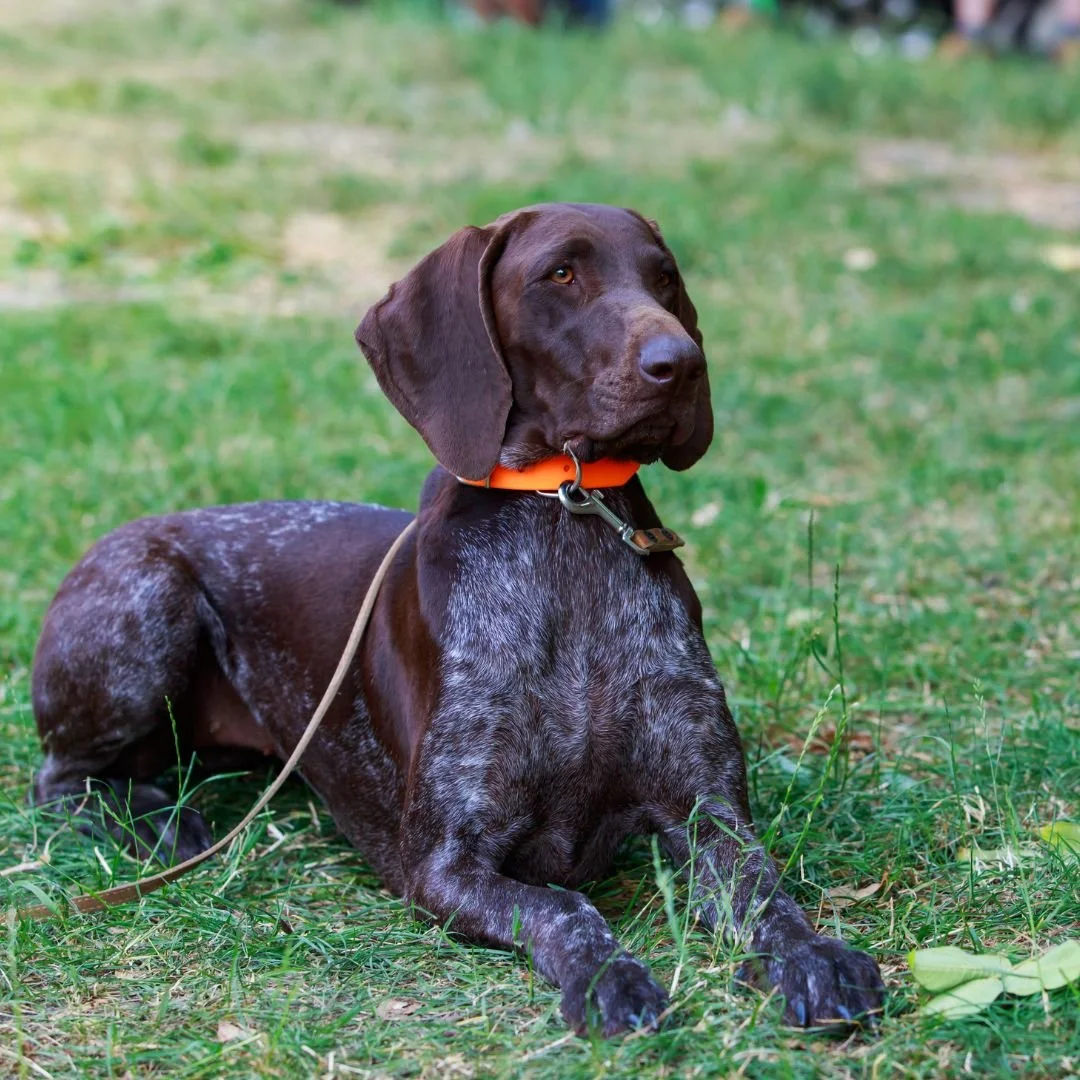
Bringing a German Shorthaired Pointer (GSP) puppy into your life is exciting, but it can also feel overwhelming. You want to give your new furry friend the best start possible, but where do you begin?
You’re about to discover simple, practical tips that make training and caring for your GSP puppy easier and more enjoyable. Keep reading, because these insights will help you build a strong bond with your puppy and set them up for a happy, healthy future.
Your journey to becoming the best GSP puppy parent starts here.
Choosing The Right Supplies
Choosing the right supplies for your GSP puppy sets the stage for a happy and healthy life. Good supplies help your puppy feel safe and comfortable. They also make daily care easier for you. Focus on the essentials first. Quality over quantity works best. Each item should fit your puppy’s needs and size.
Selecting A Comfortable Bed
A soft, cozy bed gives your GSP puppy a special place to rest. Choose a bed with enough space for your puppy to stretch. Look for materials that are easy to clean. Supportive padding is important to protect growing joints. A bed placed in a quiet, warm spot helps your puppy relax.
Picking The Best Food And Bowls
Feed your GSP puppy nutritious food made for puppies. Check labels for protein and essential nutrients. Use bowls that do not tip easily. Stainless steel or ceramic bowls work well. They are safe and easy to wash. Keep water fresh and available at all times. Consistent feeding times build good habits.
Essential Grooming Tools
Grooming keeps your puppy healthy and happy. A soft brush suits the short coat of a GSP. Nail clippers made for dogs keep nails trimmed. Choose a gentle shampoo made for puppies. Regular grooming prevents skin problems and reduces shedding. Start grooming early so your puppy gets used to it.

Credit: www.akc.org
Creating A Safe Space
Creating a safe space for your GSP puppy is important for its comfort and growth. A secure area helps the puppy feel calm and protected. It also keeps your home safe from accidental damage or mess. Setting up the right environment supports healthy habits and reduces stress for your new pet.
Puppy-proofing Your Home
Remove small objects your puppy can swallow. Cover electrical cords and block off dangerous areas. Store cleaning supplies and medicines out of reach. Check for sharp edges or loose items that may hurt your puppy. Use baby gates to limit access to unsafe rooms. Keep floors clean and free of choking hazards.
Setting Up A Crate
Choose a crate large enough for your GSP to stand and turn around. Place soft bedding inside for comfort. Make the crate a positive space with toys and treats. Use it for short rests and quiet time. Never use the crate for punishment. A crate helps your puppy feel secure and learn good habits.
Safe Outdoor Areas
Create a fenced yard or use a secure leash for outdoor time. Check the area for toxic plants and sharp objects. Provide shade and fresh water to keep your puppy cool. Supervise playtime to prevent escapes or injuries. Outdoor space allows your GSP to explore safely and get exercise.
Basic Training Techniques
Basic training techniques form the foundation for a happy and well-behaved GSP puppy. Early training helps your puppy learn good habits and understand your expectations. Start training soon after bringing your puppy home. Be patient and consistent for best results.
Housebreaking Tips
Housebreaking is one of the first tasks for your GSP puppy. Take your puppy outside often, especially after eating or sleeping. Choose a spot outside for bathroom breaks and use the same words each time. Praise your puppy immediately after they go outside. Clean accidents inside with enzyme cleaner to remove smells.
Teaching Simple Commands
Start with easy commands like “sit,” “stay,” and “come.” Use short, clear words and a calm voice. Show your puppy what to do by guiding them with your hand. Repeat commands several times in short training sessions. Keep sessions fun and end with praise or treats.
Using Positive Reinforcement
Positive reinforcement means rewarding good behavior. Use treats, petting, or kind words as rewards. Avoid punishment, which can confuse your puppy. Reward your puppy immediately after they do what you ask. This helps your puppy understand which behaviors are good.
Socializing Your Puppy
Socializing your GSP puppy is key for a happy, confident dog. Early social experiences shape how your puppy reacts to new things. It builds trust and reduces fear. Start socializing soon after bringing your puppy home. This helps prevent behavior problems later. Keep each interaction positive and gentle. Let your puppy explore at their own pace. Small steps make a big difference. Below are tips for socializing your GSP puppy.
Introducing To Other Dogs
Allow your puppy to meet calm, friendly dogs. Choose vaccinated dogs to keep your puppy safe. Let them sniff and greet in a quiet place. Watch their body language for signs of stress. Short, positive meetings work best. Avoid forcing interaction. Praise your puppy for good behavior. Repeat meetings help your puppy feel comfortable.
Meeting New People
Expose your puppy to different people often. Include children, men, women, and elderly adults. Let your puppy approach people slowly. Encourage gentle petting and soft voices. Use treats to create positive feelings. Avoid crowded or noisy places at first. Gradually increase new experiences as your puppy grows.
Handling Stressful Situations
Stress can happen during socialization. Watch your puppy for signs like shaking or hiding. Give breaks and quiet time if needed. Use calm tones to soothe your puppy. Gradually expose them to new sights and sounds. Avoid overwhelming your puppy with too much too soon. Patience and gentle care build resilience.
Health And Wellness
Keeping your German Shorthaired Pointer (GSP) puppy healthy is key to a happy life. Good health supports growth, energy, and a strong immune system. Focus on simple daily habits that protect your puppy’s wellness.
Vaccination Schedule
Vaccines protect your GSP puppy from serious diseases. Follow a vet’s recommended schedule for shots. Start vaccinations at six to eight weeks old. Complete the full series before your puppy meets other dogs. Keep a record of all vaccines for easy reference.
Regular Vet Visits
Regular check-ups catch health issues early. Schedule visits every few months during puppyhood. The vet will check weight, teeth, and overall health. Ask questions about growth and behavior. Preventive care helps your puppy stay strong and active.
Nutrition And Exercise
Feed a balanced diet made for puppies. High-quality food supports brain and muscle development. Divide meals into small portions throughout the day. Exercise your GSP daily with walks and play. Physical activity builds endurance and good habits. Avoid overfeeding and too much rest.
Preventing Common Behavior Issues
Preventing common behavior problems in your GSP puppy helps create a happy home. Early training shapes good habits. It stops bad behaviors before they start. Patience and consistency are key. Let’s explore how to manage chewing, barking, and separation anxiety in your puppy.
Managing Chewing Habits
Chewing is natural for puppies. It helps ease teething pain. Provide safe chew toys to redirect this urge. Remove items you don’t want chewed. Praise your puppy when they chew toys. Avoid punishment; it can cause fear. Consistent guidance teaches what is okay to chew.
Reducing Barking
Barking can signal excitement or boredom. Teach your puppy to bark less with calm commands. Reward quiet behavior with treats and attention. Ignore excessive barking to avoid encouraging it. Exercise your puppy daily to burn off energy. A tired puppy barks less and stays calm.
Dealing With Separation Anxiety
Separation anxiety causes stress when alone. Start with short absences to build confidence. Create a safe space with toys and bedding. Use a calm voice when leaving and returning. Avoid making departures dramatic. Gradually increase alone time to ease anxiety.
Bonding Activities
Spending quality time with your GSP puppy builds trust and friendship. Bonding activities help your puppy feel safe and loved. They also teach good behavior and keep your puppy happy. Try different activities daily to strengthen your connection.
Playtime Ideas
Play is fun and helps your puppy learn. Use soft toys for gentle tug-of-war games. Throw a ball for short fetch sessions. Let your puppy explore new safe spaces together. Keep playtimes short and positive to avoid tiredness.
Training Games
Training games make learning easy and fun. Teach simple commands like sit, stay, or come. Use treats as rewards to encourage good behavior. Practice short sessions several times a day. Keep your voice calm and use clear signals.
Daily Routine Tips
Consistent routines help your puppy feel secure. Feed and walk your puppy at the same times each day. Include quiet cuddle moments after walks or play. Give gentle praise during grooming and rest times. Regular routines create trust and calmness.
Credit: www.bestmatedogtraining.co.nz

Credit: www.amazon.com
Frequently Asked Questions
How Do I Train My Gsp Puppy Effectively?
Start with basic commands like sit, stay, and come. Use positive reinforcement and consistency. Keep training sessions short and fun. Early socialization is crucial for a well-behaved GSP puppy. Patience and regular practice will yield the best results.
What Is The Ideal Diet For A Gsp Puppy?
Feed high-quality puppy food rich in protein and nutrients. Divide meals into 3-4 small portions daily. Avoid human food and excessive treats. Always provide fresh water. Consult your vet for specific dietary needs based on growth and activity.
How Much Exercise Does A Gsp Puppy Need?
GSP puppies require moderate daily exercise to burn energy. Short walks and playtime help build stamina. Avoid over-exercising to protect growing joints. Mental stimulation through games is equally important. Gradually increase activity as your puppy grows.
When Should I Start Socializing My Gsp Puppy?
Begin socialization as early as 8 weeks old. Introduce your puppy to various people, pets, and environments. Positive experiences build confidence and reduce fear. Puppy classes are great for controlled socialization. Early social exposure is key for a balanced adult dog.
Conclusion
Caring for your GSP puppy takes patience and love. Keep training sessions short and fun. Give plenty of exercise to keep them happy. Watch their health and visit the vet regularly. Socialize your puppy with other dogs and people. Remember, each puppy learns at its own pace.
Enjoy the journey of raising your loyal companion. Small steps lead to a strong bond and a well-behaved dog. Stay consistent and calm throughout the process. Your effort will bring joy and friendship for years.


