Switching your furry friend from puppy food to adult dog food can feel tricky. You want to make sure your dog stays healthy and happy during this change.
But how do you know when it’s the right time? And how can you make the transition smooth so your dog doesn’t get upset stomach or lose interest in meals? You’ll discover simple steps to help your dog adjust easily.
Keep reading, because your dog’s health and happiness depend on it.

Credit: thecaninehealthnut.com
When To Switch
Knowing when to switch your dog to adult food is important for their health. Puppies need special nutrition to grow strong. Adult dogs need food that supports their energy and body needs. Switching at the right time helps keep your dog healthy and happy.
Age Guidelines
Most dogs switch to adult food between 12 and 18 months old. Small breeds may switch closer to 12 months. Large breeds might need puppy food longer, up to 18 months. This is because big dogs grow slower and need more nutrients for bones.
Breed Considerations
Small breeds mature faster than large breeds. Small dogs often switch at one year old. Large breeds take longer to grow fully. They need special adult food that supports joint health. Check your vet’s advice based on your dog’s breed size.
Signs Your Dog Is Ready
Your dog may start to lose puppy teeth. They might become less active and more calm. Their growth rate slows down. These signs show your dog is ready for adult food. Watch your dog’s behavior and body shape for clues.
Choosing The Right Food
Choosing the right food is a key step in your dog’s transition to adult dog food. This change affects your dog’s health and energy. It helps support their growth and keeps them active. Selecting the best food means understanding what your dog needs now. This guide explains the main points to consider for a smooth switch.
Nutritional Needs
Adult dogs need balanced nutrition to stay healthy. They require the right amount of protein for muscle support. Fat helps with energy and a shiny coat. Carbohydrates give fuel but in smaller amounts. Vitamins and minerals keep their body working well. Adjust food based on your dog’s size and activity level.
Types Of Adult Dog Food
Dry kibble is popular and easy to store. It helps clean teeth during chewing. Wet food contains more moisture, which helps hydration. Some dogs prefer the taste of wet food. There are also raw and homemade options. Choose a type that suits your dog’s preference and lifestyle.
Reading Labels
Labels show what is inside the food. Look for protein sources like chicken or beef listed first. Avoid foods with many fillers like corn or soy. Check for added vitamins and minerals. Notice if the food meets AAFCO standards for complete nutrition. This ensures the food is safe and balanced.
Preparing For The Change
Preparing to switch your dog to adult food takes careful planning. This change affects your pet’s health and happiness. Start by understanding their current eating habits and needs. Gather all necessary items to make the transition smooth. A thoughtful approach helps your dog adjust easily.
Assessing Current Diet
Look at what your dog eats now. Note the type, amount, and feeding schedule. Check if your dog has any food allergies or sensitivities. Observe how your dog reacts to their current food. This information guides your choice of adult dog food.
Consulting A Veterinarian
Talk to your vet before changing your dog’s diet. Vets can recommend the best adult dog food for your pet’s breed and health. They can spot any special dietary needs. Follow their advice to keep your dog healthy during the change.
Gathering Supplies
Buy the adult dog food your vet suggests. Get clean bowls for food and water. Have treats ready for rewards and encouragement. Prepare a quiet feeding area where your dog feels safe. These supplies support a calm, easy transition.
Transition Process
Changing your dog’s food from puppy to adult requires care. The transition process helps avoid stomach upset. It also ensures your dog accepts the new food well. Follow simple steps to make the switch smooth.
Gradual Mixing Method
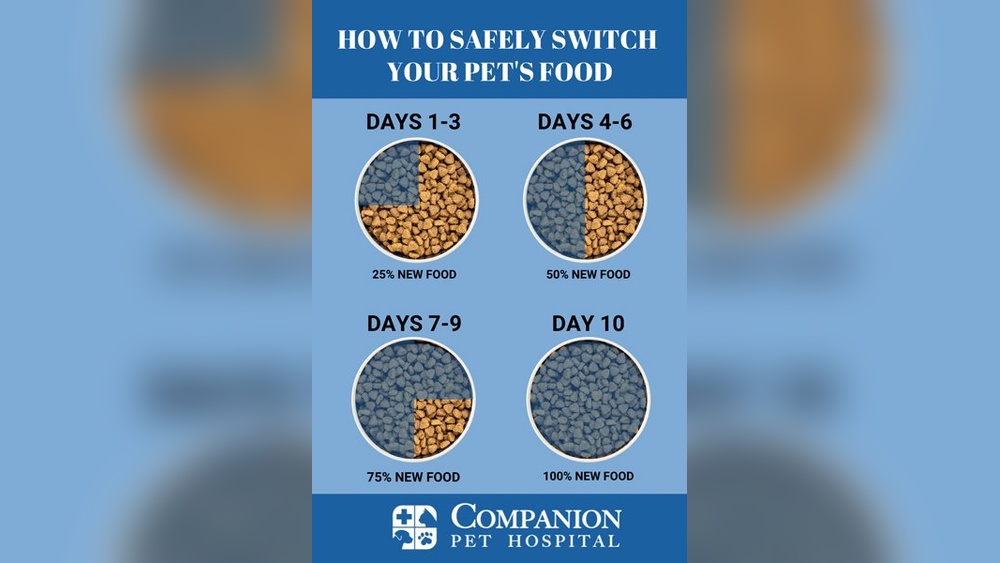
Start by mixing a small amount of adult food with puppy food. Use about 25% adult food and 75% puppy food. Feed this mix for three days. Then increase adult food to 50%. After three more days, raise it to 75%. Finally, feed 100% adult food. This slow change helps your dog adjust.
Monitoring Acceptance
Watch how your dog eats the new mix. Check for signs like refusal or upset stomach. Look for vomiting, diarrhea, or less energy. If these signs appear, slow the transition. Give the same mix longer before increasing adult food. Keep your dog comfortable and happy.
Adjusting Portions
Adult dog food has different calories than puppy food. Adjust portions to match your dog’s weight and activity. Follow package feeding guidelines as a start. Observe your dog’s weight and energy levels. Increase or decrease food as needed. Proper portions keep your dog healthy and fit.
Handling Challenges
Switching your dog to adult food is important for their health. This change can bring challenges. Knowing how to handle these issues helps your dog eat well and stay happy. Here are some common problems and ways to solve them.
Dealing With Picky Eaters
Some dogs refuse new food. They want what they know. Try mixing old and new food gradually. Start with mostly old food, add a little new food. Increase new food slowly over a week. This helps dogs adjust to taste and texture. Avoid sudden changes to prevent refusal.
Managing Digestive Issues
New food may cause stomach upset. Watch for vomiting, diarrhea, or gas. Give smaller meals more often to ease digestion. Make sure your dog drinks plenty of water. If problems last more than a few days, change food slowly or try a different brand. Healthy digestion is key during transition.
When To Seek Help
Some problems need a vet’s advice. Contact a vet if your dog stops eating completely. Also seek help for severe vomiting or diarrhea. A vet can check for allergies or other health issues. Early help prevents serious problems and keeps your dog safe.

Credit: bigstateplumbing.com
Maintaining Healthy Habits
Maintaining healthy habits is key when transitioning your dog to adult food. It supports digestion and keeps your dog happy. Good routines help your dog adjust smoothly to new meals. Pay attention to feeding times, water intake, and nutrition checks. These habits build a solid foundation for your dog’s health.
Regular Feeding Schedule
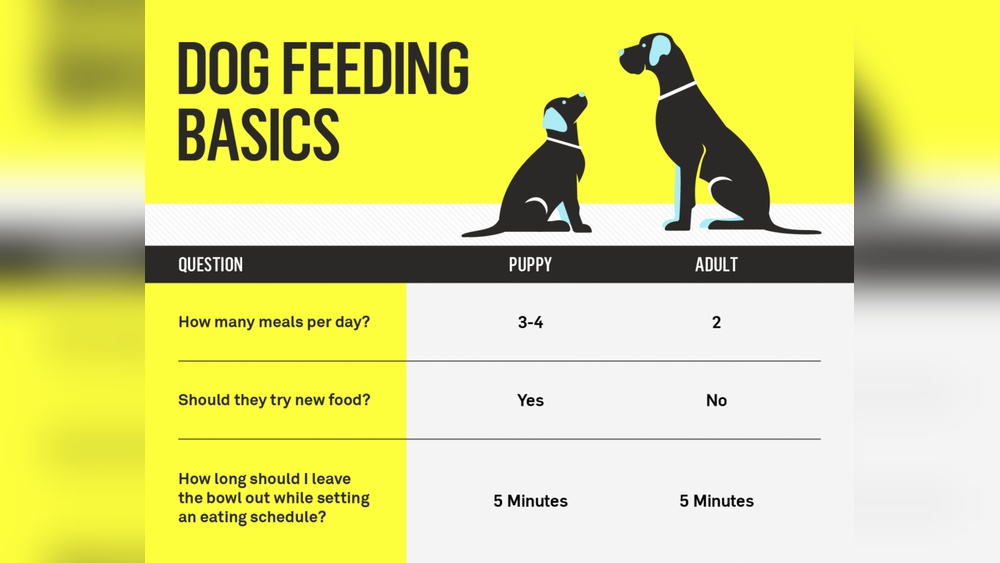
Feed your dog at the same times each day. This creates a routine that your dog expects. Avoid leaving food out all day. Measure portions to keep your dog’s weight steady. Consistency helps digestion and reduces begging or overeating.
Hydration Tips
Fresh water must be available at all times. Change water daily to keep it clean. Encourage your dog to drink after meals. Use a clean bowl in a quiet spot. Hydration supports digestion and overall health.
Ongoing Nutritional Checks
Watch your dog’s weight and energy levels regularly. Check for any changes in coat or skin condition. Consult your vet if you notice changes in appetite or behavior. Regular health checks ensure your dog thrives on adult food.

Credit: www.iams.com
Frequently Asked Questions
When Is The Right Time To Switch To Adult Dog Food?
The right time is usually when your dog turns one year old. Large breeds may transition later, around 18-24 months. Consult your vet to confirm the best timing for your dog’s breed and health status.
How To Gradually Transition To Adult Dog Food?
Mix 25% adult food with 75% puppy food for 3-4 days. Increase adult food by 25% every few days. Complete transition typically takes 7-10 days to avoid digestive upset.
What Are The Benefits Of Adult Dog Food?
Adult dog food meets mature dogs’ nutritional needs. It supports healthy weight, energy levels, and maintains coat and joint health. Proper nutrition helps prevent obesity and related health problems in adult dogs.
Can I Feed Adult Dog Food To Puppies?
No, adult dog food lacks essential nutrients for growing puppies. Puppies need food rich in protein, fat, and calories to support their development. Always feed age-appropriate dog food for optimal growth.
Conclusion
Transitioning your dog to adult food takes time and care. Start slowly by mixing old and new food. Watch your dog’s reaction and adjust the mix each day. Keep meals consistent and fresh. This helps your dog’s stomach adjust without problems.
Healthy food supports energy and growth. Always offer clean water alongside meals. Patience makes the change easier for your dog. Your dog will enjoy a balanced diet soon. Stay attentive and enjoy watching your pet thrive.