

Are you wondering if it’s okay to feed your puppy adult dog food? You want the best for your furry friend, and choosing the right food is a big part of that.
Feeding your puppy the wrong food could affect their growth, health, and energy. But how bad is it really to give them adult dog food? Keep reading, because understanding this can make a huge difference in your puppy’s happiness and well-being.
Don’t risk your puppy’s health—let’s clear up the confusion and help you make the best choice for your new best friend.
Credit: www.lucautosrl.it
Puppy Vs Adult Dog Food
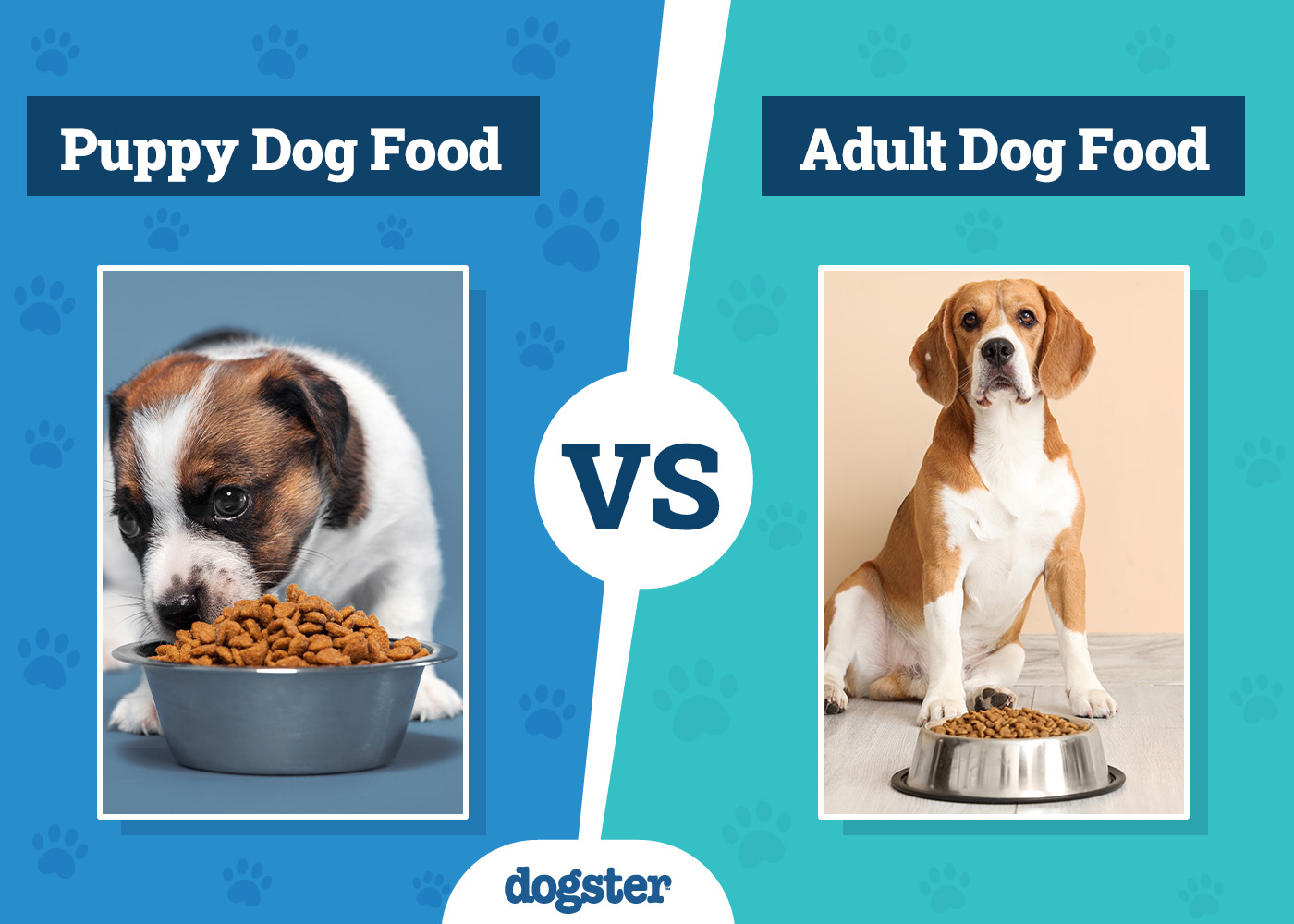
Puppies and adult dogs have different food needs. Their bodies are at different stages of life. Choosing the right food is important for their health. Feeding adult dog food to puppies is not a good idea. This section explains why puppy food and adult dog food are different.
Nutritional Differences
Puppy food has more protein and fat than adult dog food. Puppies need these nutrients for muscle and brain growth. Adult dog food has fewer nutrients because adult dogs do not grow. The balance of vitamins and minerals also varies. Puppy food supports the rapid development of bones and organs.
Calorie Needs
Puppies burn more calories than adult dogs. They need more energy for playing and growing. Puppy food is higher in calories to meet this need. Adult dog food has fewer calories to prevent weight gain. Feeding adult food to a puppy can cause energy loss and slow growth.
Growth Requirements
Puppies are building their bodies fast. They need special nutrients to support this. Puppy food contains ingredients to help strong bones and healthy joints. Adult dog food does not meet these growth needs. Puppies fed adult food may miss essential nutrients. This can lead to health problems later.
Risks Of Feeding Adult Food To Puppies
Feeding adult dog food to puppies carries several risks that affect their health and development. Puppies need special nutrition to grow strong and healthy. Adult dog food often lacks the right balance of nutrients puppies require. This can lead to problems that slow their growth or cause illness.
Nutrient Deficiencies
Puppies need more protein, fat, and vitamins than adult dogs. Adult food usually has lower levels of these nutrients. Lack of essential nutrients can cause weak muscles and poor bone development. Puppies may also have less energy and struggle to stay healthy.
Digestive Issues
Puppies have sensitive stomachs that need gentle food. Adult dog food can be harder to digest and upset their stomach. This can cause diarrhea, vomiting, or stomach pain. Digestive problems can stop puppies from absorbing the nutrients they need.
Impact On Growth
Proper growth depends on the right food. Feeding adult dog food can slow bone and muscle growth. Puppies may become smaller or weaker than normal. Long-term growth problems can affect their overall health and strength.
When Adult Food Might Be Acceptable
Sometimes, feeding a puppy adult dog food is not always wrong. There are moments when it might be safe or even necessary. Understanding these situations helps you make the best choice for your puppy’s health.
Knowing when adult food can work is important. Puppies have special needs, but certain cases allow for adult food without harm.
Short-term Feeding
Using adult dog food for a short time is usually fine. For example, if puppy food is not available, adult food can be a temporary option. Make sure to switch back to puppy food soon. Adult food lacks some nutrients puppies need for growth. Short-term feeding should not last more than a few days.
Veterinary Recommendations
Sometimes, vets suggest adult dog food for puppies. This can happen if a puppy has health issues. Special adult formulas might help with digestion or allergies. Always follow your vet’s advice carefully. They know what is best for your puppy’s condition.
Special Cases
Some puppies grow very fast or are large breeds. They may need a different diet than usual. In these cases, adult food might be mixed with puppy food. This helps balance nutrition as the puppy grows. Special feeding plans should always be discussed with a vet.
Credit: labiosthetique.ee
Choosing The Right Food For Your Puppy
Choosing the right food for your puppy is very important for its health and growth. Puppies need special nutrients to build strong bones and muscles. Their food should support their energy and brain development. Feeding the wrong food can cause problems in the long run. Understanding what to look for helps you give your puppy the best start in life.
Reading Labels
Check the food label carefully. Look for the phrase “complete and balanced” for puppies. This means the food has all needed nutrients. Avoid foods with too many fillers like corn or wheat. Watch for protein sources at the top of the list. Good protein helps your puppy grow strong muscles. The label also tells you the calorie content. Puppies need more calories than adult dogs.
Age-appropriate Formulas
Puppies and adult dogs have different needs. Puppy formulas have more fat and protein. These help with fast growth and energy. Adult dog food lacks some nutrients puppies need. Feeding adult food to puppies can cause poor growth. Choose food marked for “puppies” or “all life stages.” This ensures your puppy gets proper nutrition for its age.
Quality Ingredients
Look for high-quality ingredients in puppy food. Real meat should be the first ingredient. Avoid foods with artificial colors or preservatives. Natural ingredients support your puppy’s health better. Whole grains, vegetables, and fruits add vitamins and minerals. Good ingredients help your puppy build a strong immune system. Quality food makes your puppy happy and active.
Transitioning From Puppy To Adult Food
Switching a puppy from puppy food to adult food is an important step. It supports their growth and keeps them healthy. Puppies need more nutrients than adult dogs. Using the right food at the right time helps their body develop well.
Making this change carefully avoids stomach problems. It also helps your puppy enjoy their meals. Understanding when and how to switch foods is key for every dog owner.
Timing The Switch
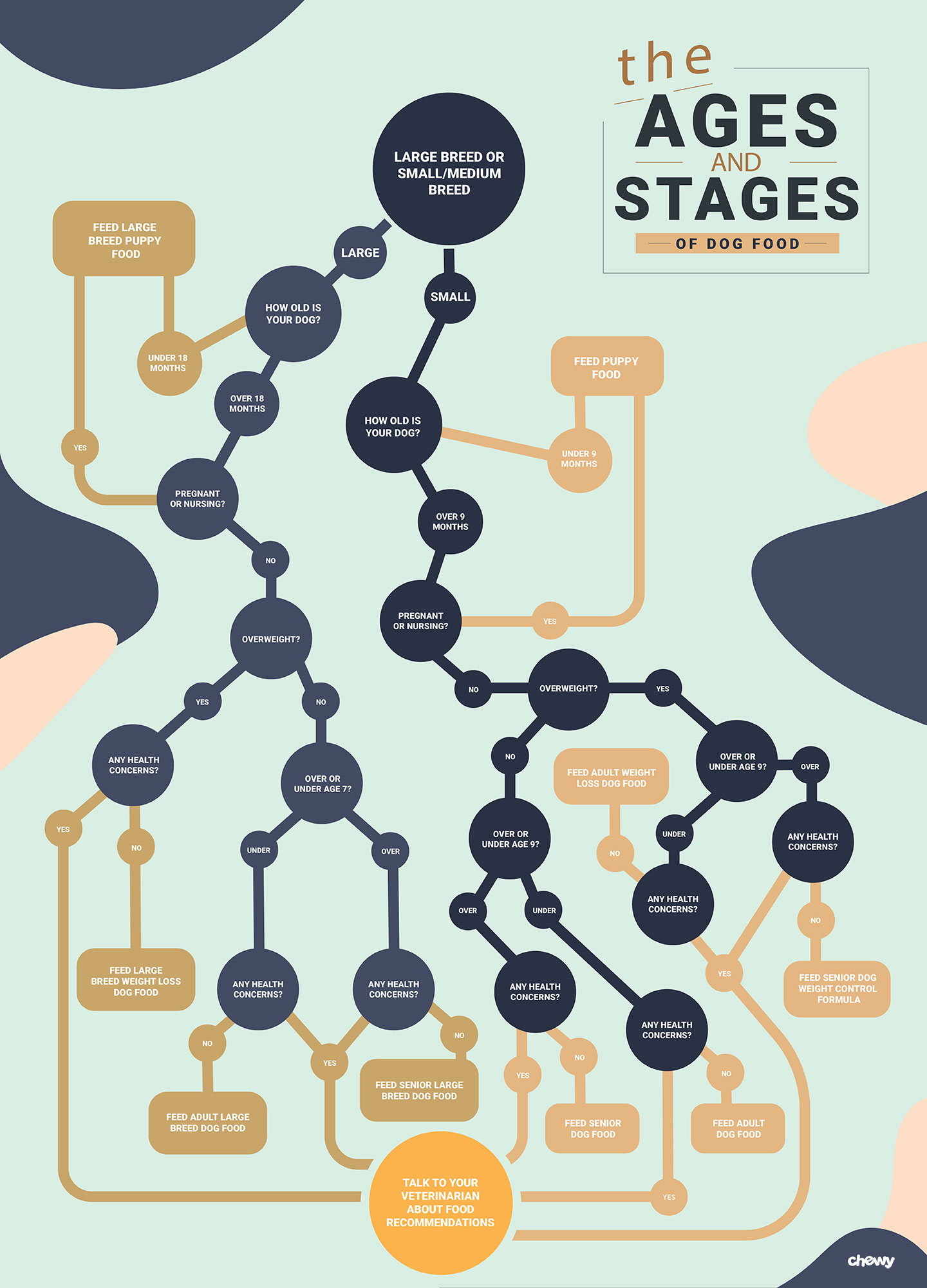
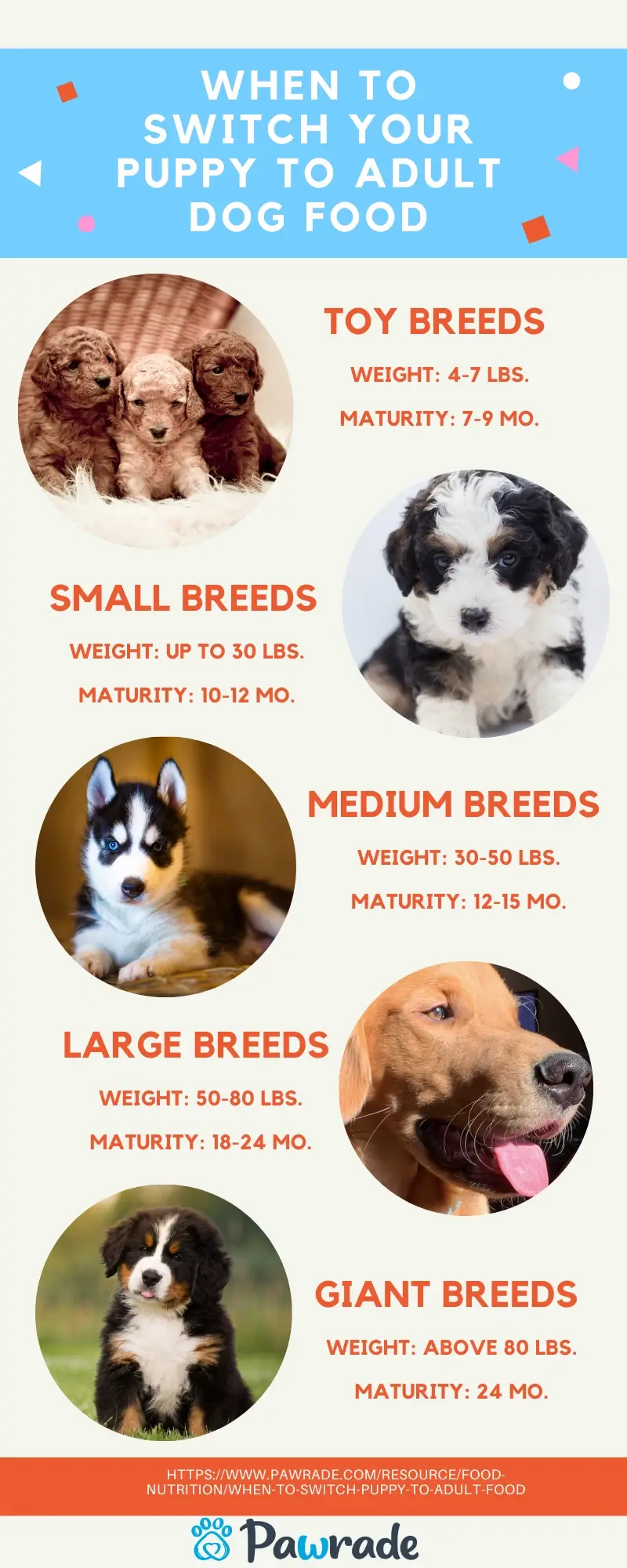
Puppies grow fast. Most reach adulthood between 9 and 12 months. Large breeds might need more time before switching. Check your vet’s advice for your puppy’s breed and size. Changing food too early can cause nutrition gaps. Too late may lead to weight gain or other issues.
Gradual Transition Steps
Switch foods slowly over 7 to 10 days. Start by mixing 25% adult food with 75% puppy food. Increase adult food amount each day. By day ten, your puppy eats only adult food. This gradual change helps the stomach adjust. Sudden changes can cause upset stomach or diarrhea.
Monitoring Health
Watch your puppy’s energy and coat condition. Healthy skin and shiny coat show good nutrition. Check stool consistency for any changes. Loss of appetite or vomiting needs vet attention. Regular check-ups help track growth and health. Adjust food type or amount as your puppy grows.
Credit: labiosthetique.ee
Frequently Asked Questions
Is It Harmful To Feed Puppies Adult Dog Food?
Feeding puppies adult dog food lacks essential nutrients for growth. Puppies need higher protein and fat levels for development. Adult food may cause deficiencies and stunt growth. Always choose puppy-specific formulas to support healthy bone and brain development.
When Can Puppies Switch To Adult Dog Food?
Puppies can switch to adult dog food around 12 months old. Large breeds may need longer, up to 18 months. Transition gradually to avoid digestive upset. Consult your vet for breed-specific timing and dietary advice.
What Are The Risks Of Feeding Adult Food Early?
Feeding adult food early can cause malnutrition and weak immunity. Puppies may develop joint problems due to insufficient nutrients. It can also lead to slower growth and behavioral issues. Proper puppy food ensures balanced nutrition for healthy development.
Can Adult Dog Food Meet Puppy Energy Needs?
Adult dog food usually lacks enough calories for puppies. Puppies require more energy for rapid growth and play. Adult formulas may result in fatigue and poor weight gain. Use puppy food to provide adequate energy and nutrients.
Conclusion
Feeding a puppy adult dog food can cause health problems. Puppies need extra nutrients for growth and energy. Adult food lacks these important nutrients. This can slow their development and weaken their immune system. Always choose food made specifically for puppies.
It helps them grow strong and healthy. Your puppy deserves the best start in life. Proper nutrition today means a happier dog tomorrow. Keep their diet right, and watch them thrive. Simple choices lead to big benefits for your puppy.


