

Have you ever noticed your dog lowering its head, avoiding eye contact, or licking its lips when you’re around? These small actions are more than just cute habits—they’re your dog’s way of showing peace and trying to calm a situation.
Understanding dog appeasement behavior can change how you communicate with your furry friend. It helps you build trust, avoid misunderstandings, and create a stronger bond. Keep reading to discover the subtle signs your dog uses to keep harmony and what they really mean for your relationship.
What Is Dog Appeasement Behavior
Dog appeasement behavior shows how dogs try to stay calm and safe. It is a way dogs avoid fights or trouble. These actions help dogs live peacefully with other dogs and people.
Dogs use body language and small actions to show they mean no harm. This behavior often happens when a dog feels unsure or nervous. It helps them reduce tension and make friends.
Signs Of Dog Appeasement Behavior
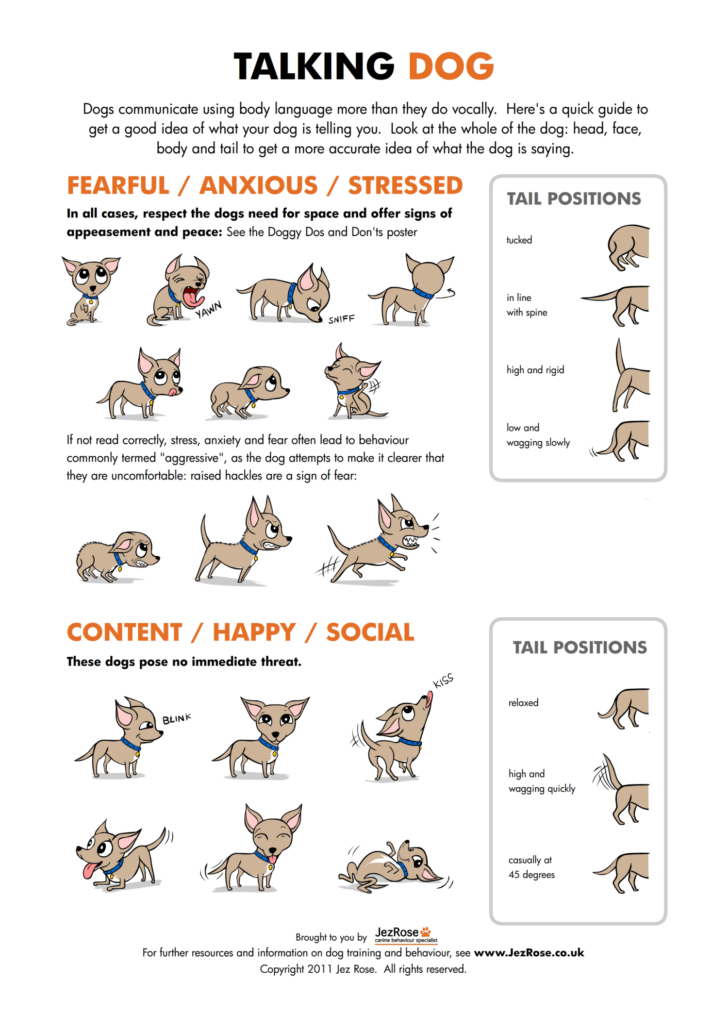
Dogs show appeasement in many ways. They may lower their heads or avoid eye contact. A dog might lick its lips or yawn without being tired. These signs tell others they want peace.
Some dogs also curl their tails down or turn their bodies away. These moves help calm the situation. Recognizing these signs can help owners understand their dog’s feelings.
Why Dogs Use Appeasement Behavior
Dogs want to avoid fights and stay safe. Appeasement behavior helps them do this. It shows respect to stronger or more confident dogs and people. This behavior helps keep dogs and humans happy.
Dogs learn these behaviors from a young age. Mother dogs teach their puppies how to act calm. Puppies use these actions to fit into their social group.
How Appeasement Behavior Helps Dog Communication
Dogs use appeasement to talk without words. This behavior sends clear messages to others. It helps dogs solve problems without aggression. By understanding these signals, owners can better read their dogs.
Appeasement behavior builds trust and friendship. It helps dogs live together without conflict. Knowing this behavior improves the bond between dogs and people.
Credit: www.blueridgehumane.org
Common Canine Peace Signals
Dogs use body language to keep peace with other dogs and people. These signs help avoid fights and show calm feelings. Knowing these peace signals helps us understand dogs better. It also helps us respond in kind and keep dogs relaxed.
Yawning And Lip Licking
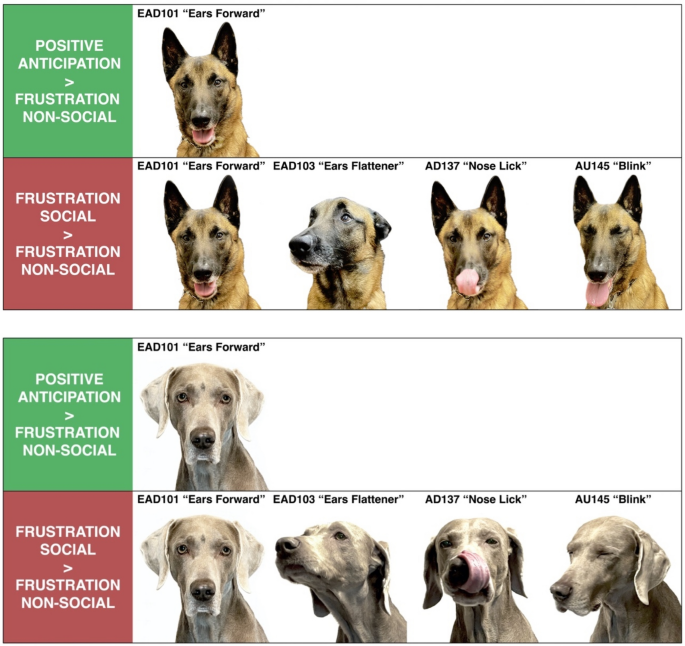
Yawning is not always about being tired. Dogs yawn to calm themselves or others. Lip licking is another signal. It shows a dog is feeling nervous or trying to calm a situation.
Turning Away
Turning their head or body away is a clear sign. Dogs use this to avoid direct eye contact. This action shows they do not want trouble or to start a fight.
Slow Blinking
Slow blinking is a gentle way dogs show peace. It means they trust the other dog or person. Dogs use slow blinks to say “I am not a threat.”
Tail Position And Movement
The tail tells a lot about a dog’s mood. A relaxed, wagging tail shows friendliness. A tail held low or tucked means fear or submission. Watch the tail to understand the dog’s feelings.
Play Bow
A play bow is when a dog lowers the front of its body. The back stays up and the tail wags. This signal invites others to play and shows friendly intent.
Why Dogs Use Appeasement Signals
Dogs use appeasement signals to communicate peace and calm with others. These signals help them show they mean no harm. Dogs rely on these behaviors to live safely with other dogs and people. Understanding why dogs use these signals reveals much about their social world.
Reducing Tension
Appeasement signals help dogs lower tension in stressful situations. A dog may look away or yawn to calm itself and others. These actions send a message of peace. They prevent anger or fear from growing between dogs.
Avoiding Conflict
Dogs use appeasement signals to avoid fights or arguments. By showing submission or friendliness, they stop others from feeling threatened. This helps keep peace and prevents injuries. The signals act like a silent apology or peace offering.
Building Social Bonds
Appeasement behaviors also help dogs make friends. Gentle actions like licking lips or soft blinking build trust. These signals show respect and kindness. Strong social bonds help dogs feel safe and happy in their group.
Recognizing Signs In Different Situations
Dogs use appeasement behaviors to show they mean no harm. These behaviors help avoid fights and keep peace. Recognizing these signs helps you understand your dog better. Dogs show different signals depending on the situation. Watch closely to see how your dog reacts in various settings.
With Other Dogs
Dogs often lower their bodies or tuck their tails around other dogs. They may lick the other dog’s face or yawn a lot. These actions show respect and calmness. Avoid direct eye contact, as dogs may look away to stay peaceful. Sometimes, dogs roll onto their backs to show submission. These signs help stop fights before they start.
Around Humans
Dogs may blink slowly or look away when facing people. They might lift a paw or lick their lips nervously. Some dogs lower their heads or crouch slightly. These moves tell humans the dog is not a threat. Dogs may also approach slowly and avoid sudden movements. Watching these signs helps you read your dog’s mood.
In New Environments
In new places, dogs act more cautious. They may sniff around nervously or freeze for a moment. Their ears might go back, and tails stay low or wag gently. Dogs often look to their owners for comfort. Sometimes, they will sit close or nudge you gently. These behaviors show they want safety and calm.
How To Respond To Dog Peace Signals
Dogs use peace signals to show they want calm and friendly moments. Recognizing these signals helps you build trust and avoid stress. Responding well to dog appeasement behavior creates a safe space for your pet.
Respecting Boundaries
Notice when your dog turns their head or yawns softly. These signs mean they need space. Give your dog room without forcing contact. Avoid staring or sudden movements. Let your dog come to you when ready. Respecting these boundaries reduces anxiety and builds respect.
Promoting Calm Interactions
Speak softly and move slowly near your dog. Use gentle touches instead of quick pats. Stay relaxed and breathe calmly. This helps your dog feel safe and less tense. Avoid loud noises or sudden actions. Calm energy encourages peaceful behavior in dogs.
Training Tips
Teach your dog simple commands like “sit” and “stay.” Reward calm behavior with soft praise or treats. Practice short sessions regularly to build good habits. Use patience and kindness during training. This helps your dog understand what you expect. Training supports peaceful communication between you and your dog.
Credit: www.nature.com
Misinterpreting Appeasement Behaviors
Dogs use appeasement behaviors to show they mean no harm. These actions help keep peace and avoid fights. People often mistake these signs, causing confusion. Understanding true meanings is important for better dog care and safety.
Signs Often Confused
Yawning may look like tiredness but can signal stress. A dog licking lips might not be hungry but uneasy. Turning the head away is not ignoring, but calming down. Rolling over can mean submission, not just playfulness. Tail wagging does not always mean happiness. Slow wagging can show nervousness or uncertainty.
Avoiding Common Mistakes
Watch the whole body, not just one sign. Look for patterns in behavior for better understanding. Avoid forcing eye contact; it may scare the dog. Speak softly and move calmly around nervous dogs. Give space if the dog shows signs of stress. Learning to read these signs helps build trust.
Benefits Of Reading Canine Signals
Understanding dog appeasement behavior helps you read canine signals clearly. These signals show how dogs feel and what they want. Recognizing them improves your ability to communicate and care for your dog. It also helps avoid misunderstandings and problems.
Improved Communication
Reading canine signals lets you know what your dog is thinking. You can see signs of stress, fear, or happiness early. This helps you respond in a way your dog understands. Clear communication reduces confusion and builds trust.
Stronger Human-dog Bond
Recognizing appeasement behavior shows your dog you care. Your dog feels safer and more loved. This connection grows stronger over time. Dogs become more relaxed and loyal around people who understand them.
Safer Social Encounters
Understanding signals helps avoid conflicts with other dogs. You can spot when your dog feels uneasy or threatened. This lets you act quickly to calm your dog down. Safe social meetings prevent injuries and stress for everyone.

Credit: www.sciencedirect.com
Frequently Asked Questions
What Is Dog Appeasement Behavior?
Dog appeasement behavior is a set of actions dogs use to show submission. It helps reduce conflict and calm tense situations. These behaviors include yawning, licking lips, and avoiding eye contact. Recognizing these signs can improve communication between dogs and humans.
Why Do Dogs Use Appeasement Signals?
Dogs use appeasement signals to avoid aggression and maintain peace. These signals show they are not a threat. This behavior helps dogs build trust and social bonds. Understanding these signals prevents misunderstandings and promotes safer interactions with dogs.
How Can I Identify Appeasement Behaviors In Dogs?
Common appeasement behaviors include yawning, lip licking, turning away, and crouching. Dogs may also wag their tails low and avoid direct eye contact. Watching for these subtle signs helps owners respond calmly and respect the dog’s feelings.
Can Appeasement Behavior Indicate Stress In Dogs?
Yes, appeasement behavior often signals stress or discomfort in dogs. It shows the dog is trying to calm itself or others. Recognizing these signs early can help address the cause of stress and improve the dog’s well-being.
Conclusion
Dogs show appeasement behavior to keep peace and avoid fights. These signals help them express calmness and respect. Understanding these signs improves your bond with your dog. It also helps prevent misunderstandings and stress. Watch for body language like lowering the head or avoiding eye contact.
Respond with gentle actions to make your dog feel safe. This way, you build trust and a happy relationship. Remember, patience and kindness bring the best results. Keep learning about your dog’s needs every day.


