
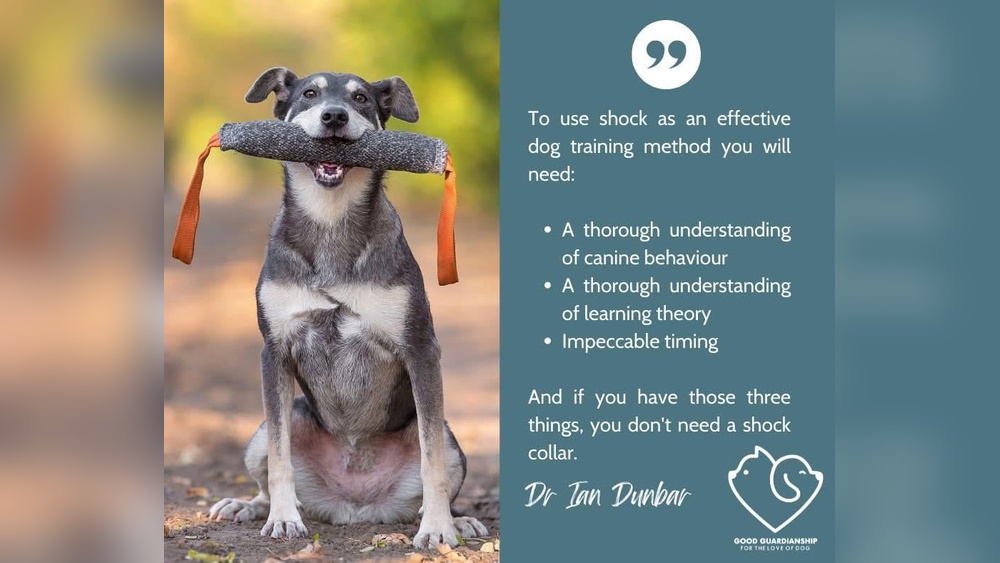
Training your dog with a shock collar can feel overwhelming if you don’t know where to start. You want your furry friend to listen, behave, and stay safe, but using a shock collar the wrong way might cause more harm than good.
What if there was a simple, effective method to help your dog learn quickly without causing stress? This guide will walk you through clear, easy steps to train your dog using a shock collar the right way. By the end, you’ll feel confident and in control, creating a stronger bond with your pet.
Keep reading to discover how to make this training tool work for you and your dog.

Credit: www.amazon.com
Choosing The Right Shock Collar
Choosing the right shock collar is key to safe and effective training. A good collar fits your dog’s size and behavior. It also offers controls that suit your training style. Understanding the options helps you pick the best one.
Types Of Shock Collars
Shock collars come in different types. Some provide static stimulation, which is a mild electric pulse. Others combine vibration or sound signals with the shock. Some collars allow only vibration or beep without shock. Choose a type based on your dog’s sensitivity and training needs.
Features To Consider
Look for adjustable intensity levels. This lets you set the shock strength to your dog’s comfort. Remote control range matters for outdoor training. Waterproof collars are better for active dogs. Battery life affects how long you can train without recharge. Safety features like automatic shut-off prevent overuse.
Sizing And Fit
Proper fit ensures comfort and effectiveness. Measure your dog’s neck before buying. The collar should fit snugly but not too tight. Check if the collar straps are adjustable. Lightweight collars suit small dogs better. A good fit stops the collar from slipping or causing skin irritation.

Credit: www.amazon.com
Preparing Your Dog For Training
Preparing your dog for training with a shock collar is an important step. It helps ensure the experience is safe and positive. Taking time to prepare your dog builds a strong foundation. This foundation makes training easier and more effective.
Assessing Your Dog’s Temperament
Start by observing your dog’s behavior. Notice how your dog reacts to new things and sounds. Some dogs are calm and curious. Others might be nervous or easily scared. Knowing your dog’s temperament helps you decide the right training approach.
Dogs that are anxious need a gentler introduction. Calm dogs can handle training faster. Avoid forcing your dog into situations that cause stress. Patience is key to a good start.
Introducing The Collar
Let your dog see and sniff the collar first. Place it near their bed or toys for a few days. This helps your dog get used to the new object. Then, gently put the collar on your dog without turning it on. Let your dog wear it for short times while doing fun activities.
Watch your dog’s reaction closely. They should not show signs of fear or discomfort. If your dog seems upset, remove the collar and try again later. Gradual exposure makes the collar less scary.
Building Trust And Comfort
Training works best with trust between you and your dog. Use calm, friendly tones when you speak. Give treats and praise often to encourage good behavior. Let your dog take breaks to relax and feel safe.
Never use the collar as punishment. The goal is to help your dog learn, not to scare them. Keep training sessions short and positive. Trust and comfort create a happy learning environment.
Setting Up The Shock Collar
Setting up the shock collar correctly is key to training success. A proper setup ensures your dog stays safe and comfortable. It also helps you control the training effectively. Follow these steps to prepare the collar for use.
Adjusting Intensity Levels
Start by selecting the right intensity for your dog. Use the lowest setting first. This avoids causing pain or fear. Gradually increase the level if your dog does not respond. Watch your dog’s reaction closely at every step. The right intensity should get your dog’s attention without distress.
Testing The Collar Safely
Test the collar on yourself before putting it on your dog. This helps you understand how it feels. Next, try it on your dog without activating the shock. Check the fit to ensure it is snug but not tight. Use short bursts to test the shock. Always monitor your dog’s behavior during testing.
Using Additional Functions
Many collars have extra features like vibration or sound. Use these first to get your dog’s attention. These functions are less harsh than the shock. They help teach commands gently. Learn how to switch between functions quickly. Use each function wisely based on your dog’s needs.
Training Techniques With Shock Collar
Training a dog with a shock collar requires clear methods and careful steps. The goal is to teach your dog basic commands and stop bad behavior. Using the collar properly helps your dog learn fast and safely. This section explains key training techniques for the shock collar.
Basic Commands
Start with simple commands like “sit,” “stay,” and “come.” Use the collar at a low level to get your dog’s attention. Give the command and press the button briefly. When your dog follows the command, praise them with words or treats. Repeat this until your dog understands the command well. This helps build trust and good habits.
Correcting Unwanted Behavior
Use the shock collar to stop bad actions like barking or chewing. Apply a short, gentle shock right after the unwanted behavior starts. Avoid using the collar too long or too strong. Always follow the correction with a positive reward if your dog stops the bad behavior. This way, your dog learns what is wrong and what is right quickly.
Timing And Consistency
Timing is very important for training success. Use the collar at the exact moment the behavior happens. This helps your dog link the correction to the action. Be consistent with commands and corrections every day. Training a few minutes daily works better than long, rare sessions. Consistency helps your dog learn faster and remember better.
Ensuring Safety And Wellbeing
Training your dog with a shock collar requires care to keep your pet safe and happy. Understanding the limits and watching your dog closely helps prevent harm. Safety and wellbeing are the top priorities during training. Let’s explore how to ensure this.
Avoiding Overuse
Use the shock collar only for short training sessions. Long use can cause stress and fear in dogs. Give your dog breaks and time to relax. Do not rely on the collar for all training. Mix it with treats and praise for best results.
Monitoring Your Dog’s Reaction
Watch your dog’s behavior closely during training. Signs like whining, shaking, or hiding show discomfort. Stop the session if your dog looks scared or upset. Adjust the collar’s level to the lowest setting that works. Every dog reacts differently, so stay alert.
Health Precautions
Check your dog’s skin under the collar daily. Look for redness or sores. Keep the collar clean and dry to avoid infections. Remove the collar during sleep or playtime. Consult your vet before using a shock collar for dogs with health problems.
Troubleshooting Common Issues
Training a dog with a shock collar can bring challenges. Some dogs may not respond as expected. Others might resist the collar or seem confused. These issues require patience and careful handling. Troubleshooting helps improve training results. It keeps your dog safe and happy. Below are common problems and tips to fix them.
Handling Resistance
Some dogs resist wearing the shock collar. They may try to shake it off or refuse to move. Start by letting your dog wear the collar without activating it. Reward calm behavior with treats and praise. Gradually introduce low-level corrections to avoid fear. Keep sessions short and positive. Watch for signs of stress. Adjust or pause training if needed.
Adjusting Training Methods
Not every dog learns the same way. If your dog ignores the collar, lower the correction level. Use clear commands and consistent timing. Pair the collar signal with rewards for good actions. Avoid using the collar for punishment only. Mix in verbal praise and petting. Change your approach if progress stalls. Training should be gentle and fair.
When To Seek Professional Help
Some problems need expert advice. If your dog shows fear or aggression, stop training. Contact a professional dog trainer or behaviorist. They can assess your dog’s needs and suggest safe methods. Professionals help with complex behavior or health issues. Early help prevents bigger problems later. Always prioritize your dog’s well-being.
Alternatives To Shock Collars
Shock collars can be a controversial choice for dog training. Many pet owners seek safer and kinder options. Alternatives can teach your dog well without causing fear or pain. These methods focus on building trust and clear communication.
Positive Reinforcement
Positive reinforcement rewards good behavior with treats or praise. Dogs learn faster when they feel happy and safe. This method encourages your dog to repeat actions you want. Use small treats, kind words, or petting as rewards. It builds a strong bond between you and your dog.
Other Training Tools
Tools like clickers and gentle leaders can help training. Clickers make a clear sound to mark good behavior. Gentle leaders guide your dog without pulling the neck. These tools support learning without causing pain. They work well for dogs that react to touch or sound.
Combining Methods Effectively
Mixing positive reinforcement with training tools improves results. Start with rewards and add tools to guide behavior. This keeps training kind and clear for your dog. Be patient and consistent to see progress. Training becomes easier and more enjoyable for both of you.

Credit: www.amazon.com
Frequently Asked Questions
How Does A Shock Collar Train My Dog Effectively?
A shock collar uses mild electric stimulation to get your dog’s attention. It helps correct unwanted behaviors by associating the correction with the action. Proper use requires timing and consistency for positive training results without causing harm.
Is Shock Collar Training Safe For All Dog Breeds?
When used correctly, shock collars are safe for most breeds. Always start with the lowest setting and observe your dog’s reaction. Avoid using collars on puppies or dogs with health issues to prevent stress or injury.
How To Introduce A Shock Collar To My Dog?
Begin by letting your dog wear the collar without activation. Gradually introduce the stimulation at low levels while rewarding good behavior. This helps your dog associate the collar with commands, not fear or pain.
What Are Common Mistakes In Shock Collar Training?
Common errors include using high intensity, inconsistent timing, and over-reliance on the collar. These lead to fear or aggression. Always combine training with positive reinforcement and monitor your dog’s comfort.
Conclusion
Training your dog with a shock collar takes time and patience. Start slow and watch your dog’s reactions closely. Always use the collar as a guide, not punishment. Keep training sessions short and positive. Consistency helps your dog learn faster.
Remember, safety and kindness matter most. With care, your dog will understand commands clearly. This method works best with respect and love. You can build a strong bond while training. Stay calm, be patient, and keep practicing daily. Success comes step by step, not all at once.


