

Training your dog to become a service animal can change your life in amazing ways. Imagine having a loyal companion who not only loves you but also helps you with daily tasks and keeps you safe.
You might wonder if it’s possible for your dog to learn these special skills. The good news is, with the right approach and guidance, you can teach your dog to be a reliable service animal. You’ll discover clear, simple steps to make this happen.
Ready to unlock your dog’s full potential? Let’s dive in.

Credit: www.visco-foam.com
Qualities Of A Service Dog
Training a dog to be a service animal starts with understanding the qualities it must have. A good service dog needs more than basic obedience. It must have the right temperament, breed traits, and health. These qualities help the dog perform tasks reliably and stay calm in many situations. Knowing these traits helps you choose and train the best service dog.
Temperament Traits
Service dogs need a calm and steady nature. They must stay focused even with distractions. Patience is key for working with people who need help. Friendly but not overly excited behavior works best. The dog should be confident but not aggressive. A service dog must enjoy working and want to please its handler.
Breed Considerations
Some breeds have traits that suit service work. Labrador Retrievers and Golden Retrievers are popular choices. They have good size, strength, and gentle nature. Smaller breeds may work for certain tasks, like alerting hearing-impaired owners. Avoid breeds with high aggression or fear. Choose breeds known for intelligence and trainability.
Health Requirements
A healthy dog lasts longer in service roles. Regular vet check-ups are important. The dog should have no serious illnesses or disabilities. Strong joints and good eyesight help with tasks. Vaccinations must be up to date. A healthy dog also stays comfortable in different environments.
Basic Obedience Skills
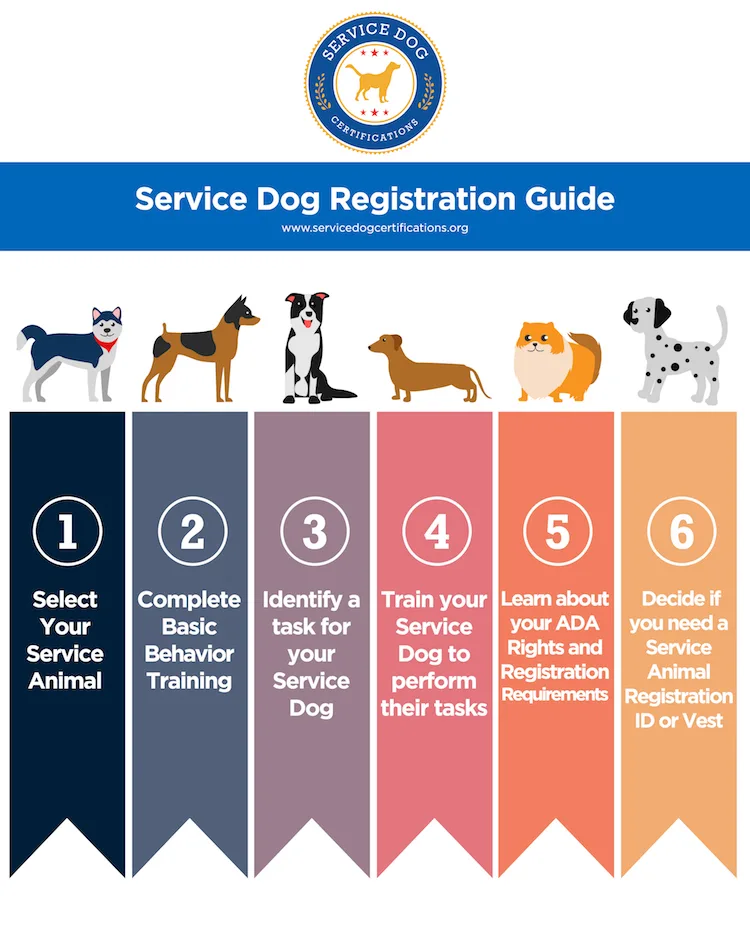
Training a dog to be a service animal starts with basic obedience skills. These skills build a strong foundation for more advanced training. They help the dog understand what is expected and how to behave in different situations. Teaching these skills early makes the training process smoother and more effective.
Commands To Master
Start with simple commands like sit, stay, come, and heel. These commands keep your dog focused and safe. They also help your dog learn self-control. A service dog must respond quickly to commands without hesitation. Practice these commands in different places and with distractions.
Consistency In Training
Train your dog at the same times every day. Use the same words and tone for each command. Consistency helps your dog understand what you want. It also builds trust between you and your dog. Keep training sessions short but regular to keep your dog’s attention.
Positive Reinforcement
Reward your dog with treats, praise, or play after good behavior. Positive reinforcement encourages your dog to repeat those actions. Avoid punishment, which can create fear or confusion. Celebrate small successes to keep your dog motivated. This method builds a happy and willing service dog.
Specialized Service Training
Specialized service training is the key to turning a dog into a reliable helper. This training focuses on teaching the dog skills that match the handler’s needs. It also prepares the dog to behave well in public places. The training shapes the dog’s actions, so they stay calm and focused during daily tasks.
Task-specific Skills
Each service dog learns tasks that help their owner. These tasks depend on the person’s disability. For example, a dog might be trained to open doors, pick up dropped items, or alert to sounds. Training starts with simple steps and builds up. Repetition and rewards help the dog remember each task. Clear commands make it easy for the dog to understand what to do.
Public Access Behavior
Service dogs must behave well in public. They need to ignore distractions and stay by their handler’s side. Good manners include not barking, jumping, or sniffing others. The dog must walk calmly on a leash and wait patiently. Training in different places helps the dog get used to crowds, noises, and other animals. This practice makes public outings smooth and stress-free.
Distraction Proofing
Distraction proofing helps dogs focus in busy settings. Trainers use noises, sights, and smells to test the dog’s attention. The dog learns to ignore these distractions and keep working. This skill is important for safety and effectiveness. Regular practice with distractions keeps the dog sharp. It also builds the handler’s trust in their service animal.

Credit: www.abilities.com
Socialization Techniques
Socialization is key for training a service dog. It helps the dog stay calm and confident in different places and situations. Early socialization builds trust and good behavior. It also reduces fear and anxiety.
Start socializing your dog in safe, controlled ways. Gradually introduce new sights, sounds, and smells. This creates a strong foundation for service work. Socialization should be part of daily training routines.
Exposure To Various Environments
Take your dog to many places like parks, stores, and streets. Let the dog experience different surfaces like grass, concrete, and gravel. New environments teach the dog to focus despite distractions. Keep these visits short at first. Slowly increase the time as the dog gets comfortable.
Interaction With People And Animals
Allow your dog to meet different people gently. Include adults, children, and seniors. Teach your dog to remain calm near strangers. Introduce other dogs and animals carefully. Controlled interactions help your dog stay relaxed and polite. Social skills are vital for a service animal’s success.
Handling Stressful Situations
Practice calm behavior during loud noises or busy places. Use small steps to expose your dog to stressful moments. Reward calmness and focus with treats or praise. Teach your dog to ignore distractions and stay on task. This training builds resilience and trust in your dog.
Legal And Certification Aspects
Training a dog to be a service animal requires more than just teaching tasks. Legal rules and proper certification are key parts of the process. Knowing these rules helps avoid problems and ensures your dog can assist you in public places. This section covers important legal facts, how to get your dog certified, and the rights and duties that come with having a service animal.
Understanding Service Dog Laws
Service dogs have special legal protections. The Americans with Disabilities Act (ADA) allows them in public places. This law says service dogs must help people with disabilities. Only dogs trained to do specific tasks qualify. Pets or comfort animals do not have these rights. Learning the law helps you know where your service dog can go.
Certification Processes
No official government certificate is required for service dogs in the U.S. But many trainers offer certification to show a dog is trained. This can make access easier in some places. Training must focus on tasks related to a disability. Basic obedience alone does not count. Keep records of your dog’s training to prove its status if asked.
Rights And Responsibilities
Service dog handlers have rights to enter public places. They can bring their dogs to stores, restaurants, and transportation. Owners must keep the dog under control and clean. The dog should not disturb others. Handlers must also respect rules and ask for help when needed. Knowing your rights and duties makes service dog use smooth and safe.
Maintaining Service Dog Skills
Training a service dog does not end after initial lessons. Maintaining skills is key to keeping your dog reliable and effective. Regular practice helps your dog remember important tasks. Health care ensures the dog stays strong and alert. Watching behavior helps catch problems early and keeps training on track.
Regular Practice Routines
Set daily times to review your dog’s commands and tasks. Short, frequent sessions work best for focus. Practice in different places to keep skills sharp. Use clear, consistent commands to avoid confusion. Reward good work with treats or praise. This routine builds confidence and reliability in your dog.
Ongoing Health Care
Keep your dog healthy with regular vet visits. Check for any signs of illness or pain. Good nutrition supports energy and alertness. Regular exercise helps maintain muscle strength and stamina. Groom your dog to prevent skin problems or discomfort. A healthy dog performs better and stays happy.
Behavior Monitoring
Watch your dog’s behavior every day. Notice any changes in mood or focus. Early signs of stress or anxiety need attention. Address bad habits quickly to prevent them from growing. Stay patient and consistent with corrections. Healthy behavior supports effective service work and safety.
Credit: www.servicedogcertifications.org
Frequently Asked Questions
What Is The First Step To Train A Service Dog?
The first step is to assess your dog’s temperament and suitability. Choose a calm, intelligent, and obedient dog breed for service training. Early socialization and basic obedience training are essential before specialized service tasks begin.
How Long Does It Take To Train A Service Animal?
Training a service animal typically takes 6 months to 2 years. The timeline depends on the dog’s ability and the complexity of tasks. Consistent, daily training sessions improve skill acquisition and reliability.
What Skills Must A Service Dog Learn?
Service dogs learn tasks specific to their handler’s needs, such as guiding, alerting, or fetching. Basic obedience, public access behavior, and distraction control are vital. Task training is tailored to assist with disabilities effectively.
Can Anyone Train Their Dog As A Service Animal?
Yes, anyone can train their dog, but it requires dedication and expertise. Professional guidance ensures proper task training and public behavior. Legal requirements vary, so understanding local laws is important.
Conclusion
Training your dog to be a service animal takes time and patience. Start with basic commands and build trust. Consistency and positive rewards help your dog learn faster. Always practice in different places and situations. Remember, each dog learns at its own pace.
Keep your training clear and simple. Your effort will make a big difference in your dog’s skills. A well-trained service dog can provide real help and support. Stay patient and enjoy the journey together.


