

Training your Shih Tzu dog can be a fun and rewarding experience, but it also comes with its own set of challenges. If you want your furry friend to listen, behave well, and enjoy learning new tricks, you need the right approach.
Imagine having a calm, happy Shih Tzu who follows your commands and feels confident in any situation. That’s exactly what you’ll discover here. Keep reading, and you’ll learn simple, effective tips to make training your Shih Tzu easier than ever before.
Your dog will thank you for it!
Credit: www.youtube.com
Choosing The Right Training Approach
Choosing the right training approach is key to teaching your Shih Tzu successfully. Each dog learns differently, so pick a method that fits your pet’s personality. Training should be fun and stress-free for both of you. This helps your Shih Tzu stay interested and eager to learn.
Patience and understanding make training sessions more effective. Avoid harsh methods that can scare your dog. Instead, focus on techniques that build trust and encourage good behavior. Here are some important points to consider when training your Shih Tzu.
Positive Reinforcement Techniques
Positive reinforcement means rewarding your dog for good behavior. Use treats, praise, or petting to show approval. This encourages your Shih Tzu to repeat the behavior. Avoid punishment as it can cause fear and confusion. Celebrate small wins to keep your dog motivated. Consistent rewards create a strong bond and help learning.
Consistency In Commands
Use the same words and gestures for each command. This helps your Shih Tzu understand what you want. Everyone in the family should use the same commands. Mixed signals can confuse your dog. Practice commands daily in short sessions. Consistency leads to faster learning and fewer mistakes.
Setting Realistic Goals
Set small, clear goals for each training session. Start with basic commands like sit, stay, and come. Gradually introduce more complex tasks. Avoid rushing your Shih Tzu to learn too fast. Each dog has its own pace. Realistic goals prevent frustration and keep training fun.
Essential Training Commands
Training your Shih Tzu starts with teaching essential commands. These commands help your dog behave well and stay safe. They also build a strong bond between you and your pet. Focus on simple, clear commands that your dog can easily understand. Keep training sessions short and positive to hold your dog’s attention.
Sit And Stay
Teach your Shih Tzu to sit on command. Hold a treat close to their nose, then move it up slowly. This motion makes your dog sit naturally. Say “sit” clearly as they do it. Give the treat and praise immediately. Next, add the “stay” command. Ask your dog to sit, then show your palm like a stop sign. Take a step back and say “stay.” If your dog stays, reward with a treat. Practice this often to build patience and control.
Come When Called
This command keeps your Shih Tzu safe outdoors. Use a happy voice and say your dog’s name, then say “come.” When your dog comes to you, offer a treat and lots of praise. Start training in a quiet place with few distractions. Gradually practice in different areas. Never call your dog to punish. Make coming to you the best part of their day.
Leash Walking Basics
Leash walking teaches your Shih Tzu to walk calmly beside you. Use a comfortable harness and a short leash. Start indoors or in a quiet yard. Let your dog sniff but keep the leash loose. If your dog pulls, stop walking. Wait until the leash is slack again, then move forward. Use treats to reward walking nicely. Practice short sessions daily to build good habits.
Housebreaking Your Shih Tzu
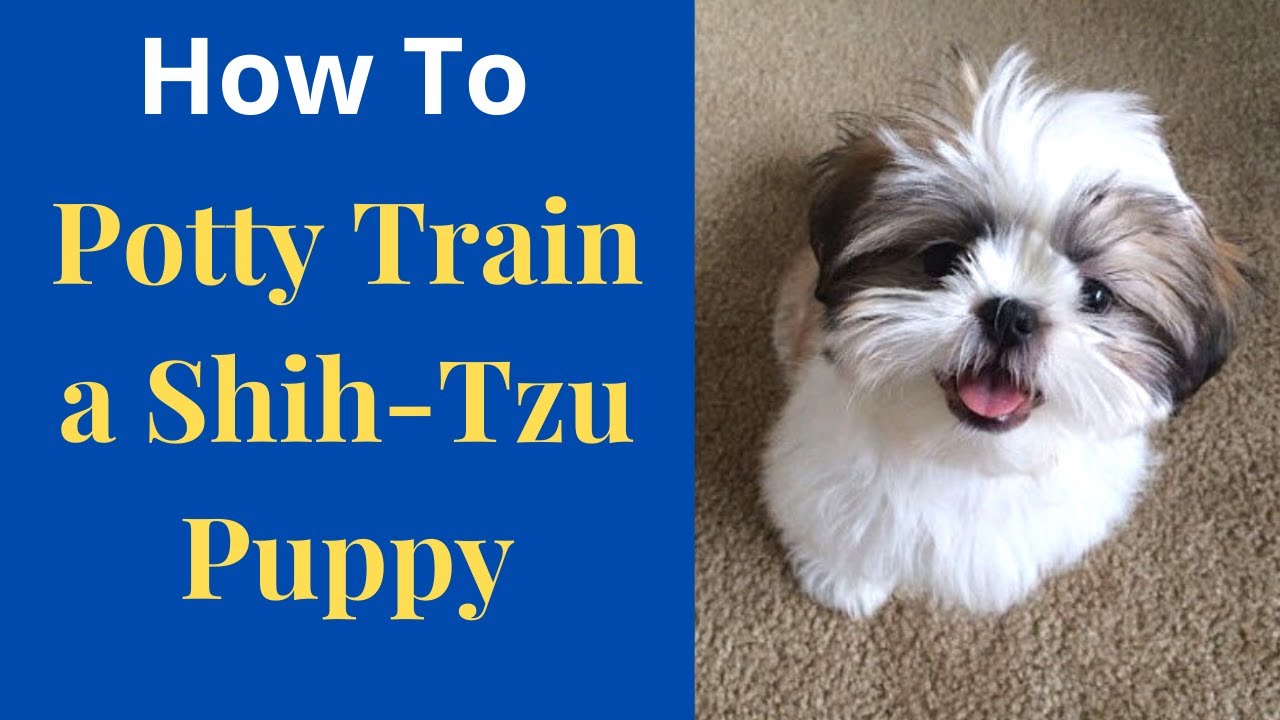
Housebreaking your Shih Tzu is a key step in raising a happy, clean pet. This process helps your dog learn where to go potty and keeps your home fresh. Patience and consistency make housebreaking easier for both of you.
Crate Training Benefits
Crate training helps your Shih Tzu feel safe and secure. Dogs do not like to soil their sleeping area. Using a crate teaches your dog to hold its bladder. It also prevents accidents when you cannot watch your dog. Keep the crate cozy and just the right size. This makes your dog comfortable and willing to stay inside.
Establishing A Routine
Set a regular schedule for bathroom breaks. Take your Shih Tzu outside first thing in the morning. Frequent trips after meals, playtime, and naps help. Consistent timing helps your dog learn when to go. Praise your dog every time it goes outside. This builds good habits faster.
Handling Accidents
Accidents are normal during housebreaking. Clean the area well to remove smells. This stops your dog from returning there. Never punish your Shih Tzu for accidents. It can cause fear and confusion. Stay calm and guide your dog back to the right spot. Patience is key to success.

Credit: www.youtube.com
Socializing Your Shih Tzu
Socializing your Shih Tzu is key for a happy, confident dog. Early social experiences help your pet feel safe around people, other dogs, and new places. It reduces fear and builds good behavior. Start socializing as soon as your Shih Tzu is comfortable with basic training.
Introducing To New People
Let your Shih Tzu meet different people often. Invite friends and family to gently pet your dog. Use treats to create a positive feeling. Avoid forcing your dog to interact. Let your Shih Tzu approach new people at their own pace. This builds trust and friendliness.
Meeting Other Dogs
Arrange playdates with calm, vaccinated dogs. Keep the first meetings short and relaxed. Watch your Shih Tzu’s body language closely. Stop if your dog seems scared or aggressive. Gradually increase time spent with other dogs. Positive dog interactions improve social skills and reduce anxiety.
Exposure To Different Environments
Take your Shih Tzu to various safe places. Parks, pet-friendly stores, and quiet streets work well. Let your dog explore sights, sounds, and smells. Keep outings short at first to avoid stress. New environments help your Shih Tzu adapt and stay calm in many situations.
Dealing With Common Challenges
Training a Shih Tzu can bring joy and some challenges. Many owners face common issues that need patience and smart techniques. Addressing these problems early helps your dog grow happy and well-behaved.
Barking Control
Shih Tzus often bark to alert or get attention. Constant barking can disturb your peace and annoy neighbors. Teach your dog a quiet command and reward silence. Use gentle corrections when barking is excessive. Exercise your dog daily to reduce boredom, a common cause of barking.
Chewing And Biting
Chewing is normal, but it can damage your belongings. Provide safe chew toys to satisfy this need. Redirect your dog’s biting to toys, not hands or furniture. Praise good behavior and stop playtime if biting gets rough. Consistency helps your Shih Tzu learn limits quickly.
Separation Anxiety
Shih Tzus love company and may feel anxious alone. Signs include whining, barking, or destructive acts. Start with short absences and increase time slowly. Create a safe space with toys and familiar scents. Calm departures and arrivals ease your dog’s stress.
Maintaining Training Progress
Maintaining training progress is key to a well-behaved Shih Tzu. Training does not end after the first few lessons. Consistency keeps your dog’s skills sharp and behavior stable. It also strengthens the bond between you and your pet. Regular attention helps avoid bad habits from returning.
Regular Practice Sessions
Practice sessions should be short and frequent. Aim for 5 to 10 minutes daily. Choose quiet times with few distractions. Repeat commands your Shih Tzu has learned. This keeps commands fresh in their mind. Regular practice helps your dog respond quickly and correctly.
Reward Systems
Use treats and praise to encourage good behavior. Rewards motivate your Shih Tzu to follow commands. Keep treats small and healthy. Praise with a happy voice and petting. Change rewards occasionally to keep your dog interested. Positive reinforcement builds trust and eagerness to learn.
Adapting As Your Dog Grows
Your Shih Tzu’s needs change with age. Puppies need gentle guidance and patience. Adult dogs can handle more complex tasks. Older dogs may need slower, simpler training. Adjust the difficulty and type of commands. Watch your dog’s energy and attention levels. Training should always fit your dog’s stage of life.

Credit: www.akc.org
Frequently Asked Questions
How Long Does It Take To Train A Shih Tzu?
Training a Shih Tzu typically takes 8 to 12 weeks. Consistency and patience speed up learning. Daily short sessions work best for their attention span. Early socialization improves obedience and behavior significantly.
What Is The Best Age To Start Training Shih Tzu?
Start training your Shih Tzu puppy at 8 weeks old. Early training builds good habits and social skills. Puppies are most receptive to learning during this period. Gentle, positive reinforcement works best for young dogs.
How Do I Potty Train My Shih Tzu Effectively?
Establish a regular bathroom schedule and use positive reinforcement. Take your Shih Tzu outside frequently, especially after meals and naps. Praise and reward them immediately after they eliminate outside. Consistency and patience are key to success.
What Commands Should I Teach My Shih Tzu First?
Begin with basic commands like sit, stay, come, and down. These commands build a foundation for good behavior. Use treats and praise as motivation. Short, frequent training sessions help your Shih Tzu learn faster.
Conclusion
Training a Shih Tzu takes patience and love. Start with small, clear commands every day. Praise good behavior to encourage learning. Keep sessions short to hold their attention. Consistency helps your dog understand rules faster. Remember, each Shih Tzu learns at their own pace.
Enjoy the process and build a strong bond. Training creates a happy, well-behaved pet. Your effort will make life easier and joyful. Keep practicing, and you will see progress soon.


