
Have you ever wondered why your dog acts differently when another dog is around? Understanding dog mating behavior can give you valuable insights into your pet’s actions and needs.
Whether you’re a dog owner, breeder, or just curious, knowing what drives these natural instincts helps you care for your dog better. You’ll discover the key signs, stages, and reasons behind dog mating behavior—so you can recognize what’s happening and respond in the best way.
Keep reading to unlock the secrets of your dog’s natural world.
Mating Seasons And Cycles
Understanding dog mating seasons and cycles helps owners recognize natural behaviors. Dogs follow specific patterns that guide their reproductive actions. These patterns vary by gender and time of year. Observing these signs aids in managing dogs responsibly during mating periods.
Female Heat Cycle
Female dogs experience heat cycles, also called estrus. This cycle happens twice a year on average. During heat, females show physical and behavioral changes. Swelling of the vulva and bleeding are common signs. Females become receptive to males only during this time.
The heat cycle lasts about three weeks. It has different stages: proestrus, estrus, diestrus, and anestrus. Estrus is the fertile period when mating occurs. Knowing these stages helps predict when females can conceive.
Male Readiness
Male dogs are ready to mate any time after puberty. They don’t have heat cycles like females. Instead, their interest rises when they sense a female in heat. Males detect females using scent and behavior signals. They may become restless or more vocal during this time.
Male dogs can mate multiple times during a female’s heat cycle. Their readiness depends on health and age. Younger males show more energy, while older males may slow down. Observing male behavior can indicate mating interest and drive.
Seasonal Patterns
Many dogs show seasonal mating patterns linked to daylight and temperature. Wild dogs and some breeds mate mostly in spring and fall. Domestic dogs may not follow strict seasons due to controlled environments. However, natural instincts still influence their cycles.
Seasonal changes affect hormone levels and reproductive readiness. Breeders often plan mating based on these patterns. Recognizing seasonal trends helps avoid unwanted pregnancies and manage breeding better. Each dog may have unique timing within common seasonal patterns.
Credit: www.petscare.com
Signs Of Fertility
Signs of fertility in dogs are clear and important to notice. Understanding these signs helps pet owners recognize when a female dog is ready to mate. It also explains how males respond to females in heat. These signs include changes in the body and behavior of both female and male dogs.
Physical Indicators In Females
Female dogs show clear physical signs during their fertile period. Their vulva becomes swollen and soft. There is often a discharge, which changes color from bloody to lighter. This discharge signals the start and progress of the heat cycle. The female may also lick the area more often. These signs usually last about two to three weeks.
Behavioral Changes
Females act differently when fertile. They become more restless and may pace around. Some dogs become very affectionate and seek attention. Others might show mild aggression or irritability. Females may raise their tail to one side to invite males. They also show more interest in other dogs, especially males. These behaviors help signal their readiness to mate.
Signals From Males
Males react strongly to females in heat. They may sniff and lick the female more frequently. Some males try to stay close to the female. They might bark or whine to get her attention. Male dogs also show increased excitement and restlessness. These signals show their interest and readiness to mate.
Courtship Rituals
Dog mating behavior includes unique courtship rituals. These rituals help dogs connect and prepare for mating. Each dog uses body language and sounds to show interest.
Understanding these rituals gives insight into how dogs communicate during mating. The following sections explain key behaviors seen in dog courtship.
Sniffing And Nuzzling
Dogs use their noses to learn about each other. Sniffing tells a dog about the other’s health and readiness. Nuzzling is a gentle way to show affection. These actions build trust between the pair.
Play Behavior
Play is a common part of courtship. Dogs chase, paw, and wrestle lightly. This helps them feel comfortable and close. Play also shows energy and good health, important for mating.
Vocalizations
Dogs use sounds to communicate during courtship. Soft barks, whines, and growls express feelings. These sounds can invite or warn the other dog. Listening helps dogs understand each other’s mood.
Mating Process
The mating process in dogs is a natural and unique behavior. It involves several steps that lead to successful reproduction. Understanding these steps helps pet owners and breeders manage the process safely and calmly.
Dogs rely on instincts during mating. Their actions follow a clear pattern from start to finish. Let’s explore the key parts of this process.
Mounting And Positioning
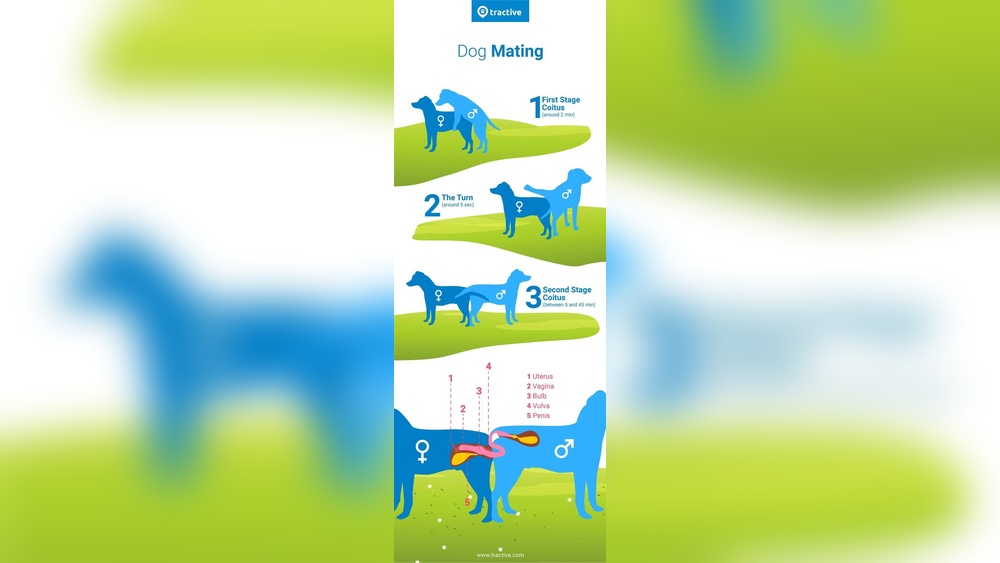
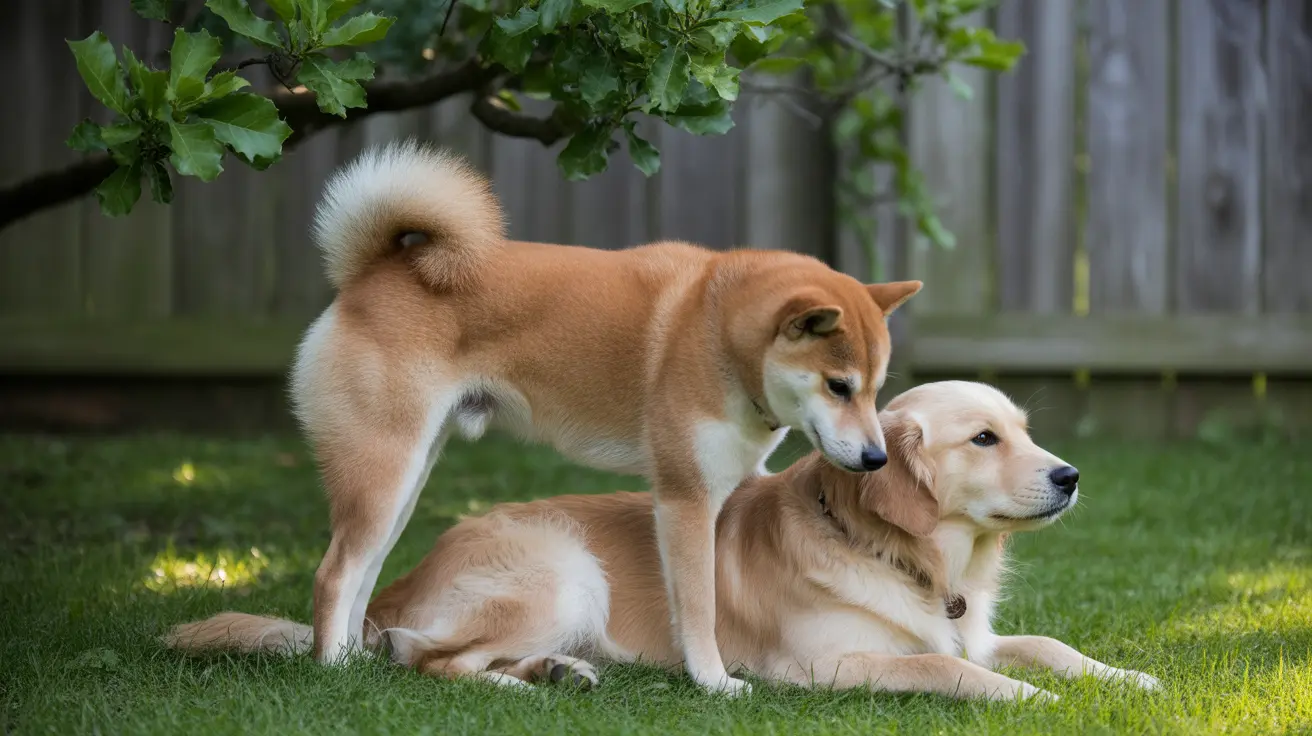
The male dog mounts the female from behind. This position allows for proper alignment. The female usually stands still or moves slowly. Mounting helps the male to deposit sperm close to the female’s reproductive tract. This step is essential for fertilization.
Tie Phenomenon
After mounting, dogs often experience a “tie.” This means their genitals lock together. The tie can last from a few minutes to over half an hour. It helps keep the sperm inside the female. During this time, dogs may remain connected, unable to separate easily.
Duration And Frequency
The entire mating process can take 20 to 30 minutes or more. Dogs may mate several times during the female’s fertile period. Multiple matings increase the chance of pregnancy. Each session includes mounting, tie, and separation. Timing and frequency depend on the dogs’ health and readiness.
Common Challenges
Dog mating behavior can be complex and challenging. Owners and breeders often face several common problems during this process. Understanding these challenges helps manage dogs better and ensures safer mating experiences.
Aggression And Competition
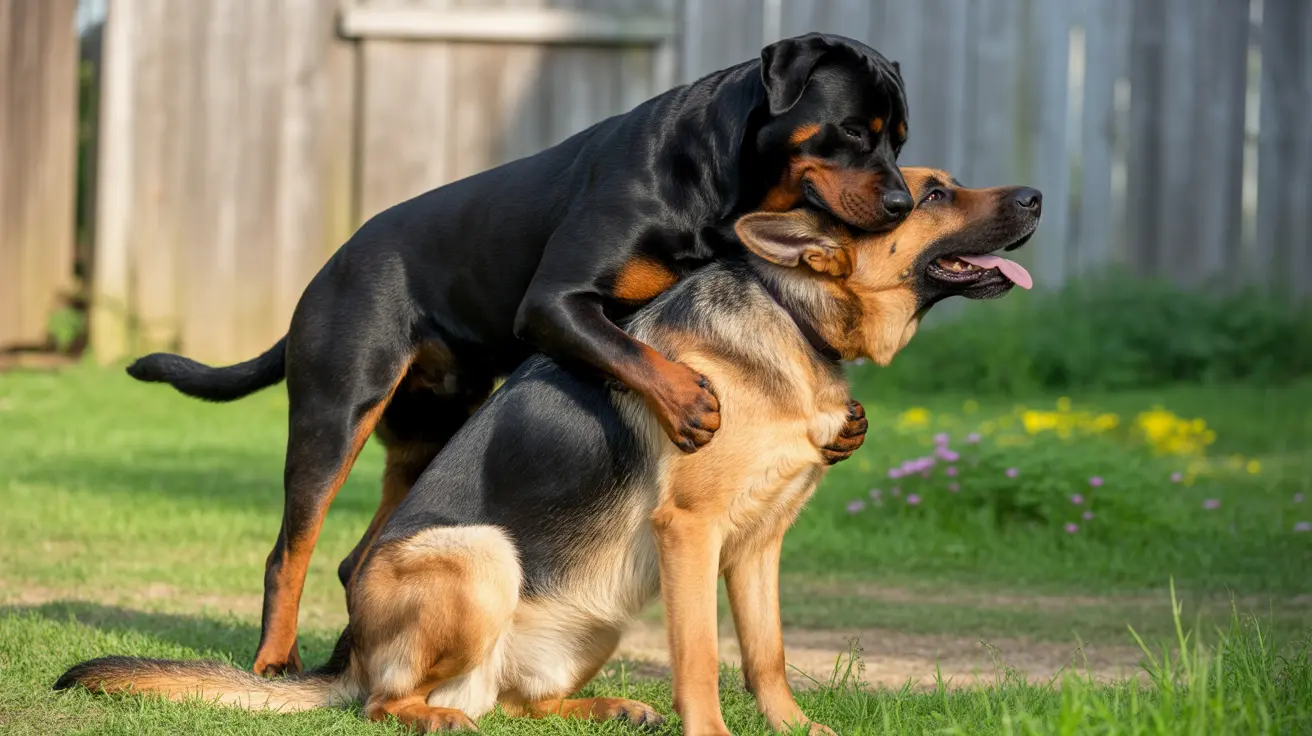
Aggression is a common issue during dog mating. Males may fight over females, leading to injuries. Competition creates stress and tension among dogs. Proper supervision is necessary to avoid conflicts. Separate dogs if aggressive behavior appears. Calm environments reduce aggressive tendencies.
Health Concerns
Health is crucial in dog mating. Dogs should be free of diseases before breeding. Some infections spread during mating. Regular vet check-ups help prevent health risks. Pregnant females need special care for their well-being. Monitoring health ensures safer pregnancies and puppies.
Behavioral Issues
Mating can trigger unwanted behaviors. Dogs may become anxious or overly excited. Some males show dominance or restlessness. Females might reject or avoid males. Training and patience are key to managing these behaviors. Understanding dog signals improves mating success.
Credit: www.petscare.com
Breeding Considerations
Breeding dogs requires careful thought and planning. It is not just about letting dogs mate. Many factors affect the health and behavior of puppies. Responsible breeding helps produce strong and happy dogs. This section explains key points to consider before breeding.
Choosing Suitable Partners
Selecting the right dogs for breeding is very important. Both dogs should be healthy and free from diseases. Their size and temperament should match well. Avoid mating dogs that have bad behavior or health issues. Good partners increase the chances of healthy puppies.
Genetic Factors
Genetics play a big role in breeding. Some traits pass from parents to puppies. Breeders must know the family history of both dogs. This helps reduce the risk of inherited diseases. Testing for genetic problems keeps future puppies safe. Strong genes lead to strong puppies.
Ethical Breeding Practices
Breeding should always be done with care and respect. Dogs must be treated kindly and not forced. Give them proper space and comfort during mating. Avoid breeding too often to protect the mother’s health. Ethical breeders think about the dog’s wellbeing first.
Post-mating Care
Post-mating care is vital for the health of the dog and her puppies. After mating, your dog needs gentle attention and proper care to support pregnancy. This phase helps ensure the best chance of a healthy litter. Watching her closely and understanding her needs is key.
Monitoring Health
Keep a daily check on your dog’s behavior and appetite. Notice any unusual signs like vomiting or lethargy. Maintain a clean and quiet space for her to rest. Regular visits to the vet can catch problems early. Vaccinations and parasite control are important during this time.
Signs Of Pregnancy
Look for changes in her body and habits. Swollen nipples and increased appetite often appear early. She may become more tired and less active. Weight gain and a growing belly come later. These signs confirm she is pregnant and need gentle care.
Preparing For Whelping
Set up a warm, quiet area for your dog to give birth. Use soft bedding and keep the space clean. Gather supplies like towels, heating pads, and scissors. Learn the signs of labor and when to call the vet. Being ready helps reduce stress for your dog.

Credit: www.mediastorehouse.com
Owner’s Role And Responsibility
Dog mating behavior needs careful attention from owners. They play a key role in guiding and protecting their pets during this time. Understanding this responsibility helps ensure the health and safety of both dogs.
Providing A Safe Environment
Creating a quiet, secure place is important. Dogs feel calmer and act naturally in familiar spaces. Remove distractions and loud noises to keep them relaxed. A safe spot helps prevent accidents or fights between dogs.
Managing Stress
Stress can affect dogs’ mating behavior. Owners should watch for signs like pacing or whining. Giving dogs time to rest and avoiding too many visitors reduces stress. Calm dogs are more likely to mate successfully.
Consulting Veterinarians
Veterinarians offer expert advice on dog mating. They can check health and suggest the best time for breeding. Regular vet visits prevent infections and complications. Trusting vets supports safe and healthy mating experiences.
Frequently Asked Questions
What Are Common Signs Of Dog Mating Behavior?
Dogs show restlessness, sniffing, licking, and mounting during mating. Females may signal readiness by flagging their tail. Males display increased interest and vocalizations. These behaviors indicate dogs are in heat and ready to mate.
How Long Does The Dog Mating Process Last?
Dog mating typically lasts 15 to 30 minutes. After mounting, dogs become “tied” together for several minutes. This tie helps ensure successful fertilization. The entire process includes courtship, mating, and separation phases.
When Is The Best Time To Mate A Female Dog?
The ideal mating time is during the female’s estrus phase. This phase occurs about 9 to 14 days into her heat cycle. Mating during this window increases chances of successful pregnancy. Monitoring behavior helps identify the best timing.
Can Dog Mating Behavior Vary By Breed?
Yes, mating behaviors can vary slightly by breed. Larger breeds may show more pronounced courtship rituals. Smaller breeds might have quicker mating sessions. However, basic mating instincts remain consistent across all dogs.
Conclusion
Understanding dog mating behavior helps you care for your pet better. Dogs show clear signs when they want to mate. Watching their actions helps prevent unwanted pregnancies. Knowing their natural habits keeps your dog happy and safe. Always provide a calm and secure space for them.
Respect their instincts and needs during mating times. This knowledge makes you a responsible dog owner. Caring for dogs means learning about all parts of their life. Observing and understanding behavior builds a stronger bond with your dog. Keep learning and stay patient with your furry friend.


