

Does your dog bark nonstop whenever someone walks by? It can be frustrating and embarrassing, especially when guests arrive or neighbors pass your home.
But don’t worry—you can teach your dog to stay calm and stop barking at people. You’ll discover simple, effective steps that anyone can follow. By the end, you’ll have the tools to create a peaceful environment for both you and your furry friend.
Ready to turn down the volume and enjoy quieter days? Let’s get started!
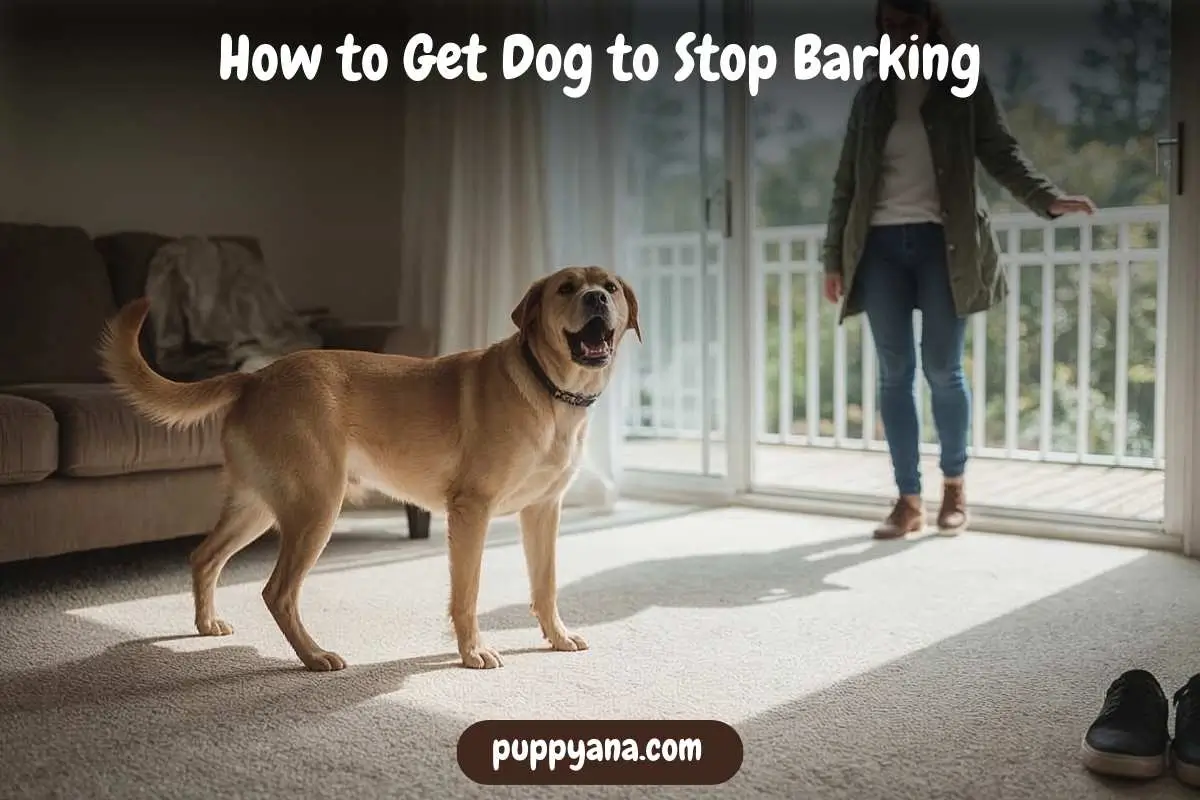
Credit: puppyana.com
Reasons Dogs Bark At People
Dogs bark at people for many reasons. Barking is their way of talking. Understanding why your dog barks helps you stop it better. Some dogs bark to protect their home. Others bark because they feel scared. Some want your attention and use barking as a tool. Knowing these reasons is the first step to training your dog.
Territorial Behavior
Dogs see their home as their space. They bark to warn strangers to stay away. This is natural for many dogs. Barking protects their territory from strangers. Dogs feel safer when they bark loudly. This behavior can be strong in some breeds. Training helps dogs learn when barking is okay.
Fear And Anxiety
Fear causes many dogs to bark at people. Unknown people or loud noises can scare them. Barking acts as a shield to feel safe. Some dogs feel nervous around strangers. Anxiety can make barking worse over time. Comfort and gentle training help reduce this fear.
Attention Seeking
Dogs like attention from their owners. Barking is one way to get noticed. If barking brings a reaction, dogs use it more. Sometimes dogs bark to start play or get treats. Ignoring unnecessary barking teaches dogs better behavior. Reward quiet behavior to encourage calmness.
Credit: www.allbreeds.au
Signs Of Excessive Barking
Recognizing signs of excessive barking is the first step to control your dog’s behavior. Barking is normal for dogs. It helps them communicate with you and others. But too much barking can cause problems for you and your neighbors.
Notice how often and how long your dog barks. This helps identify if barking is excessive. Watch for specific triggers or patterns that cause your dog to bark. These clues guide you in training your dog to stop barking at people.
Frequency And Duration
Count how many times your dog barks each day. Pay attention to barking that lasts a long time. Constant barking for several minutes is a sign of excess. Short barks here and there usually do not cause trouble. Excessive barking can drain your dog’s energy and stress both of you.
Triggers And Patterns
Observe what makes your dog bark at people. Common triggers include strangers, delivery workers, or children. Notice if your dog barks at certain times or places more often. Patterns help you understand your dog’s fear or excitement. This knowledge helps create a better training plan.
Basic Training Techniques
Training your dog to stop barking at people needs patience and clear steps. Basic training techniques help your dog understand what behavior you want. These methods build trust and make learning easy for your dog.
Positive Reinforcement
Positive reinforcement means rewarding good behavior. Give treats, praise, or pets when your dog stays calm. This teaches your dog that quiet behavior brings rewards. Avoid punishment as it can cause fear or confusion. Consistent rewards help your dog learn faster.
Teaching The Quiet Command
Start by letting your dog bark a few times. Say “quiet” in a calm, firm voice. Wait for your dog to stop barking even for a moment. Immediately give a treat or praise. Repeat this often. Soon, your dog will understand the “quiet” command means stop barking.
Redirecting Attention
Distract your dog when it starts barking at people. Use a toy, treat, or call your dog’s name. This shifts focus from the person to you. Practice this in different places. Redirecting attention stops barking before it starts. It also strengthens your bond with your dog.
Desensitization Methods
Desensitization is a gentle way to help your dog stop barking at people. It teaches your dog to stay calm around strangers. This method slowly changes how your dog feels about people. Patience and consistency are key to success.
Controlled Exposure To People
Start by showing your dog people from a safe spot. Use calm, quiet people who follow your instructions. Let your dog see them without getting too close. Reward your dog with treats and praise for staying calm. Repeat this often to build positive feelings.
Gradual Increase In Distance
After your dog stays calm at a distance, slowly bring people closer. Move step by step, never rushing the process. Watch your dog’s body language to avoid stress. Stop if your dog starts barking or acting scared. Give rewards for calm behavior at each step.
Managing Environment
Managing your dog’s environment is key to reducing barking at people. Dogs react to sights and sounds around them. Controlling these triggers helps calm your dog. A quiet, safe space makes a big difference. Here are ways to manage your dog’s environment effectively.
Limiting Visual Stimuli
Dogs bark when they see people outside. Block your dog’s view to stop this. Use curtains or blinds on windows. Close doors to rooms facing the street. Place furniture to limit sightlines. This reduces triggers and lowers barking. Less sight means less excitement or fear.
Creating Safe Spaces
Provide a quiet spot for your dog. A crate or corner with toys works well. This space should feel calm and secure. Train your dog to relax there. Use soft bedding and familiar scents. A safe space helps your dog stay calm. It reduces stress and lowers barking at visitors.
Using Tools And Aids
Training a dog to stop barking at people can be easier with the right tools. Tools and aids support consistent training. They help your dog learn faster and understand what you want. Using these tools correctly will improve your dog’s behavior over time.
Clickers And Treats
Clickers make a clear sound to mark good behavior. When your dog stops barking, click the device. Then, give your dog a treat. This helps your dog know exactly what action earns rewards. Treats motivate your dog to repeat the good behavior. Keep training sessions short and fun. This method works well with patient, calm dogs.
Anti-bark Collars
Anti-bark collars give a gentle reminder to stop barking. Some use vibrations, others use a small sound or spray. These collars do not hurt your dog. They only distract your dog when barking starts. Choose a collar that fits your dog comfortably. Always watch your dog’s reaction to the collar. Never use a collar as the only training method.
Consistency And Patience
Training a dog to stop barking at people takes time and effort. Consistency and patience are the keys to success. Dogs learn best when they know what to expect. Keeping training steady helps your dog understand what behavior is right.
Patience means staying calm even if progress is slow. Some dogs take longer to change habits. Giving up too soon can confuse your dog and slow learning. Repeat training steps regularly and reward good behavior. This builds trust and good habits.
Setting A Routine
Dogs thrive with a clear daily routine. Choose specific times for training sessions each day. Short sessions, about 5 to 10 minutes, work best. Regular practice helps your dog learn faster. A routine reduces stress and unwanted barking. It also helps your dog know when to expect commands and rewards.
Involving Family Members
All family members must join in training. Consistent messages from everyone avoid confusion. Teach each person the training method and commands. This ensures the dog hears the same instructions every time. Family involvement makes training stronger and faster. It also creates a calm home where the dog feels safe.

Credit: www.youtube.com
When To Seek Professional Help
Knowing when to seek professional help is important for your dog’s barking issues. Some problems need expert attention beyond basic training. Early help can prevent bad habits from getting worse.
Professional help gives you tools and guidance to manage barking well. It helps both you and your dog feel calm and safe. Watch for signs that your dog’s barking is more than just normal behavior.
Behavioral Issues
Some dogs bark due to deep behavioral problems. Anxiety, fear, or aggression can cause constant barking at people. If your dog shows signs of stress or panic, seek help.
Behavioral problems often need a skilled trainer or animal behaviorist. They can find the root cause and create a plan to help your dog. Trying to fix these issues alone may not work well.
Training Classes And Trainers
Training classes offer structured learning for you and your dog. Group classes teach social skills and reduce barking at strangers. Trainers show you how to reward good behavior and ignore bad barking.
Professional trainers have experience with many dog types and barking problems. They provide personalized advice and support. Choose a trainer who uses gentle, positive methods to keep training safe and fun.
Frequently Asked Questions
How Can I Stop My Dog Barking At Strangers?
Teach your dog a “quiet” command using treats. Reward silence and calmly expose them to strangers. Consistency reduces barking over time.
Why Does My Dog Bark At People Outside?
Dogs bark due to territorial instincts or fear. Understanding triggers helps you address the behavior with training and socialization.
What Training Tools Help Reduce Barking?
Use positive reinforcement tools like treats and clickers. Avoid punishment, as it may increase anxiety and barking.
How Long Does It Take To Train Barking Behavior?
Training time varies by dog but expect weeks of consistent practice. Patience and regular sessions speed up progress.
Conclusion
Training your dog to stop barking at people takes time and patience. Consistency matters most in changing your dog’s behavior. Use calm commands and reward good quiet behavior. Avoid yelling or punishing, as it can cause stress. Practice regularly in different places for better results.
Remember, every dog learns at its own pace. Stay patient and positive throughout the process. You will see progress with steady effort and care. Your dog can become calmer around people with training. Keep working gently and enjoy the bond you build.


