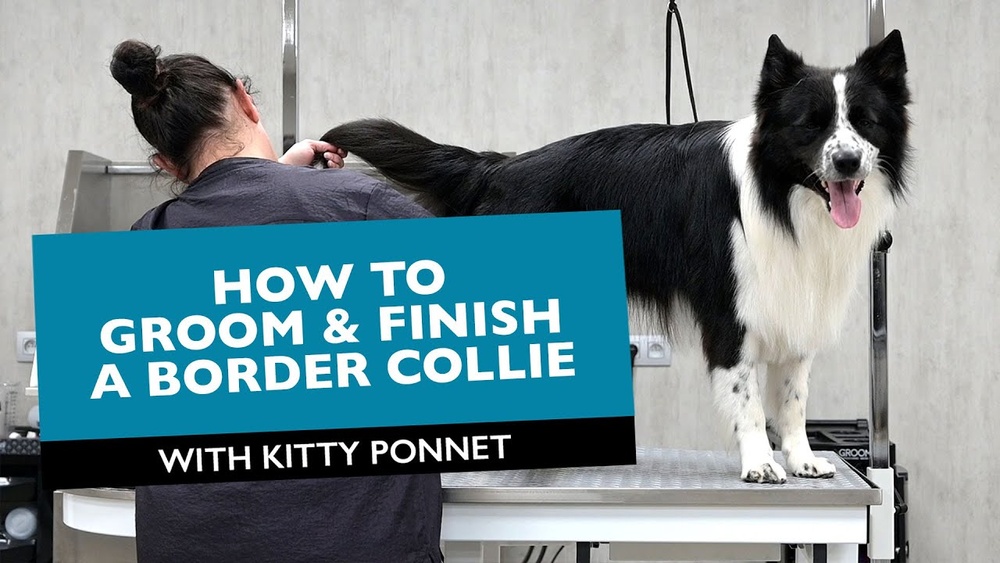
How often should you take your dog to the groomer? If you’ve ever wondered about the best grooming schedule for your furry friend, you’re not alone.
Keeping your dog clean and healthy isn’t just about looks—it affects their comfort, mood, and even overall health. But how do you know when it’s time for a grooming session? You’ll discover simple tips to help you decide the perfect grooming routine tailored just for your dog’s needs.
Stick around—you’ll want to know these insider secrets to keep your pup happy and looking great all year long.

Credit: www.reddit.com
Factors Influencing Grooming Frequency
Several factors affect how often you should take your dog to the groomer. Each dog has unique needs based on breed, age, lifestyle, and even the seasons. Paying attention to these details helps keep your dog clean, healthy, and comfortable. Understanding these factors can guide you in setting a grooming schedule that works best for your pet.
Breed And Coat Type
Different breeds have different coat types. Some have short hair that requires less grooming. Others have long or curly coats that need frequent care. Dogs with thick or double coats often need more regular grooming to avoid mats and tangles. Grooming helps keep their fur clean and free from dirt.
Age And Health
Young puppies may need gentle grooming to get used to the process. Older dogs might have sensitive skin or health issues. Dogs with skin problems or allergies may need special grooming routines. Regular visits to the groomer can help spot health issues early and keep your dog comfortable.
Lifestyle And Activity Level
Active dogs that spend time outdoors usually get dirtier faster. Dogs that swim or play in mud need more frequent grooming. Dogs that live mostly indoors and are less active may need fewer visits. Grooming removes dirt and prevents skin infections for active dogs.
Seasonal Changes
Seasonal weather affects your dog’s coat and skin. In spring and fall, dogs may shed more and need extra grooming. Hot summer months require attention to keep your dog cool and clean. Winter grooming helps remove salt and debris from their fur. Adjust grooming frequency according to the season for best care.
Signs Your Dog Needs Grooming
Dogs need grooming to stay healthy and comfortable. Watching for signs helps decide when to visit the groomer. Grooming keeps their coat clean, skin healthy, and nails trimmed. It also stops problems before they get worse.
Matting And Tangles
Knots in your dog’s fur cause pain and skin issues. Matted fur pulls tightly on the skin. It traps dirt and moisture, leading to infections. Regular grooming removes mats and keeps fur soft. Long-haired dogs need more attention to prevent tangles.
Unpleasant Odors
A bad smell can mean your dog needs cleaning. Odors may come from dirty fur or skin problems. Bathing and grooming remove the smell and dirt. Persistent odors might need a vet check for infections.
Excessive Shedding
Shedding is normal but too much can signal a problem. Grooming removes loose hair and stops it from spreading. Brushing also helps keep the coat healthy. Heavy shedding might mean your dog needs more frequent grooming.
Dirty Ears And Nails
Dirty ears cause discomfort and infections. Groomers clean ears safely to prevent problems. Long nails make walking painful and cause injuries. Regular nail trimming keeps paws healthy and strong. Check ears and nails often for cleanliness.
Typical Grooming Schedules By Breed
Different dog breeds have unique grooming needs. Their coat type affects how often they need a groomer visit. Some dogs require regular trims, while others only need occasional brushing. Understanding these schedules helps keep your dog healthy and comfortable.
Short-haired Breeds
Short-haired dogs usually have low grooming needs. Their coats shed naturally and stay clean with brushing. Visiting a groomer every 8 to 12 weeks is enough. Baths help remove dirt and keep skin healthy.
Long-haired Breeds
Long-haired dogs need more frequent grooming. Their coats can tangle and mat easily. A groomer visit every 4 to 6 weeks works best. Regular trims keep hair manageable and reduce knots.
Double-coated Breeds
Double-coated dogs shed heavily twice a year. Groomers help remove loose undercoat during these times. Every 6 to 8 weeks is a good schedule. Brushing at home also prevents matting and controls shedding.
Hairless And Specialty Breeds
Hairless dogs need gentle skin care more than haircuts. Groomers clean and moisturize their skin carefully. Specialty breeds may need unique grooming routines. Schedule visits every 6 to 8 weeks for the best care.
Benefits Of Regular Grooming
Regular grooming offers many benefits for your dog’s well-being. It helps keep your pet clean, healthy, and happy. Grooming is more than just making your dog look good. It plays an important role in their overall health and comfort.
Taking your dog to the groomer often prevents problems before they start. It also makes your dog feel cared for. Let’s explore the key benefits of regular grooming below.
Health And Hygiene
Grooming removes dirt, dead hair, and loose fur. It helps stop skin infections and bad smells. Clean ears and trimmed nails reduce pain and infections. Regular baths keep your dog’s coat shiny and soft. This keeps your dog fresh and healthy every day.
Early Detection Of Issues
Groomers check your dog closely for lumps or bumps. They notice skin changes, redness, or parasites early. Catching problems early can save your dog from pain. Early treatment means better recovery and fewer vet visits. Grooming acts as a health check for your dog.
Comfort And Appearance
Regular grooming stops mats and tangles that hurt your dog. It keeps your dog cool in hot weather. A neat coat feels nice and looks beautiful. Clean eyes and trimmed nails improve your dog’s comfort. Well-groomed dogs feel happier and move easier.
Bonding Experience
Grooming sessions build trust between you and your dog. They create calm and relaxing moments together. Your dog learns to enjoy being touched and cared for. This strengthens your relationship and reduces anxiety. Grooming is a chance to show love and attention.
Choosing The Right Groomer
Choosing the right groomer is very important for your dog’s health and happiness. A good groomer helps keep your dog clean and comfortable. They also notice any skin problems or other health issues early. Finding a groomer who cares and knows what they are doing makes all the difference.
Qualifications And Experience
Check if the groomer has proper training. Experience matters a lot. An experienced groomer handles dogs gently and safely. They understand different breeds and their specific needs. A qualified groomer can also spot health issues during grooming sessions.
Services Offered
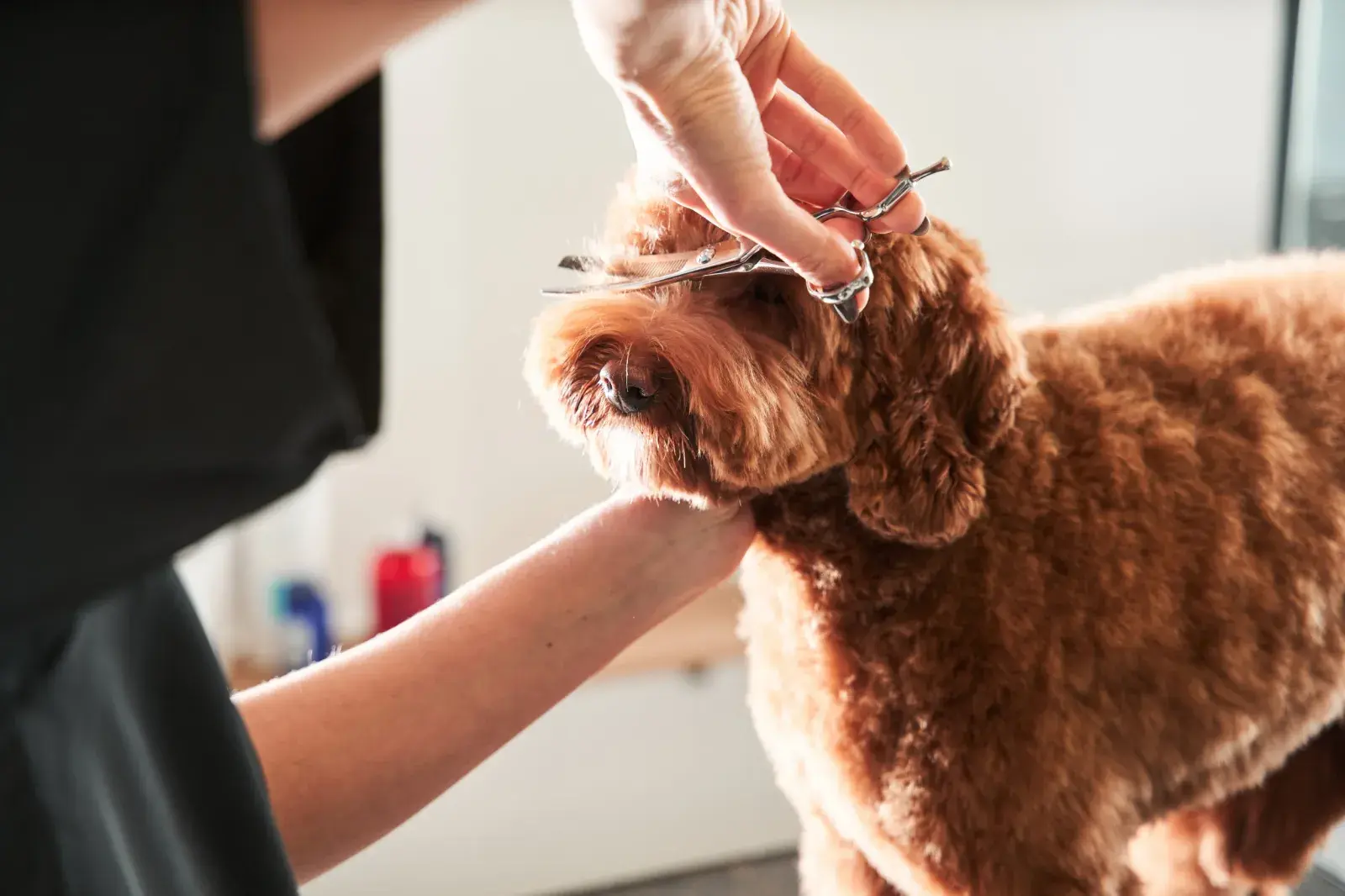
See what services the groomer provides. Common services include bathing, haircuts, nail trimming, and ear cleaning. Some groomers offer special treatments like flea removal or teeth cleaning. Choose a groomer who offers the services your dog needs.
Facility Cleanliness
The grooming place should be clean and tidy. Clean tools prevent infections and keep your dog safe. The environment should feel calm and friendly. A clean facility shows the groomer cares about hygiene and your dog’s well-being.
Reviews And Recommendations
Read reviews from other dog owners. Positive feedback shows the groomer is trusted and skilled. Ask friends or your vet for recommendations. Personal experience often points to the best groomer in your area.
Credit: www.newsweek.com
Diy Grooming Tips Between Appointments
Keeping your dog clean and healthy between grooming visits matters. Regular care helps prevent problems and keeps your dog comfortable. Simple tasks done at home maintain a fresh look and good health. These easy tips save time and keep your dog happy until the next groomer visit.
Brushing And Bathing
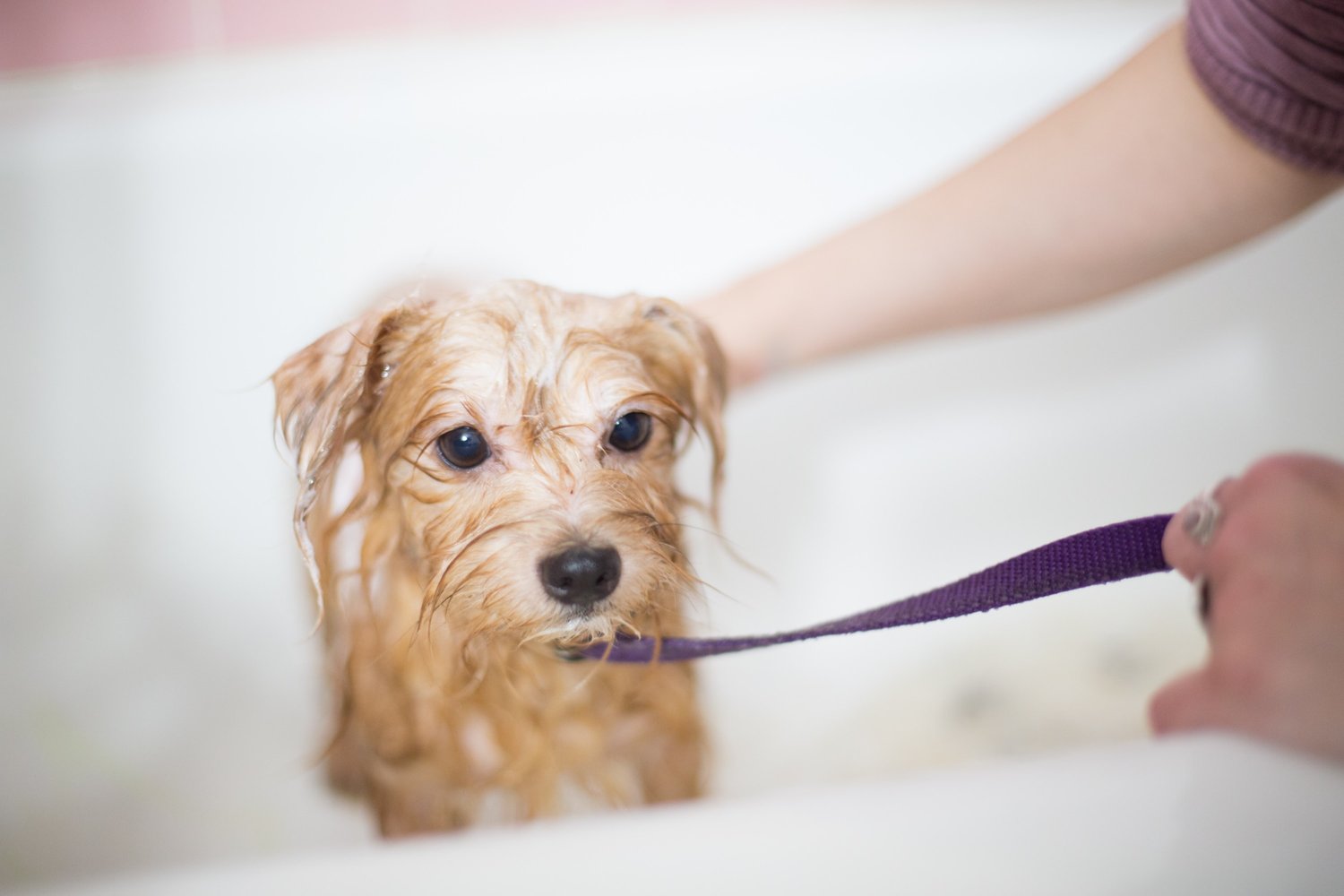
Brush your dog often to remove dirt and loose hair. This stops mats and tangles from forming. Use a brush fit for your dog’s coat type. Bathing every few weeks keeps skin clean and healthy. Use a gentle dog shampoo. Rinse well to avoid skin irritation.
Nail Trimming
Check nails regularly. Long nails cause pain and walking problems. Use dog nail clippers to trim just the tip. Avoid cutting too close to the quick, which hurts. If unsure, trim a little at a time. Smooth edges with a nail file after clipping.
Ear Cleaning
Clean ears to stop infections and remove wax buildup. Use a vet-approved ear cleaner and cotton balls. Gently wipe the outer ear without pushing inside. Watch for redness or bad smells. These signs need a vet’s attention.
Teeth Brushing
Brush your dog’s teeth to prevent bad breath and dental disease. Use a toothbrush and toothpaste made for dogs. Brush gently in small circles. Do this a few times each week. Healthy teeth help your dog stay strong and active.
Adjusting Grooming Frequency As Needed
Adjusting your dog’s grooming schedule is important for their health and comfort. Dogs have different needs depending on their coat type, age, and lifestyle. Watching your dog closely helps you know when to visit the groomer more or less often. Small changes can make a big difference in keeping your dog happy and clean.
Monitoring Coat Condition
Check your dog’s coat regularly. Look for mats, tangles, and dirt buildup. A shiny, smooth coat means grooming is on track. Rough, dirty, or tangled fur signals it’s time for grooming. Pay attention to how fast the hair grows. Coat condition guides how often grooming should happen.
Responding To Health Changes
Health issues affect grooming needs. Skin problems, allergies, or infections need extra care. Grooming can help spot these problems early. If your dog’s skin looks red or irritated, more frequent grooming might help. Talk to your vet and groomer about the best plan.
Seasonal Grooming Adjustments
Seasons change your dog’s grooming needs. In summer, shorter hair helps keep dogs cool. Winter might need longer coats for warmth. Shedding increases in spring and fall, needing more brushing and baths. Adjust visits to the groomer based on the season’s demands.
Credit: houseofpawsgrooming.com
Frequently Asked Questions
How Often Should I Groom My Dog?
Most dogs benefit from grooming every 4 to 8 weeks. Frequency depends on breed, coat type, and lifestyle. Regular grooming prevents mats, reduces shedding, and maintains skin health. Consult your groomer or vet for personalized advice based on your dog’s needs.
Does Breed Affect Grooming Frequency?
Yes, breed greatly influences grooming needs. Long-haired breeds require more frequent grooming than short-haired dogs. Some breeds need specialized care like trimming or de-shedding. Understanding your breed’s coat helps set a proper grooming schedule to keep your dog healthy and comfortable.
Can Grooming Prevent Health Issues In Dogs?
Regular grooming helps spot skin problems, infections, and parasites early. It also keeps nails trimmed, reducing injury risks. Clean ears prevent infections, and brushing aids coat health. Grooming contributes to your dog’s overall well-being and comfort by maintaining hygiene and detecting issues early.
What Signs Indicate My Dog Needs Grooming?
Look for matting, excessive shedding, foul odor, and dirty ears. Overgrown nails or irritated skin also signal grooming is due. If your dog seems uncomfortable or itchy, it’s time for a grooming session. Regular checks help maintain your dog’s health and happiness.
Conclusion
Regular grooming keeps your dog healthy and happy. The right schedule depends on your dog’s breed, coat, and lifestyle. Short-haired dogs may need fewer visits, while long-haired dogs need more care. Watch your dog’s coat and skin for signs of needing grooming.
Clean ears, trimmed nails, and brushed fur prevent problems. Talk with your groomer to find the best routine. Remember, grooming is more than looks—it helps your dog feel good too. Keep your pet comfortable with regular care. Simple steps make a big difference in your dog’s life.