Teaching your dog to roll over can be a fun and rewarding experience for both of you. Imagine the joy of seeing your furry friend follow your command with a happy wagging tail.
But how do you get started? You might feel unsure or wonder if your dog will understand. Don’t worry—this guide will show you simple, clear steps to train your dog to roll over, making the process easy and enjoyable. By the end, you’ll have a new trick to impress your friends and strengthen the bond with your pet.
Ready to get started? Let’s dive in!
Preparing For Training
Preparing your dog for the roll over training is key to success. This stage sets the tone and mood for the sessions. A calm and positive start helps your dog feel safe and eager. Preparation also makes the training clear and fun for both of you.
Choosing The Right Environment
Pick a quiet spot with few distractions. A familiar place helps your dog focus better. Avoid noisy areas or places with many people. Soft surfaces like carpet or grass protect your dog during rolling. Keep the space clean and safe to prevent accidents.
Gathering Treats And Rewards
Use small, tasty treats your dog loves. Treats should be easy to chew and quick to eat. Have plenty ready to keep your dog motivated. Praise with gentle petting or a happy voice. Rewards make learning fun and encourage good behavior.
Setting Training Goals
Start with simple and clear goals. For example, first get your dog to lie down. Then, teach the roll over step by step. Keep each session short, about 5 to 10 minutes. Small goals help avoid frustration for you and your dog.
Teaching The Basics
Teaching your dog to roll over starts with the basics. These steps build a strong foundation for training. Patience and consistency are key. Keep sessions short and fun. Reward your dog with treats and praise. This keeps them motivated and eager to learn.
Getting Your Dog’s Attention
Find a quiet place with few distractions. Use your dog’s name to call their attention. Show a treat to keep focus. Stay calm and patient. Your dog learns best when fully focused on you.
Using A Command Word
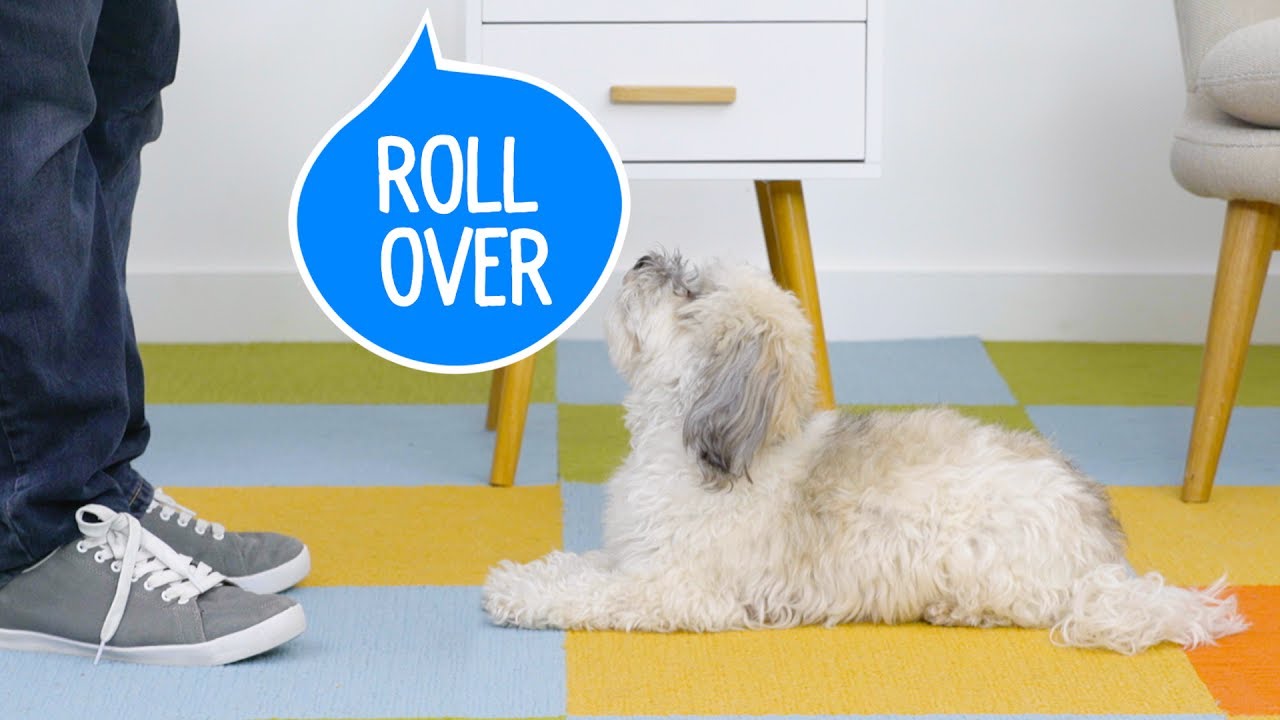
Choose a simple command like “roll over.” Say the word clearly each time. Use the same word every time you train. This helps your dog understand what you want. Pair the command with a hand signal for better clarity.
Demonstrating The Roll Over Motion
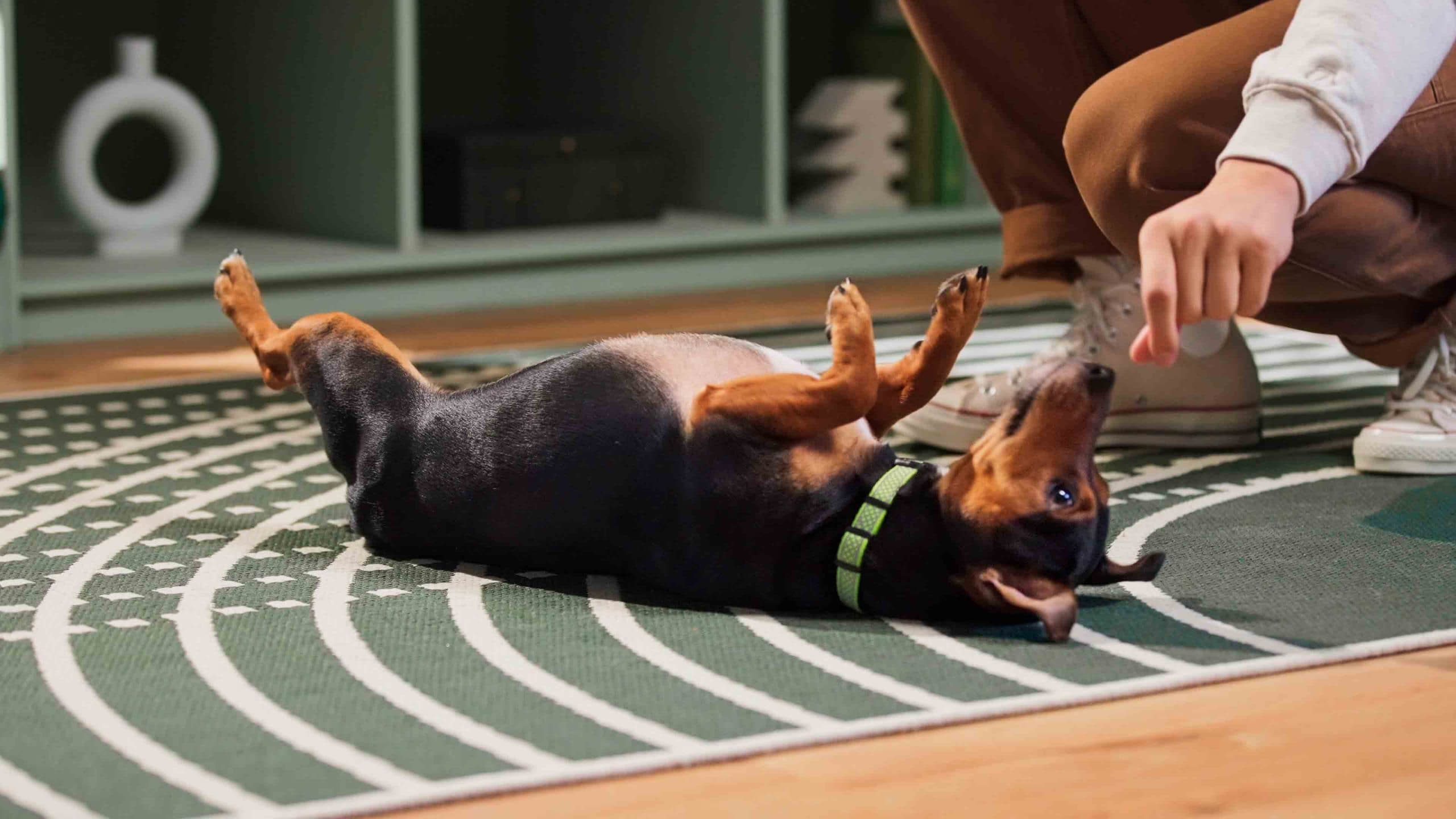
Start with your dog lying down. Hold a treat near their nose. Slowly move the treat in a circle over their head. Your dog will follow the treat and roll over. Give the treat and praise immediately after the roll.
Step-by-step Roll Over Training
Teaching your dog to roll over can be a fun and rewarding experience. Breaking the trick into clear steps helps your dog learn quickly. Patience and consistency make training easier for both you and your pet. Use treats and gentle guidance to encourage each movement.
Luring Your Dog To Lie Down
Start with your dog in a sitting position. Hold a treat close to its nose. Slowly move the treat down towards the floor. Your dog should follow the treat and lie down. Praise your dog once it lies down. Repeat this step until your dog lies down easily on command.
Guiding The Roll With A Treat
With your dog lying down, hold a treat near its nose. Move the treat in a circular motion around the dog’s head. This motion encourages your dog to roll onto its side. Keep guiding the treat slowly so your dog follows. Reward your dog as soon as it completes the roll.
Reinforcing The Behavior
Practice the roll over trick several times a day. Give treats and praise right after your dog rolls. Use a clear command like “roll over” each time. Keep training sessions short and fun. Consistent rewards help your dog remember the trick.
Troubleshooting Common Issues
Training a dog to roll over can be fun but also challenging. Sometimes, your dog may not respond as expected. This section helps you solve common problems that arise during training. Understanding these issues makes the process smoother and more enjoyable for both you and your dog.
Dealing With Distractions
Distractions can stop your dog from focusing on the roll over command. Start training in a quiet place with few distractions. Gradually add small distractions as your dog improves. Praise your dog for paying attention despite distractions. Use treats to keep your dog motivated and focused.
Handling Reluctance Or Fear
Some dogs may feel scared or unsure about rolling over. Never force your dog to perform the trick. Use gentle encouragement and positive words. Break the training into smaller steps to build confidence. Reward your dog for small successes to reduce fear. Patience is key to helping your dog feel safe.
Maintaining Patience And Consistency
Training takes time and steady effort. Practice the roll over command regularly but keep sessions short. Repeat the same commands and use the same hand signals each time. Stay calm and patient, even if progress is slow. Consistency helps your dog understand and remember the trick better.
Advanced Tips For Faster Learning
Training your dog to roll over can be quicker with some advanced techniques. These tips help your dog understand commands faster. Patience and practice make all the difference.
Using Clicker Training
Clicker training uses a small device that makes a clicking sound. Click when your dog does the right move. This sound tells your dog it did well. It helps the dog learn which actions get rewards. Timing the click exactly is key. It makes training clearer and more fun for your dog.
Short And Frequent Sessions
Keep training sessions brief, around 5 to 10 minutes. Short sessions stop your dog from getting bored or tired. Practice several times a day instead of one long session. Frequent sessions help dogs remember commands better. It also keeps them eager to learn more.
Increasing Difficulty Gradually
Start with simple steps like lying down or turning. Add the roll over step slowly once basics are clear. Raise the challenge by changing locations or adding distractions. This helps your dog stay focused in different places. Gradual progress builds confidence and skill without stress.
Credit: www.chewy.com
Reward And Praise Strategies
Reward and praise are key parts of teaching your dog to roll over. They help your dog know what you want. Rewards make your dog excited to learn. Praise shows your dog you are happy with their effort. Use these strategies to make training fun and clear.
Choosing Effective Rewards
Pick treats your dog loves. Small, soft treats work best. Use treats that are easy to chew quickly. Some dogs prefer toys or petting as rewards. Change rewards to keep your dog interested. Watch your dog’s reaction to find the best reward.
Timing Your Praise
Praise must come right after your dog rolls over. Say “Good job” or “Well done” in a happy voice. Use a calm but excited tone. Clap or gently pet your dog after the trick. Quick praise helps your dog connect the action with reward.
Avoiding Overfeeding
Too many treats can cause weight gain. Use tiny pieces to keep calories low. Mix treats with play or affection as rewards. Limit treat time to training sessions only. Keep your dog healthy and training fun without overfeeding.
Maintaining The Skill Long-term
Keeping your dog’s roll over skill strong takes time and effort. Regular practice helps your dog remember and perform the trick well. Training sessions should be fun and short. This keeps your dog interested and eager to learn more.
Regular Practice Routines
Practice the roll over trick a few times each week. Short sessions work best—about 5 to 10 minutes. Use treats or praise to reward your dog every time it completes the roll. Consistency helps your dog keep the skill fresh in its mind.
Introducing New Environments
Try practicing the roll over trick in different places. This teaches your dog to perform the trick anywhere. Start in quiet rooms, then move to parks or busy areas. New surroundings make your dog more confident with the command.
Combining With Other Tricks
Mix the roll over command with other tricks your dog knows. This creates fun and challenging training sessions. For example, ask your dog to sit, then roll over, then shake hands. Combining tricks builds your dog’s focus and skills.
Credit: www.youtube.com

Credit: tailswithnicole.com
Frequently Asked Questions
How Long Does It Take To Train A Dog To Roll Over?
Training a dog to roll over typically takes one to two weeks. Consistent daily practice, positive reinforcement, and patience speed up learning. Each dog learns at its own pace, so adjust training to your dog’s comfort and progress for best results.
What Treats Work Best For Teaching Roll Over?
Soft, small, and tasty treats work best for training roll over. Use high-value rewards like chicken or cheese to motivate your dog. Treats should be easy to chew and given immediately after the correct behavior to reinforce learning effectively.
Can All Dog Breeds Learn To Roll Over?
Yes, most dog breeds can learn to roll over. However, some breeds may take longer due to size or temperament. Tailor training methods to your dog’s breed and personality for effective results. Patience and consistency are key for all dogs.
How To Start Training A Dog To Roll Over?
Begin training by teaching your dog to lie down. Use a treat to guide your dog’s head sideways, encouraging a roll. Reward immediately when your dog completes the roll. Repeat in short sessions to build muscle memory and confidence.
Conclusion
Training your dog to roll over takes time and patience. Keep sessions short and fun to hold their attention. Use treats and praise to encourage good behavior. Practice regularly, but don’t rush the process. Celebrate small progress and stay consistent every day.
Your dog will enjoy learning and bonding with you. With love and effort, rolling over will become easy. Training builds trust and makes your dog happy too. Simple steps lead to great results. Keep going!