

Are you curious about how long service dog training really takes? If you’re considering getting a service dog or just want to understand the commitment involved, knowing the timeline is crucial.
Training a service dog isn’t something that happens overnight—it requires time, patience, and the right approach. You’ll discover the typical length of service dog training and what factors can speed it up or slow it down. Keep reading to learn what to expect and how to prepare yourself and your future service dog for success.
Service Dog Training Basics
Service dog training is a careful and detailed process. It prepares dogs to help people with disabilities. This training ensures dogs learn the skills they need. It also teaches good behavior in public places. Understanding the basics helps to know why training takes time.
Each service dog has a special job. Training matches the dog’s skills to the person’s needs. This process takes patience and focus. It builds trust between the dog and the handler. The basics of training include knowing the types of service dogs and the core skills taught.
Types Of Service Dogs
Service dogs serve many purposes. Some help people who are blind or have low vision. Others assist those with hearing loss. There are dogs trained for mobility support. Some dogs alert people to medical conditions like seizures. Each type needs specific training steps. Trainers focus on the dog’s future tasks. This makes the dog reliable and safe.
Core Training Skills
Service dogs learn basic obedience first. They must follow commands like sit, stay, and come. Public manners are also key. Dogs should ignore distractions and stay calm. Task training follows basic skills. Dogs learn to perform actions that help their handler. Examples include retrieving items or opening doors. Consistent practice is essential. These core skills take weeks or months to develop fully.
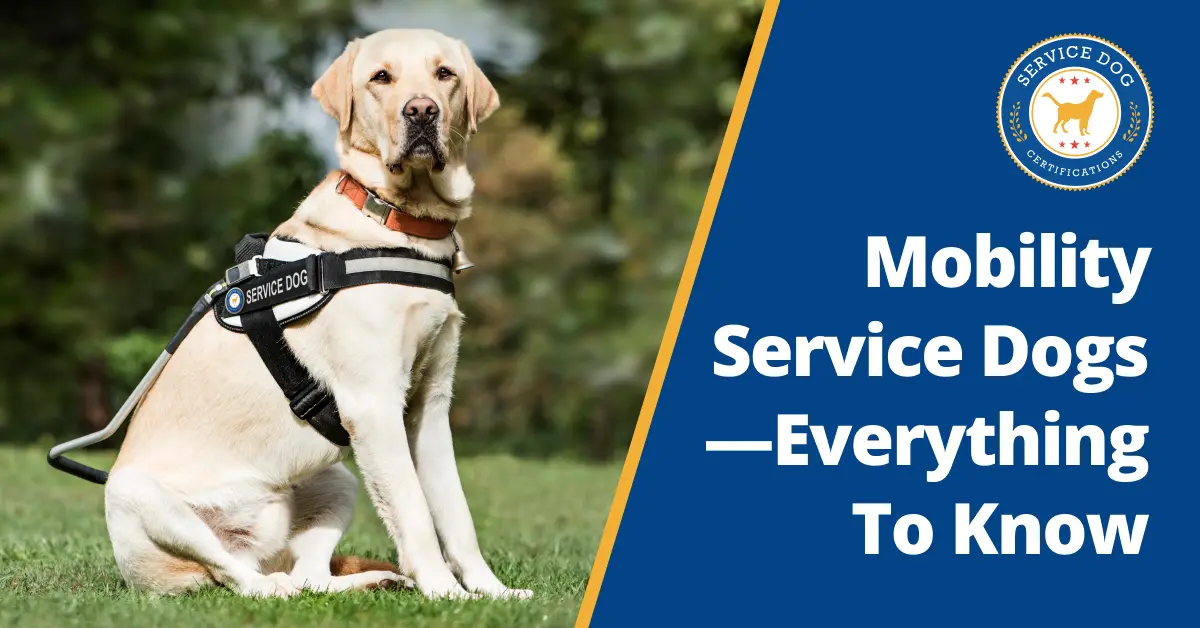
Credit: www.servicedogcertifications.org
Typical Training Duration
Training a service dog takes time and patience. The process has several stages that build on each other. Each stage teaches the dog important skills. The total time depends on the dog and the tasks it will learn. Most service dogs train for about 1 to 2 years.
Puppy Raising Phase
This phase lasts about 12 to 18 months. Puppies learn basic manners and social skills. They get used to different places and people. Early training helps them become confident and calm. Volunteers or trainers handle this phase with care.
Obedience Training
Obedience training usually takes 3 to 6 months. Dogs learn to follow commands like sit, stay, and come. They practice walking on a leash without pulling. This stage builds focus and control. It is essential for safety and reliability.
Task-specific Training
This phase can last 3 to 9 months or more. Dogs learn tasks related to their handler’s needs. Tasks may include opening doors or picking up objects. Training is tailored to the individual’s lifestyle. The dog practices these skills daily until confident.
Factors Affecting Training Time
Training a service dog takes time. Several factors change how long it takes. These factors affect how fast the dog learns and how well it works. Understanding these helps set the right expectations for training length.
Dog’s Breed And Temperament
Some breeds learn faster than others. Dogs bred for work often catch tasks quickly. Calm dogs focus better during training. Nervous or very active dogs may need more time. The dog’s personality affects how it responds to training.
Trainer’s Experience
Experienced trainers use better methods. They understand how to teach each dog best. Trainers with less experience may take longer. Skilled trainers solve problems faster. Training time shortens with a good trainer.
Training Environment
Quiet and safe places help dogs learn faster. Busy or noisy spots can distract them. Consistent environments build good habits. Changing places often may slow progress. A calm setting speeds up training.
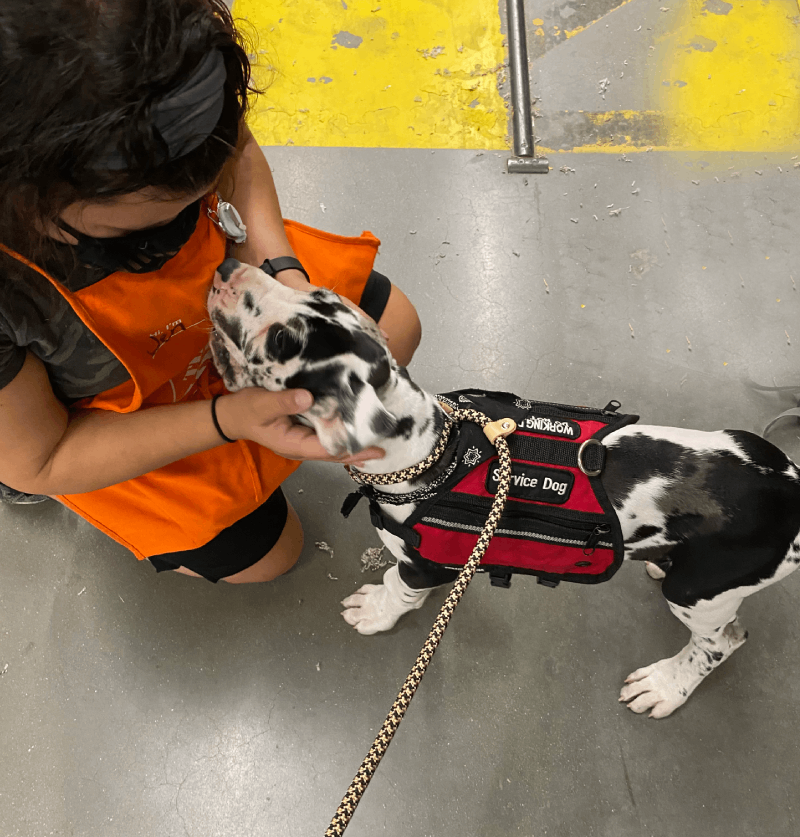
Credit: www.northeastcanine.org
Training Stages Explained
Service dog training is a careful process with clear stages. Each stage builds on the last. This helps dogs learn the skills they need. Training lasts several months to over a year. The time depends on the dog and tasks required.
Understanding these stages shows why training takes time. It also highlights the effort behind every service dog’s success. Let’s explore each stage in detail.
Foundation Skills
This is the first training stage. Dogs learn basic obedience commands like sit, stay, and come. They also get used to wearing a harness or vest. Trainers teach calm behavior and focus on the handler. This stage creates a strong base for harder tasks later.
Public Access Training
Dogs learn to behave well in public places. They practice walking quietly in crowds and ignoring distractions. Training happens in stores, buses, and parks. Dogs must stay calm and attentive no matter the setting. This stage ensures dogs can assist handlers in daily life.
Advanced Task Training
Here, dogs learn special tasks for their handler’s needs. Tasks might include picking up dropped items or alerting to sounds. Training is very specific and customized. Dogs practice tasks many times until they do them perfectly. This stage prepares dogs for real-life situations.
Training Options And Timelines
Choosing the right training option affects how long service dog training takes. Different paths suit different needs and goals. The timeline varies based on the method chosen and the dog’s progress.
Professional Training Programs
Professional programs usually last from six months to two years. Trainers use proven methods to teach dogs specific tasks. These programs focus on obedience, task training, and social skills. Trainers assess the dog’s progress regularly and adjust lessons. The trainer’s experience helps speed up the process. Dogs often live with trainers during this time for focused learning.
Owner-handled Training
Owner-handled training can take longer, often one to two years. The owner learns how to train the dog step by step. This option gives the owner full control over the dog’s learning. Regular practice and consistency are key for success. Owners may join classes or work with consultants. This method builds a strong bond between dog and owner.
Hybrid Approaches
Hybrid training blends professional help and owner-led work. The dog starts with a trainer, then continues with the owner. This approach often takes about one year or more. It offers professional guidance and owner involvement. Hybrid training adapts to the dog’s needs and owner’s schedule. It balances expert teaching with personal attention.
Common Challenges In Training
Training a service dog is a long and detailed process. Trainers face many common challenges that slow progress. Understanding these helps prepare for the journey ahead. Challenges can vary from behavior to environment and health. Each requires patience and consistent effort.
Behavioral Issues
Some dogs show fear or anxiety during training. They may resist commands or act aggressively. These behaviors make training harder and longer. Trainers use calm methods to build trust. Repetition helps dogs learn good habits over bad ones.
Health Concerns
Health problems can delay training sessions. Dogs need to be fit and healthy for demanding tasks. Illness or injury stops training for days or weeks. Regular vet check-ups keep dogs in top shape. Healthy dogs learn faster and perform better.
Environmental Distractions
Busy places with noise and movement distract dogs easily. New sights and sounds can confuse or scare them. Trainers introduce distractions slowly to build focus. Controlled environments help dogs adjust step by step. This makes real-world work possible for service dogs.
Tips For Speeding Up Training
Speeding up service dog training saves time and helps your dog learn faster. Training requires focus, patience, and smart methods. Using the right tips can make the process smoother and more effective.
Consistent Practice
Practice every day to build strong habits. Short, frequent sessions work best. Consistency helps your dog understand what is expected. Avoid long breaks that can cause confusion. Keep training sessions fun and clear.
Positive Reinforcement
Reward good behavior with treats or praise. Positive feedback motivates your dog to repeat actions. Use rewards immediately after the desired behavior. This helps your dog connect the action with the reward. Stay patient and kind during training.
Regular Evaluations
Check your dog’s progress often. Identify areas that need more work. Adjust your training plan based on results. Regular tests keep your dog focused and on track. Ask for help from a trainer if needed.
Costs Linked To Training Duration
Service dog training takes time and effort. The longer the training, the higher the costs. These costs cover many areas. Knowing these costs helps you prepare better. Here is a breakdown of the expenses linked to training duration.
Training Fees
Training fees are the biggest part of the cost. Trainers charge based on hours or weeks of training. Longer training means higher fees. Prices vary by trainer experience and program type. Group training costs less than private sessions. Some trainers offer payment plans. Always ask for clear fee details upfront.
Supplies And Equipment
Training needs special supplies and equipment. These include leashes, harnesses, and toys. Some dogs need medical gear or calming aids. Supplies wear out during long training. Replacing gear adds to the cost. Quality equipment lasts longer but costs more. Budget for ongoing supply needs during training.
Ongoing Support
Support continues after initial training ends. Follow-up sessions keep skills sharp. Trainers may offer refresher courses. Support may include advice on dog care. Some programs offer lifetime help for graduates. Ongoing support helps maintain dog’s abilities. These services add to the total training cost.
Signs Your Service Dog Is Ready
Knowing when a service dog is ready is important. This helps handlers feel confident and safe. Several signs show that a dog has finished its training. These signs focus on skills, behavior, and response. They show the dog can work well in real life.
Mastery Of Tasks
The dog must perform all tasks clearly and correctly. Tasks depend on the handler’s needs. The dog should complete them without mistakes. Practice sessions should feel easy for the dog. This shows the dog truly understands its job.
Calm Behavior In Public
A ready service dog stays calm in busy places. It ignores distractions like loud noises or crowds. The dog walks quietly without pulling on the leash. It remains focused on the handler at all times. Calmness helps the dog work well everywhere.
Reliable Responsiveness
The dog responds quickly to commands and signals. It does not hesitate or ignore instructions. This reliability is key for safety and help. The dog listens even in stressful situations. Consistent response shows the dog is prepared for duty.
Credit: www.doggystars.org
Frequently Asked Questions
How Long Does Basic Service Dog Training Take?
Basic service dog training typically takes 4 to 6 months. This period covers obedience, public access skills, and task training. Consistency and daily practice speed up progress. Training duration may vary based on the dog’s breed and previous experience.
What Factors Affect The Length Of Service Dog Training?
Training length depends on the dog’s age, breed, and temperament. The complexity of tasks required also impacts duration. Trainer expertise and training consistency play key roles. Health issues can extend the training timeline significantly.
Can Service Dog Training Be Completed In Less Than Six Months?
Yes, some dogs complete training in 3 to 4 months. This is common with experienced or highly intelligent dogs. However, thorough and reliable training usually requires at least 6 months. Rushing may reduce the dog’s effectiveness in real situations.
How Often Should A Service Dog Train Daily?
Service dogs should train 30 to 60 minutes daily. Short, frequent sessions improve learning and retention. Consistency is more important than long training periods. Breaks prevent fatigue and maintain the dog’s enthusiasm.
Conclusion
Training a service dog takes time and patience. Usually, it lasts several months to over a year. Each dog learns at its own pace. Proper training ensures the dog can help well. Remember, consistent practice is key to success. The bond between handler and dog grows strong.
This teamwork makes daily life easier and safer. Service dogs are worth the effort and care. Stay committed, and you will see great results.


