

Training your dog doesn’t have to be frustrating or confusing. Imagine having a simple tool that helps your furry friend learn new tricks quickly and happily.
That’s exactly what clicker training can do for you and your dog. If you want to build a stronger bond, improve your dog’s behavior, and enjoy training sessions without stress, keep reading. This guide will show you step-by-step how to clicker train your dog, making learning fun and effective for both of you.
Ready to see your dog respond with excitement every time you train? Let’s dive in!
Getting Started With Clicker Training
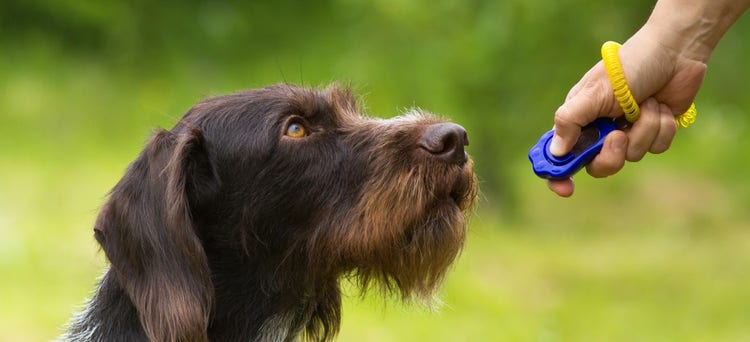
Clicker training is a simple and effective way to teach your dog new behaviors. It uses a small device called a clicker to mark good actions. This helps your dog understand exactly what you want. Getting started with clicker training sets the foundation for success. The right tools, timing, and goals are important to keep your dog motivated and learning.
Choosing The Right Clicker
Select a clicker that is easy to hold and make a clear sound. Some clickers are louder, while others are softer. Choose one that your dog notices but does not scare them. Test a few types to find the best fit for your dog’s size and hearing.
When To Use Clicker Training
Use the clicker to mark good behavior right as it happens. The click sound tells your dog, “Yes, that’s right!” Always follow the click with a treat. This keeps your dog excited and ready to learn more. Use the clicker in short, fun sessions to keep attention strong.
Setting Training Goals
Start with simple goals like sitting or looking at you. Clear goals help your dog understand what to do. Break big tasks into small steps. Reward each step to keep your dog encouraged. Gradually increase difficulty as your dog improves.
Credit: www.petplace.com
Preparing Your Dog For Training
Preparing your dog for clicker training sets the stage for success. This step builds trust and excitement. Dogs learn best when they feel safe and happy. Taking time to prepare helps your dog enjoy training sessions. It also makes learning faster and easier.
Building Positive Associations
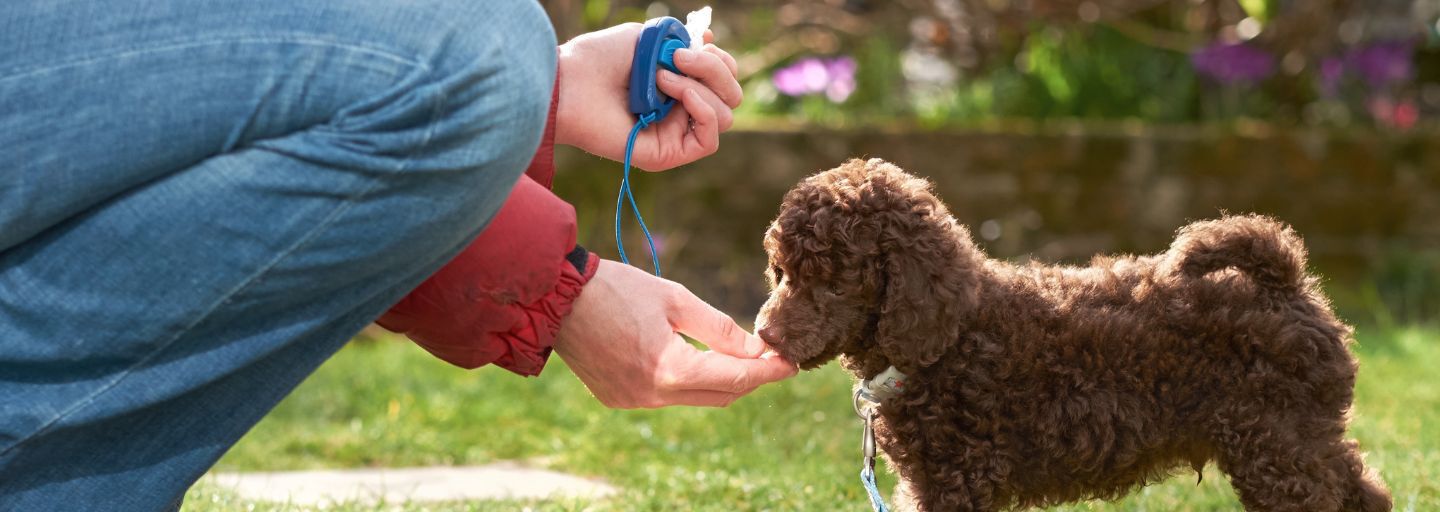
Start by making the clicker a good thing. Click, then give a treat right away. Repeat this several times. Your dog will link the click sound with rewards. This connection motivates your dog to pay attention. Keep training short and fun at first.
Selecting Effective Treats
Choose treats your dog loves and finds tasty. Small, soft treats work best. They are easy to eat quickly. Avoid large or hard treats that distract from training. Changing treats keeps your dog interested. Use a variety of flavors to keep excitement high.
Creating A Distraction-free Space
Pick a quiet place for training. No loud noises or other animals nearby. This helps your dog focus on you. Remove toys or objects that can distract your dog. Keep the area clean and simple. A calm space makes learning easier and faster.
Basic Clicker Training Techniques
Basic clicker training techniques help you communicate clearly with your dog. This method uses a small device that makes a clicking sound. The click marks the exact moment your dog does something right. Then, you reward your dog with a treat or praise.
This section covers key techniques for successful clicker training. These include capturing desired behaviors, shaping new tricks, and timing your clicks. Each technique builds your dog’s understanding step by step. Let’s explore how to apply these methods effectively.
Capturing Desired Behaviors
Capturing means rewarding your dog for natural actions. Wait for your dog to do something you like. For example, sitting calmly or looking at you. The moment your dog does it, click and give a treat. This helps your dog learn what behavior earns rewards.
Be patient. Some dogs take time to show the desired behavior. Stay ready with your clicker and treats. This approach encourages your dog to repeat good actions.
Shaping New Tricks
Shaping breaks a big trick into small steps. Reward your dog for getting closer to the final action. For example, for rolling over, first click when your dog lies down. Then click as it turns to its side. Keep clicking and rewarding small progress.
This method builds complex behaviors gradually. It keeps your dog motivated and reduces confusion. Celebrate every tiny success along the way.
Timing Your Clicks
Timing is the key to effective clicker training. Click at the exact moment your dog does the right thing. Too early or too late clicks confuse your dog. The click tells your dog what behavior earns the treat.
Practice timing by watching your dog closely. Click immediately after the correct action. Good timing creates clear communication and faster learning.
Teaching Essential Commands
Teaching essential commands builds the foundation for good dog behavior. Clicker training makes learning these commands clear and fun. Dogs learn faster with consistent signals and rewards. Start with simple commands, then move to more challenging ones. This approach helps dogs understand what you want quickly. Here are key commands to focus on during clicker training.
Sit And Stay
Begin with the “sit” command by holding a treat above your dog’s nose. Move the treat back over their head. Most dogs will naturally sit to follow the treat. Click the moment their bottom touches the ground. Give the treat as a reward right after clicking.
Next, teach “stay” by asking your dog to sit. Show your palm as a stop sign and say “stay.” Step back slowly. If your dog stays, click and reward immediately. Increase the distance and time slowly. Repeat often to build strong stay behavior.
Come When Called
Start in a quiet area with few distractions. Say your dog’s name, then say “come” in a happy voice. When your dog moves toward you, click and reward with a treat. Use a long leash if needed for control.
Practice this command regularly. Vary the distance and environment. Always reward your dog for coming quickly. This command keeps your dog safe and responsive.
Leave It And Drop It
Hold a treat in your closed hand and say “leave it.” Wait until your dog stops trying to get the treat. Click and reward with a different treat from your other hand. Repeat until your dog understands “leave it” means no touching.
For “drop it,” give your dog a toy or object. Say “drop it” clearly. When your dog releases the item, click and offer a treat. Practice often to prevent your dog from holding unwanted objects.
Troubleshooting Common Issues
Troubleshooting common issues is part of every dog training journey. Some problems might slow progress or confuse your dog. Knowing how to handle these issues keeps training on track. Stay patient and consistent for the best results.
Dealing With Distractions
Distractions can make your dog lose focus. Start training in a quiet place. Gradually add distractions as your dog improves. Use high-value treats to keep attention. Keep sessions short to avoid overwhelm. Praise your dog for staying focused. If distractions are too strong, step back to easier tasks.
Overcoming Training Plateaus
Your dog may stop improving for a while. Change the rewards to something your dog loves more. Try new exercises to make training fun. Break tasks into smaller steps. Be patient and give your dog time. Consistent practice helps move past plateaus. Celebrate small wins to stay motivated.
Avoiding Overuse Of The Clicker
Clicker overuse can confuse your dog. Click only when your dog does the right action. Avoid clicking too fast or too many times. Use the clicker as a clear signal. Stop clicking when your dog understands the cue. Combine clicker training with verbal praise. This keeps training clear and effective.

Credit: njdog.com
Advancing Your Dog’s Skills
Advancing your dog’s skills builds on basic training. It helps your dog think and act with more control. This stage makes training fun and challenging. It also strengthens the bond between you and your dog. Keep sessions short and positive. Patience is key as your dog learns new things.
Introducing Complex Tricks
Start teaching tricks that need more steps. Break each trick into small parts. Reward your dog with the clicker and treat for each step. Repeat until your dog understands the whole trick. Examples include rolling over, playing dead, or fetching specific items. Complex tricks keep your dog interested and sharp.
Combining Commands
Mix simple commands to create longer sequences. Teach your dog to sit, then lie down, then stay. Use the clicker at each correct action. This helps your dog follow multiple instructions at once. Practice these sequences daily in different places. It builds your dog’s focus and memory.
Maintaining Consistency
Be consistent with your commands and rewards. Use the same words and hand signals every time. Click and treat immediately when your dog does the right action. Consistency helps your dog learn faster and reduces confusion. Keep training sessions regular but brief to avoid tiring your dog.
Using Clicker Training Beyond Basics
Clicker training is more than teaching basic commands. It can shape many behaviors and skills in dogs. Using a clicker helps dogs learn faster and more clearly. This section explores how to use clicker training beyond the basics. It shows how to solve behavior issues, train for sports, and improve communication.
Addressing Behavioral Problems
Clicker training helps fix unwanted behaviors calmly. It rewards good actions right away. This makes dogs want to repeat them. For example, use the clicker when your dog stays calm instead of jumping. It teaches patience and control. It also helps with barking, chewing, and fear. Clicker training replaces bad habits with good ones. It works well with gentle, consistent practice.
Training For Agility And Sports
Agility training needs quick, clear signals. The clicker marks exact moments of success. This helps dogs learn complex moves fast. Use the clicker to teach jumping, weaving, and running through tunnels. It motivates dogs to stay focused and try harder. Sports training builds strength and trust. Clicker training makes learning fun and rewarding.
Enhancing Communication
Clicker training sharpens the bond between you and your dog. It creates clear, simple signals. Dogs understand what you want without confusion. This reduces stress for both of you. The clicker acts like a language bridge. It helps dogs know when they do right. Better communication means fewer mistakes. It also makes training sessions shorter and happier.
Credit: www.purina.com.au
Frequently Asked Questions
What Is Clicker Training For Dogs?
Clicker training uses a small device that makes a clicking sound to mark desired behaviors. It helps dogs learn quickly by associating the click with a reward like treats or praise.
How Do You Start Clicker Training A Dog?
Begin by clicking and immediately giving your dog a treat. Repeat this several times to create a positive association. Then, click when your dog performs a desired behavior, followed by a reward.
How Long Does Clicker Training Take To Work?
Clicker training results vary but often show progress within a few sessions. Consistency and short, frequent training help dogs learn faster and retain behaviors better.
Can Clicker Training Fix Bad Dog Behavior?
Yes, clicker training encourages positive behavior through rewards. It is more effective than punishment and helps dogs understand what is expected of them clearly.
Conclusion
Clicker training helps your dog learn quickly and clearly. It uses a simple sound to mark good behavior. This method builds trust and strengthens your bond. Practice often, keep sessions short, and stay patient. Celebrate small wins and enjoy the process together.
Training becomes fun and effective with time. Your dog will respond better and feel happier. Try these steps and see the positive changes soon. Consistency is key to success in clicker training. You and your dog can achieve great results together.


