

Training your dog to sit and stay is one of the most important skills you can teach. Imagine having a calm, well-behaved dog that listens to you every time.
It makes daily life easier and strengthens the bond between you and your furry friend. If you’ve struggled with getting your dog to follow basic commands, this guide is for you. You’ll discover simple, effective steps that anyone can use, no matter your dog’s age or breed.
Ready to turn your playful pup into a polite companion? Keep reading, and let’s get started!
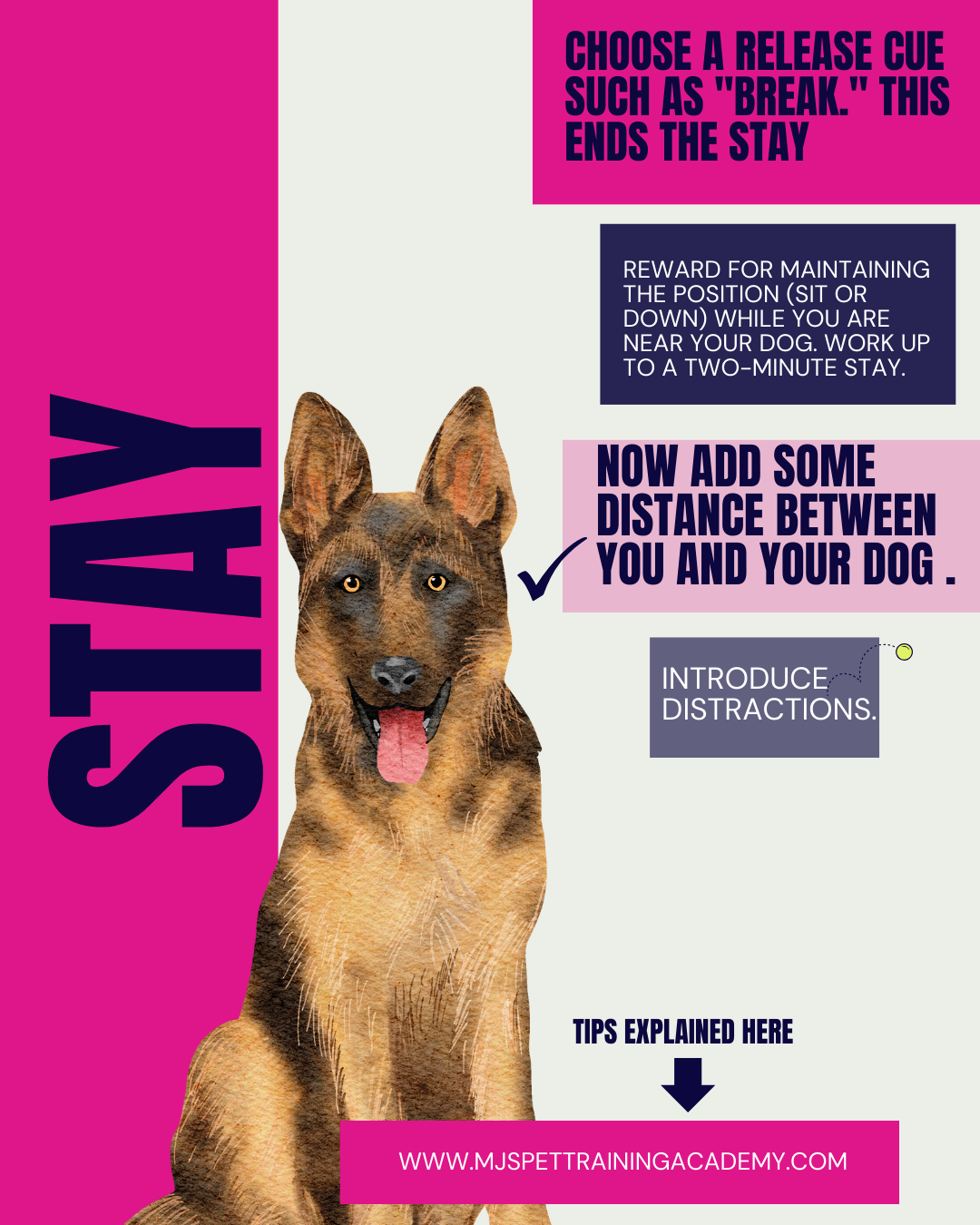
Credit: mjspettrainingacademy.com
Preparing For Training
Preparing your dog for training is the first step to success. Training sessions go smoothly when the setting and tools are right. Clear plans help both you and your dog stay focused. This section guides you through the basics of preparation.
Choosing The Right Environment
Pick a quiet spot free from distractions. A calm space helps your dog pay attention. Start indoors or in a fenced yard. Avoid noisy places with many people or animals. A familiar area makes your dog feel safe.
Gathering Necessary Supplies
Have treats ready as rewards for good behavior. Use small, soft treats your dog likes. Bring a leash and collar for control. Use a clicker if you want to mark actions. Keep water nearby to keep your dog hydrated.
Setting Clear Goals
Decide what you want your dog to learn first. Focus on one command at a time, like “sit.” Keep goals simple and easy to measure. Write them down to track progress. Clear goals help guide your training sessions.
Teaching The Sit Command
Teaching the sit command is one of the first steps in dog training. It helps your dog learn basic control. A well-trained dog that sits on command is safer and easier to manage. The sit command also builds good habits for future training. Keep training sessions short and fun to keep your dog interested.
Using Treats As Motivation
Treats are powerful motivators for dogs. Hold a treat close to your dog’s nose. Let your dog smell it but not eat it yet. Slowly move the treat above your dog’s head. This movement encourages your dog to look up and sit naturally. Give the treat immediately when your dog sits. Praise your dog with a happy voice to reinforce the behavior.
Guiding Your Dog’s Movement
Use your hand and treat to guide your dog’s body. Move the treat slowly from your dog’s nose to just behind their head. This will make your dog lower their rear and sit. Be gentle and patient. Avoid forcing your dog into position. Let your dog sit on their own for the best results.
Timing Your Verbal Cues
Say the word “sit” clearly just before your dog moves into position. Use the same tone and volume every time. This helps your dog link the word with the action. After your dog sits, give the treat and praise immediately. Timing is key. Quick rewards make learning faster and easier.
Mastering The Stay Command
Teaching your dog the stay command is essential for good behavior. It helps keep your dog safe and calm in many situations. Training stay takes patience and practice. Start with short times and small distances. Gradually increase both as your dog learns.
Building Duration Gradually
Begin by asking your dog to sit. Then say “stay” in a calm voice. Step back just one step. Wait a few seconds. Return and reward your dog with a treat. Slowly add more seconds. Increase the time only when your dog stays calm. Stop if your dog moves before you return. Try again later with shorter times.
Using Hand Signals Effectively
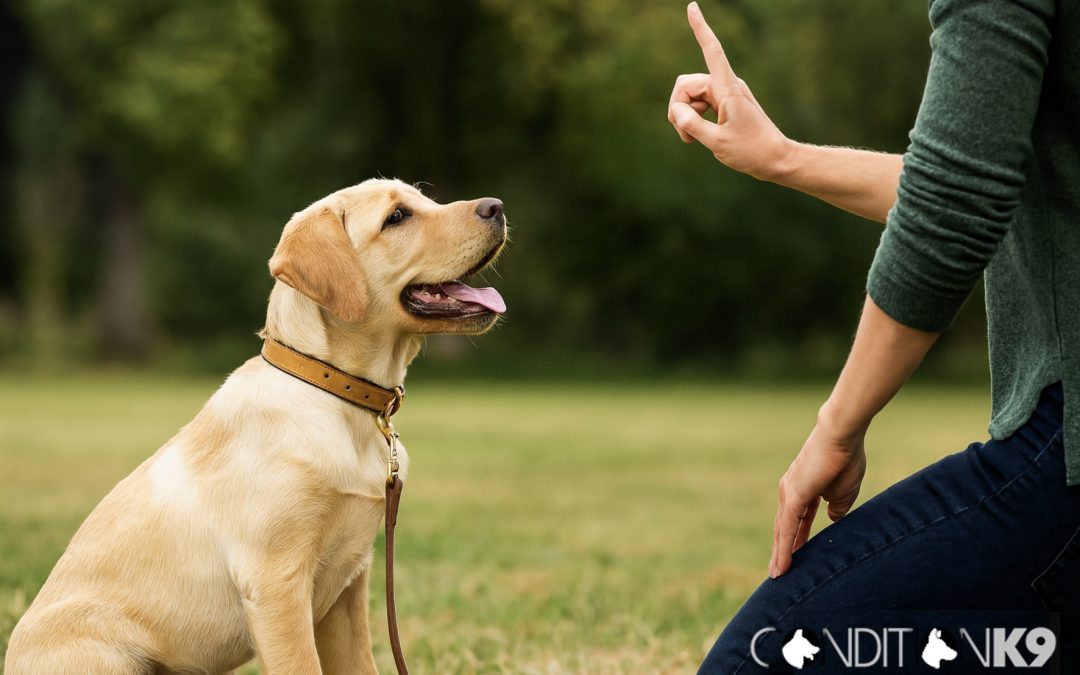
Pair the stay command with a hand signal. Hold your palm out, facing the dog. Use the same signal every time. This helps your dog understand the command better. Use the hand signal with your voice command. Soon, your dog will respond to the signal alone. Practice hand signals in quiet places first. Then try in areas with distractions.
Avoiding Common Mistakes
Do not rush the training. Forcing too much time causes confusion. Avoid repeating the command many times quickly. Give one clear command and be patient. Do not punish your dog for moving. It can create fear and stop learning. End each session with praise and treats. Keep training sessions short and positive. This helps your dog stay interested and happy.
Reinforcing Good Behavior
Reinforcing good behavior is key to teaching your dog to sit and stay. It helps your dog understand which actions are correct. This builds trust and makes training easier. Consistent positive feedback encourages your dog to repeat good behavior.
Positive Reinforcement Techniques
Use treats your dog loves to reward sitting and staying. Praise with a happy voice to show approval. Give rewards right after the dog obeys. This helps your dog connect the action with the reward. Avoid punishment; it can confuse and scare your dog.
Consistent Practice Routines
Practice the sit and stay commands daily. Keep training sessions short, around 5 to 10 minutes. Use the same words and hand signals every time. Consistency helps your dog learn faster. Train in different places to improve focus and reliability.
Handling Setbacks Calmly
Dogs may forget or get distracted sometimes. Stay calm and patient during setbacks. Avoid shouting or showing frustration. Gently guide your dog back to the command. Repeat the training step calmly until your dog succeeds. Patience builds confidence and better results.
Advanced Tips For Success
Training your dog to sit and stay takes practice and patience. Basic commands are just the start. Advanced tips help improve your dog’s focus and obedience. These techniques make training effective even in busy or distracting places. They also help keep your dog disciplined over time.
Training In Distractions
Practice commands where distractions are present. Use parks, sidewalks, or places with noise. Start with mild distractions and increase difficulty slowly. Reward your dog for staying focused despite distractions. This builds strong habits and better control in real life.
Combining Commands
Teach your dog to follow several commands together. For example, ask your dog to sit, then stay, then come. Practice sequences to improve your dog’s listening skills. Use clear, short commands and reward good behavior immediately. This helps your dog understand what you want quickly.
Maintaining Long-term Discipline
Keep training sessions short but regular. Consistent practice keeps your dog’s skills sharp. Use rewards and praise to encourage good behavior over time. Avoid punishment, as it can cause fear or confusion. Patience and kindness build trust and lasting discipline.

Credit: www.youtube.com
Credit: conditionk-9.com
Frequently Asked Questions
How Long Does It Take To Train A Dog To Sit?
Training a dog to sit usually takes a few days to a week. Consistency and short daily sessions speed up learning. Using treats and positive reinforcement helps dogs understand and remember the command quickly.
What Is The Best Technique To Teach “stay”?
The best technique involves starting with short durations and rewarding calm behavior. Gradually increase the time and distance. Always use a clear command and positive reinforcement to ensure your dog understands and obeys the “stay” command reliably.
Can All Dog Breeds Learn To Sit And Stay?
Yes, all dog breeds can learn to sit and stay. Training methods may vary slightly based on breed temperament. Patience and consistent practice ensure every dog, regardless of breed, masters these essential commands effectively.
How Often Should I Practice Sit And Stay Commands?
Practice sit and stay commands daily in short sessions. Frequent repetition reinforces learning and builds good habits. Consistency is key to ensuring your dog reliably follows these commands in various situations.
Conclusion
Training your dog to sit and stay takes time and patience. Practice daily with short sessions. Use treats and praise to encourage good behavior. Stay calm and consistent during training. Your dog will learn better with love and care. Remember, every dog learns at its own pace.
Celebrate small successes along the way. This skill helps keep your dog safe and well-behaved. Keep training fun and positive for both of you. Enjoy building a stronger bond with your dog.


