

Are you planning a train trip and wondering if your furry friend can come along? Bringing your dog on the train can make travel more enjoyable, but it also raises some important questions.
Can you bring dogs on the train? What rules do you need to follow? How can you make the trip comfortable for your pet? Keep reading to find out everything you need to know before you and your dog hop on board.
This guide will help you travel smarter and stress less with your canine companion by your side.
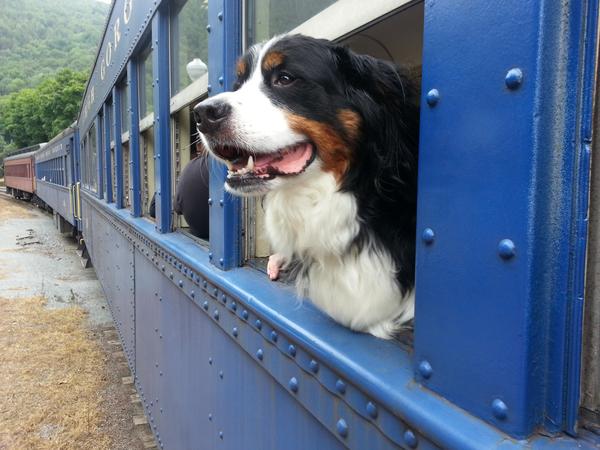
Credit: www.bringfido.com
Train Pet Policies
Train pet policies vary depending on the train company and country. Each has rules to keep pets safe and passengers comfortable. Knowing these rules helps you travel without problems. Always check the specific train’s pet policy before you book tickets.
Carrier Requirements
Most trains require small dogs to travel in a carrier. The carrier must fit under the seat or in your lap. It should be well-ventilated and secure. This keeps your dog safe and avoids disturbing other passengers. Large dogs may need a leash and muzzle instead.
Ticketing Rules For Dogs
Some trains ask for a ticket for your dog. The price is often lower than for a person. Other trains allow small dogs to travel free if in a carrier. Always buy a ticket if needed to avoid fines. Carry proof of your dog’s ticket during the journey.
Breed And Size Restrictions
Many trains limit the size and breed of dogs allowed. Large dogs might be banned or must stay in a specific area. Some breeds may not be allowed due to safety rules. Check the list of restricted breeds before traveling. Follow these rules to ensure a smooth trip.

Credit: www.reddit.com
Preparing Your Dog For Train Travel
Preparing your dog for train travel helps make the journey smooth. Dogs feel safer when owners plan ahead. This preparation reduces stress for both you and your pet.
Train rides can be noisy and crowded. Your dog needs to be ready for new sights and sounds. A calm dog enjoys the trip more and stays comfortable.
Health Checks And Vaccinations
Visit the vet before the trip. Make sure your dog is healthy and fit to travel. Check for any signs of illness or discomfort. Update all necessary vaccinations. Some trains require proof of vaccines for pets. Protect your dog and other passengers from diseases.
Packing Essentials
Bring your dog’s favorite items. Pack food, water, and bowls for the journey. Don’t forget a leash and harness for safety. Carry waste bags to clean up after your dog. A blanket or bed helps your dog feel at home. Include any medications your dog needs.
Training For Calm Behavior
Practice short trips before the train ride. Teach your dog to sit and stay calmly. Reward quiet behavior with treats or praise. Use a crate or carrier if allowed on the train. Familiarize your dog with it at home. Calm dogs handle noise and crowds better.
During The Journey
Traveling with your dog on a train can be a smooth experience. It needs some care and attention during the journey. Comfort and safety matter for both you and your pet. Knowing what to expect helps in planning better trips. Here are key points to keep in mind while on the train.
Boarding And Seating Etiquette
Board early to find a good spot for you and your dog. Keep your dog on a leash or in a carrier. Choose a seat where your dog will not block aisles. Respect other passengers’ space and comfort. Keep your dog close and calm during boarding. Follow the train’s rules about pets at all times.
Managing Noise And Anxiety
Trains can be noisy and strange for dogs. Bring toys or treats to keep your dog calm. Speak softly and offer gentle petting. Use a blanket or familiar item to comfort your dog. Avoid loud noises or sudden movements. If your dog shows anxiety, try calming methods like deep breathing or distraction.
Bathroom Breaks On The Train
Plan bathroom breaks before the trip. Some trains have pet relief areas on board. Ask staff about these areas when you board. Use puppy pads if no relief area is available. Take your dog out quickly and clean up after them. Staying prepared helps keep the train clean for everyone.

Credit: www.reddit.com
Regional And International Differences
Traveling with dogs on trains varies a lot across the world. Different countries have different rules and policies. Knowing these differences helps avoid trouble and makes trips smoother. This section explains how train pet rules change by region and compares them to airlines. It also shares tips for crossing borders with your dog.
Rules In Different Countries
In some countries, small dogs travel free on trains. Others require tickets or carriers. Size limits often apply. For example, in Japan, dogs must stay in carriers. In Germany, dogs need a half-price ticket. Some places ask for muzzles and leashes. Always check the train company’s pet policy before your trip.
Airline Vs Train Pet Policies
Airlines usually have strict rules for pet travel. They often require health certificates and special carriers. Trains tend to be more relaxed. Many trains allow dogs to sit with owners or stay in carriers. Airlines may charge higher fees than trains. Both need early booking for pets. Knowing the differences helps plan your journey better.
Cross-border Travel Tips
Crossing borders with dogs needs extra care. Different countries have different rules about vaccines and papers. Some require pet passports or microchips. Check quarantine rules before traveling. Carry all documents with you. Contact train companies about their cross-border pet policies. Planning ahead avoids delays and stress for you and your dog.
Common Challenges And Solutions
Traveling by train with dogs can be fun but brings challenges. Knowing common problems helps prepare better. Solutions make trips smooth and safe for everyone.
Dealing With Aggressive Dogs
Some dogs may feel scared or upset on trains. They might growl, bark, or try to bite. Keep your dog calm with treats and toys. Use a leash and muzzle if needed. Respect other passengers’ space to avoid conflicts.
Handling Crowded Trains
Trains can get very busy, making dogs nervous. Find a quiet spot away from crowds. Keep your dog close and sit down. Bring a blanket or small bed for comfort. Avoid busy travel times if possible to reduce stress.
Lost Pet Procedures
Pets can get lost in busy stations or trains. Always use a collar with ID tags and your phone number. Register your dog with a microchip for extra safety. If your dog is lost, notify train staff immediately. Use social media or local shelters to help find your pet fast.
Frequently Asked Questions
Can I Bring My Dog On A Train?
Yes, most trains allow dogs, but rules vary by carrier. Small dogs usually must be in carriers, while larger dogs might need a leash and ticket.
Are There Size Limits For Dogs On Trains?
Yes, many train companies restrict dog size. Small dogs in carriers often travel free or cheaply, while larger dogs may require a ticket or are not allowed.
Do Dogs Need A Ticket To Ride The Train?
Some trains require tickets for dogs, especially larger ones. Small dogs in carriers often travel free or at a reduced fare. Always check specific train policies before traveling.
What Are The Rules For Dog Carriers On Trains?
Dog carriers must fit under the seat and be well-ventilated. They should be secure and comfortable for your pet during the journey.
Conclusion
Traveling with dogs on trains is often allowed but with some rules. Always check the train company’s pet policy before your trip. Keep your dog calm and on a leash or in a carrier. Bring water and treats for your pet’s comfort.
Respect other passengers and keep your dog quiet. Following these tips makes train travel easier for both you and your dog. Enjoy your journey safely and happily together.


