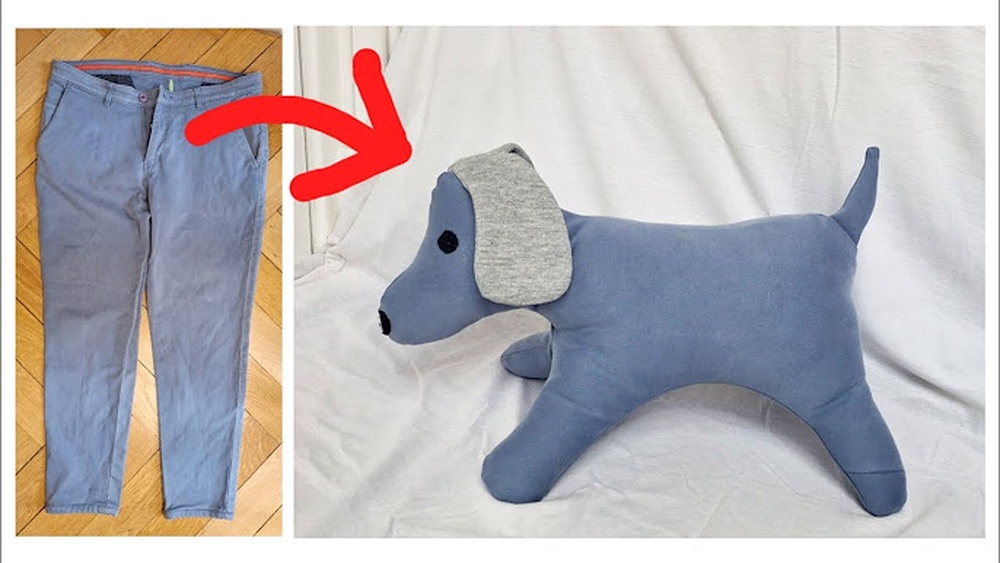
Have you ever stepped on a toy your dog left lying around? It can be frustrating and even painful.
Imagine if your furry friend could clean up after playtime all by themselves. Teaching your dog to put toys away isn’t just a neat trick—it helps keep your home tidy and strengthens your bond. You’ll discover simple steps to turn this dream into reality.
Keep reading, and soon your pup will be your best little helper.
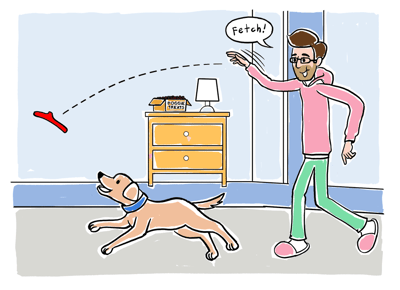
Credit: www.preventivevet.com
Benefits Of Teaching Cleanup
Teaching your dog to put toys away brings many benefits beyond a tidy home. It helps your dog learn good habits and makes daily life easier. This simple task can improve your dog’s behavior and your relationship.
Dogs enjoy having a job. Cleanup gives them a clear purpose and keeps their mind busy. This training also builds trust between you and your pet.
Enhances Obedience
Training your dog to clean up improves basic obedience. Your dog learns to follow instructions and wait for commands. This practice strengthens their ability to listen. Better obedience leads to safer and calmer behavior.
Promotes Responsibility
Dogs feel proud when they complete tasks. Putting toys away teaches them to be responsible. They understand their actions matter. This sense of responsibility can reduce destructive habits.
Strengthens Bond
Cleanup time is quality time with your dog. Working together builds trust and respect. Your dog feels loved and valued. This shared activity deepens your connection and joy.
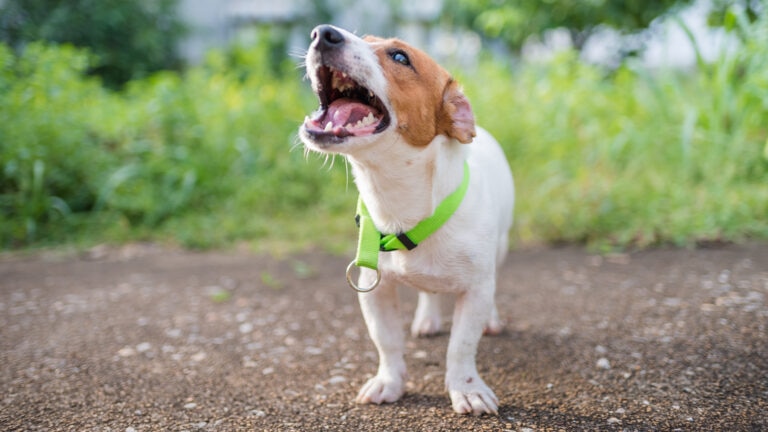
Credit: www.chewy.com
Choosing The Right Toys
Choosing the right toys is key to teaching your dog to put toys away. The toys must be safe and easy for your dog to handle. Picking good toys makes the training fun and effective.
Safe And Durable Options
Select toys made from non-toxic materials. Avoid small parts that can break off and cause choking. Durable toys last longer and withstand rough play. They keep your dog safe and interested.
Toy Size Considerations
Choose toys that fit your dog’s mouth comfortably. Too big or too small toys can cause frustration. A toy that is easy to carry helps your dog learn to pick it up. This makes putting toys away easier and faster.
Preparing The Cleanup Area
Preparing the cleanup area is the first step in teaching your dog to put toys away. A clear, organized space helps your dog understand where to place their toys. It also makes cleaning easier for you. Setting up a dedicated spot encourages good habits and keeps your home tidy.
Designating A Toy Bin
Choose a bin or basket just for your dog’s toys. This bin should be large enough to hold all toys comfortably. Pick a bin with low sides so your dog can see inside. A lightweight bin is easier for your dog to move. Label the bin with a word or picture to help your dog recognize it.
Accessible Storage Spots
Place the toy bin in a spot your dog can easily reach. Avoid high shelves or tight corners. The area should be safe and free from distractions. Keep the bin in the same place every day. This consistency helps your dog learn quickly where to clean up.
Starting The Training
Starting training your dog to put toys away needs patience and clear steps. Begin with short sessions to keep your dog interested. Consistency helps your dog understand what you want. Use a calm voice and gentle gestures. Make the area tidy and safe for your dog to learn.
Prepare a special box or basket for the toys. This gives your dog a clear place to put them. Keep favorite toys nearby to use during training. Reward your dog with praise or treats to encourage good behavior. Training should be fun and positive.
Using Simple Commands
Pick easy words like “put” or “away” for your commands. Say the command clearly every time. Use the same word to avoid confusion. Speak in a happy tone to keep your dog excited. Keep commands short and simple to remember.
Repeat the command often during playtime. Praise your dog when they try to follow it. Patience helps your dog learn step by step. Avoid long or complicated instructions at this stage.
Demonstrating The Task
Show your dog how to put toys in the basket. Use your hand to pick up a toy and place it inside. Do this slowly so your dog can watch. Encourage your dog to copy your actions. Use treats to reward any effort your dog makes.
Repeat this demonstration several times in a session. Let your dog try on their own after watching. Cheer and praise when your dog succeeds. This helps your dog connect the action to the command.
Positive Reinforcement
Positive reinforcement is a powerful way to teach your dog new behaviors. It focuses on rewarding good actions rather than punishing mistakes. This method helps your dog learn faster and builds a strong bond between you both. Using rewards motivates your dog to repeat the desired behavior, such as putting toys away.
Positive reinforcement makes learning fun for your dog. It creates a clear link between the action and the reward. Your dog understands what you want and feels happy to obey. This technique also reduces stress and confusion during training sessions.
Treats And Praise
Treats are a great tool to encourage your dog to put toys away. Choose small, tasty snacks your dog loves. Give a treat immediately after your dog puts a toy in the right place. This helps your dog connect the action with the reward.
Praise your dog with kind words and a happy tone. Say “Good job!” or “Well done!” right after the action. Your dog responds well to your voice and attention. Combining treats with praise strengthens the learning process.
Consistent Rewards
Consistency is key to successful training. Always reward your dog for putting toys away. Do not skip the treat or praise, especially at the start. Your dog needs clear signals to understand what is expected.
Use the same reward system every time. This helps your dog remember the behavior and stay motivated. Over time, you can slowly reduce treats but keep giving praise. Consistent rewards make the new habit stick for longer.
Step-by-step Training Process
Teaching your dog to put toys away is easier with clear steps. Follow this process to help your dog learn quickly. Patience and consistency matter most during training. Each step builds a strong habit for your dog.
Teaching ‘pick Up’
Start by showing your dog a toy. Say “pick up” and encourage your dog to grab it. Praise and give a treat when your dog holds the toy. Repeat this until your dog understands the command. Keep sessions short and fun.
Teaching ‘drop It’
Next, teach your dog to release the toy. Offer a treat while saying “drop it.” Wait for your dog to open its mouth and drop the toy. Reward immediately to reinforce the behavior. Practice this step often to make it clear.
Combining Commands
Now, link both commands in one training session. Say “pick up” to grab the toy. Then guide your dog to the toy box. Use “drop it” as your dog releases the toy into the box. Praise and treat each success. Repeat this to build a smooth routine.
Troubleshooting Common Issues
Teaching your dog to put toys away can be tricky. Some dogs may not listen or act differently than you expect. Problems can slow progress. Understanding common issues helps you keep training on track. Patience and small changes make a big difference.
Ignoring Commands
Sometimes dogs do not respond to commands. This can happen if the command is unclear or new. Use a calm, firm voice. Repeat the command consistently. Reward your dog with treats or praise when they try. Practice in short, frequent sessions to keep their attention.
Toy Possessiveness
Dogs may not want to give up their toys. They see toys as special or fun. Teach them that giving up toys leads to good things. Swap toys for treats or another toy. Stay calm and patient. Avoid forcing the dog, as this can cause fear or aggression.
Distractions
Training in a busy place can cause problems. Dogs lose focus with sounds, smells, or people nearby. Start training in a quiet room. Remove toys or items that distract your dog. Gradually add distractions as your dog improves. Keep sessions short and fun to hold their attention.
Credit: caninelearningacademy.com
Maintaining The Habit
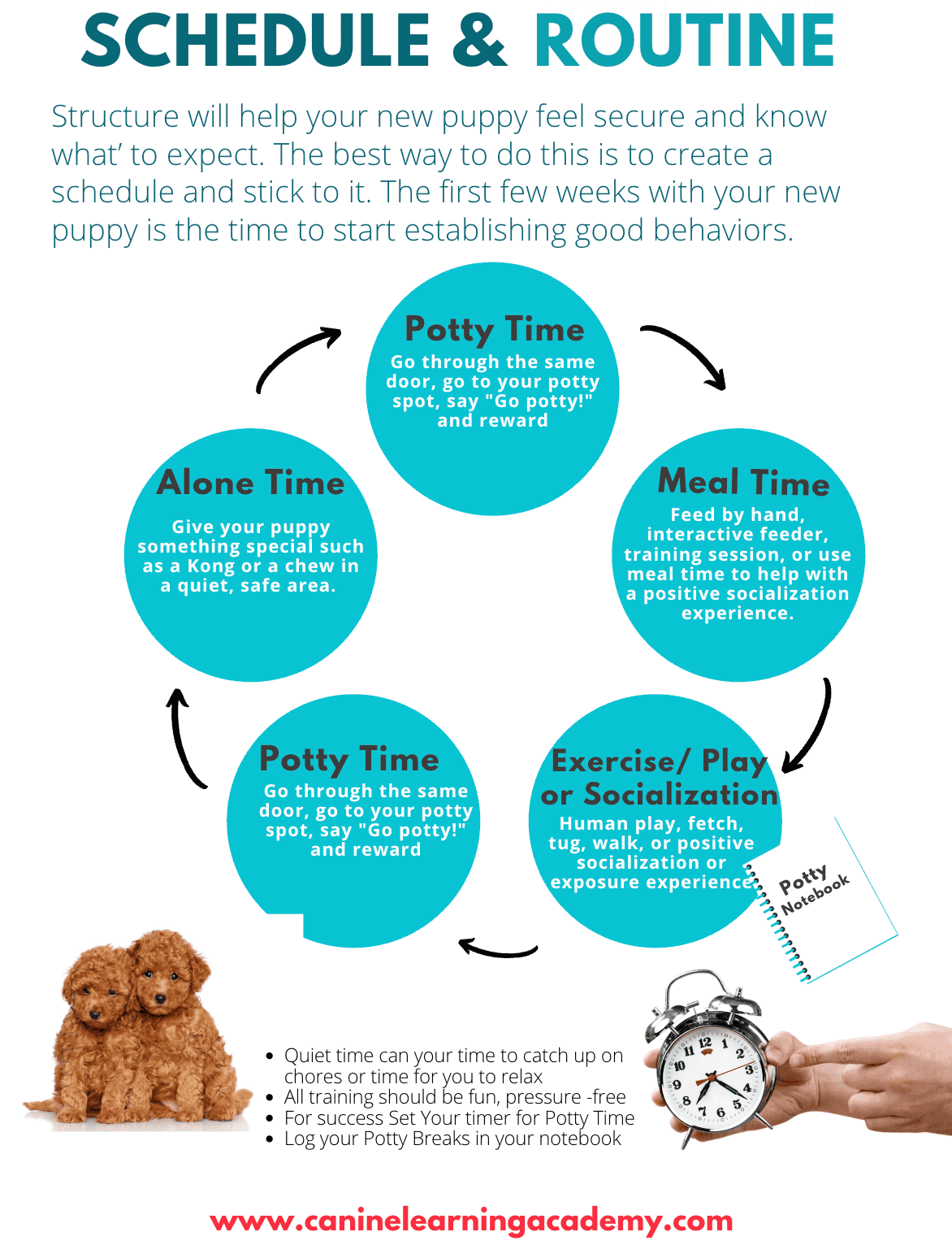
Maintaining the habit of putting toys away is key to long-term success. Dogs learn best through consistency. Keep the routine clear and simple. This helps your dog remember what to do. Praise and rewards should stay part of the process. They make the task enjoyable and encouraging. Patience is important. Habits take time to form fully.
Regular Practice
Practice the toy cleanup every day. Short sessions work better than long ones. Repeat the steps clearly each time. Use the same commands to avoid confusion. Regular practice builds your dog’s confidence. It also strengthens the habit over time. Keep the mood positive and fun. This keeps your dog eager to participate.
Gradual Independence
Slowly reduce your help during the task. Let your dog try to put toys away alone. Watch carefully and step in only if needed. This builds your dog’s skill and trust. Offer treats and praise for each success. Give your dog space to learn at their own pace. Independence in cleaning teaches responsibility. It turns a trick into a lasting habit.
Frequently Asked Questions
How Can I Start Teaching My Dog To Put Toys Away?
Begin by choosing a specific toy box and use a command like “tidy up. ” Reward your dog with treats and praise each time they drop a toy in the box. Consistency and patience are key to building this habit effectively.
What Are The Best Rewards For Teaching Toy Cleanup?
Use small, tasty treats and enthusiastic praise as rewards. Toys your dog loves can also serve as motivation. Positive reinforcement helps your dog associate cleaning up with a fun and rewarding experience, boosting training success.
How Long Does It Take To Train My Dog To Clean Up?
Training time varies by dog but usually takes 2 to 4 weeks. Short, frequent sessions of 5 to 10 minutes daily improve learning speed. Consistency and positive reinforcement speed up the process.
Can All Dog Breeds Learn To Put Toys Away?
Yes, all dog breeds can learn this behavior. Intelligence and motivation levels may affect training speed. Using breed-specific training techniques and patience ensures success regardless of your dog’s breed.
Conclusion
Teaching your dog to put toys away takes patience and practice. Start with small steps and celebrate each success. Use clear commands and gentle guidance. Keep training sessions short and fun for your dog. Consistency helps your dog learn faster.
Soon, your dog will enjoy tidying up toys. A clean space and happy pet go hand in hand. Try these tips to make cleanup time easier. Your dog will thank you with good behavior.