
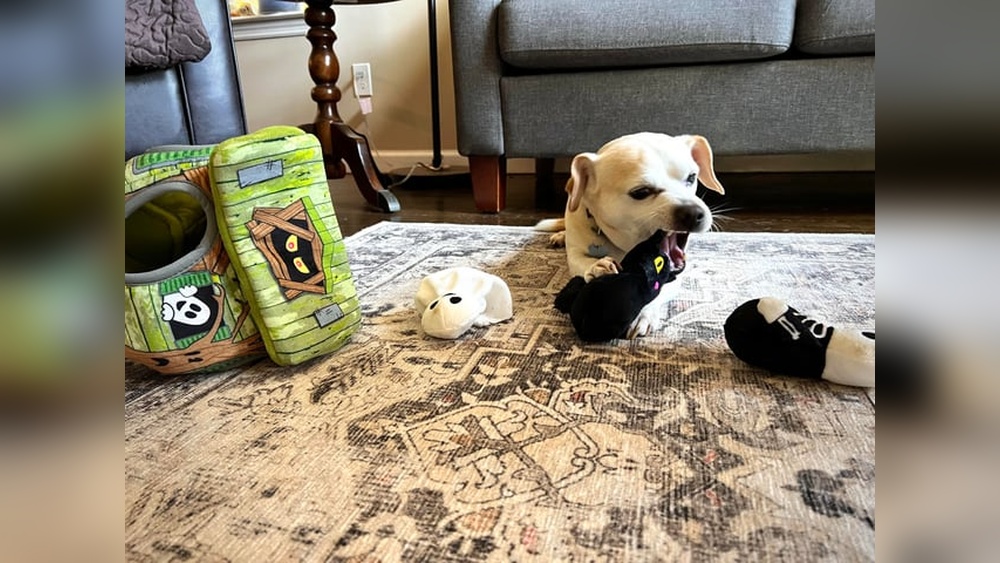
Your dog’s toys are more than just playthings—they’re a source of joy, comfort, and even health. But have you ever stopped to think about what’s lurking on those toys after a day of chewing and fetching?
Keeping your dog’s toys clean is crucial for their well-being, but you might be wondering: what exactly should you wash dog toys with? You’ll discover simple, safe, and effective ways to clean your furry friend’s favorite items. By the end, you’ll feel confident that your dog’s toys are not only fun but also fresh and hygienic.
Keep reading to learn how to protect your pet and keep playtime worry-free!
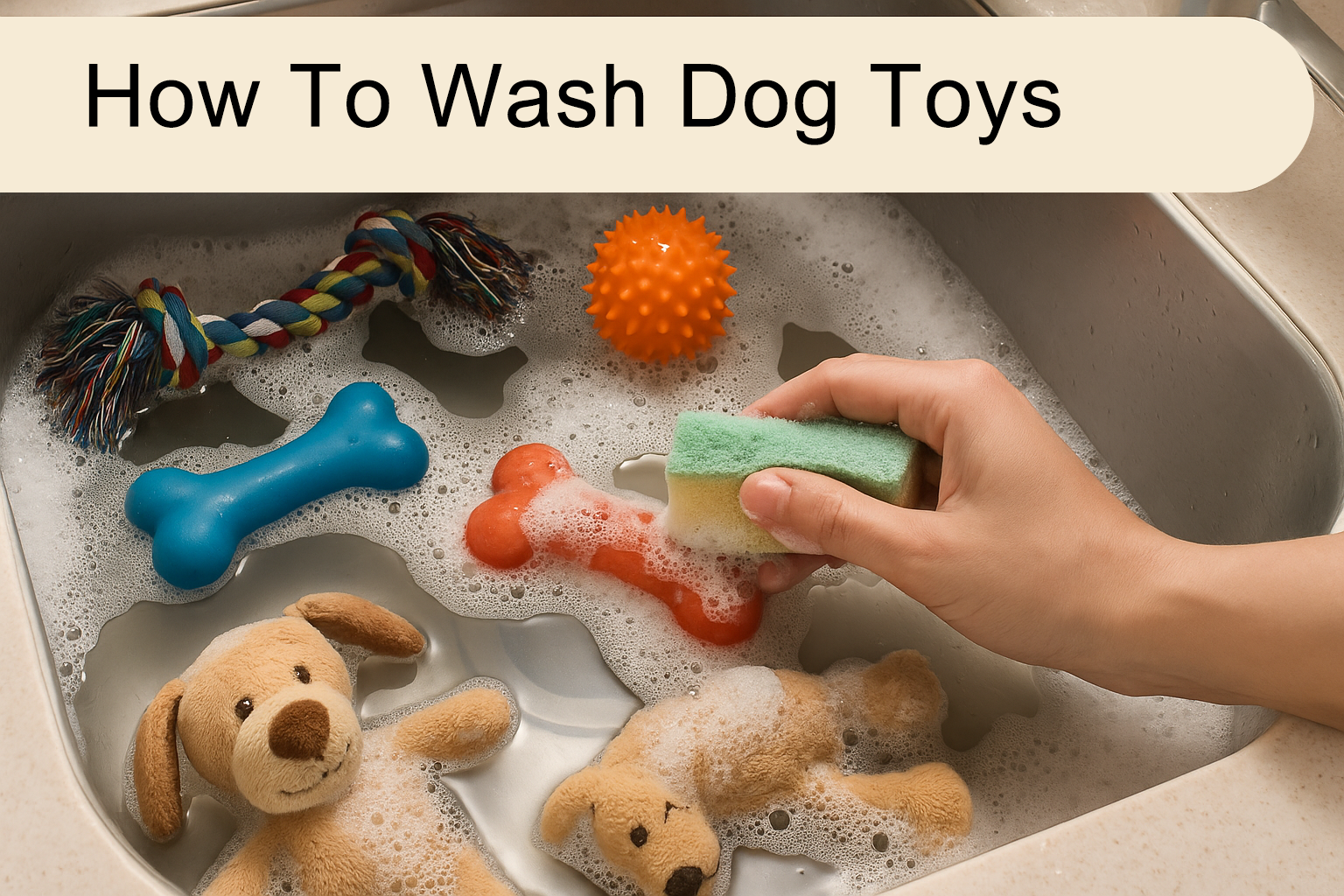
Credit: bobotails.com
Choosing Safe Cleaning Agents
Cleaning dog toys is important for your pet’s health. Choosing the right cleaning agents keeps toys safe and fresh. Some cleaners can harm your dog’s skin or cause allergies. Use gentle, safe options to protect your furry friend.
Non-toxic Soap Options
Choose soaps made for sensitive skin or baby use. These soaps are free from harsh chemicals and fragrances. Mild dish soap can also work well. Make sure the soap is fully rinsed off after washing.
Natural Cleaning Alternatives
Baking soda and vinegar are great natural cleaners. They remove odors and kill some germs without chemicals. Use a mix of water and vinegar to soak toys. Baking soda can scrub tough stains gently. Rinse toys well to avoid residue.
Avoiding Harmful Chemicals
Steer clear of bleach, ammonia, and strong disinfectants. These chemicals can irritate your dog’s mouth and skin. Avoid cleaners with artificial dyes and fragrances. Read labels carefully before using any product on toys.
Washing Different Toy Materials
Dog toys come in many materials. Each type needs a different cleaning method. Proper washing keeps toys safe and lasts longer. It also helps stop germs and bad smells. Below are easy ways to clean common dog toy materials.
Cleaning Rubber And Plastic Toys
Rubber and plastic toys are easy to clean. Use warm water and mild soap. Scrub with a brush to remove dirt. Rinse well to get rid of soap. Let the toys dry completely before giving them back.
For deep cleaning, soak toys in a water and vinegar mix. One part vinegar to one part water works well. Soak for 10 to 15 minutes, then rinse thoroughly.
Washing Fabric And Plush Toys
Fabric and plush toys can hold dirt inside. Check the label for washing instructions first. Most toys can go in the washing machine. Use a gentle cycle and mild detergent. Put toys in a pillowcase to protect them.
Air dry the toys to keep their shape. Avoid high heat from dryers. For small tears, sew them before washing to prevent more damage.
Sanitizing Rope And Chew Toys
Rope toys can trap bacteria and dirt deep inside. Soak them in a mixture of hot water and pet-safe disinfectant. Let soak for 10 minutes, then rinse well. You can also put rope toys in the washing machine.
Make sure the toys dry fully to stop mold growth. If the rope starts to fray or smell bad, replace it to keep your dog safe.
Effective Cleaning Methods
Keeping dog toys clean is important for your pet’s health. Dirt, saliva, and germs build up quickly on toys. Using the right cleaning methods removes these harmful substances. It also keeps the toys safe and fresh. Effective cleaning methods include hand washing, dishwasher use, and soaking. Each method suits different types of toys and materials.
Hand Washing Techniques
Hand washing works well for most dog toys. Use warm water and mild soap. Avoid strong detergents that may harm your dog. Gently scrub the toy with a brush or cloth. Pay attention to crevices and textured surfaces. Rinse thoroughly to remove all soap. Dry the toy completely before giving it back to your dog.
Using Dishwasher Safely
Many hard plastic and rubber toys can go in the dishwasher. Place toys on the top rack only. Use a gentle cycle with no added detergent. The hot water kills germs effectively. Avoid dishwasher use for soft or fabric toys. Check the toy’s label to confirm if dishwasher safe. Always inspect toys for damage after washing.
Soaking For Deep Cleaning
Soaking is ideal for tough stains and odors. Use a mix of water and white vinegar or baking soda. Let the toy soak for 30 minutes to an hour. This breaks down dirt and kills bacteria. After soaking, scrub the toy lightly and rinse well. Soaking works best for durable toys that can handle moisture. Dry the toy fully before use.

Credit: www.reddit.com
Drying And Storage Tips
After washing dog toys, drying and storing them properly keeps your pet safe. Clean toys that dry well stay fresh longer. Storing toys right stops dirt and germs from coming back. Follow these tips to dry and store dog toys safely.
Air Drying Best Practices
Air drying is the safest way to dry dog toys. Place toys in a clean, well-ventilated area. Avoid direct sunlight, which can damage some toys. Turn soft toys inside out to dry the inner parts. Hard toys dry faster when spaced apart. Use a towel to remove extra water before air drying. Patience helps toys dry fully and stay safe for your dog.
Preventing Mold And Mildew
Mold grows on wet toys left in damp places. Always dry toys completely before storing them. Use a dry cloth to wipe away moisture. Avoid storing toys in closed, humid spaces. Check toys regularly for any signs of mold or smell. Toss out toys that show mold to keep your dog healthy. Clean and dry toys prevent mold and keep playtime safe.
Organizing Clean Toys
Keep clean toys in a dedicated container or basket. Use mesh bags for small or soft toys to allow airflow. Label storage bins to separate clean and dirty toys. Store toys in a dry, cool place away from dirt. Regularly check and clean the storage area. Organized toys make it easy to find and keep them fresh. Good storage habits protect your dog’s health and happiness.
Cleaning Frequency And Safety
Keeping your dog’s toys clean is key to their health and happiness. Dirty toys can carry germs and bacteria that may cause illness. Regular cleaning stops germs from building up. Safety matters too. Using safe cleaning methods protects your dog from harmful chemicals or damage to their toys.
How Often To Clean Toys
Clean soft toys once a week. Hard toys, like rubber or plastic, need washing every two weeks. If your dog chews a lot or plays outside, clean toys more often. After illness, wash all toys immediately to stop germs spreading. Daily quick rinses help keep toys fresh between deep cleans.
Signs Toys Need Replacement
Replace toys if they have cracks, holes, or broken parts. Frayed edges or loose stuffing can be dangerous. If a toy smells bad even after cleaning, it may be time to throw it away. Toys that lose shape or color often need replacing. Old toys can hide bacteria and harm your dog.
Keeping Your Dog Healthy
Clean toys help prevent infections and allergies. Safe cleaning products avoid skin irritation or poisoning. Always rinse toys well after washing. Dry toys completely to stop mold or mildew. Healthy toys mean a happy, active dog with fewer vet visits.

Credit: smart.dhgate.com
Frequently Asked Questions
How Often Should I Wash Dog Toys?
Wash dog toys at least once a week to remove dirt and germs. Frequent cleaning prevents bacteria buildup and keeps your dog healthy. More frequent washing is needed if toys get visibly dirty or are shared with other dogs.
What Household Items Safely Clean Dog Toys?
Use mild dish soap, white vinegar, or baking soda to clean dog toys safely. These items effectively remove dirt and bacteria without harming your pet. Avoid harsh chemicals or bleach, which can be toxic to dogs.
Can I Wash Dog Toys In The Dishwasher?
Yes, many durable dog toys can be washed in the dishwasher. Use the top rack and a gentle cycle without detergent for best results. Check the toy’s label to ensure it’s dishwasher safe before washing.
How Do I Clean Fabric Dog Toys Effectively?
Machine wash fabric dog toys using mild detergent on a gentle cycle. Air dry completely to prevent mold and mildew growth. For non-machine washable toys, hand wash with warm water and soap.
Conclusion
Keeping dog toys clean helps protect your pet’s health. Use mild soap and warm water for most toys. Avoid harsh chemicals that can harm your dog. Soft toys may need gentle hand washing. Hard toys can often go in the dishwasher.
Let toys dry fully before giving them back. Regular cleaning stops dirt and germs from building up. Clean toys make playtime safe and fun. Taking these simple steps shows you care. Your dog will enjoy fresh, clean toys every day.


