
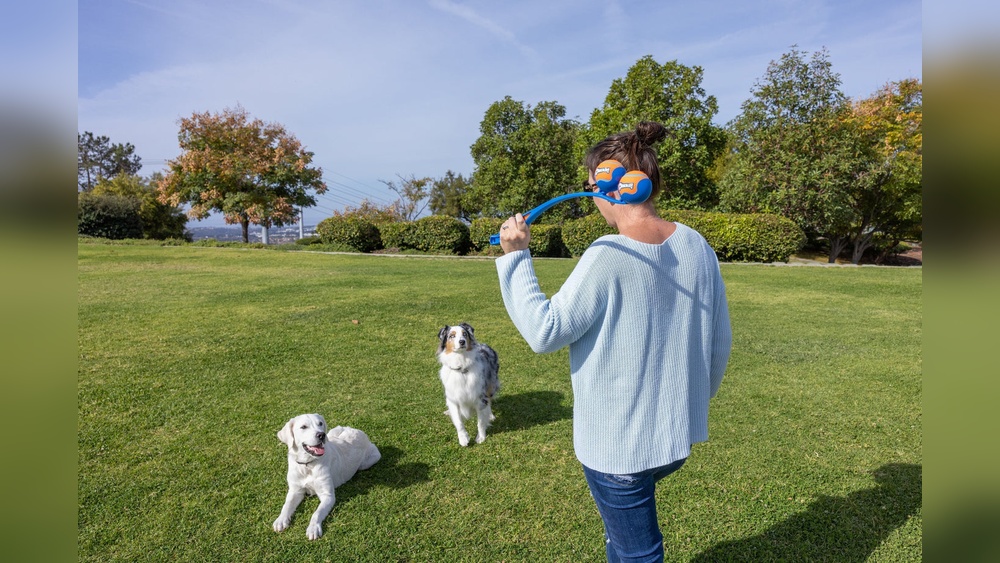
Do you ever wish your dog could play nicely with others and share their favorite toys without a fuss? Teaching your dog to share toys isn’t just about avoiding fights—it can build trust, improve their social skills, and make playtime more fun for everyone.
If you’ve struggled with your dog guarding their toys or snapping when others get close, you’re not alone. But here’s the good news: with the right approach, you can help your dog learn to share happily and confidently. Keep reading, and you’ll discover simple, effective steps to turn toy time into a peaceful, joyful experience for your furry friend.
Why Sharing Matters
Teaching dogs to share toys is important for their happiness and social skills. Dogs that learn to share tend to get along better with other pets and people. Sharing toys helps reduce fights and stress in multi-dog homes. It builds trust and strengthens the bond between you and your dog.
Benefits Of Sharing Toys
Sharing toys teaches dogs patience and self-control. It encourages them to wait their turn and respect others. Dogs that share are less likely to show aggressive behavior. Sharing also makes playtime more fun and relaxed. It helps your dog feel secure and part of the family group.
Common Challenges
Some dogs may guard toys and refuse to share. This behavior can cause tension and fights between dogs. Fear or past negative experiences might make sharing hard. Puppies and young dogs often need more guidance. Consistent training and positive rewards can help overcome these challenges.

Credit: www.petplan.co.uk
Choosing The Right Toys
Choosing the right toys plays a key role in teaching dogs to share. Toys that suit sharing help dogs learn to take turns. They reduce fights and keep playtime fun for all pets involved. Safe and durable toys last long and protect dogs from harm. Toys made for sharing encourage positive behavior and teamwork between dogs.
Safe And Durable Options
Select toys made from strong, non-toxic materials. Avoid toys that break easily or have small parts. Tough rubber or hard nylon toys work well. These materials hold up to chewing and rough play. Check toys regularly for damage and replace them if needed. Safety ensures dogs do not swallow pieces or get hurt.
Toys Suitable For Sharing
Pick toys that multiple dogs can enjoy together. Balls and ropes are good examples. These toys encourage dogs to play side by side. Avoid toys that only one dog can use at a time. Toys with multiple parts or that can be tugged by two dogs help sharing. Sharing toys helps dogs build trust and social skills.
Preparing Your Dogs
Preparing your dogs to share toys is the first step in teaching good behavior. It helps make the training smooth and safe. You need to understand your dogs and create the right setting. This way, they feel calm and ready to learn.
Assessing Temperament
Look at how your dogs act around each other. Are they calm or aggressive? Notice if one dog guards toys or space. Understanding this helps you plan training better. Some dogs may need more time to adjust. Watch their body language closely during playtime.
Setting Up A Calm Environment
Choose a quiet room without distractions. Keep toys within easy reach but not too close. Make sure dogs have enough space to move freely. Avoid loud noises or other pets nearby. A calm place helps dogs focus and feel safe. This reduces stress during toy-sharing lessons.
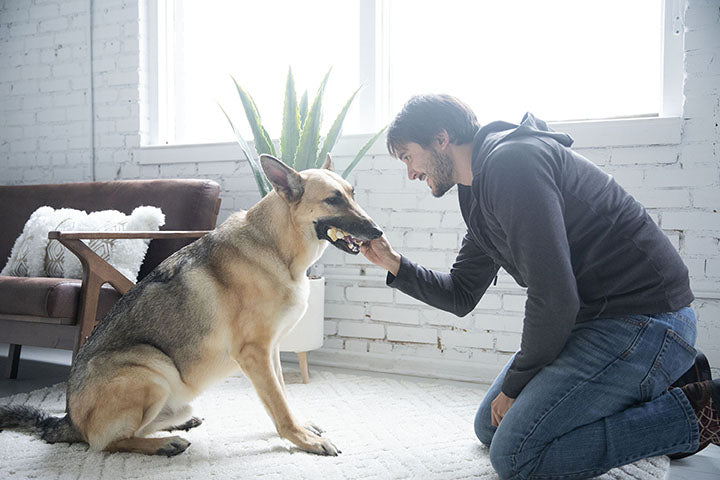
Credit: www.petmate.com
Step-by-step Training
Teaching dogs to share toys takes patience and clear steps. Follow this simple guide to help your dog learn to share. Each step builds trust and good habits. Your dog will enjoy playing together more.
Introducing Toys One At A Time
Start by giving your dog one toy. Let them explore and feel comfortable with it. Avoid giving many toys at once. This helps your dog focus and reduces confusion. Watch how your dog reacts to the new toy. Make sure they feel safe and happy.
Encouraging Gentle Interaction
Show your dog how to play gently with the toy. Use calm voice and soft touch. If your dog grabs the toy too hard, stop play for a moment. Teach your dog to take turns with the toy. Praise your dog when they play nicely.
Using Positive Reinforcement
Reward your dog with treats or praise for sharing. Use small treats to keep their attention. Give rewards right after good sharing behavior. This helps your dog understand what you want. Be consistent with rewards and kind words.
Managing Possessiveness
Some dogs guard toys strongly. Watch for growling or stiff body language. Calmly remove the toy if your dog becomes possessive. Give the toy back after a short break. Teach your dog that sharing is safe and good. Use gentle training to reduce possessiveness over time.
Handling Conflicts
Handling conflicts during toy sharing is key to teaching dogs good behavior. Dogs may get upset or protective over toys. Knowing how to manage these moments helps keep peace and builds trust between dogs and owners.
Conflicts should be handled calmly and with care. Quick actions can stop fights and teach dogs to share better over time.
Recognizing Warning Signs
Watch your dogs closely for signs of stress or anger. Growling, stiff body, and fixed staring often mean trouble. Ears pinned back and raised hackles also show discomfort. Spotting these signs early helps stop conflicts before they start.
Redirecting Aggression
If a dog shows aggression, gently distract it. Offer a different toy or call its name. Use treats to shift attention away from the toy. Redirecting helps calm the dog and breaks the focus on fighting.
Separating When Needed
Sometimes dogs need space to calm down. Separate them calmly and give a short break. Keep the dogs apart until they relax. This prevents fights and lets dogs reset emotionally.
Building Long-term Habits
Building long-term habits is key to teaching dogs to share toys. It takes time and patience. Consistency helps dogs understand what is expected. Habits form through regular, repeated actions. This section covers ways to build lasting sharing habits in your dog.
Consistent Practice
Practice sharing sessions every day. Short, frequent sessions work best. Use the same toys and commands each time. Consistency helps dogs remember rules. Avoid sudden changes during training. Regular practice builds trust and understanding.
Rewarding Sharing Behavior
Reward your dog immediately after sharing. Use treats, praise, or petting as rewards. Positive feedback encourages good behavior. Reward even small steps toward sharing. This makes your dog want to share more. Rewards create a positive experience with sharing.
Involving Everyone In The Family
Make sure all family members join training. Everyone should use the same commands and rewards. This prevents confusion for your dog. Consistent messages from all people build strong habits. Sharing becomes easier when everyone helps teach it.
Troubleshooting Tips
Troubleshooting is key when teaching dogs to share toys. Some dogs may resist sharing at first. Challenges can slow progress. Patience and the right approach help overcome these issues. Understanding common problems guides you to better training results.
Dealing With Reluctant Sharers
Some dogs guard toys strongly. They may growl or hide toys. Avoid forcing them to share. Instead, try swapping toys for treats. This teaches sharing is rewarding. Use calm, gentle praise. Practice sharing with one toy at a time. Short, regular sessions work best.
Watch your dog’s body language. Signs of stress need a break. Repeat the exercise slowly. Consistency builds trust and reduces fear. Sharing takes time for some dogs. Stay calm and patient during training.
When To Seek Professional Help
Some dogs show extreme possessiveness. Aggression or biting needs expert guidance. A professional trainer or behaviorist can help. They create safe, tailored plans. Early help prevents bigger problems. Don’t wait if your dog seems dangerous. Safety for you and your dog is top priority.

Credit: www.sciencenews.org
Frequently Asked Questions
How Can I Teach My Dog To Share Toys?
Start by offering toys to both dogs at once. Reward calm behavior with treats and praise. Gradually increase sharing time to build positive associations. Consistency and patience are key for success.
What Are The Best Toys For Sharing Training?
Choose durable, non-toxic toys that are safe for both dogs. Soft plush toys or rubber balls work well. Avoid toys that cause possessiveness or aggression during play sessions.
How Long Does It Take For Dogs To Share Toys?
Time varies depending on dogs’ temperament and training consistency. Most dogs learn to share within a few weeks with daily practice. Patience and positive reinforcement speed up the learning process.
How Do I Prevent Toy Aggression Between Dogs?
Supervise playtime closely and intervene if tension arises. Teach “leave it” and “drop it” commands to manage possessiveness. Provide separate toys if aggression persists and consult a trainer if needed.
Conclusion
Teaching dogs to share toys builds trust and good habits. Start with patience and gentle guidance. Praise your dog when they share or wait their turn. Use treats and playtime as rewards. Keep training sessions short and fun. Remember, every dog learns at their own pace.
Sharing toys helps dogs play well together and reduces fights. Stay consistent and calm throughout the process. With time, your dogs will enjoy playing nicely side by side. Sharing brings happiness for both pets and owners alike.


