
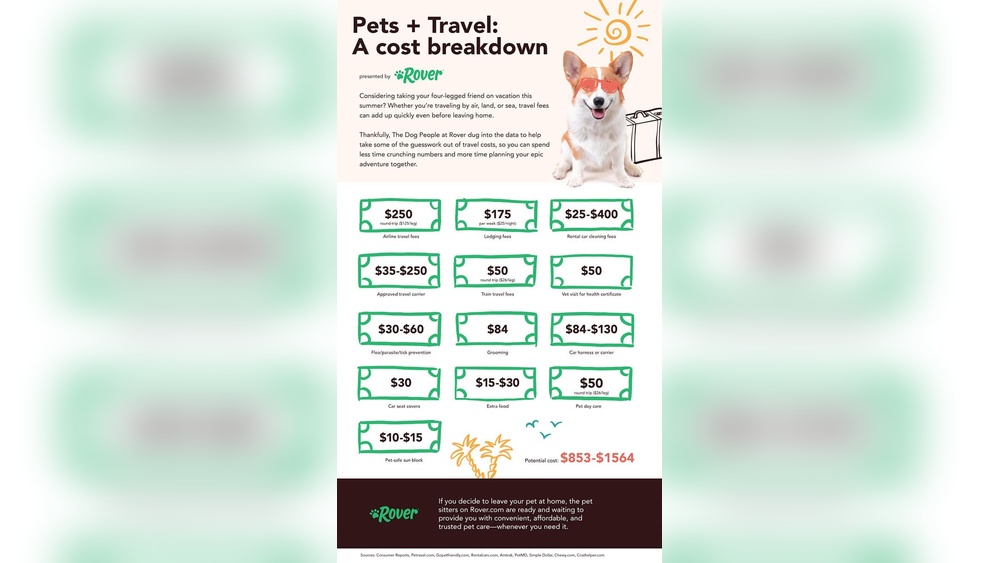
Thinking about traveling with your dog? You probably wonder, “How much is it going to cost?” Whether it’s a short trip or a long vacation, bringing your furry friend along adds extra expenses you need to know about.
From airline fees to pet-friendly hotels, these costs can add up quickly. But don’t worry—you’re not alone, and understanding the price breakdown will help you plan better. Keep reading to discover exactly what you’ll need to budget for, so your adventure with your dog is smooth and stress-free.
Travel Costs For Dogs
Traveling with your dog costs more than just your ticket. There are many fees and expenses to consider. Knowing these costs helps you plan your budget better. This section breaks down the main expenses for dog travel.
Airfare Expenses
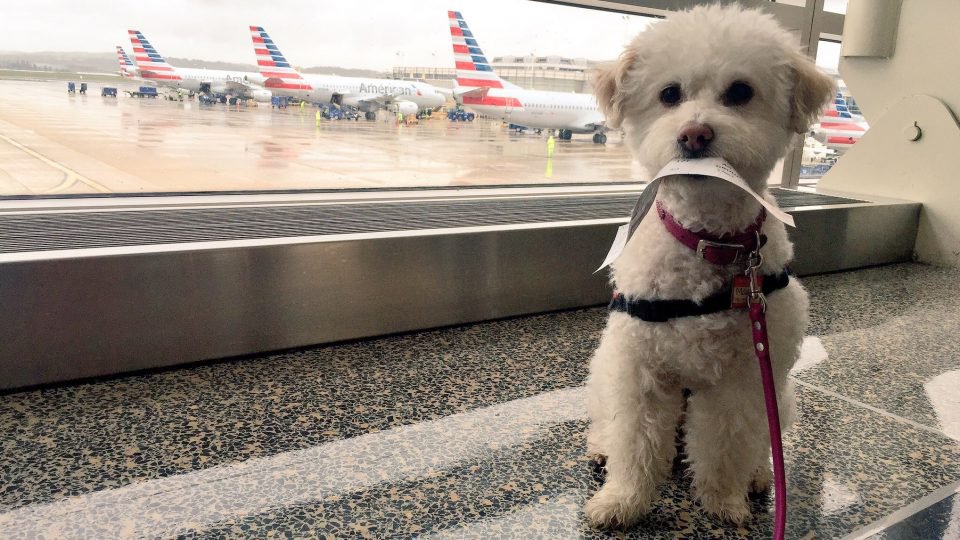
Airlines often charge for pets flying with passengers. Prices vary by airline and flight length. Some airlines allow small dogs in the cabin for a fee. Larger dogs usually fly in cargo with higher costs. Booking early can sometimes reduce fees.
Pet Fees And Surcharges
Pet fees include more than just airfare. Some airlines charge extra for pet health certificates. There may be fees for pet carriers or special handling. International travel might require vaccinations and paperwork. These add to your total travel cost.
Ground Transportation Costs
Costs continue after the flight. Taxis and rideshares may charge extra for pets. Rental car companies often have pet cleaning fees. Trains and buses may require a pet ticket. Plan for these expenses to avoid surprises.
Pet Travel Gear
Traveling with a dog needs the right gear. Good pet travel gear keeps your dog safe and comfortable. It also makes your trip easier. Choosing the right items helps avoid stress and extra costs. Here is what you need to know about pet travel gear.
Crates And Carriers
Crates and carriers are a must for travel. They protect your dog during car or plane trips. Choose a crate that fits your dog well. It should be big enough to let your dog stand and turn. Hard-sided crates offer strong protection. Soft carriers work well for small dogs and short trips. Make sure the crate meets airline rules if flying.
Travel Accessories
Travel accessories make trips smoother for you and your dog. Portable water bowls keep your dog hydrated. Travel beds give comfort during rests. Leashes and harnesses control your dog safely in new places. Pack waste bags to keep areas clean. These small items help avoid hassle on the road.
Safety Equipment
Safety equipment protects your dog in different situations. Seat belt harnesses keep your dog secure in the car. Reflective collars and vests improve visibility at night. First aid kits are essential for emergencies. GPS trackers help find your dog if lost. These tools add safety and peace of mind while traveling.
Health And Documentation
Traveling with a dog needs careful planning. Health and documents are key parts of this plan. They keep your pet safe and meet travel rules. Understanding these costs helps avoid surprises. This section covers vet checkups, passports, and insurance for pets.
Vet Checkups And Vaccinations
Before any trip, a vet visit is important. The vet checks your dog’s health and gives needed shots. Vaccinations protect your dog from diseases. Some places need specific vaccines for entry. Regular checkups also spot any health issues early. These visits usually cost between $50 and $150.
Pet Passports And Permits
Many countries require pet passports or permits. These documents prove your dog is healthy and vaccinated. Getting a pet passport involves paperwork and vet visits. Permits may also involve fees, sometimes $20 to $100. Make sure to get these documents well before travel.
Travel Insurance For Pets
Travel insurance covers your dog’s health emergencies on the road. It helps pay vet bills if your pet gets sick or hurt. Insurance costs vary but usually start around $10 per month. This coverage adds peace of mind during your trip. Check what the policy covers before buying.
Accommodation Fees
Traveling with a dog means planning for extra costs. One big part is accommodation fees. Places that accept pets often charge more. These fees help cover cleaning and upkeep. Knowing these costs helps you budget better.
Pet-friendly Hotels
Many hotels welcome dogs but charge a pet fee. This fee can be a one-time charge or per night. Fees range from $10 to $50 each night. Some hotels limit dog size or number. Always check the pet policy before booking. Some hotels offer special pet amenities too.
Vacation Rentals
Vacation homes or apartments often allow dogs. Owners usually add a pet cleaning fee. This fee might be $50 to $150 for the stay. Some places charge extra per pet. Rules about pets vary widely in rentals. Read the pet policy carefully before reserving.
Boarding And Daycare
Sometimes dogs stay in boarding or daycare. This happens if you visit places that do not allow pets. Boarding fees vary from $25 to $75 per day. Daycare is often cheaper but still costs money. These fees add to your total travel budget. Plan for these expenses to avoid surprises.
Food And Supplies
Traveling with a dog means planning for food and supplies. Dogs need proper nutrition and comfort on the road. Packing the right items helps avoid stress and extra costs. Knowing what to bring keeps your trip smooth and safe.
Travel-specific Pet Food
Bring pet food designed for travel or long days out. These foods are easy to store and carry. Dry kibble is best for most trips. It lasts longer and is less messy. Carry enough to feed your dog for the whole trip. Changing food suddenly can upset your dog’s stomach. Stick to familiar brands your dog likes.
Treats And Supplements
Treats make travel fun and reward good behavior. Choose small, healthy treats that last long. Avoid new treats that might cause allergies. Supplements help with anxiety and digestion. Talk to your vet about what suits your dog. Keep treats handy for breaks and rest stops.
Emergency Supplies
Always pack emergency supplies for safety. Include a first aid kit with bandages and antiseptic. Bring any medications your dog needs. Extra water and a bowl are essential. A leash and harness must be ready at all times. These supplies save money and protect your dog during emergencies.
Credit: www.aircharteradvisors.com
International Travel Costs
Traveling internationally with your dog involves several costs. These expenses vary widely by country and travel requirements. Knowing these costs helps you plan your budget better. It also ensures a smooth trip for both you and your pet.
Quarantine Fees
Some countries require dogs to stay in quarantine. This keeps diseases from spreading. Quarantine fees can range from a few hundred to over a thousand dollars. The length of quarantine varies from a few days to several weeks. Budget extra money for this stay if your destination requires it.
Import Regulations
Each country has its own import rules for pets. Some require specific vaccinations and health checks. Others ask for microchips or blood tests. These rules affect the total cost of travel. Be sure to research your destination’s rules early. Meeting these rules avoids fines and denied entry.
Additional Documentation
You need special papers to travel with a dog internationally. A pet passport or health certificate is often required. These documents prove your dog is healthy and vaccinated. Preparing and getting these papers can cost money. Plan ahead to get all needed documents before traveling.
Tips For Saving Money
Traveling with a dog can add extra costs. Saving money helps make your trip easier and fun. Small steps can cut costs without stress. Focus on smart planning and good choices.
Booking In Advance
Book your tickets early to get lower prices. Airlines and hotels often offer discounts for early bookings. Early planning also gives more options for pet-friendly places. Avoid last-minute bookings to save money and stress.
Choosing Budget-friendly Options
Pick budget hotels or vacation rentals that allow pets. Look for places with no extra pet fees or low charges. Choose airlines with reasonable pet travel fees. Consider driving to reduce travel costs with your dog.
Using Loyalty Programs
Join airline and hotel loyalty programs. Earn points from your bookings to reduce future costs. Some programs offer special pet travel perks. Use points to pay for pet fees or upgrades.
Credit: www.americanexpress.com

Credit: www.united.com
Frequently Asked Questions
How Much Does Flying With A Dog Usually Cost?
Flying with a dog can cost between $125 to $500. Fees depend on airline, size, and whether the dog flies in-cabin or cargo. Additional costs like pet passports or health certificates may apply.
What Are Typical Expenses For Road-tripping With A Dog?
Road trips with dogs mainly cost for food, water, and pet-friendly accommodations. Expect to spend $20 to $50 daily on these essentials. Fuel costs may rise slightly due to frequent stops.
Are There Hidden Fees When Traveling With Dogs By Plane?
Yes, hidden fees can include kennel rental, health certificates, and pet insurance. Airlines may charge extra for overweight pets or oversized carriers. Always check the airline’s pet policy carefully.
How Much Do Pet Travel Accessories Cost On Average?
Essential pet travel accessories like carriers, bowls, and leashes cost around $30 to $150. Quality and brand influence prices. Investing in durable gear ensures comfort and safety for your dog.
Conclusion
Traveling with a dog costs can vary a lot. Expenses include food, transport, and lodging fees. Planning ahead helps you avoid surprises. Choose pet-friendly places to keep your dog safe. Keep your dog’s comfort and needs in mind. Small steps make travel easier and more fun.
Enjoy your trip while caring for your pet. Traveling with your dog creates happy memories together.

