

Have you ever noticed your dog always reaching for the same toy? It’s not just a coincidence.
Dogs, just like people, can have favorite things that bring them comfort and joy. But why does your furry friend prefer one toy over others? Understanding this can help you connect with your dog on a deeper level and make playtime even more fun.
Keep reading to discover the surprising reasons behind your dog’s toy choices and how you can use this knowledge to keep your pup happy and entertained.
Why Dogs Love Toys
Toys bring joy and comfort to dogs. They help dogs stay active and happy. Dogs use toys to express feelings and energy.
Playing with toys keeps dogs busy and reduces stress. Toys also help dogs learn and explore their world.
The Role Of Play In Canine Behavior
Play is a natural part of a dog’s life. It helps dogs practice skills like hunting and chasing. Puppies learn social rules through play with toys and friends.
Play also strengthens the bond between dogs and their owners. It keeps dogs physically fit and mentally sharp. Without play, dogs may feel bored or anxious.
How Toys Satisfy Natural Instincts
Toys let dogs follow their natural urges. Chewing toys mimics biting and keeps teeth healthy. Fetch toys satisfy the chase instinct.
Some toys offer scents or sounds that attract dogs. These features make playtime more exciting. Toys provide safe ways for dogs to explore instincts.

Credit: nypost.com
Signs Of A Favorite Toy
Dogs can have favorite toys just like people have favorite things. These toys bring comfort and joy. Knowing the signs helps you understand your dog better. It also helps you pick toys they love and enjoy for a long time.
Favorite toys often hold a special place in a dog’s heart. They show clear signs of liking one toy more than others. These signs reveal how dogs connect with their toys.
How Dogs Choose Their Toys
Dogs pick toys by feel, smell, and sound. Soft toys might feel good to carry. Toys that squeak or make noise catch their attention. Some dogs like chew toys for their texture. Others prefer balls for chasing and fetching. A dog’s past experiences also matter. Toys that remind them of fun times become favorites.
Behaviors That Show Attachment
Dogs show love for toys by guarding them closely. They carry their favorite toy everywhere. Some dogs sleep with their toy nearby. They may chew gently or lick their toy often. When excited, they bring the toy to you. These actions show strong bonds with the toy. Watching these behaviors helps identify the chosen favorite.
Top Toy Types Dogs Prefer
Dogs enjoy different kinds of toys based on their personality and energy. Some love to chew, while others like to solve puzzles. Soft toys offer comfort and cuddles. Understanding favorite toy types helps keep dogs happy and healthy.
Choosing the right toy also supports mental and physical health. It reduces boredom and destructive behavior. Here are the top toy types dogs prefer.
Chew Toys That Last
Durable chew toys satisfy a dog’s natural urge to chew. They help clean teeth and strengthen jaws. Tough rubber or nylon toys often last through heavy chewing. These toys prevent dogs from chewing on furniture or shoes.
Interactive And Puzzle Toys
Interactive toys challenge dogs and keep their minds sharp. Puzzle toys hide treats that dogs must find. These toys boost problem-solving skills and focus. They help reduce anxiety and prevent boredom.
Soft And Cuddly Options
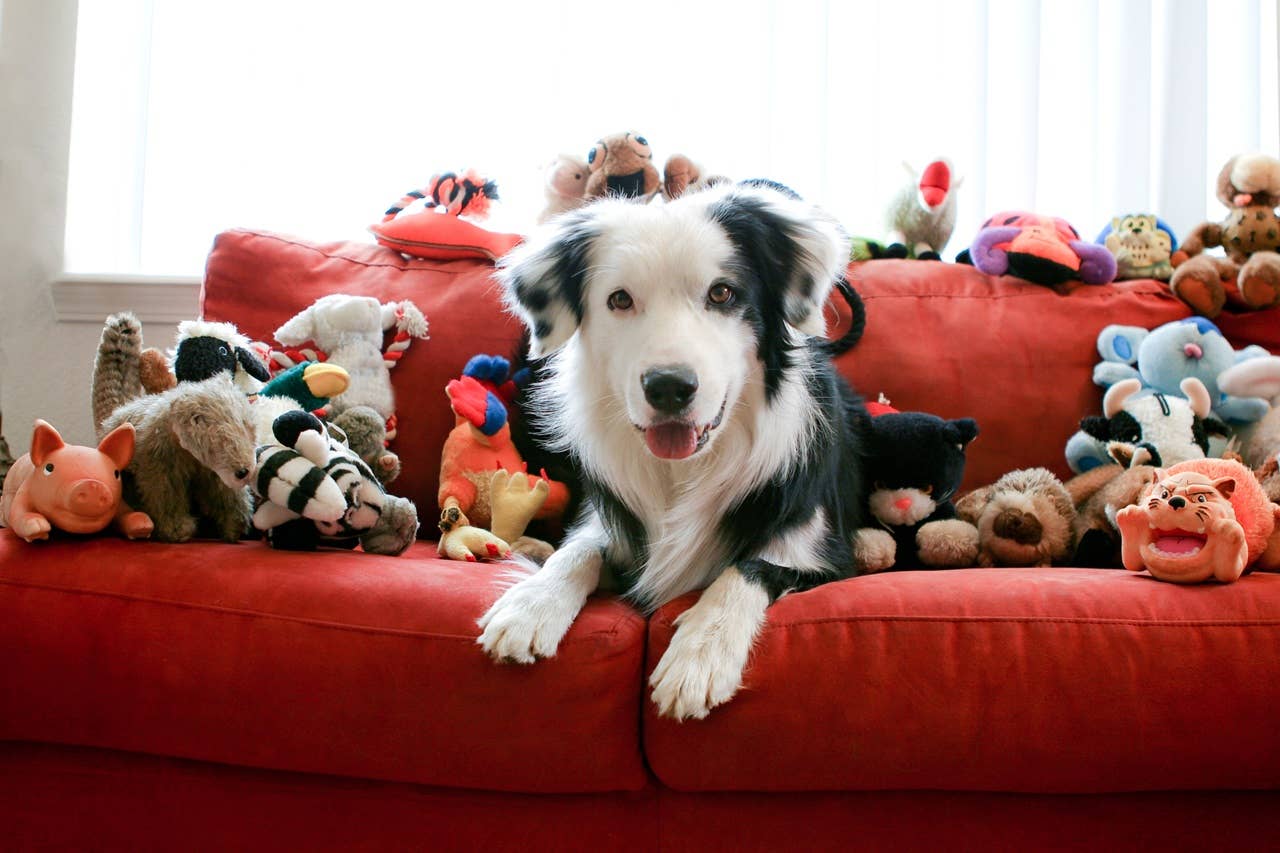
Soft toys bring comfort and warmth to dogs. Many dogs enjoy carrying or snuggling with plush toys. These toys often become a source of security. They are gentle for puppies and older dogs.
Breed And Age Influence On Toy Choice
Dogs do not choose toys randomly. Their breed and age shape their toy preferences strongly. These factors affect the type, size, and texture of toys they like. Understanding these influences helps pet owners pick the best toys.
Different breeds have unique traits that guide their toy choices. Age also plays a role. Puppies and adult dogs often prefer very different kinds of toys. Let’s explore these ideas in detail.
Toy Preferences By Breed
Each dog breed has natural instincts that affect toy choice. For example, retrievers love toys they can fetch. Herding breeds enjoy toys that challenge their intelligence. Small breeds often prefer soft, lightweight toys they can carry easily.
Strong breeds like bulldogs like durable toys. Chewing is a common habit for many breeds. Toys that can withstand heavy chewing work best for them. Some breeds have sensitive teeth and need gentler toys.
Knowing a breed’s typical behavior helps pick toys they enjoy. Breed-specific traits guide toy material, size, and type choices.
How Puppies Differ From Adult Dogs
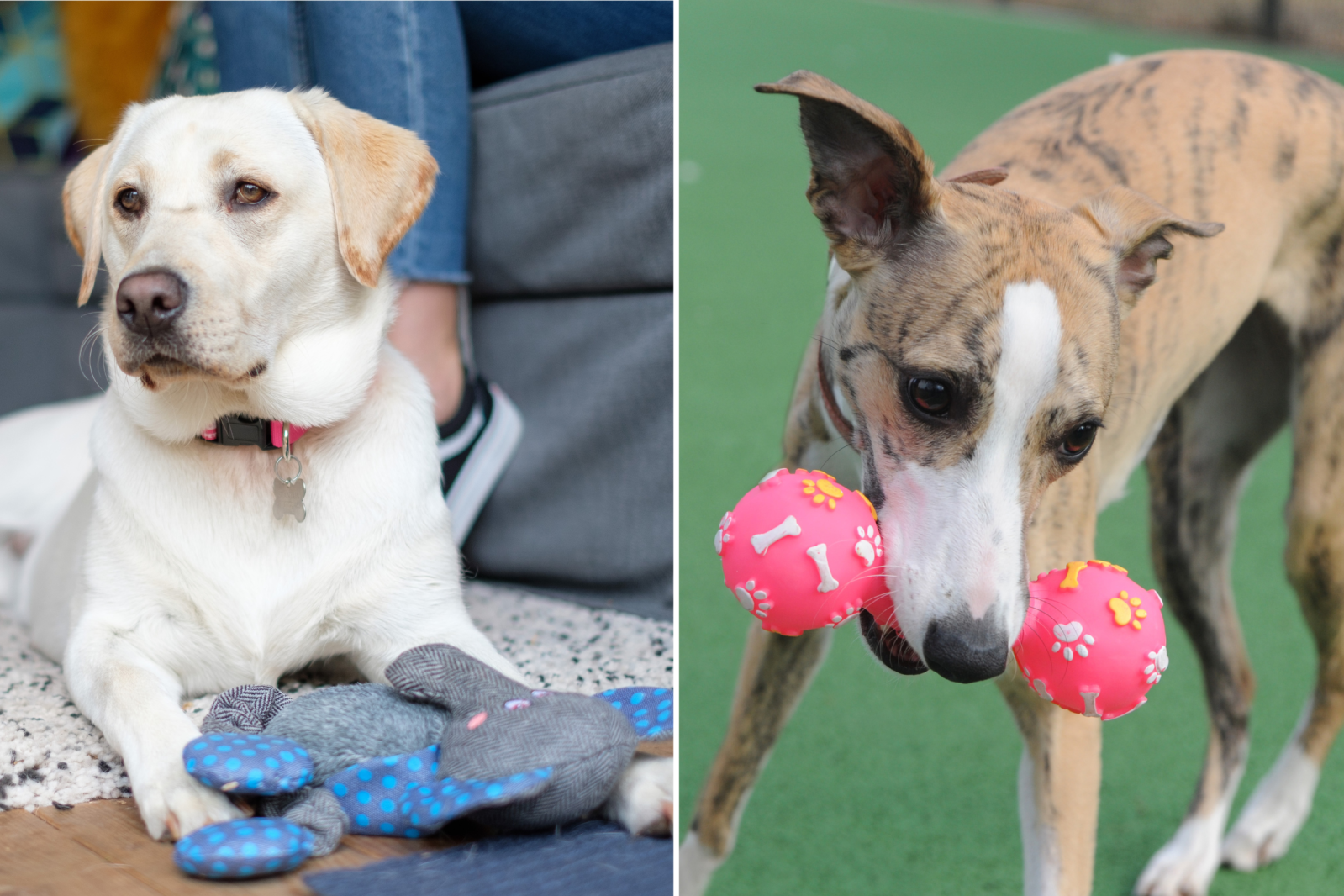
Puppies have different needs than adult dogs. They use toys to soothe teething pain. Soft, chewable toys are best for puppies. Their toys should be safe and non-toxic.
Adult dogs enjoy toys for play and exercise. They like toys that offer mental and physical challenges. Some adults prefer interactive toys or puzzles.
Energy levels change with age too. Puppies are more energetic and curious. Older dogs may prefer calm, simple toys. Age shapes toy choice as much as breed does.
Tips To Find Your Dog’s Favorite Toy
Every dog has different tastes in toys. Finding the one they love most can make playtime fun and exciting. Watch how your dog reacts to different toys. Their favorite will stand out quickly.
Pay attention to what excites them and what they ignore. Use these tips to discover their top pick and keep them happy.
Observing Playtime Habits
Notice which toys your dog chooses first. Do they prefer soft toys or hard ones? Some dogs like to chew, while others like to fetch or cuddle.
Watch how long your dog plays with each toy. If they return to one toy often, it might be their favorite. Also, see if they carry a toy around or sleep with it.
Introducing New Toys Safely
Give your dog new toys one at a time. Let them explore each toy slowly. Watch for signs of interest or boredom.
Choose toys made for dogs and safe to chew. Avoid small parts that can be swallowed. Clean toys regularly to keep them fresh and safe.
Credit: paradepets.com
Caring For Your Dog’s Toys
Dogs love their toys. These toys bring joy and comfort to their daily lives. Caring for your dog’s toys helps keep them safe and fun. Clean toys prevent germs and bad smells. Well-maintained toys last longer. Your dog will always have something to enjoy.
Cleaning And Maintenance
Clean your dog’s toys often. Use warm water and mild soap. Rinse well to remove all soap. Some toys can go in the washing machine. Check the label first. Dry toys completely before giving them back. Dirty toys can cause infections. Clean toys keep your dog healthy.
When To Replace Worn Toys
Watch for signs of wear. Broken parts can hurt your dog. If stuffing or small pieces come out, replace the toy. Cracked or hard plastic toys can cause injury. Soft toys with holes need tossing. Replace toys regularly to keep playtime safe. Your dog will enjoy fresh toys more.
Credit: www.newsweek.com
Frequently Asked Questions
Do Dogs Really Have Favorite Toys?
Yes, dogs often show preference for certain toys. They choose toys based on texture, size, and play style. Favorites provide comfort and mental stimulation, helping dogs feel happy and secure.
How Can I Tell My Dog’s Favorite Toy?
Observe which toy your dog plays with most often. Notice if they carry it around or choose it for comfort. A favorite toy usually gets more attention and excitement during playtime.
Why Do Dogs Prefer Specific Types Of Toys?
Dogs prefer toys that suit their chewing habits or play needs. Some like soft plush toys, while others enjoy tough chew toys or balls. Preferences depend on breed, age, and personality.
Can Favorite Toys Help With A Dog’s Anxiety?
Yes, favorite toys can reduce anxiety by providing comfort and distraction. Chewing or cuddling a beloved toy helps dogs relax in stressful situations.
Conclusion
Dogs often show clear preferences for certain toys. These favorites bring them comfort and joy. Watching your dog play helps you understand their likes. Choosing toys they enjoy strengthens your bond. Always offer variety to keep playtime fun and fresh.
Remember, a happy dog is an active dog. Paying attention to their favorite toys helps meet their needs. Enjoy the simple moments of play together. It’s a small way to show love and care.


