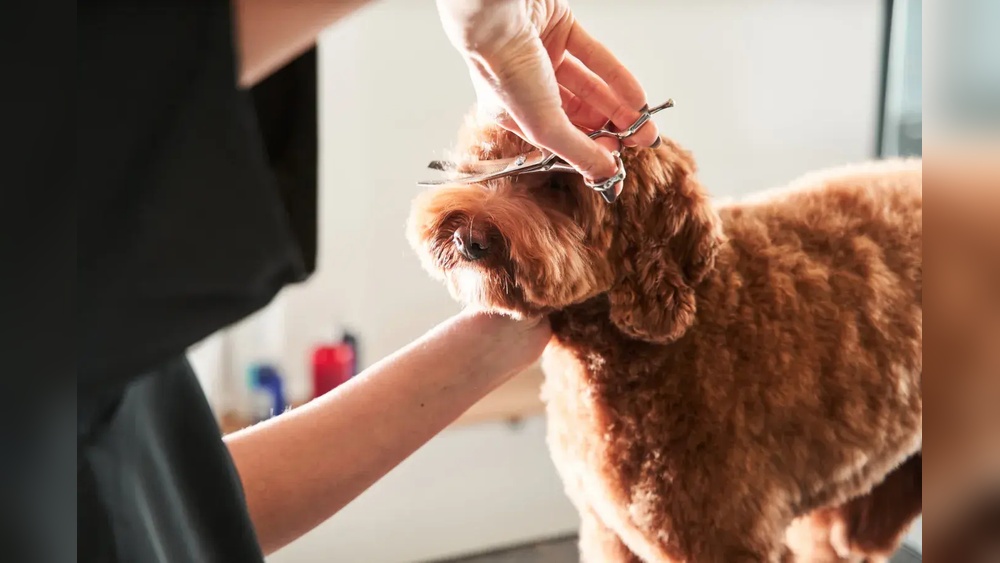
Are you ready to save time and money while keeping your dog looking their best? Learning how to cut and groom your dog at home is easier than you think.
With the right tips and tools, you can turn grooming into a fun and bonding experience for both you and your furry friend. In this guide, you’ll discover simple steps to make grooming safe, comfortable, and effective. Keep reading to find out how you can become your dog’s favorite groomer!
Preparing Your Dog
Preparing your dog before cutting and grooming is very important. It helps your dog feel safe and calm. This step also makes the grooming process easier and faster. Spending time on preparation can reduce stress for both you and your pet.
Start by understanding what tools you need. Then, create a quiet, peaceful place for grooming. Finally, brush your dog’s fur well before you begin cutting. These steps prepare your dog’s coat and skin for the grooming session.
Choosing The Right Tools
Select tools that fit your dog’s size and coat type. Use sharp scissors and clippers made for pets. Avoid using human scissors or dull blades. Have a comb and brushes ready for different fur textures. Proper tools make grooming safer and more effective.
Creating A Calm Environment
Pick a quiet room with little noise or distractions. Use soft lighting and a comfortable surface for your dog. Speak to your dog in a gentle, soothing voice. Take breaks if your dog shows signs of stress. A calm place helps your dog stay relaxed during grooming.
Brushing Before The Cut
Brush your dog’s fur thoroughly to remove knots and tangles. Use the right brush for your dog’s coat type. Brushing helps spot any skin problems or dirt. It makes cutting easier and prevents pulling on the fur. A clean, smooth coat is ready for grooming.
Basic Grooming Techniques
Basic grooming is essential for your dog’s health and comfort. It helps keep their coat clean, skin healthy, and nails trimmed. Regular grooming also reduces shedding and prevents mats. This section covers simple grooming steps anyone can do at home.
Bathing Your Dog Properly
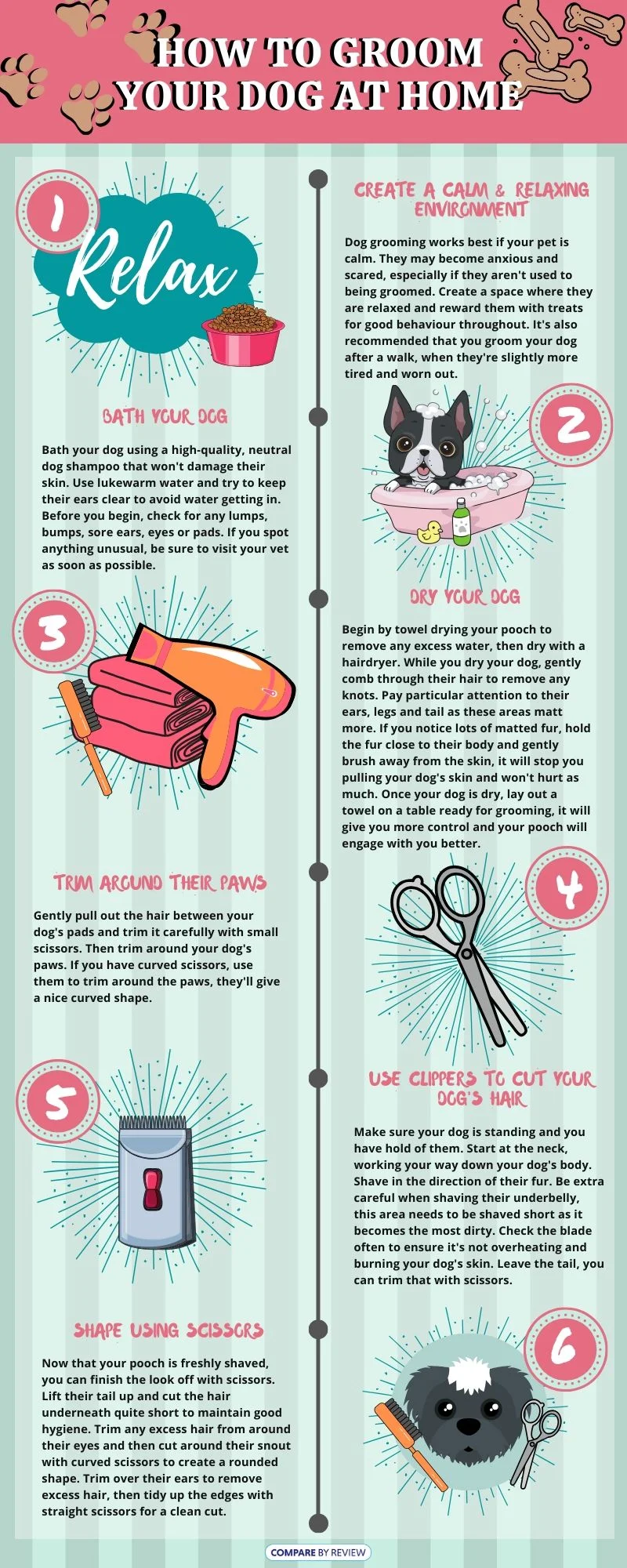
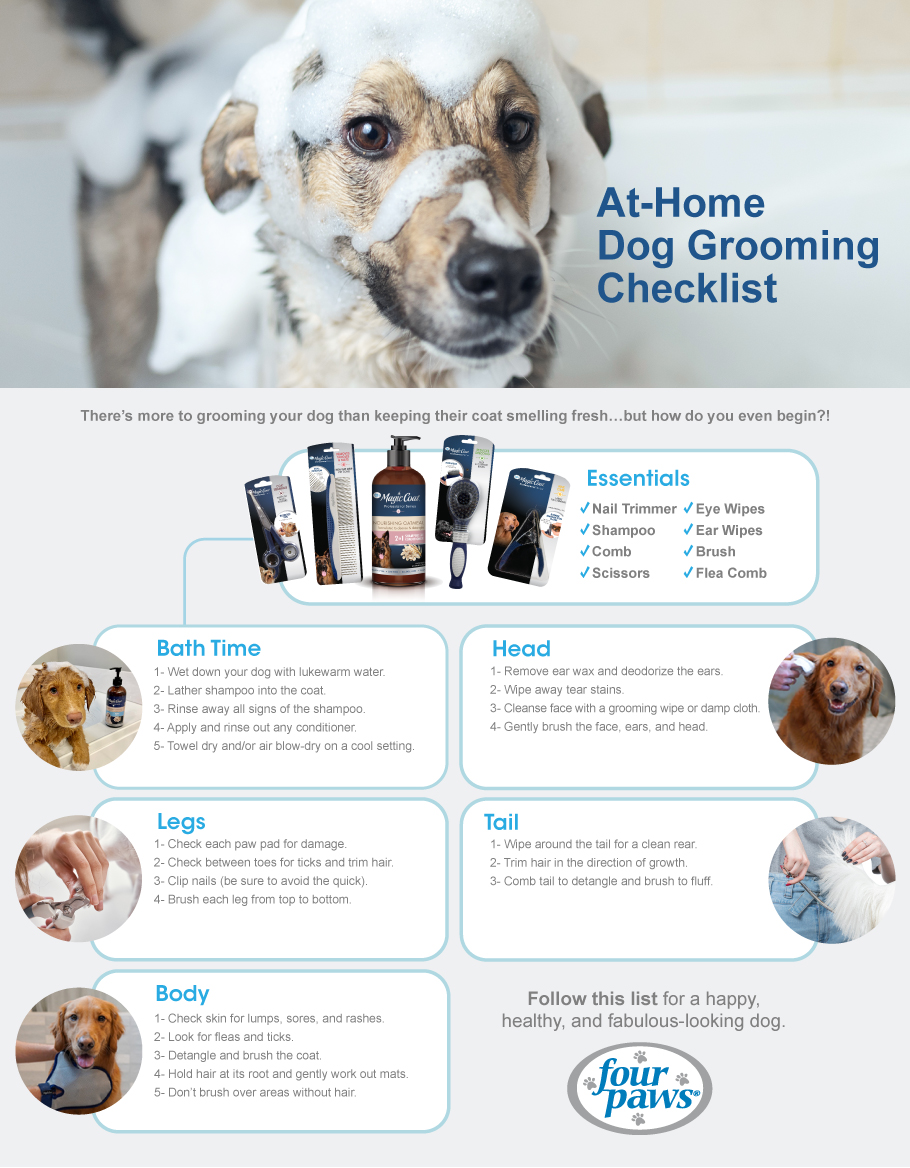
Start by brushing your dog to remove loose fur and dirt. Use lukewarm water for the bath. Wet your dog’s coat thoroughly. Apply dog shampoo and lather gently. Avoid getting shampoo in their eyes and ears. Rinse well to remove all soap. Clean rinsing prevents skin irritation.
Drying Tips
Use a towel to pat your dog dry. Avoid rubbing hard, which can tangle fur. For dogs with thick coats, use a blow dryer on low heat. Keep the dryer moving to avoid hot spots. Make sure your dog is completely dry to stop skin problems.
Nail Trimming Basics
Use sharp, dog-specific nail clippers. Hold your dog’s paw firmly but gently. Trim only the tip of each nail. Avoid the pink area inside the nail called the quick. Cutting the quick causes bleeding and pain. If unsure, trim a little at a time. Praise your dog to keep them calm.
Cutting Your Dog’s Hair
Cutting your dog’s hair is an important part of grooming. It keeps your dog comfortable and clean. Regular trims help avoid mats and tangles. Trimming also keeps your dog cool in warm weather. It can improve your dog’s appearance and health.
Before starting, prepare the right tools and a calm space. Take your time and be gentle. Your dog will feel relaxed and safe during the haircut.
Selecting The Right Clippers And Scissors
Choose clippers made for pets. Look for quiet, low-vibration models. These reduce your dog’s fear and stress. Use sharp scissors with rounded tips. Rounded tips prevent accidental cuts. Have different blade sizes for various coat lengths. Keep tools clean to avoid infections.
Safe Haircutting Steps
Brush your dog’s coat before cutting. This removes tangles and dirt. Start cutting slowly and carefully. Hold the skin tight to avoid nicks. Cut small sections at a time. Stop often to check your progress. Praise your dog to keep them calm.
Handling Sensitive Areas
Be extra careful near the face, ears, and paws. Use scissors around eyes and ears for safety. Avoid cutting too close to the skin. Trim fur around the paws to prevent dirt buildup. If your dog reacts, pause and soothe them. Always keep sharp tools away from sensitive spots.
Credit: www.comparebyreview.com
Special Grooming Tips By Breed
Each dog breed has unique grooming needs. Understanding these needs helps keep your dog healthy and happy. Special grooming tips by breed make the process easier. This section focuses on care for long-haired, short-haired, and curly or double-coated dogs.
Long-haired Dogs
Long hair requires regular brushing to stop tangles and mats. Use a slicker brush or comb for best results. Brush gently but thoroughly at least three times a week. Trim hair around the eyes and paws to keep your dog comfortable. Bathing every four to six weeks helps keep the coat clean. Use a conditioner to prevent dryness and breakage.
Short-haired Dogs
Short hair needs less brushing but still benefits from regular care. Brush once a week with a rubber curry brush or bristle brush. This removes loose hair and dirt while spreading natural oils. Bathing every six to eight weeks keeps the skin healthy. Check ears and nails often, trimming as needed. Short-haired dogs shed, so grooming helps control loose fur.
Curly And Double-coated Breeds
Curly coats can mat quickly without frequent care. Brush daily with a slicker brush to prevent knots. Double coats need brushing to remove dead undercoat hair. Use an undercoat rake or deshedding tool during shedding season. Avoid shaving double coats; it can harm their natural insulation. Regular baths keep curls clean but use mild shampoos to protect the coat.
Maintaining Your Dog’s Grooming
Keeping your dog well-groomed is important for their health and happiness. Regular grooming helps prevent problems like mats, skin infections, and ear issues. It also keeps your dog looking clean and feeling comfortable.
Maintaining grooming is easy with a good routine. Knowing the right steps makes the process smooth and stress-free. Here are key tips to keep your dog neat and healthy.
Regular Brushing Schedule
Brush your dog often to remove dirt and loose fur. Short-haired dogs need brushing once a week. Long-haired dogs require brushing several times a week. Use a brush that fits your dog’s coat type. Brushing stops mats and tangles from forming. It also spreads natural oils, keeping the coat shiny.
Ear Cleaning Essentials
Check your dog’s ears weekly for dirt and wax buildup. Use a gentle ear cleaner made for dogs. Apply the cleaner to a cotton ball, not directly in the ear. Wipe the inside carefully without pushing deep. Clean ears help avoid infections and bad smells. If ears look red or your dog scratches a lot, see the vet.
Checking For Skin Issues
Look over your dog’s skin during grooming sessions. Watch for redness, bumps, or sores. These can be signs of allergies or infections. Feel for lumps or bumps under the fur. Early detection helps get treatment fast. Keep your dog’s skin healthy by using mild shampoos and avoiding harsh chemicals.
Troubleshooting Common Problems
Grooming your dog can sometimes bring challenges. Small problems might make the process hard. Knowing how to handle common issues helps you keep your dog comfortable and safe. This section covers simple ways to solve some usual grooming troubles.
Dealing With Matting
Mats are tough clumps of hair that pull on the skin. They can hurt your dog if not removed carefully. Use a wide-tooth comb to gently work through mats. Start at the edges and slowly move inward. Use a detangling spray to soften the hair. If mats are very tight, cut them out carefully with scissors. Avoid pulling hard on the hair to prevent pain.
Calming An Anxious Dog
Many dogs feel nervous during grooming. Speak softly and use a calm voice. Give your dog treats to make the experience positive. Take breaks if your dog gets restless. Use slow, gentle movements with the clippers or brush. A favorite toy can help distract and relax your dog. Patience is key to easing anxiety.
Avoiding Cuts And Nicks
Sharp tools can cause accidental cuts. Always use clean, sharp scissors or clippers. Hold your dog’s skin tight to avoid slipping. Trim small sections at a time for better control. Keep your dog still by gently holding or asking for help. Stop if your dog moves suddenly. Safety is more important than speed.
When To Seek Professional Help
Grooming your dog at home can be a rewarding task. Yet, some situations call for expert care. Knowing when to seek professional help keeps your dog safe and looking great. It also saves you time and stress.
Recognizing Complex Grooming Needs
Some dog breeds have thick or curly coats. These coats need special tools and skills to groom. Mats and tangles can hurt your dog if not handled well. Dogs with skin problems or sensitive areas need gentle care. Complex grooming tasks are better left to professionals.
Finding A Skilled Groomer
A good groomer knows how to handle all dog types. They use the right tools and techniques. A skilled groomer keeps your dog calm and comfortable. Choose a groomer with good reviews and experience. Visit the salon first to check cleanliness and safety.
Health Concerns During Grooming
Look for signs of health issues during grooming. Cuts, lumps, or redness need a vet’s attention. Groomers can spot problems you might miss. Professional groomers know how to avoid hurting your dog. They can handle dogs with anxiety or special needs carefully.

Credit: www.youtube.com
Credit: www.fourpaws.com
Frequently Asked Questions
How Often Should I Groom My Dog At Home?
Groom your dog every 4 to 6 weeks to maintain coat health. Regular grooming prevents matting and reduces shedding. Adjust frequency based on your dog’s breed and coat type for best results.
What Tools Do I Need To Cut My Dog’s Hair?
Essential tools include clippers, scissors, comb, and brushes. Use dog-specific grooming scissors for safety. Choose clippers with adjustable blades to suit your dog’s coat length and thickness.
How Can I Safely Trim My Dog’s Nails?
Use dog nail clippers and trim small amounts gradually. Avoid cutting the quick, which causes pain and bleeding. If unsure, seek professional help to prevent injury.
Can I Groom My Dog Without Professional Help?
Yes, with patience and proper tools, you can groom your dog. Start with simple tasks like brushing and nail trimming. For complex cuts, watch tutorials or consult a groomer.
Conclusion
Cutting and grooming your dog helps keep them healthy and happy. Regular care prevents mats and skin problems. Use the right tools and take your time. Watch your dog’s comfort and safety closely. Practice makes the process easier for both of you.
Enjoy the bonding time while grooming your pet. Your dog will look neat and feel good. Simple steps can make grooming less stressful. Keep your dog’s coat clean and shiny with care. You can do this at home with patience and love.