

Are you worried about your dog acting aggressively toward other dogs? It can be stressful and even scary to see your furry friend growl, bark, or lunge at other dogs.
But you don’t have to feel helpless. Understanding why this happens and learning simple, effective ways to change your dog’s behavior can make walks and playtime peaceful again. Keep reading to discover easy steps you can take right now to stop aggressive behavior and help your dog become calm and friendly around others.
Your dog’s happier, safer future starts here.
Credit: petcademy.org
Signs Of Dog Aggression
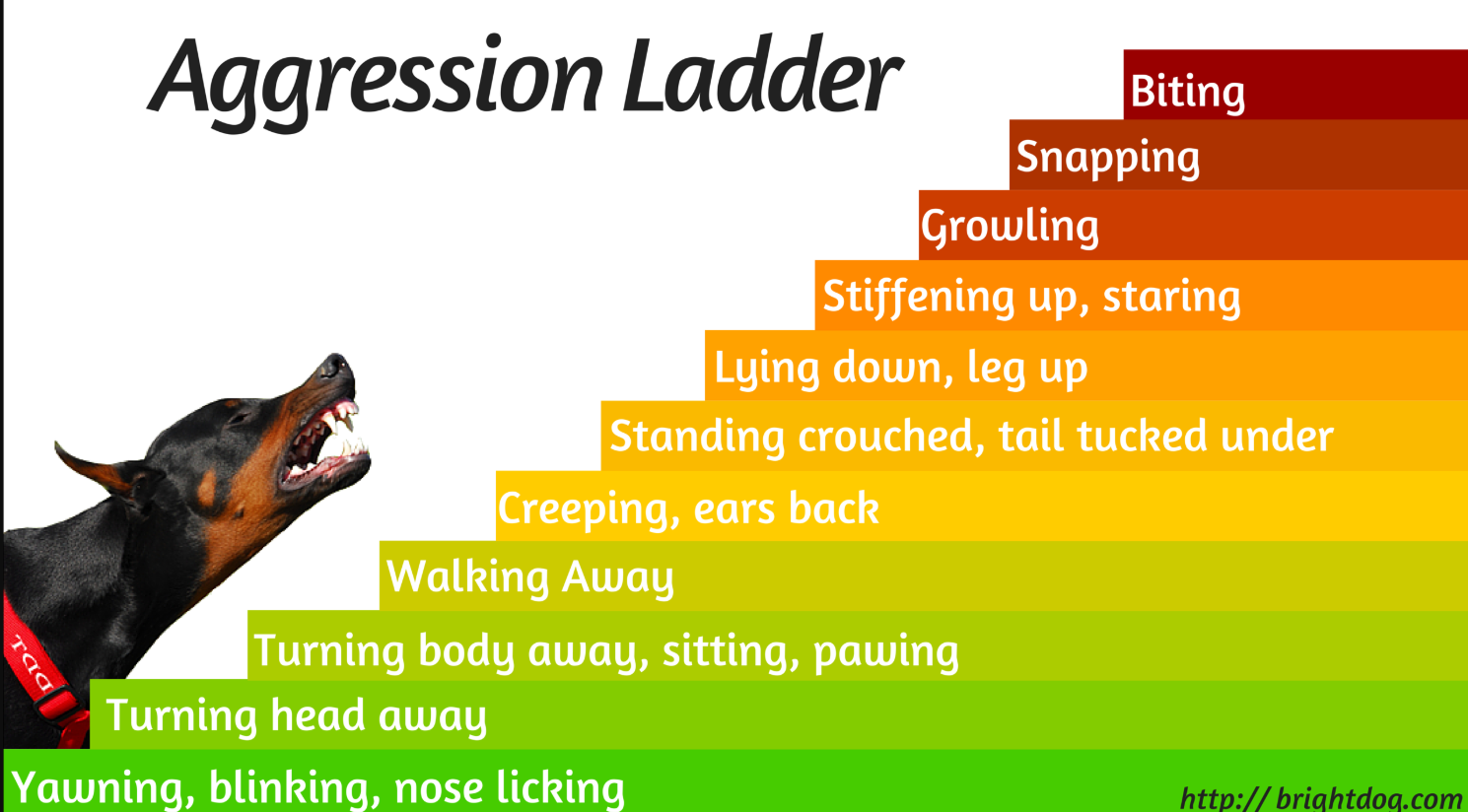
Recognizing the signs of dog aggression is important for every dog owner. Aggression can harm other dogs and cause stress. Early detection helps prevent serious problems. Dogs show aggression in many ways. Knowing these signs keeps dogs and people safe.
Signs of aggression are often subtle at first. Watching your dog carefully helps spot changes. Understanding triggers and warning signs is key. This knowledge allows you to act before aggression grows.
Common Aggressive Behaviors
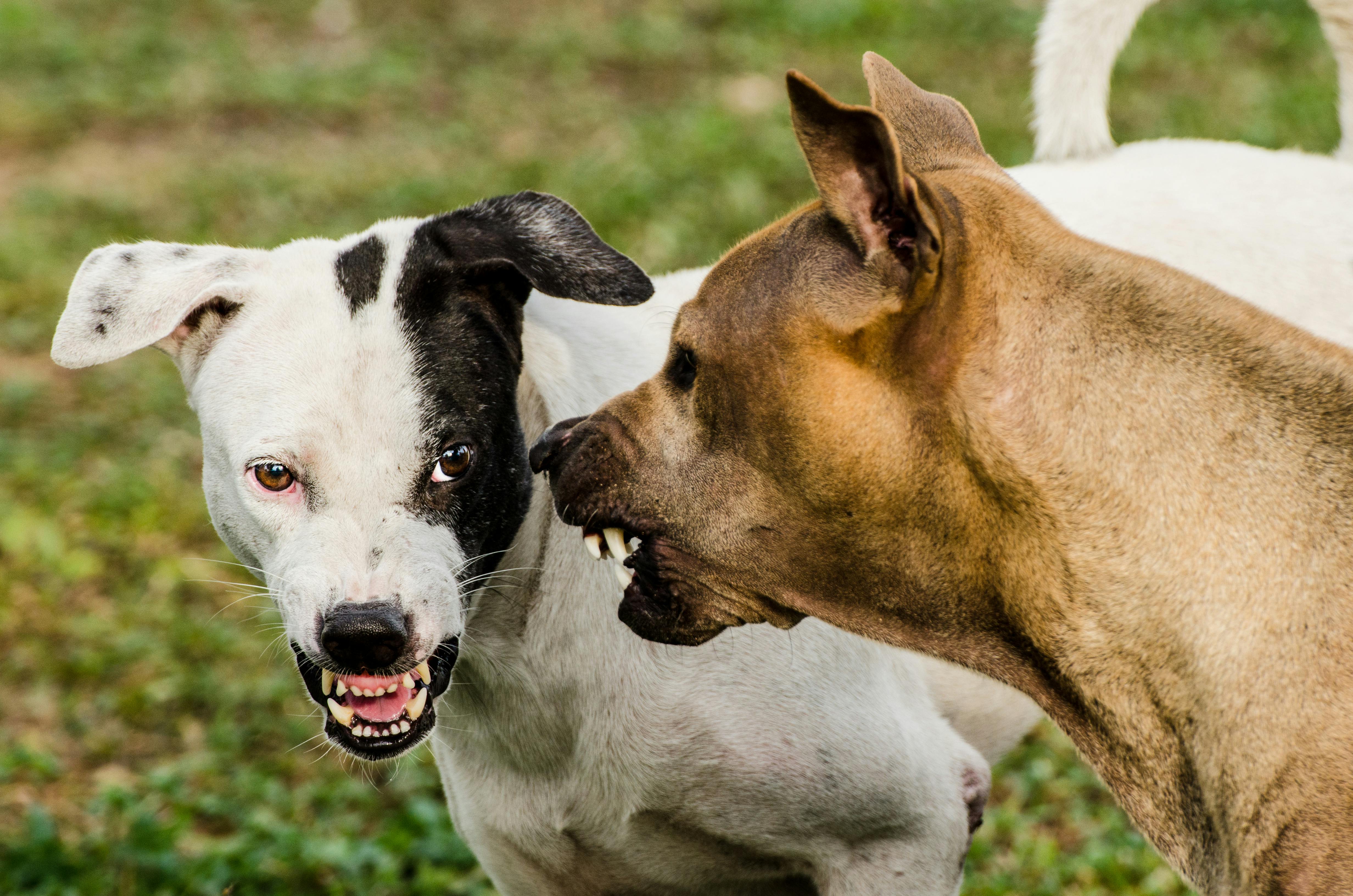
Growling is one of the most common signs. It warns others to stay away. Snapping or biting shows clear aggression. Stiff body posture means the dog is tense. Raised hackles, or fur standing up, show fear or anger. Intense staring can be a threat. Lunging or charging at other dogs signals serious aggression. Barking loudly and repeatedly also warns others. Tail position is important. A high, stiff tail can mean aggression, while a low, tucked tail might mean fear.
Triggers And Warning Signs
Certain situations make dogs aggressive. Protecting food or toys is a common trigger. Fear or pain also causes aggression. New dogs or strange environments can stress a dog. Sudden loud noises may startle a dog. A dog may act aggressive if it feels cornered. Warning signs appear before aggression. Look for yawning or licking lips nervously. Avoidance or trying to escape shows discomfort. Raised hackles and growling are clear warnings. Recognizing these signs stops aggression early.
Reasons Behind Aggression
Understanding why dogs act aggressively helps solve the problem. Aggression often shows deeper feelings or needs. Knowing the cause guides the best way to respond. Dogs use aggression to communicate fear, protect space, or express discomfort.
Fear And Anxiety
Fear is a main cause of aggression in dogs. A dog might feel scared of other dogs or new places. Anxiety makes dogs act defensively to stay safe. When a dog feels trapped, it may growl or bite. Calm and gentle care helps reduce their fear over time.
Territorial Issues
Dogs see their home as a safe zone. They protect it from strangers or other dogs. This protection can cause aggressive behavior. Territorial dogs warn others to keep away. Training helps dogs feel secure without needing to fight.
Lack Of Socialization
Dogs not used to meeting other dogs may act aggressive. Lack of socialization makes dogs unsure and nervous. They do not know how to behave around others. Early social experiences teach dogs to be friendly. Gentle introductions to other dogs improve their confidence and calm.
Preventive Measures
Preventive measures are key to stopping aggressive behavior in dogs. They help build good habits early. These steps reduce fear and anxiety around other dogs. Consistent practice creates a calm and friendly dog. Prevention saves stress for both you and your pet.
Early Socialization Techniques
Start socializing your dog as soon as possible. Puppies learn best between 3 and 14 weeks old. Introduce them to many different dogs and people. Keep experiences positive and gentle. Use treats and praise to encourage good behavior. Early socialization teaches dogs how to act calmly. It lowers the chance of aggression later on.
Controlled Exposure To Other Dogs
Expose your dog to other dogs in a safe way. Choose calm, well-behaved dogs for the first meetings. Keep your dog on a leash to maintain control. Watch for signs of stress or fear. Stop the interaction if your dog becomes tense. Gradually increase the time and closeness of meetings. Controlled exposure helps your dog feel comfortable around others.
:strip_icc()/top-causes-of-aggression-in-dogs-1117877_final-01-b96150820d0644d4ba7f82621dce43d5.png)
Credit: www.thesprucepets.com
Training Strategies
Training strategies play a key role in stopping aggressive behavior in dogs. These strategies help dogs learn better ways to interact. Consistent training builds trust and reduces fear or anger. Choose methods that reward good behavior and teach control. This creates a calm and safe environment for your dog and others.
Positive Reinforcement Methods
Positive reinforcement rewards your dog for good actions. Use treats, praise, or toys to encourage calm behavior. Reward your dog when it stays calm near other dogs. This teaches your dog that peaceful actions bring rewards. Avoid punishment, as it may increase fear or aggression. Patience and regular practice help your dog learn faster. Small steps and clear rewards create lasting changes.
Obedience Commands To Manage Aggression
Basic commands like “sit,” “stay,” and “leave it” control your dog’s actions. Teach these commands in calm settings first. Use commands to stop aggressive behavior before it starts. For example, “leave it” can redirect your dog’s focus. Practice commands every day to build strong habits. Clear and firm commands give your dog guidance and structure. This reduces confusion and keeps your dog under control.
Behavior Modification Tools
Behavior modification tools help manage and reduce aggressive actions in dogs. They guide your dog to act calmly around other dogs. Using the right tools safely is important for success. These tools protect both your dog and others while training. They also support your dog’s comfort and confidence during behavior change.
Using Leashes And Muzzles Safely
A strong leash controls your dog during walks and training. It prevents sudden lunges or chasing other dogs. Use a leash that fits well and does not hurt your dog. Muzzles stop bites and protect dogs and people. Choose a muzzle that allows your dog to breathe and pant easily. Introduce the muzzle gently and reward your dog for wearing it. Never leave a muzzled dog alone. Leashes and muzzles work best when combined with calm, consistent training.
Calming Aids And Supplements
Calming aids help reduce stress and anxiety in dogs. These include calming collars, sprays, and diffusers with natural scents. Supplements with ingredients like chamomile or valerian root may soothe your dog. Always check with a vet before starting supplements. Use calming aids alongside behavior training for better results. These aids can make your dog feel more relaxed in stressful situations.
When To Seek Professional Help
Recognizing when your dog’s aggressive behavior needs expert help is important. Aggression can harm your dog and others around them. Some signs mean you should not wait to get professional advice. Aggression that worsens or happens often may need expert care.
Seeking help early can prevent injuries and improve your dog’s behavior. Professionals have the skills to understand why your dog acts aggressively. They offer guidance that keeps your dog and others safe. Knowing what to expect from experts can ease your worries.
Choosing A Qualified Trainer Or Behaviorist
Look for trainers or behaviorists with real experience in dog aggression. Check their certifications and training background. Choose someone who uses positive, science-based methods. Avoid those who rely on punishment or fear. A good expert will explain their approach clearly.
Ask about their past work with dogs like yours. Read reviews or ask for references. The right professional will be patient and willing to answer your questions. Trust is key. Your dog needs someone who can handle aggression carefully.
What To Expect From Professional Intervention
Professionals start with a full evaluation of your dog’s behavior. They observe your dog in different situations. They ask about your dog’s history and daily routine. This helps them understand triggers and causes of aggression.
Next, they create a plan tailored to your dog’s needs. The plan focuses on changing behavior step by step. You will learn techniques to manage and reduce aggression safely. Progress takes time and effort from both you and your dog.
Regular follow-ups are common to track improvement. The expert may adjust the plan as your dog changes. Their goal is to help your dog live peacefully with other dogs.
Maintaining Long-term Peace
Maintaining long-term peace between dogs takes patience and care. Aggressive behavior can return without ongoing effort. Creating a calm, stable environment helps dogs feel safe and relaxed. Consistency and positive interactions keep hostility low. Here are key steps to maintain harmony over time.
Consistent Routine And Monitoring
Dogs thrive on routine. Feeding, walking, and playtime should happen at regular times. Predictability reduces stress and anxiety. Watch your dog’s body language closely. Early signs of tension can help you prevent conflicts. Act quickly if you see stiffness, growling, or staring. Adjust the environment or separate dogs if needed. Keep a daily log to track behavior changes. This helps identify triggers and progress.
Building Positive Dog Relationships
Encourage gentle, friendly interactions between dogs. Use treats and praise for calm behavior near others. Arrange supervised playdates in neutral places. Short, positive meetings build trust slowly. Avoid forcing dogs together too fast. Let them choose when to approach. Respect each dog’s space and comfort level. Positive experiences reduce fear and aggression. Over time, dogs learn to enjoy each other’s company.
Credit: positively.com
Frequently Asked Questions
How Can I Identify Aggressive Behavior In Dogs?
Aggressive behavior in dogs includes growling, snapping, lunging, and biting. Watch for stiff body posture and intense staring. Early signs help prevent conflicts with other dogs.
What Triggers Dog Aggression Towards Other Dogs?
Common triggers include fear, territorial behavior, lack of socialization, and protective instincts. Understanding triggers helps manage and reduce aggressive incidents effectively.
How Do I Safely Introduce My Dog To Others?
Introduce dogs in neutral areas calmly. Use leashes and positive reinforcement. Observe body language and separate dogs if aggression appears. Gradual exposure builds positive interactions.
Can Training Reduce Aggression In Dogs?
Yes, consistent training using positive reinforcement helps manage aggression. Teach commands like “leave it” and “stay. ” Professional trainers can offer tailored behavior modification plans.
Conclusion
Stopping aggressive behavior in dogs takes patience and clear steps. Always stay calm and consistent with training. Use positive rewards to encourage good behavior. Avoid situations that trigger aggression until your dog feels safer. Seek help from a professional trainer if needed.
Remember, every dog learns at its own pace. With time and care, your dog can become calmer and friendlier around others. Keep trying, and don’t give up. Peaceful walks and happy playtimes are possible.


