Are you wondering why your puppy’s food looks different from what you feed your adult dog? It’s not just about size or flavor—puppy food is specially designed to meet your young dog’s unique needs.
Feeding the wrong food can affect your puppy’s growth and health. You’ll discover the key differences between puppy food and adult dog food, so you can make the best choice for your furry friend’s diet. Keep reading to learn what makes puppy food essential and how it supports your pup’s development every step of the way.
Nutritional Needs Of Puppies
Puppies have special nutritional needs that differ from adult dogs. Their bodies grow fast and need more energy. Good food helps puppies build strong bones and healthy muscles. It also supports brain and immune system development. Choosing the right food is key to a puppy’s health and happiness.
Growth And Development Requirements
Puppies need nutrients that support rapid growth. Calcium and phosphorus help build strong bones and teeth. Vitamins like A and D aid vision and immune health. Balanced nutrition prevents growth problems. Puppies need food designed for their stage of life.
Higher Protein And Fat Content
Puppies require more protein than adult dogs. Protein builds muscles and repairs tissues. Fat provides energy for active puppies. It also helps absorb vitamins and supports brain growth. Puppy food usually has more protein and fat than adult dog food.
Nutritional Needs Of Adult Dogs
Adult dogs have different nutritional needs than puppies. Their bodies no longer grow rapidly, so their diet must support health and energy without causing weight gain. Feeding the right food helps keep muscles strong and organs working well. It also supports a shiny coat and good digestion. Understanding these needs helps you choose the best food for your adult dog.
Maintenance And Energy Balance
Adult dogs need food that maintains their current weight. Their energy level is steady, so they require fewer calories than puppies. Too many calories can lead to obesity and health problems. Balanced nutrition supports daily activity and body functions. The food should have proteins, fats, and carbohydrates in the right amounts. This balance keeps your dog active and healthy.
Calorie And Nutrient Adjustments
Calories in adult dog food are lower than in puppy food. Nutrients adjust to support maintenance, not growth. Protein levels remain high but not excessive. Fats are moderate to provide energy and support skin health. Vitamins and minerals help maintain bones and immune health. These adjustments prevent weight gain and keep your dog fit.
Key Ingredient Differences
Puppy food and adult dog food differ mainly in their ingredients. Puppies need more nutrients to grow strong and healthy. Their food must support fast growth and energy. Adult dogs need maintenance nutrition, not growth support. This makes ingredient choices crucial for each stage of life.
Protein Sources And Quality
Puppy food contains higher protein levels than adult food. Protein helps build muscles and tissues in puppies. The proteins come from meat, fish, or eggs. These sources have essential amino acids needed for growth. Adult dog food has less protein to match slower metabolism. The protein quality in puppy food is carefully selected to support development.
Fat Levels And Types
Puppy food has more fat than adult dog food. Fat provides energy and supports brain growth in puppies. Healthy fats like omega-3 and omega-6 are common in puppy diets. These fats help with skin and coat health too. Adult dog food has lower fat to prevent weight gain. The types of fats in puppy food focus on growth needs.
Vitamins And Minerals
Puppy food contains extra vitamins and minerals for development. Calcium and phosphorus support strong bones and teeth. Vitamins A and E help with vision and immune health. Adult food balances vitamins for maintenance, not growth. Puppies require higher amounts of these nutrients for healthy development.

Credit: blog.thepetstable.com
Digestibility And Palatability
Puppies need food that is easy to digest and tastes good. Their bodies are still growing and their digestion is not fully developed. Puppy food is made to help their small stomachs absorb nutrients quickly and easily. The taste of puppy food is also designed to appeal to young dogs. This helps them eat well and get the nutrition they need to grow strong.
Easier Digestion For Puppies
Puppy food has ingredients that break down faster. It has higher levels of protein and fat, which are easier for puppies to digest. The nutrients are in forms that young dogs can absorb quickly. This helps puppies get energy and build muscles. Puppy food also avoids hard-to-digest fibers. This reduces stomach upset and keeps puppies comfortable.
Taste Preferences
Puppies prefer strong flavors and smells. Puppy food uses flavors that attract young dogs. It has a softer texture, making it easier to chew. This encourages puppies to eat more and enjoy their meals. Adult dog food often has milder flavors and firmer textures. These suit older dogs but may not appeal to puppies. Tasty food helps puppies develop healthy eating habits early.
Feeding Guidelines And Portion Sizes
Feeding guidelines and portion sizes are key to a dog’s health. Puppies and adult dogs need different amounts and meal timing. Their bodies use food differently. Proper feeding helps growth and energy. It also stops overeating and weight problems.
Puppy Feeding Frequency
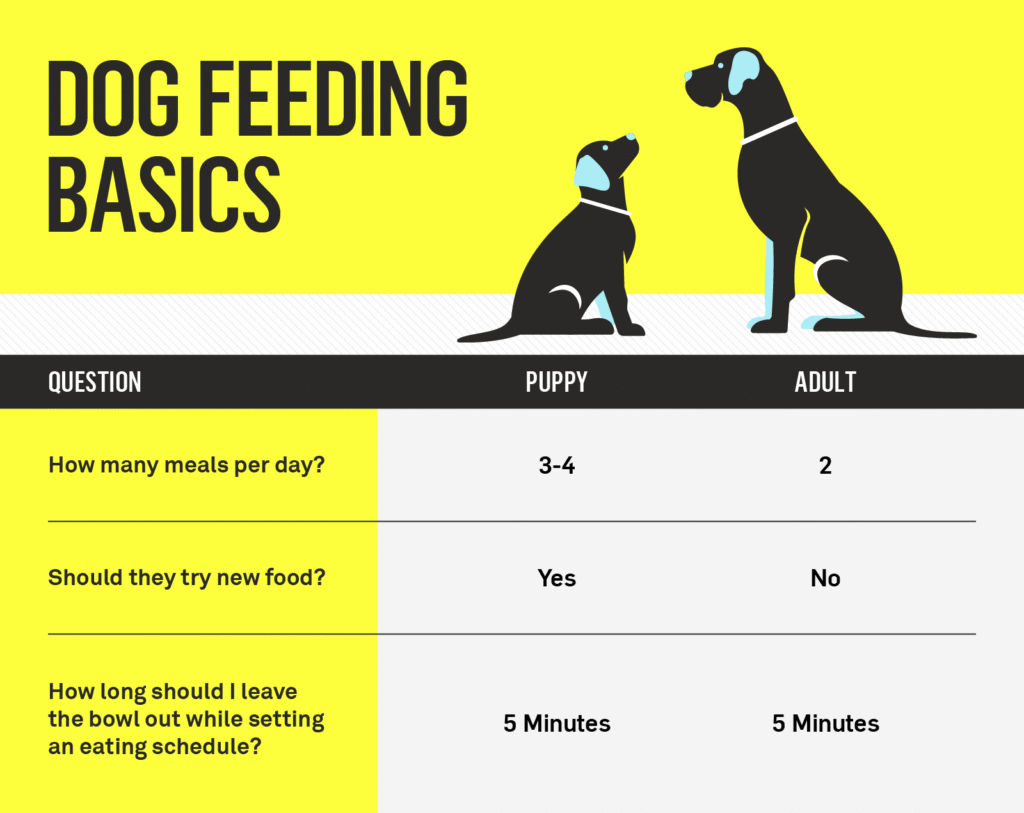
Puppies eat more often than adult dogs. They need three to four meals a day. Their small stomachs cannot hold much food at once. Frequent feeding keeps their energy steady. It supports fast growth and brain development. As puppies get older, meals reduce to two or three daily. Always follow your vet’s advice on the exact amount.
Adult Dog Feeding Schedules
Adult dogs usually eat twice a day. This helps maintain their weight and health. Portion sizes depend on breed, size, and activity level. Overfeeding can cause obesity, while underfeeding leads to weakness. Measuring food and sticking to a schedule is important. Consistent feeding times build good digestion and habits. Watch your dog’s body condition to adjust portions as needed.
Risks Of Feeding Adult Food To Puppies
Feeding adult dog food to puppies can cause serious problems. Puppies need special nutrition to grow strong and healthy. Adult food does not meet these needs. This mistake can lead to risks that harm a puppy’s development.
Nutrient Deficiencies
Adult dog food has fewer nutrients than puppy food. Puppies need more protein, fat, and vitamins. Without these, their bodies lack key building blocks. This can slow growth and weaken the immune system. Deficiencies in calcium and phosphorus may also harm bone development. Puppies may not get enough energy either, making them tired and weak.
Impact On Growth And Health
Using adult food can stunt a puppy’s growth. Puppies may grow slower or unevenly. This affects bones, muscles, and organs. Lack of proper nutrition can cause health problems later. Problems like weak bones, poor muscle tone, and low energy can appear. Early nutrition shapes a puppy’s future health and strength. Feeding the wrong food risks this important stage.
Choosing The Right Food For Your Dog
Choosing the right food for your dog is very important. Dogs need different nutrients at different stages of their life. Feeding them the right food helps them grow strong and stay healthy. Puppy food and adult dog food are not the same. Each type is made to meet specific needs. Understanding these differences helps you pick the best option for your pet.
Life Stage Considerations
Puppies need more protein and calories than adult dogs. Their bodies grow fast and need extra energy. Puppy food has higher levels of vitamins and minerals. It supports bone growth and brain development. Adult dogs need fewer calories to avoid gaining weight. Their food focuses on maintaining health and energy. Choosing food based on your dog’s age keeps them healthy.
Consulting With A Veterinarian
Veterinarians know a lot about dog nutrition. They can help you choose the right food. Your dog’s breed, size, and health affect food needs. A vet can suggest special diets if your dog has health problems. Regular checkups help adjust food as your dog ages. Talking to a vet ensures your dog gets the best care through diet.

Credit: www.purina.com
Credit: www.gallant.com
Frequently Asked Questions
What Nutritional Differences Exist Between Puppy And Adult Dog Food?
Puppy food contains higher protein, fat, and calories than adult dog food. These nutrients support rapid growth and energy needs in puppies. Adult dog food focuses on maintenance and balanced nutrition for mature dogs.
Why Is Puppy Food Higher In Calories?
Puppies burn more energy during growth and play. Puppy food provides extra calories to fuel development and activity. Adult dog food has fewer calories to prevent weight gain in less active dogs.
Can Adult Dogs Eat Puppy Food?
Adult dogs can eat puppy food occasionally, but it’s not ideal. Puppy food’s rich nutrients may cause weight gain or digestive issues in adults. It’s best to feed age-appropriate food.
How Long Should I Feed My Dog Puppy Food?
Feed puppy food until your dog reaches maturity, usually 12-18 months. Switching to adult food afterward supports healthy weight and nutrient balance. Consult your vet for breed-specific recommendations.
Conclusion
Puppy food and adult dog food serve different needs. Puppies need more nutrients for growth and energy. Adult dogs require balanced meals to maintain health. Feeding the right food helps dogs stay strong and happy. Always choose food that fits your dog’s age and size.
This keeps them healthy now and in the future. Remember, good nutrition supports a long, active life. Simple choices make a big difference for your dog’s wellbeing.