

Grooming your dog isn’t just about keeping them looking good—it’s key to their health and happiness. When you know how to groom dogs properly, you can spot problems early, reduce shedding, and strengthen the bond you share.
Whether your pup has long, flowing fur or a short, easy-care coat, this guide will give you simple, step-by-step tips to make grooming stress-free and even enjoyable for both of you. Ready to discover the secrets to a cleaner, healthier, and happier dog?
Keep reading!
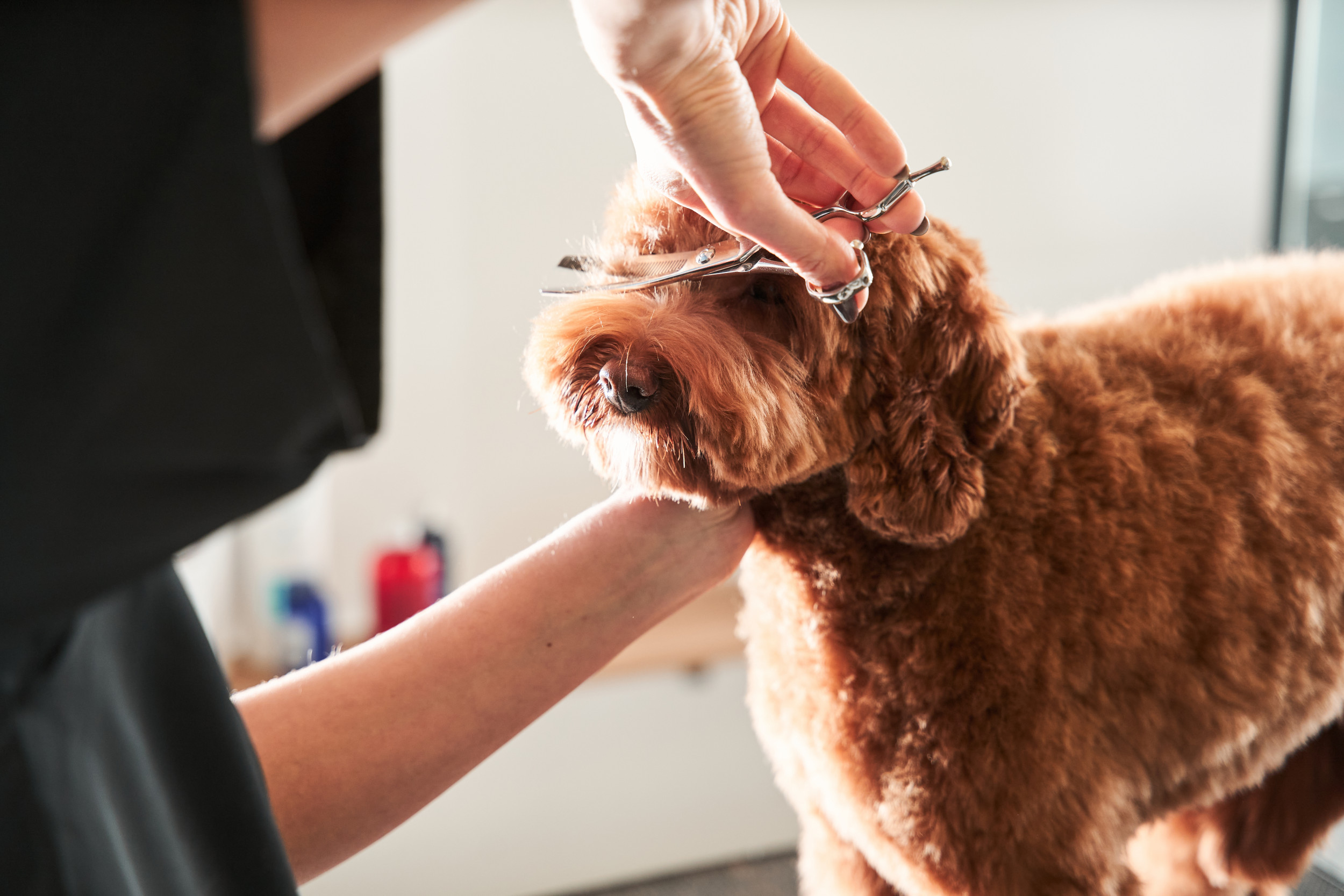
Credit: www.newsweek.com
Choosing The Right Tools
Choosing the right tools is key to effective dog grooming. The right tools make grooming easier and more comfortable for your dog. Each dog’s coat is different and needs specific tools. Picking the correct brush and accessories helps keep your dog’s coat healthy and clean.
Brush Types For Different Coats
Short-haired dogs do well with a rubber brush. It removes loose hair and dirt gently.
Medium to long-haired dogs need a slicker brush. It untangles mats and removes dead hair.
Curly or thick coats need a comb with wide and narrow teeth. This helps to detangle without hurting your dog’s skin.
Double-coated breeds need an undercoat rake. It removes loose undercoat hair to prevent matting.
Essential Grooming Accessories
Nail clippers keep your dog’s nails at a safe length. Choose one designed for dogs to avoid injury.
Dog shampoo is gentle and made for their skin. Never use human shampoo on dogs.
Ear cleaner helps keep ears free from dirt and infection. Use a vet-approved solution for safety.
Towels and blow dryers dry your dog after baths. Use a low heat setting to avoid burns.
Bathing Your Dog
Bathing your dog is an important part of grooming. It keeps your dog clean and healthy. Regular baths remove dirt, odors, and loose fur. Bath time can also be a chance to check your dog’s skin for any problems.
Proper bathing helps keep your dog’s coat shiny and soft. Using the right products and techniques makes the experience safe and pleasant. Here are some key tips for bathing your dog effectively.
Selecting Dog-friendly Shampoos
Choose shampoos made specifically for dogs. Human shampoos can irritate your dog’s skin. Look for gentle formulas that suit your dog’s coat type. Sensitive skin shampoos work well for dogs with allergies. Avoid shampoos with strong fragrances or harsh chemicals. Natural ingredients like oatmeal or aloe soothe skin. Always rinse thoroughly to avoid residue that can cause itching.
Bathing Frequency And Techniques
Bathe your dog as needed, not too often. Overbathing can dry out skin and coat. Most dogs do well with a bath every 4 to 6 weeks. Use lukewarm water to keep your dog comfortable. Wet the coat completely before applying shampoo. Massage shampoo gently into the fur and skin. Rinse well, making sure no soap remains. Dry your dog with a towel or low heat dryer. Speak softly to keep your dog calm during the bath.
Brushing Techniques
Brushing your dog is a key part of grooming. It keeps their coat clean and healthy. Regular brushing also helps spot skin problems early. Different dogs need different brushing care. Knowing the right techniques makes grooming easier and more pleasant for your dog.
Daily Vs. Weekly Brushing
Dogs with long or thick fur need daily brushing. This stops mats and tangles from forming. Short-haired dogs usually need brushing once a week. This removes loose hair and dirt. Pay attention to your dog’s coat type. Adjust brushing frequency based on how fast their hair grows and sheds.
Dealing With Mats And Tangles
Mats can hurt your dog’s skin. Use a detangling spray to soften tough mats. Gently work through mats with a wide-tooth comb. Start at the edges and move slowly. Never pull hard; it causes pain. For stubborn mats, use scissors carefully or seek help from a groomer.
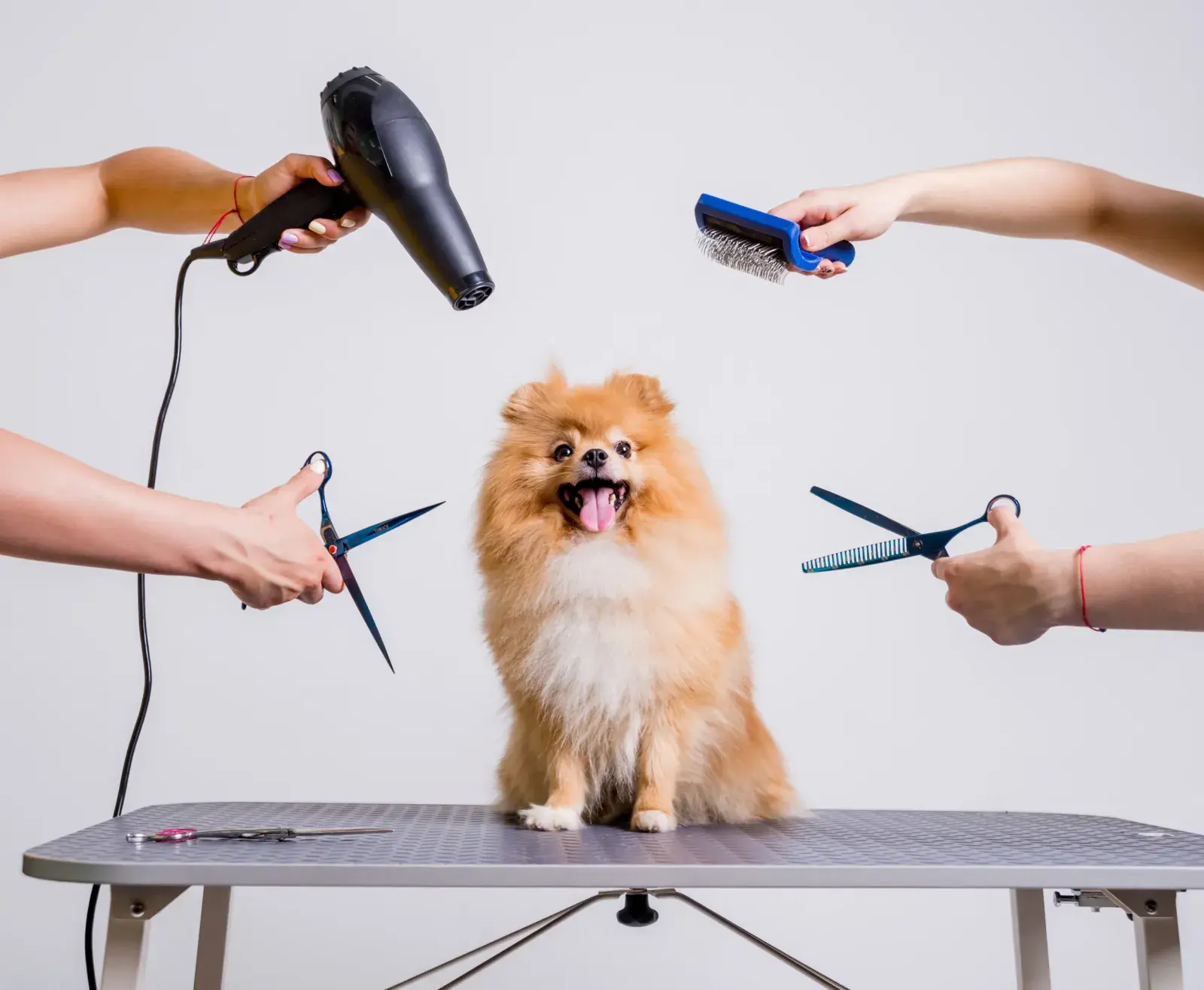
Credit: www.newsweek.com
Nail Care
Proper nail care is a key part of grooming dogs. Keeping nails short helps dogs walk comfortably. Long nails can cause pain and health problems. Regular trimming avoids injuries and keeps paws healthy. Nail care also prevents damage to floors and furniture.
Trimming Tips
Use sharp, dog-specific nail clippers. Hold the paw gently but firmly. Trim small parts of the nail at a time. Avoid cutting too close to the quick. The quick is the pink part inside the nail. It has blood vessels and nerves. Cut slowly and check often to avoid pain. Use a nail file to smooth rough edges. Praise your dog to keep them calm.
Avoiding Common Mistakes
Do not rush the trimming process. Cutting the quick causes bleeding and pain. Avoid using human nail clippers; they can split nails. Do not ignore signs of discomfort from your dog. Never trim nails that are dirty or wet. Skipping regular trims makes nails grow too long. Avoid trimming all nails at once if your dog is nervous. Take breaks and try again later. Use proper lighting to see the nail clearly.
Ear And Eye Care
Proper ear and eye care is vital for your dog’s health. These areas can easily get dirty or infected. Regular checks help catch problems early. Clean ears and eyes keep your dog comfortable and prevent serious issues.
Cleaning Methods
Use a soft cloth or cotton ball for cleaning. Avoid cotton swabs; they can harm the ear canal. For ears, apply a vet-approved cleaner. Gently wipe the outer ear and folds. For eyes, use a damp cloth to remove discharge. Clean from the inside corner outward. Never use harsh chemicals near eyes or ears.
Signs Of Infection
Watch for redness or swelling around ears and eyes. Smelly or dark ear wax may mean infection. Your dog might scratch or shake its head often. Watery, cloudy, or red eyes can signal trouble. If your dog squints or rubs its face, check carefully. Visit a vet if these signs appear.
Dental Hygiene
Dental hygiene is a key part of grooming dogs. Healthy teeth and gums keep dogs happy and active. Poor dental care can cause pain and health problems. Regular care helps avoid bad breath and tooth loss.
Brushing And Dental Chews
Brushing your dog’s teeth daily removes plaque and food particles. Use a toothbrush made for dogs and pet-safe toothpaste. Start slowly to make your dog comfortable. Dental chews help clean teeth by reducing plaque. Choose chews approved by veterinarians for safety and effectiveness.
Preventing Oral Issues
Regular dental care prevents common problems like gum disease and infections. Watch for signs like bad breath, red gums, or difficulty eating. Schedule veterinary dental checkups once or twice a year. Early detection keeps your dog’s mouth healthy and pain-free.
Coat Maintenance Tips
Keeping your dog’s coat clean and healthy is key to good grooming. A well-maintained coat helps your dog stay comfortable and prevents skin problems. Regular care also makes your dog look shiny and beautiful. Simple steps can keep the coat in top shape all year round.
Diet And Nutrition Impact
A healthy coat starts with good food. High-quality dog food gives essential nutrients like omega-3 and omega-6 fatty acids. These fats keep the skin hydrated and the fur soft. Vitamins like A, E, and biotin also support coat health. Avoid feeding your dog too many treats or low-quality food. Proper nutrition reduces shedding and itchiness.
Seasonal Grooming Changes
Dogs need different grooming in different seasons. In spring and fall, dogs shed more. Brushing daily helps remove loose fur. This prevents mats and hair buildup. In winter, skin can get dry, so use gentle shampoos and moisturizers. Summer needs extra care to avoid overheating and sunburn. Trim longer coats to keep your dog cool and clean.
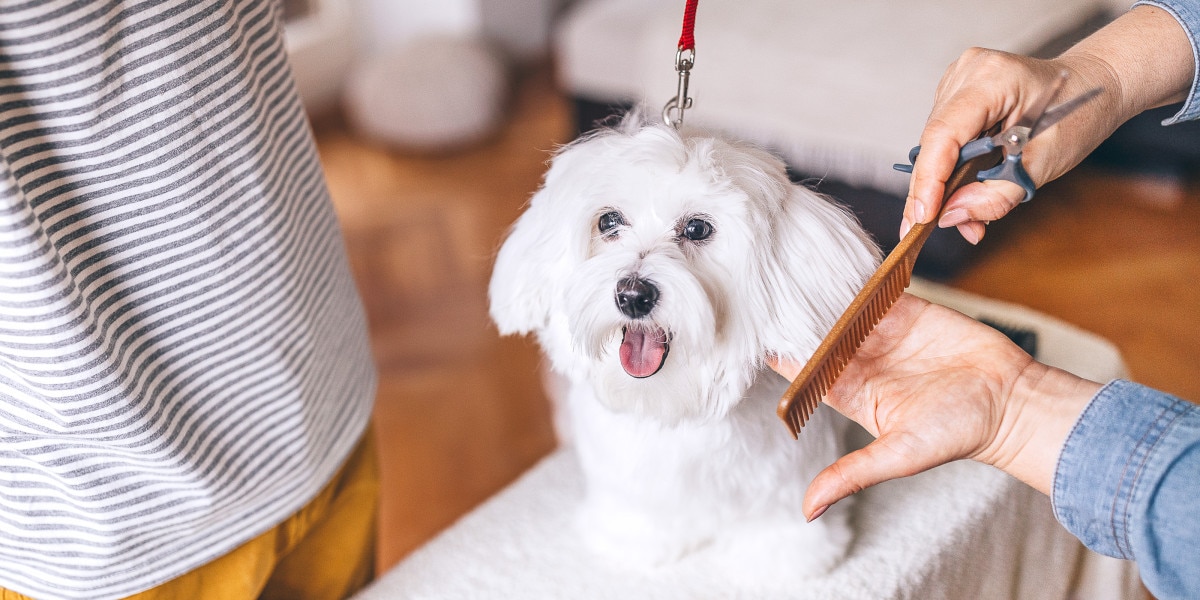
Credit: www.purina.com
When To Visit A Professional Groomer
Knowing when to visit a professional groomer is key to your dog’s health and happiness. Some dogs need expert care beyond home grooming. Regular visits help keep their coat clean and skin healthy. A groomer can spot problems early, like skin issues or parasites.
Professional grooming also keeps your dog comfortable. It prevents mats and tangles that can hurt your dog. Certain breeds need special cuts and care. Groomers have the tools and skills for these tasks.
Recognizing Grooming Needs
Watch your dog’s coat and skin closely. Matted fur or heavy shedding means it’s time to see a groomer. Bad odor or dirty ears also signal grooming needs. If your dog scratches a lot, check for skin problems. Some dogs need nail trimming often. Look for cracked or long nails. Groomers help with all these signs.
Finding A Trusted Groomer
Choose a groomer with good reviews and experience. Ask friends or your vet for recommendations. Visit the grooming salon first to see cleanliness and care. Talk to groomers about your dog’s needs. A trusted groomer treats your dog gently and professionally. Good communication helps ensure your dog’s comfort and safety.
Frequently Asked Questions
How Often Should I Groom My Dog?
Grooming frequency depends on your dog’s breed and coat type. Generally, dogs with long hair need grooming every 4-6 weeks. Short-haired dogs benefit from grooming every 6-8 weeks. Regular brushing at home can reduce grooming needs and keep your dog’s coat healthy.
What Tools Are Essential For Dog Grooming?
Essential tools include a slicker brush, comb, nail clippers, dog shampoo, and a grooming scissors set. For specific breeds, you may need de-shedding tools or clippers. Using the right tools ensures effective grooming and comfort for your dog.
Can I Groom My Dog At Home Safely?
Yes, you can groom your dog at home safely with proper tools and techniques. Start with brushing, nail trimming, and bathing. Avoid cutting too close to the skin. If unsure, consult a professional groomer to prevent injuries.
How Do I Prevent Matting In My Dog’s Fur?
Regular brushing is key to preventing mats, especially in long-haired dogs. Brush your dog’s coat daily or several times a week. Use detangling sprays and address mats gently with a comb. Regular grooming sessions reduce painful tangles and skin issues.
Conclusion
Grooming your dog keeps them healthy and happy. Regular brushing removes dirt and loose hair. Bathing helps control odors and skin issues. Trim nails carefully to avoid pain or injury. Clean ears prevent infections and discomfort. Use gentle tools made for dogs.
Make grooming a positive time with treats and praise. Small efforts each week make a big difference. Your dog will look great and feel good. Simple care routines build strong bonds and trust. Start today and enjoy the benefits together.

