

Grooming your dog yourself might seem tricky at first, but it’s easier than you think. When you take care of your dog’s grooming at home, you save money and build a stronger bond with your furry friend.
Imagine how good it feels to see your dog looking clean, happy, and healthy—right from your own hands. In this guide, you’ll discover simple steps and expert tips that make grooming stress-free for both you and your dog. Ready to become your dog’s favorite groomer?
Let’s get started!
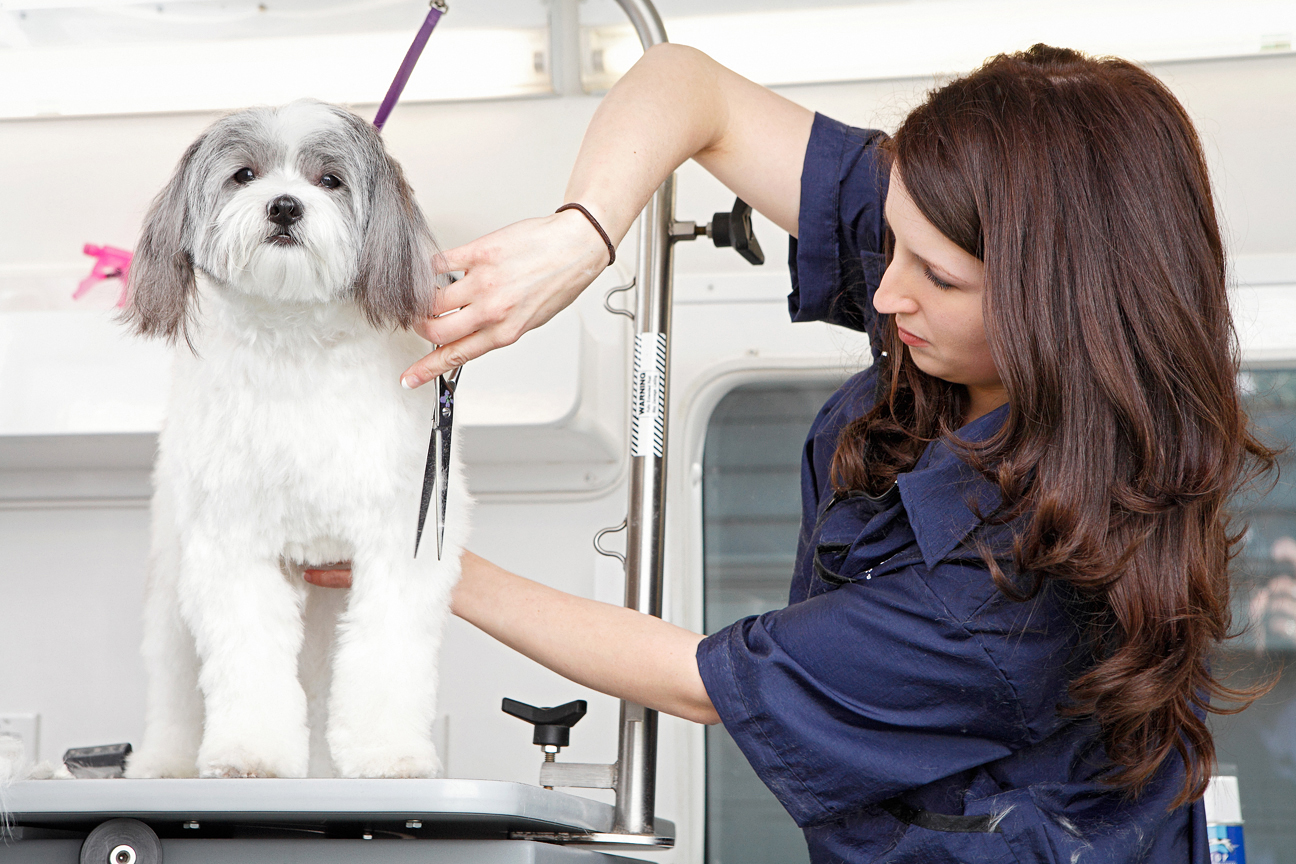
Credit: www.woofies.com
Tools You Need
Grooming your dog at home saves money and builds a strong bond. Having the right tools makes the job easier and safer. Not all grooming tools are the same. Choosing the right ones helps keep your dog comfortable and happy.
Essential Brushes And Combs
Brushes and combs remove dirt and loose hair. They prevent mats and tangles from forming. A slicker brush works well for dogs with thick or curly coats. A bristle brush suits short-haired breeds best. Use a metal comb to find small tangles and fleas. Regular brushing keeps your dog’s coat shiny and healthy.
Choosing The Right Clippers
Clippers trim your dog’s fur quickly and evenly. Choose clippers with adjustable blades for different hair lengths. Look for clippers that run quietly to avoid scaring your dog. Rechargeable clippers offer better mobility. Sharp blades prevent pulling and skin irritation. Keep blades clean and oiled for smooth cutting.
Other Grooming Supplies
Gather basic supplies like nail clippers and ear cleaners. Nail clippers help keep nails short and prevent damage. Use ear cleaner to remove dirt and avoid infections. Have towels ready for drying after baths. A grooming table or non-slip mat keeps your dog steady. Treats help reward good behavior during grooming sessions.
Preparing Your Dog
Preparing your dog for grooming sets the stage for a smooth, stress-free session. Taking time to get your dog ready helps them feel safe and comfortable. It also makes the grooming process easier for both of you. Focus on calming your dog, brushing their coat, and checking their skin before starting any bathing or trimming.
Creating A Calm Environment
Choose a quiet space with few distractions. Speak softly to your dog to keep them relaxed. Use gentle movements and stay patient. Avoid loud noises or sudden actions. A calm setting helps your dog feel secure and less anxious during grooming.
Brushing Before Bathing
Brush your dog’s fur to remove loose hair and tangles. Use a brush suited for your dog’s coat type. Brushing first stops mats from tightening in the water. It also helps spread natural oils, keeping the coat healthy. Take your time and be gentle to avoid hurting your dog.
Checking For Skin Issues
Look closely at your dog’s skin for redness, bumps, or sores. Check between the paws and under the fur. Early spotting of skin problems prevents further irritation. If you find anything unusual, consult a vet before grooming. Healthy skin makes grooming safer and more pleasant.
Bathing Techniques
Bathing your dog is a key part of grooming. It helps keep your dog clean and healthy. Doing it yourself saves money and builds trust with your pet. Knowing the right techniques makes bath time easier for both of you.
Selecting The Best Shampoo
Choose a shampoo made for dogs, not humans. Dog skin has a different pH level. Use shampoos that match your dog’s coat type. For sensitive skin, pick gentle, hypoallergenic formulas. Avoid shampoos with strong perfumes or harsh chemicals.
Water Temperature Tips
Use lukewarm water to keep your dog comfortable. Water that is too hot can burn the skin. Cold water can cause chills and stress. Test the water on your wrist before applying it to your dog.
Drying Your Dog Safely
Pat your dog dry with a soft towel. Avoid rubbing hard to prevent skin irritation. Use a blow dryer on low heat if your dog tolerates it. Keep the dryer moving to avoid overheating one spot. Let your dog air dry in a warm, safe area if possible.
Brushing And Detangling
Brushing and detangling your dog is a key part of home grooming. It keeps your dog’s coat healthy and clean. Regular brushing removes dirt, loose hair, and prevents mats. Mats can hurt your dog’s skin and cause discomfort.
Proper brushing also helps spread natural oils. These oils keep the coat shiny and soft. Detangling makes your dog look neat and feel better. It also reduces shedding around the house.
Removing Mats And Tangles
Start with gentle hands to avoid hurting your dog. Use a detangling spray if needed. Work on small sections of fur at a time. Hold the base of the fur near the skin. This reduces pulling on your dog’s skin.
Use a wide-toothed comb or a special mat splitter. Slowly break apart the mats from the edges. Avoid cutting mats unless very tight or painful. If mats are severe, visit a professional groomer.
Brushing Different Coat Types
Short-haired dogs need a soft-bristle brush or rubber mitt. It removes loose fur and dirt easily. Medium-haired dogs benefit from a slicker brush. It reaches deeper into the coat to remove tangles.
Long-haired dogs require a combination of tools. Use a wide-toothed comb first, then a slicker brush. This method helps prevent mats and keeps hair smooth. Curly coats need special combs to avoid breakage.
Frequency Of Brushing
Brush short-haired dogs once a week to control shedding. Medium-haired dogs need brushing 2 to 3 times weekly. Long-haired dogs require daily brushing to prevent tangles.
Adjust frequency based on your dog’s activity and coat condition. Regular brushing keeps your dog comfortable and healthy. It also strengthens your bond through gentle care.
Trimming And Clipping
Trimming and clipping are key parts of dog grooming at home. They help keep your dog’s coat neat and healthy. Regular trimming stops mats and tangles. Clipping shapes the fur and keeps your dog comfortable. These tasks also help check your dog’s skin for problems.
Safe Clipping Practices
Choose the right clippers for your dog’s coat type. Keep blades sharp to avoid pulling hair. Always clip in the direction of hair growth. Use slow, gentle strokes to prevent cuts. Stop if your dog shows signs of stress. Clean clippers after each use to avoid infections.
Shaping The Coat
Decide the style that suits your dog’s breed and activity. Trim evenly to keep a balanced look. Use scissors for delicate areas like face and paws. Avoid cutting too close to the skin. Shape the coat to help your dog stay cool or warm. Regular shaping keeps your dog looking tidy.
Nail And Paw Care
Trim nails carefully to avoid the quick, the sensitive part inside nails. Use a nail clipper made for dogs. Check paws for cuts, dirt, or stuck debris. Moisturize paw pads if they are dry or cracked. Keep nails short to prevent pain and injury. Healthy paws help your dog walk comfortably.
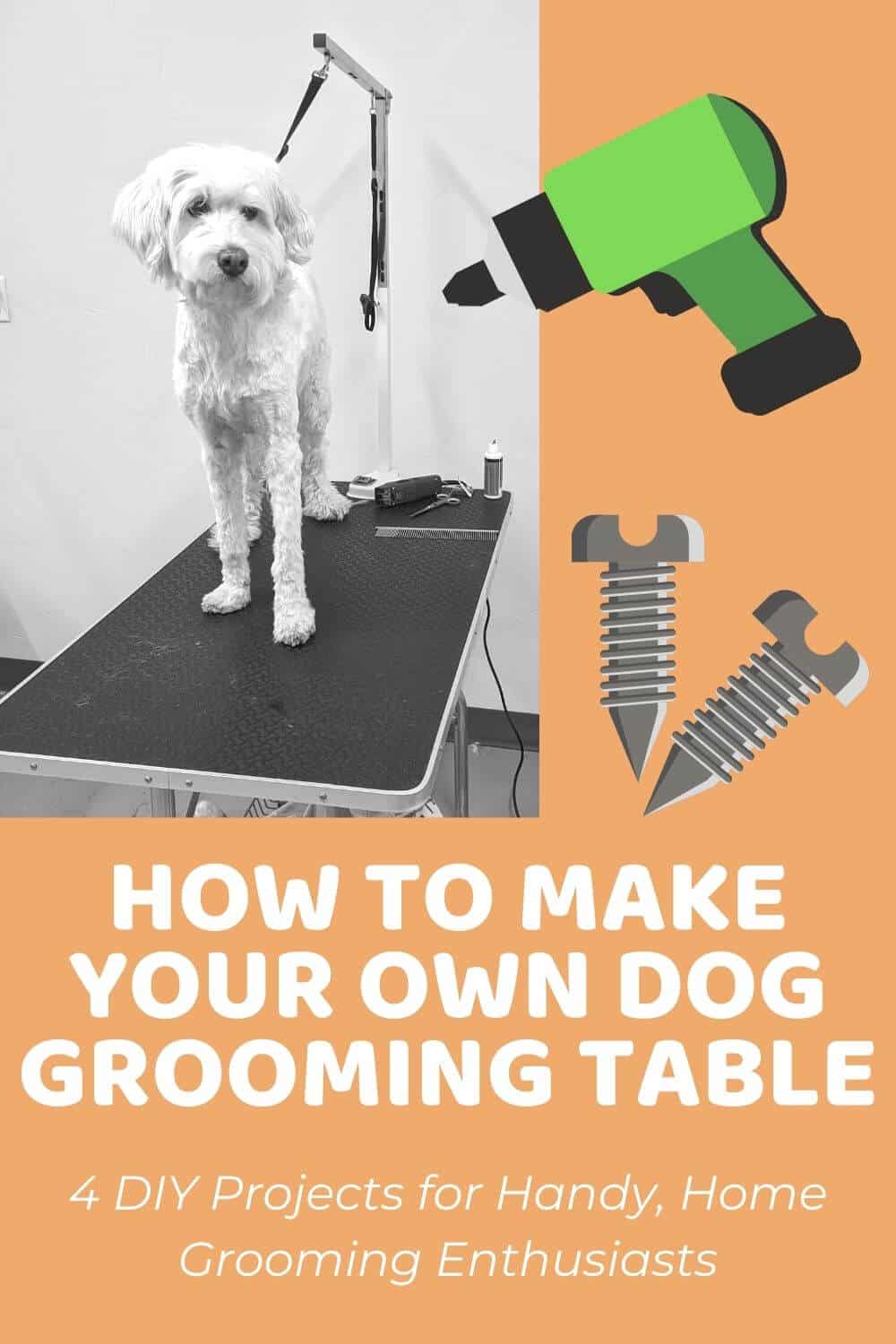
Credit: doodledoods.com
Ear And Teeth Care
Ear and teeth care are important parts of your dog’s grooming routine. Clean ears help prevent infections and bad smells. Healthy teeth keep your dog’s breath fresh and avoid painful dental problems. Regular care makes your dog feel better and live longer.
Cleaning Ears Properly
Check your dog’s ears weekly for dirt and wax. Use a dog ear cleaner and cotton balls. Gently wipe the outer ear. Avoid pushing deep inside the ear canal. Let your dog shake its head to remove loose dirt. If you see redness or smell bad odor, stop and ask a vet.
Brushing Your Dog’s Teeth
Use a toothbrush made for dogs and dog toothpaste. Do not use human toothpaste. Brush your dog’s teeth two or three times a week. Hold the brush at a 45-degree angle. Brush in small circles on the teeth and gums. Start slowly and praise your dog to keep it calm.
Maintaining Grooming Routine
Keeping a regular grooming routine helps your dog stay clean and healthy. It also builds trust between you and your pet. A steady schedule prevents mats, tangles, and skin issues. Grooming becomes easier and less stressful over time. Understanding when and how often to groom matters a lot. Watch your dog’s coat and behavior closely. Notice changes early to act fast.
Setting A Grooming Schedule
Choose a grooming routine based on your dog’s breed and coat type. Short-haired dogs may need brushing once a week. Long-haired breeds might require daily care. Bathing should happen every few weeks or as needed. Nail trimming depends on your dog’s activity level. Set specific days for brushing, bathing, and nail care. Use reminders to keep the schedule consistent. Regular grooming keeps your dog comfortable and healthy.
Signs Your Dog Needs Grooming
Look for mats or tangles in your dog’s fur. Excessive shedding or dull coat signals grooming time. Bad odor or dirty ears also need attention. Scratching or biting at the skin shows discomfort. Overgrown nails can cause pain or walking issues. Eye discharge or crust means cleaning is needed. These signs mean your dog requires grooming soon.
When To Seek Professional Help
Some grooming tasks need expert care. If your dog has severe mats, a groomer can help safely. Nail trimming can be tricky and cause bleeding if done wrong. Dogs with skin problems or allergies need professional advice. Groomers can also handle haircuts and styling. Use professional services for your dog’s safety and comfort. Regular vet check-ups complement grooming routines well.
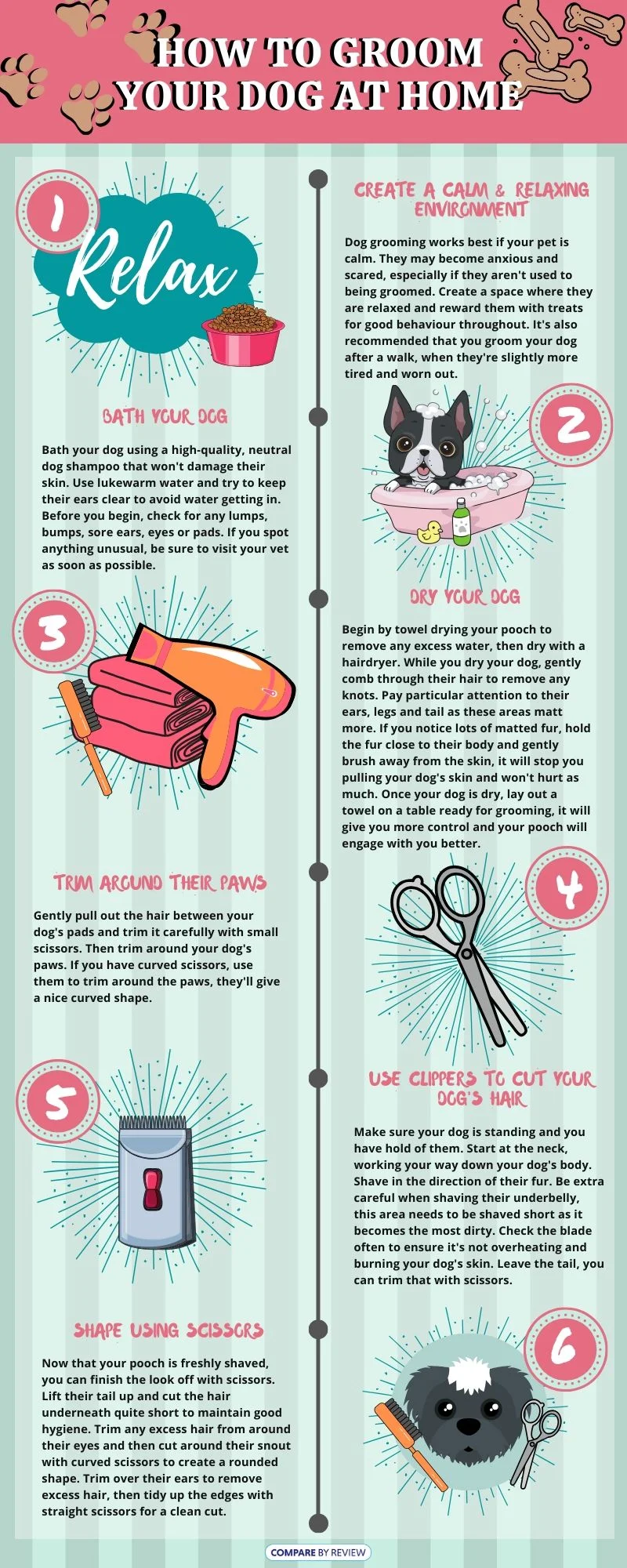
Credit: www.comparebyreview.com
Frequently Asked Questions
How Often Should I Groom My Dog At Home?
Groom your dog every 4 to 6 weeks to maintain cleanliness. Frequent brushing prevents matting and reduces shedding. Regular grooming also helps spot skin issues early. Adjust frequency based on your dog’s breed and coat type.
What Basic Tools Do I Need For Dog Grooming?
Essential tools include a slicker brush, comb, nail clippers, and dog shampoo. A grooming table or non-slip mat is helpful. Use breed-specific tools if needed, such as de-shedding blades. Proper tools make grooming safer and easier.
How Can I Safely Trim My Dog’s Nails?
Use sharp, dog-specific nail clippers and trim small nail tips. Avoid cutting the quick, which causes pain and bleeding. If unsure, trim a little at a time. Reward your dog to make nail trimming stress-free.
How Do I Bathe My Dog Without Causing Stress?
Use lukewarm water and dog-friendly shampoo. Wet your dog slowly and avoid water in the ears and eyes. Speak soothingly and offer treats during the bath. Rinse thoroughly to prevent skin irritation.
Conclusion
Grooming your dog yourself saves time and money. It helps build a strong bond with your pet. Regular grooming keeps your dog clean and healthy. Use the right tools and be gentle. Stay patient and calm during the process. Watch your dog’s reactions and adjust as needed.
Small steps lead to big improvements over time. Enjoy the experience and care for your furry friend daily. Your dog will thank you with love and happiness.

