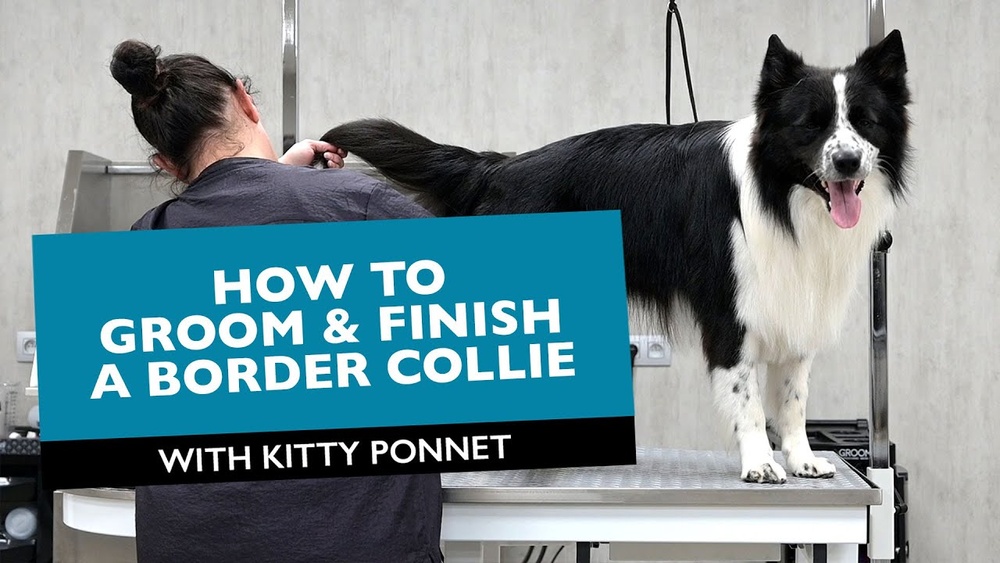
If you have a dog with long hair, you know how quickly their coat can become tangled and messy. Grooming your furry friend might seem like a big task, but with the right steps, it can be easy and even enjoyable for both of you.
In this guide, you’ll learn simple tips to keep your dog’s long hair clean, healthy, and shiny. By the end, you’ll feel confident handling grooming like a pro, making your dog look and feel their best every day. Ready to get started?
Let’s dive in!

Credit: smart.dhgate.com
Preparing Your Tools
Preparing the right tools is the first step in grooming a dog with long hair. Proper tools make grooming easier and more effective. They help remove tangles and keep your dog comfortable. Having everything ready saves time and reduces stress for both you and your pet.
Essential Grooming Supplies
Gather all necessary grooming supplies before you start. These include a slicker brush, a wide-tooth comb, scissors, and dog-friendly shampoo. Nail clippers and ear cleaning wipes are also useful. Having these supplies at hand prevents interruptions during grooming.
Choosing The Right Brush
Select a brush that suits your dog’s hair type. A slicker brush works well for removing mats and loose hair. A wide-tooth comb helps detangle knots gently. Avoid brushes with hard bristles that can hurt your dog’s skin.
Setting Up A Comfortable Space
Pick a quiet, well-lit area for grooming. Use a non-slip mat to keep your dog steady. Make sure the space is warm and free from distractions. Comfort helps your dog stay calm and relaxed during grooming.

Credit: www.youtube.com
Brushing Techniques
Brushing long-haired dogs is key to keeping their coat healthy and shiny. It helps remove dirt, loose hair, and prevents mats from forming. Proper brushing makes your dog more comfortable and reduces shedding around the house. Use gentle, patient techniques to make brushing a positive experience.
Detangling Knots Safely
Start by checking your dog’s coat for knots and tangles. Use your fingers to gently separate small mats. For bigger knots, use a wide-tooth comb or a detangling spray. Always work from the outside of the knot inward. Never pull hard; this can hurt your dog. Patience is important here. Take breaks if your dog feels stressed.
Brushing Direction And Frequency
Brush your dog’s hair in the direction it grows. This keeps the coat smooth and shiny. Use long, slow strokes for the body and shorter strokes on the legs and tail. Brush your dog at least three times a week. Daily brushing is best for very long coats. Regular brushing stops mats before they start.
Handling Sensitive Areas
Some spots on your dog’s body are more sensitive. These include behind the ears, under the legs, and around the belly. Use a soft brush or your fingers in these areas. Brush gently and watch your dog’s reaction. Praise your dog often to keep it calm. Stop if your dog shows signs of pain or discomfort.
Bathing Your Long-haired Dog
Bathing a long-haired dog needs extra care. Their fur can trap dirt and oils more easily. Bathing helps keep their coat clean and healthy. It also prevents mats and tangles from forming. Use the right shampoo and dry gently for best results.
Selecting Dog-friendly Shampoo
Choose a shampoo made for dogs. Human shampoos can irritate their skin. Look for gentle formulas with natural ingredients. Avoid shampoos with strong chemicals or perfumes. A shampoo with moisturizing properties helps prevent dryness. Always check the label for safety and suitability.
Proper Bathing Steps
Brush your dog before the bath to remove loose hair. Use lukewarm water to wet the coat fully. Apply shampoo and massage it into the fur. Clean all areas, including under the belly and ears. Rinse thoroughly to remove all shampoo. Leftover shampoo can cause itching and irritation.
Drying Without Damage
Use a towel to blot excess water gently. Avoid rubbing hard to prevent tangles. A blow dryer on low heat works well if your dog tolerates it. Keep the dryer moving to avoid hot spots. Let your dog dry completely to stop damp smells and skin problems.

Credit: www.youtube.com
Trimming And Shaping
Trimming and shaping long-haired dogs keeps them clean and comfortable. Regular trims stop mats and tangles. They also help your dog look neat and healthy. This section covers the tools and techniques to trim your dog safely and well.
Tools For Trimming Long Hair
Choose sharp, good-quality scissors for precision cuts. Thinning shears help blend thick hair. Clippers with adjustable blades work well for larger areas. Use a comb to lift hair and cut evenly. Keep all tools clean and sharp to avoid pulling or hurting your dog.
Trimming Around The Face And Paws
Trim slowly near sensitive spots like eyes and ears. Use small scissors to shape hair around the face. Cut carefully between paw pads and nails to remove extra hair. This prevents dirt and debris from building up. Always check your dog’s comfort during trimming.
Maintaining Coat Shape Between Cuts
Brush your dog daily to keep the coat smooth. Remove small tangles before they become mats. Use a light trim every few weeks to keep shape. Focus on areas that grow fast, like around the ears and tail. Regular care saves time and keeps your dog looking tidy.
Dealing With Common Issues
Long-haired dogs need special care to keep their coats healthy. Grooming helps avoid common problems like mats, shedding, and skin troubles. Regular attention makes your dog comfortable and happy. Here is how to handle these issues properly.
Preventing Matting
Mats form when hair tangles and clumps together. They can hurt your dog’s skin and cause pain. Brush your dog daily using a wide-tooth comb. Start from the ends and move toward the roots gently. Use detangling spray for stubborn mats. Check areas behind ears and under legs closely. Regular trims also help keep mats away.
Managing Shedding
Shedding happens naturally but can be a lot with long hair. Brush your dog often to remove loose fur. Use a slicker brush or de-shedding tool for best results. Bath your dog monthly with a gentle shampoo to keep skin clean. Healthy diet supports coat strength and reduces shedding. Clean your home regularly to manage fur buildup.
Addressing Skin Irritations
Skin irritation can cause itching and redness. Check your dog’s skin during grooming for signs of trouble. Use mild shampoos designed for sensitive skin. Avoid overbathing, which can dry out skin. If irritation worsens, consult a vet for proper treatment. Keep your dog’s bedding clean to prevent infections.
Regular Grooming Schedule
Keeping a regular grooming schedule is key for dogs with long hair. It helps avoid mats and tangles. It also keeps your dog’s coat shiny and healthy. A set routine makes grooming easier for both you and your dog. This section breaks down daily care, weekly grooming, and when to see a pro.
Daily Care Tips
Brush your dog’s coat every day. Use a wide-tooth comb or slicker brush. This stops tangles before they start. Check the ears and paws daily for dirt or debris. Wipe them gently with a damp cloth. Keep your dog’s hair out of the eyes. Trim any stray hairs around the face carefully.
Weekly Grooming Routine
Spend more time grooming once a week. Bathe your dog with a mild shampoo made for dogs. Dry the coat fully to avoid skin problems. Use a brush to remove loose hair after bathing. Trim nails and clean the ears thoroughly. Check the tail and belly for mats. Remove any knots with care and patience.
When To Visit A Professional
Long-haired dogs need professional grooming now and then. Visit a groomer every six to eight weeks. They can cut the coat to keep it manageable. Professionals handle tough mats without hurting your dog. They also check for skin issues you might miss. Regular visits keep your dog comfortable and healthy.
Frequently Asked Questions
How Often Should I Groom A Dog With Long Hair?
Long-haired dogs need grooming every 4 to 6 weeks. Regular brushing prevents mats and tangles. Frequent grooming keeps their coat healthy and shiny.
What Tools Are Best For Grooming Long-haired Dogs?
Use a slicker brush, comb, and grooming scissors. A de-matting tool helps remove tough tangles. These tools ensure smooth and safe grooming.
How Do I Prevent Mats In My Dog’s Long Hair?
Brush your dog daily, focusing on problem areas. Use conditioner sprays to keep hair soft. Regular grooming sessions reduce mat formation effectively.
Can I Bathe My Long-haired Dog At Home?
Yes, bathe your dog every 4 to 6 weeks. Use dog-specific shampoo and conditioner. Always dry thoroughly to avoid skin issues.
Conclusion
Grooming a long-haired dog takes time and patience. Regular brushing keeps their coat clean and healthy. Use the right tools to avoid hurting your dog’s skin. Trim hair carefully to prevent mats and tangles. Bathing your dog often helps maintain softness and shine.
Remember, grooming also builds trust and comfort. Keep your sessions short and positive. Soon, grooming will become a pleasant routine for both of you. Your dog will look great and feel happy. Enjoy the bonding moments during grooming!