
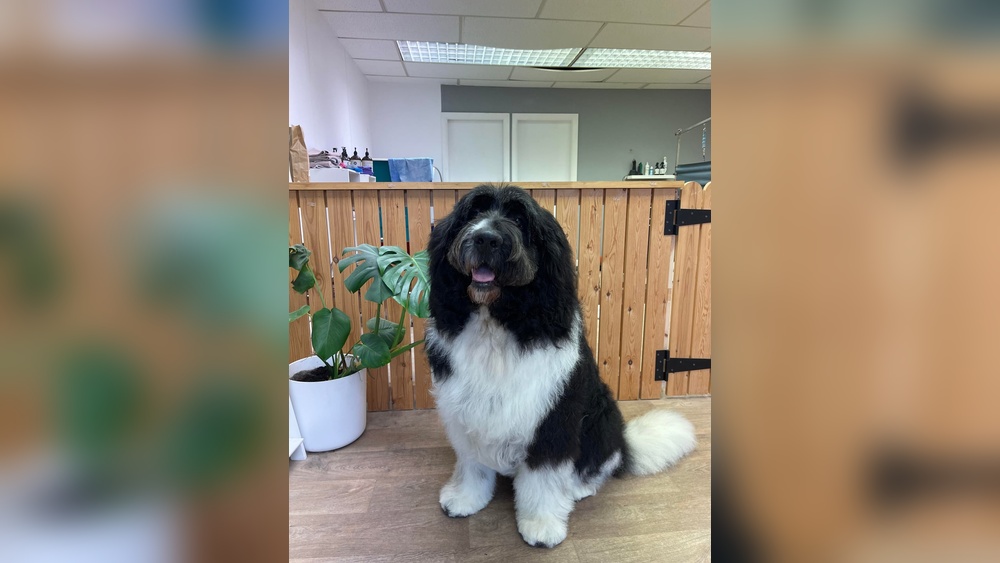
If you own a Newfoundland dog, you know how special and beautiful they are. But keeping their thick, fluffy coat clean and healthy can feel like a big job.
You might wonder how to groom your Newfoundland without spending hours or missing important steps. This guide will show you simple, effective ways to care for your dog’s fur, so they stay comfortable and looking their best. Ready to make grooming easier and more enjoyable for both you and your furry friend?
Let’s get started!
Newfoundland Coat Basics
The Newfoundland dog has a thick, water-resistant coat. This coat protects them in cold and wet weather. Understanding their coat helps in proper grooming and care. Their fur needs regular attention to stay healthy and clean.
Newfoundlands have a double coat. It consists of a soft undercoat and a coarse outer coat. Both layers work together to keep the dog warm and dry. This coat type also means they shed a lot at certain times.
Coat Characteristics
The outer coat is long and slightly wavy. It feels coarse and helps repel water. The undercoat is dense and soft. It provides insulation in cold weather. The coat colors range from black, brown, gray, to Landseer (white with black).
The coat grows continuously but at a slow pace. It needs brushing at least twice a week. This removes dirt and loose hair. Brushing also stops mats and tangles from forming. The fur around ears and tail needs extra care.
Seasonal Shedding Patterns
Newfoundlands shed twice a year. This is called “blowing coat.” It happens in spring and fall. The undercoat falls out heavily during these periods. Shedding can last several weeks.
Regular brushing is crucial during shedding seasons. It helps remove dead fur before it falls off. This reduces hair around your home. Grooming also keeps the dog comfortable and healthy.
Outside the heavy shedding times, Newfoundlands still lose some hair daily. A good grooming routine helps manage this steady shedding. It keeps the coat shiny and clean all year.
Essential Grooming Tools
Grooming a Newfoundland dog requires the right tools. These help keep your dog clean, healthy, and comfortable. Using proper grooming tools also makes the process easier for both of you. Each tool serves a special purpose. Knowing which ones to use is important.
Brushes And Combs
Newfoundlands have thick, long fur that can mat and tangle. A slicker brush removes loose hair and dirt. It helps prevent mats from forming. A wide-toothed comb reaches deep into the coat. It untangles knots gently without hurting your dog. Use these tools regularly to keep the fur smooth and shiny.
Bathing Supplies
Baths keep your Newfoundland fresh and clean. Use a dog shampoo made for sensitive skin. It removes dirt without drying the coat. Have a soft washcloth to clean the face gently. A non-slip mat keeps your dog steady in the tub. Use a towel or pet dryer to dry the coat fully. Drying well stops skin problems.
Nail And Ear Care
Trim nails to stop them from growing too long. Long nails can hurt paws and cause pain. Use a nail clipper made for dogs. Clean ears to avoid infections. Use a dog ear cleaner and cotton balls. Check ears often for redness or bad smell. Healthy nails and ears keep your Newfoundland happy.
Brushing Techniques
Brushing a Newfoundland dog is vital for their coat health. Their thick fur needs regular care to stay clean and shiny. Proper brushing removes loose hair and prevents skin problems. It also helps spot any skin issues early.
Effective brushing requires the right tools and gentle techniques. This keeps your dog comfortable and eager for grooming time. Consistency in brushing keeps mats and tangles away.
Daily Brushing Routine
Start brushing your Newfoundland daily to keep their coat smooth. Use a slicker brush or a pin brush designed for thick fur. Brush in sections, moving from head to tail. Brush gently but firmly to reach the undercoat. Pay attention to areas behind ears and under legs. These spots collect dirt and loose hair fast. Brushing daily reduces shedding and keeps fur healthy.
Detangling Mats And Tangles
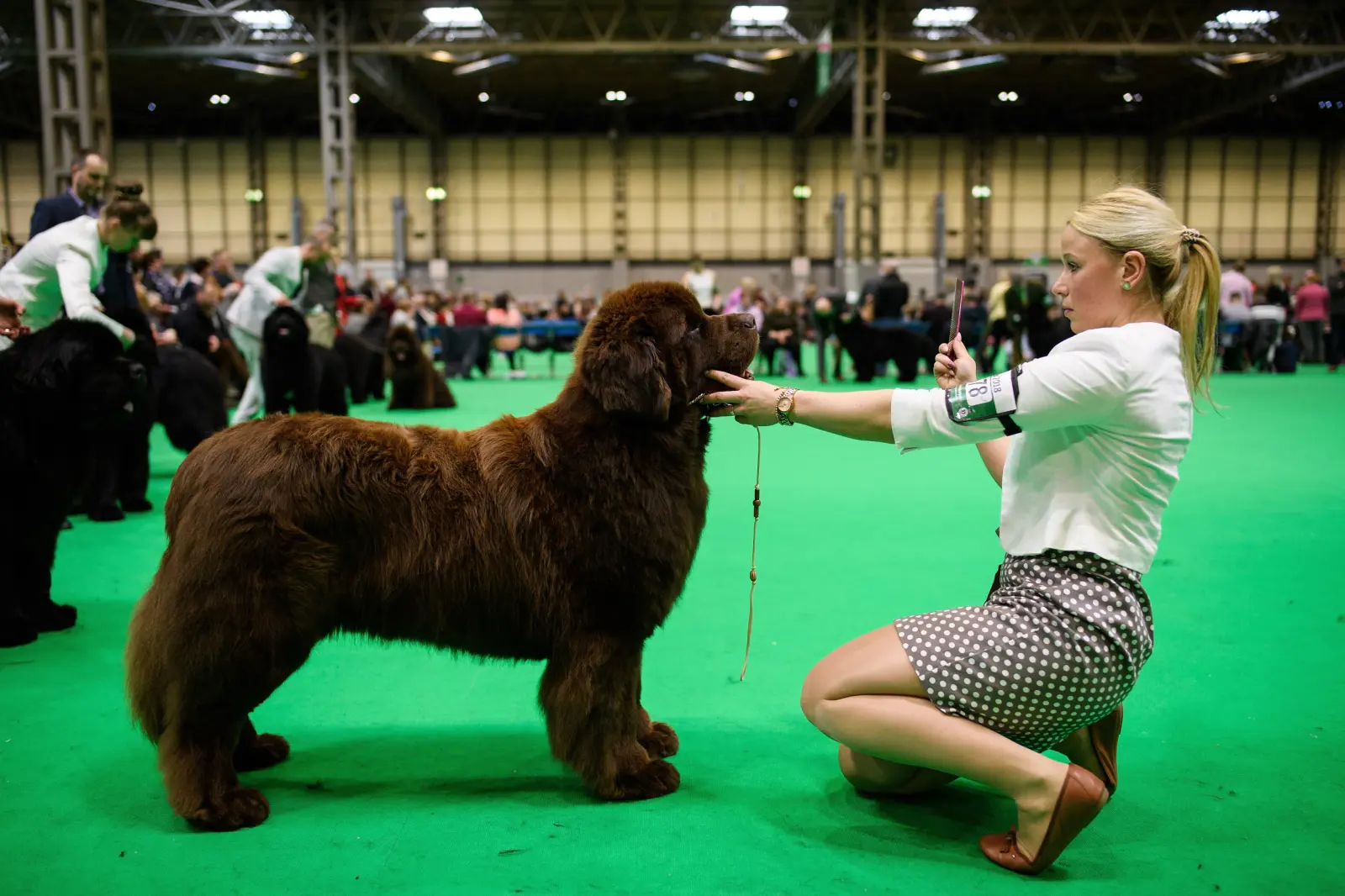
Mats form when fur gets dirty and knots together. Use a wide-tooth comb or a dematting tool to remove them. Hold the fur close to the skin to avoid pulling. Work on small mats slowly to prevent pain. For tough mats, use detangling spray to soften fur. Regular brushing prevents mats from forming and keeps your dog comfortable.
Credit: www.newsweek.com
Bathing Your Newfoundland
Bathing your Newfoundland dog is an important part of grooming. This large breed has a thick, water-resistant coat. Proper bathing helps keep their fur clean and healthy. It also prevents skin problems and reduces shedding. Bathing should be done with care to protect their skin and coat.
Using the right shampoo and bathing at the right times are key steps. These help maintain your dog’s natural oils and softness. Follow simple tips to make bath time safe and comfortable for your Newfoundland.
Choosing The Right Shampoo
Select a shampoo made for dogs with thick, double coats. Avoid human shampoos as they can irritate your dog’s skin. Look for gentle, hypoallergenic formulas. These keep the skin moist and clean without harsh chemicals. Shampoos with oatmeal or aloe are good choices. They soothe the skin and reduce itchiness.
Do not use shampoos with strong fragrances. These can cause allergic reactions. Always rinse the coat well to remove all shampoo. Leftover soap can cause itching and dryness.
Bathing Frequency And Tips
Bath your Newfoundland every 6 to 8 weeks. Bathing too often can dry out the skin. Between baths, brush your dog regularly to remove dirt and loose fur. Use lukewarm water to keep your dog comfortable. Wet the coat fully before applying shampoo.
Massage shampoo gently into the fur and skin. Avoid the eyes and inside the ears. Rinse thoroughly to remove all soap. Dry your dog well with towels and a blow dryer on low heat. This prevents dampness that can cause skin problems.
Drying And Finishing
Drying and finishing are important steps after bathing your Newfoundland dog. These steps help keep the coat healthy and looking great. Proper drying prevents skin problems and matting. Finishing touches add shine and softness to the fur.
Proper Drying Methods
Start by gently squeezing excess water from the coat. Use a thick towel to pat dry the dog’s fur. Avoid rubbing hard, as it can cause tangles and irritation.
Use a blow dryer with cool or warm air, not hot. Keep the dryer moving to avoid heat spots. Dry the coat in sections for even drying. Pay close attention to thick areas like the neck and tail.
Brush the fur while drying to prevent mats. Use a slicker brush or wide-tooth comb. This method helps the coat dry fluffy and smooth.
Coat Conditioning
Apply a dog-safe conditioner to keep the fur soft and shiny. Conditioners help reduce static and breakage. Follow the product instructions for best results.
After conditioning, rinse thoroughly to avoid residue. Dry the coat again if needed, using the same gentle methods. Conditioning improves the coat’s texture and makes brushing easier.

Credit: www.reddit.com
Nail Trimming And Paw Care
Nail trimming and paw care are essential for every Newfoundland dog. These large dogs need strong, healthy paws to walk and run comfortably. Proper care prevents pain and infections. It also helps your dog stay active and happy.
Regular nail trimming avoids overgrown nails that can cause injury. Caring for paw pads keeps them soft and free from cracks. Both tasks improve your dog’s overall well-being.
Safe Nail Cutting
Use sharp dog nail clippers for a clean cut. Hold your dog’s paw gently but firmly. Cut small pieces at a time to avoid cutting the quick. The quick is a sensitive part inside the nail with blood vessels. Stop if you see a pink area or bleeding. File nails afterward to smooth rough edges. Trim nails every few weeks to keep them short and healthy.
Paw Pad Maintenance
Check paw pads regularly for cuts, cracks, or foreign objects. Clean paws with a damp cloth after walks to remove dirt. Apply a dog-safe balm or moisturizer to dry or cracked pads. Avoid human lotions as they can irritate your dog’s skin. Keep the fur between pads trimmed to prevent matting and debris buildup. Healthy paw pads protect your dog from rough surfaces and cold weather.
Ear Cleaning And Health
Cleaning your Newfoundland dog’s ears is key to keeping them healthy. Their large, floppy ears can trap dirt and moisture. This can lead to infections and discomfort. Regular ear care helps prevent bad smells, redness, and pain. It also keeps your dog happy and active.
Ear Inspection
Check your dog’s ears once a week. Look inside for dirt, wax, or redness. Healthy ears are light pink and clean. Watch for signs like swelling, discharge, or bad odor. These signs mean your dog needs extra care or a vet visit. Use a flashlight for a better view if needed.
Cleaning Techniques
Use a dog-safe ear cleaner and cotton balls. Avoid cotton swabs; they can hurt the ear canal. Gently lift the ear flap and apply the cleaner. Massage the base of the ear for 20 seconds. Let your dog shake its head to remove debris. Wipe the outer ear with a clean cotton ball. Repeat if needed but do not over-clean.
Common Grooming Challenges
Grooming a Newfoundland dog comes with a few challenges. These dogs have thick coats and sensitive skin. It takes patience and the right methods to keep them clean and healthy. Understanding common problems helps manage grooming better.
Dealing With Shedding
Newfoundlands shed a lot, especially during seasonal changes. Their thick double coat releases loose hair in large amounts. Regular brushing helps remove dead hair and reduces shedding around the house. Use a slicker brush or undercoat rake for best results. Groom your dog at least two to three times a week. This keeps the coat healthy and prevents mats from forming.
Handling Sensitive Skin
Many Newfoundlands have sensitive skin that can get irritated easily. Choose shampoos made for sensitive or hypoallergenic skin. Avoid harsh chemicals or strong fragrances. Bathing should not be too frequent, as it can dry out the skin. Check for redness or itching after grooming. Use gentle strokes when brushing to avoid causing discomfort. Always dry the coat thoroughly to prevent skin infections.
Professional Grooming Options
Newfoundland dogs have thick, heavy coats that need regular care. Professional grooming helps keep their fur clean and healthy. Expert groomers know how to manage the dense fur and skin properly. They use the right tools and techniques to prevent mats and tangles.
Professional grooming saves time and ensures your dog looks its best. Groomers also check for skin problems or parasites. This service supports your dog’s overall health and comfort.
When To Visit A Groomer
Schedule a grooming appointment every 6 to 8 weeks. Frequent visits help control shedding and matting. If your dog’s coat feels rough or looks dirty, it is time for a groom. Regular grooming prevents painful mats and skin infections.
After outdoor activities, a quick grooming session is helpful. Groomers can also trim nails and clean ears. These tasks improve your dog’s hygiene and comfort.
What To Expect
A professional groomer will start by brushing the coat thoroughly. They remove loose hair and untangle knots carefully. Bathing follows, using dog-friendly shampoos to protect the skin.
Next, the groomer dries the coat and trims excess hair. They pay special attention to areas behind the ears and under the legs. Nail clipping and ear cleaning are standard parts of the service.
Groomers also look for signs of health issues during the session. They may advise you about flea control or skin care. The result is a clean, comfortable, and happy Newfoundland dog.

Credit: www.reddit.com
Frequently Asked Questions
How Often Should I Groom My Newfoundland Dog?
Groom your Newfoundland dog at least twice a week to prevent mats. Increase grooming during shedding seasons. Regular brushing keeps their thick coat healthy and clean. It also reduces loose hair around your home. Consistent grooming supports skin health and comfort.
What Tools Are Best For Grooming Newfoundland Dogs?
Use a slicker brush, undercoat rake, and metal comb for grooming. These tools effectively remove loose hair and tangles. A grooming rake reaches deep under the dense coat. Nail clippers and dog-friendly shampoo are also essential. Proper tools simplify grooming and improve results.
How Do I Prevent Matting In Newfoundland’s Fur?
Prevent matting by brushing your Newfoundland dog regularly, focusing on behind ears and under legs. Use a detangling spray for stubborn knots. Regular baths and drying thoroughly help reduce mats. Check and comb daily during heavy shedding. Early mat removal keeps fur healthy and comfortable.
Can I Trim My Newfoundland Dog’s Coat At Home?
Yes, you can trim your Newfoundland’s coat at home with proper tools. Avoid shaving as it damages their protective double coat. Focus on trimming around paws, ears, and sanitary areas. Use scissors or clippers carefully. If unsure, consult a professional groomer for best results.
Conclusion
Grooming a Newfoundland dog keeps it healthy and happy. Regular brushing stops mats and tangles from forming. Bathing helps remove dirt and keeps the coat fresh. Don’t forget to check ears and trim nails often. Clean teeth to avoid bad breath and dental problems.
A calm routine builds trust between you and your dog. Patience and care make grooming easier each time. Enjoy the bonding moments during grooming sessions. Your Newfoundland will look great and feel comfortable. Simple steps lead to a well-groomed, joyful dog.

