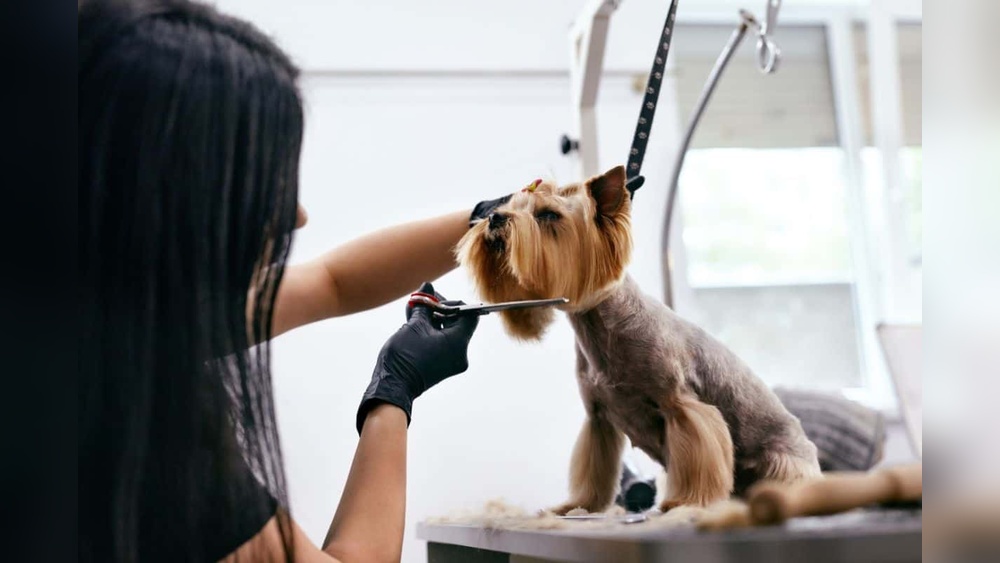
Grooming your dog isn’t just about keeping them looking good—it’s key to their health and happiness. You might think it’s a tough job, but with the right steps, you can make grooming simple and even enjoyable for both you and your furry friend.
Imagine a calm, clean, and happy dog who loves spending time with you during grooming sessions. In this guide, you’ll learn exactly how to groom dogs the easy way, avoid common mistakes, and create a routine that works. Ready to become your dog’s favorite groomer?
Let’s dive in!
Credit: www.newsweek.com
Preparing For Grooming
Preparing your dog for grooming is a key step for a smooth experience. It helps your dog stay calm and makes grooming easier. Good preparation saves time and avoids stress for both you and your pet.
Start by gathering everything you need. Then, set up a quiet, comfortable space. Finally, get your dog ready with a bath before brushing and trimming.
Choosing The Right Tools
Select tools that fit your dog’s coat type and size. A slicker brush works well for long hair. Short-haired dogs do better with a bristle brush.
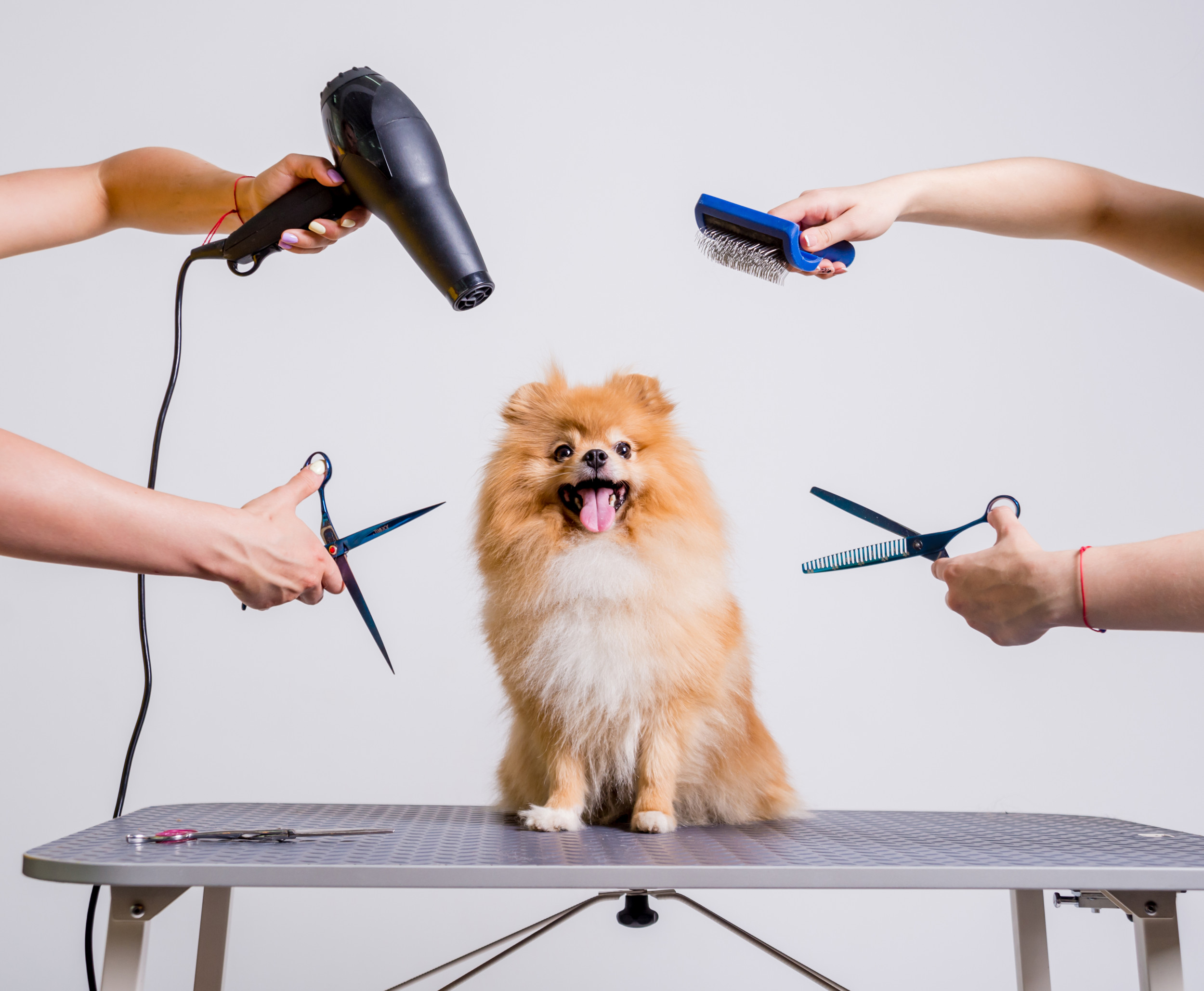
Use sharp, safe scissors or clippers for trimming. Nail clippers designed for dogs prevent injuries. Check tools often to keep them clean and sharp.
Creating A Calm Environment
Pick a quiet room without loud noises or distractions. Soft lighting helps your dog relax. Speak in a gentle voice to ease anxiety.
Have treats ready for good behavior. Take breaks if your dog seems restless. A calm setting makes grooming safer and quicker.
Bathing Basics
Use lukewarm water to keep your dog comfortable. Choose a shampoo made for dogs to avoid skin irritation. Wet your dog’s coat fully before applying shampoo.
Rinse well to remove all soap. Dry your dog with a towel or a low-heat dryer. Clean, dry fur is easier to brush and trim.
Credit: www.newsweek.com
Brushing Techniques
Brushing your dog helps keep their coat clean and healthy. It removes dirt, loose hair, and prevents tangles. Proper brushing also spreads natural oils for a shiny coat. Use the right methods to make brushing easy and pleasant for your dog.
Selecting Brushes For Coat Types
Choose a brush that fits your dog’s coat type. For short hair, use a bristle brush or rubber mitt. Medium coats need a slicker brush to reach deeper layers. Long or curly hair requires a pin brush or comb to prevent damage. Picking the right brush makes brushing more effective and comfortable.
Detangling And Removing Mats
Start by gently working through small tangles with your fingers. Use a wide-tooth comb to loosen mats carefully. For tough mats, try a mat splitter or detangling spray. Never pull hard; it hurts your dog and can damage hair. Take your time and be patient to keep your dog calm.
Frequency Of Brushing
Brush short-haired dogs once a week to control shedding. Medium-haired dogs need brushing two to three times weekly. Long-haired dogs require daily brushing to stop mats and tangles. Regular brushing keeps your dog’s coat clean and healthy. It also builds trust and strengthens your bond.
Trimming And Clipping
Trimming and clipping are key parts of dog grooming. They keep your dog clean and comfortable. Regular trimming stops mats and tangles. Clipping helps control the coat’s length and shape. Proper grooming also protects your dog’s skin.
Use the right tools and gentle techniques. Your dog will feel relaxed and look great.
Safe Use Of Clippers
Choose clippers made for pets. They work quietly and prevent pulling hair. Check blades often to keep them sharp and clean. Dull blades can hurt your dog’s skin. Always test clippers on a small area first. Move slowly and avoid pressing too hard. Stop if your dog shows signs of stress.
Shaping The Coat
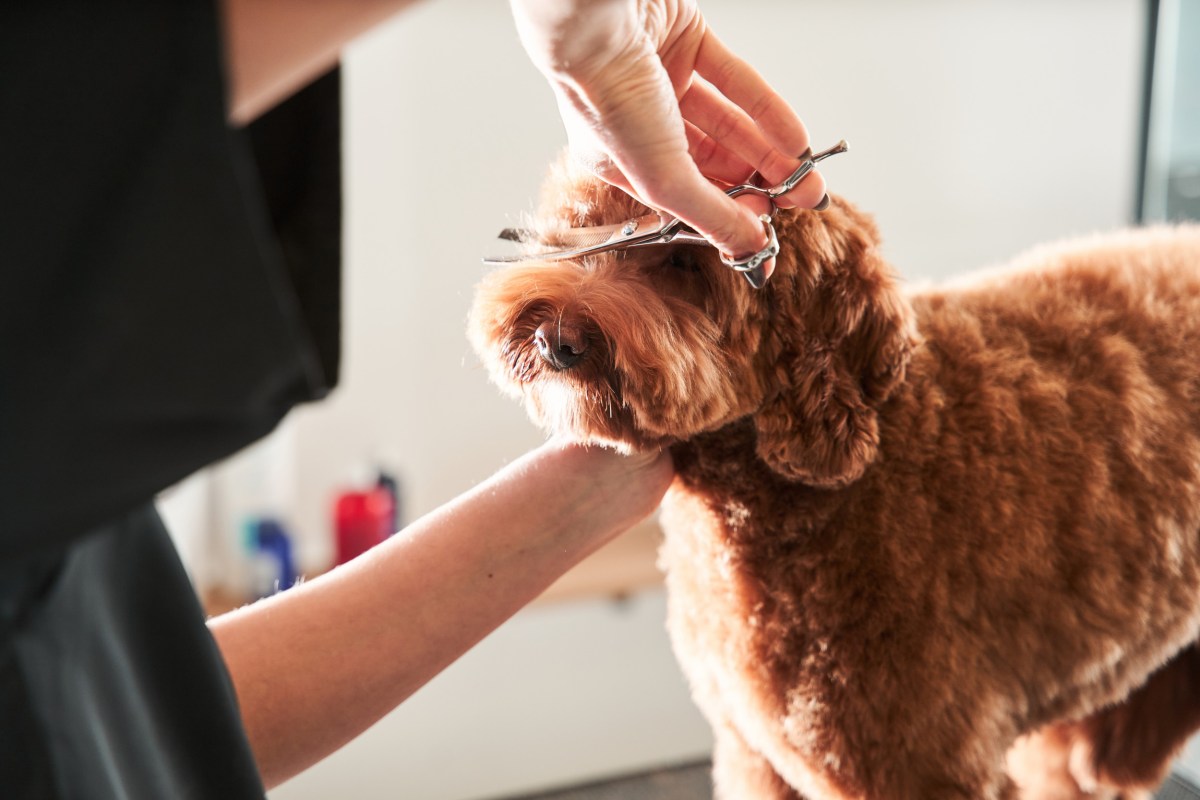
Trim the coat to match the breed’s style. Focus on even lengths for a neat look. Use scissors to shape around the face and paws. Keep the coat short in warm weather. Longer coats help in cold weather but need more care. Take your time to avoid cuts and mistakes.
Nail Care Essentials
Trim nails regularly to avoid pain and injury. Use sharp nail clippers made for dogs. Cut small pieces at a time to prevent bleeding. If unsure, trim just the tips. Smooth rough edges with a nail file. Reward your dog after nail care to build trust.
Ear And Eye Care
Ear and eye care is a vital part of dog grooming. Keeping these areas clean helps prevent infections and keeps your dog comfortable. Regular care also helps spot problems early.
Dogs’ ears and eyes can collect dirt and debris. Cleaning them gently avoids pain and irritation. Paying attention to changes protects your dog’s health.
Cleaning Ears Safely
Use a damp cloth or special ear cleaner made for dogs. Never insert cotton swabs deep into the ear canal. Wipe only the visible outer ear parts. This prevents injury and pushes dirt deeper.
Check ears weekly for wax buildup or bad smells. Clean only when necessary to avoid drying out the skin. Always be gentle to avoid causing discomfort.
Managing Tear Stains
Tear stains appear as reddish marks below the eyes. Clean them daily with a soft cloth dampened with warm water. Avoid harsh chemicals or soaps near the eyes.
Trim hair around the eyes to reduce irritation. Tear stains can also result from allergies or blocked tear ducts. Consult a vet if stains persist.
Detecting Infections Early
Watch for redness, swelling, or discharge in ears and eyes. Scratching or rubbing the face can signal discomfort. Early detection leads to faster treatment and less pain.
If your dog shows signs of infection, visit the vet quickly. Regular checks help catch problems before they worsen.
Special Grooming Tips
Grooming dogs requires special care and attention. Some parts of your dog’s body need gentle handling. Older dogs and different seasons also call for unique grooming methods. These tips help make grooming safe and comfortable.
Handling Sensitive Areas
Sensitive spots include ears, paws, and the tail base. Use soft brushes or cloths to clean these areas. Avoid pulling hair or pressing hard. Check for redness or irritation while grooming. Speak softly to keep your dog calm.
Grooming Senior Dogs
Older dogs have thinner skin and weaker joints. Use gentle tools and avoid sharp clippers. Groom in short sessions to prevent tiredness. Watch for signs of pain or discomfort. Keep nails trimmed to help with walking.
Seasonal Grooming Adjustments
Winter and summer need different grooming care. In winter, keep the coat longer for warmth. In summer, trim hair to prevent overheating. Check for fleas and ticks more often in warm months. Use dog-safe sunscreen on exposed skin if needed.
Credit: brooklynpetspa.com
Professional Grooming Insights
Professional grooming helps keep dogs clean and healthy. Experts have the right tools and skills to care for your pet’s coat, nails, and skin. They know how to handle different breeds and coat types safely. Visiting a professional groomer can improve your dog’s comfort and appearance. Understanding what to expect at the grooming salon makes the experience smooth and stress-free for you and your dog.
When To Visit A Groomer
Schedule grooming based on your dog’s breed and coat type. Dogs with long or thick fur need more frequent visits. Every 4 to 8 weeks is common for many breeds. Watch for signs like matting, strong odor, or overgrown nails. These signs show your dog needs professional grooming soon.
What To Expect At The Salon
The groomer will start by checking your dog’s coat and skin. They will bathe your dog using special shampoos. Drying and brushing follow to remove loose fur and dirt. Nail trimming and ear cleaning are part of the process. Some salons offer haircuts or styling based on breed needs. Groomers handle your dog gently to reduce stress and discomfort.
Maintaining Grooming Between Visits
Brush your dog regularly at home to prevent mats and tangles. Clean ears and check for dirt or redness often. Trim nails carefully or use a nail grinder if you can. Bathing your dog at home helps keep them fresh. Use dog-friendly shampoos to avoid skin irritation. Regular care keeps your pet healthy and happy between professional visits.
Frequently Asked Questions
How Often Should I Groom My Dog?
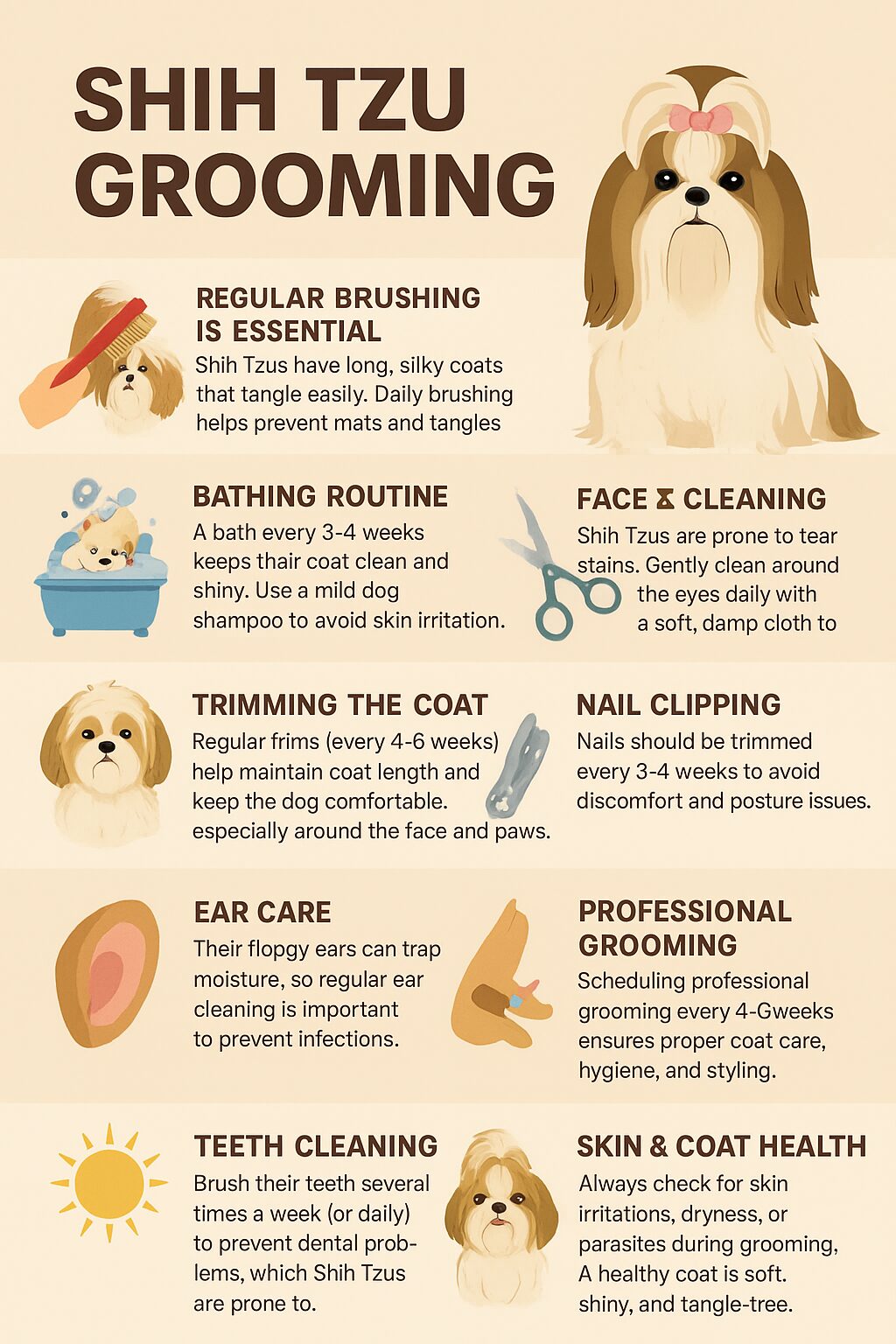
Groom your dog every 4 to 6 weeks to maintain healthy fur and skin. Regular grooming prevents matting and reduces shedding. Frequency depends on breed, coat type, and activity level. Consistent grooming promotes cleanliness and comfort for your dog.
What Tools Are Essential For Dog Grooming?
Essential grooming tools include a slicker brush, comb, nail clippers, and dog shampoo. A grooming brush suits your dog’s coat type. Nail clippers keep paws healthy. Choose shampoo formulated for dogs to avoid skin irritation.
Can Grooming Improve My Dog’s Health?
Yes, grooming helps detect skin issues, parasites, and infections early. It improves circulation and reduces stress. Regular grooming keeps your dog comfortable and clean. It also strengthens the bond between you and your pet.
How Do I Safely Trim My Dog’s Nails?
Use sharp, dog-specific nail clippers and trim small amounts at a time. Avoid cutting the quick, which causes pain and bleeding. If unsure, seek advice from a professional groomer or vet. Regular nail care prevents discomfort and injury.
Conclusion
Grooming your dog keeps them healthy and happy. Regular brushing removes dirt and loose hair. It also helps you spot skin problems early. Trimming nails protects their paws from injury. Bathing keeps their coat clean and fresh. Use gentle tools made for dogs to avoid harm.
Make grooming a fun, calm time together. Your dog will feel more comfortable and loved. Small daily care makes a big difference. Start simple and build a routine that suits your pet. Good grooming shows your care and respect for your dog.