

If you have a Newfoundland dog, you know how big and beautiful they are. But keeping their thick, fluffy coat clean and healthy can be a challenge.
You might wonder how often to groom them, which tools to use, or how to avoid common grooming mistakes. This guide will walk you through everything you need to know to make grooming your Newfoundland easier and even enjoyable. By the end, you’ll feel confident caring for your gentle giant’s coat like a pro.
Ready to get started? Let’s dive in!
Newfoundland Coat Basics
The Newfoundland dog has a thick, beautiful coat that needs special care. This coat keeps the dog warm in cold weather and protects it from water. Understanding the coat’s basics helps you groom your Newfoundland well. This section covers the key features of the coat and its shedding patterns.
Coat Characteristics
The Newfoundland’s coat is double-layered. The outer coat is long and coarse. It protects against dirt and water. The undercoat is soft and dense. It keeps the dog warm in cold weather. The coat grows longer around the neck and chest. This forms a mane-like look. The coat needs regular brushing to stop mats and tangles. It also helps keep the coat clean and shiny.
Shedding Patterns
Newfoundlands shed hair twice a year. This is called “blowing the coat.” The undercoat falls out heavily during this time. Daily brushing helps remove loose hair. It also keeps the skin healthy. Outside shedding is less heavy but steady. Regular grooming reduces hair around the house. Watch for more shedding in spring and fall. This is normal and means the coat is healthy.
Tools For Grooming
Grooming a Newfoundland dog needs the right tools. These tools help keep their thick coat clean and healthy. Good grooming tools make the job easier and more comfortable for your dog. Choose tools that fit your dog’s coat type and size. This section describes the main grooming tools you need.
Brush Types
A slicker brush works well for removing loose hair and mats. It has fine, short wires close together. Use it gently to avoid hurting your dog’s skin. A pin brush helps smooth the coat and spread natural oils. It has longer, widely spaced pins. A bristle brush is good for finishing and adding shine. It removes dust and dirt from the topcoat.
Combs And Clippers
A wide-tooth comb helps detangle thick fur and catch small mats. It works through the undercoat without pulling too much. A fine-tooth comb can check for fleas and small debris. Clippers are useful for trimming the fur around paws and ears. Use a quiet clipper to keep your dog calm. Choose clipper blades that suit your dog’s coat thickness.
Bathing Supplies
Use a dog shampoo made for thick coats and sensitive skin. Avoid human shampoos as they can dry out your dog’s skin. A conditioner can help keep the fur soft and easier to brush. Have a large towel ready to dry your dog after bathing. A non-slip mat in the tub keeps your dog safe and steady.
Daily Grooming Routine
Daily grooming helps keep a Newfoundland dog healthy and happy. These dogs have thick fur that can trap dirt and moisture. Regular care prevents mats and skin problems. A short daily routine makes grooming easier over time.
Brushing Techniques
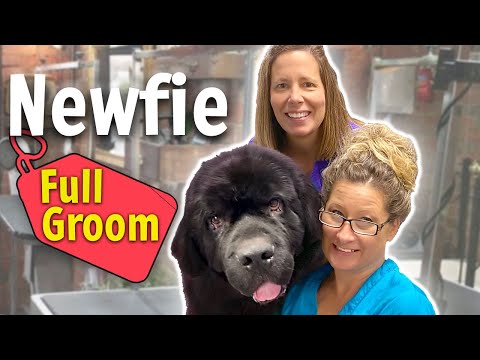
Use a wide-tooth comb or slicker brush for thick fur. Brush in sections, starting from the neck to the tail. Move gently to avoid hurting the skin. Focus on the undercoat to remove loose hair. Brushing daily reduces shedding and keeps the coat shiny.
Checking For Mats
Mats can form quickly, especially behind ears and legs. Use your fingers to feel for tight knots. Mats cause discomfort and skin issues if left alone. Carefully work through small mats with a dematting tool. Do not pull hard to avoid pain.
Ear And Eye Care
Check ears daily for redness or bad smell. Clean ears with a damp cloth or vet-approved solution. Use a soft cloth to wipe around the eyes. Remove any dirt or discharge gently. Keeping ears and eyes clean prevents infections.
Credit: www.youtube.com
Bathing Your Newfoundland
Bathing your Newfoundland is an important part of grooming. Their thick coat traps dirt and oils. Regular baths keep their skin healthy and coat shiny. Proper bathing also helps control odors and reduce shedding. It is a good time to check for skin issues or parasites. Bathing needs care to avoid drying out their skin or damaging the fur.
Bath Frequency
Newfoundlands do not need daily baths. Bathing every 6 to 8 weeks works well for most dogs. Too many baths can dry their skin. If your dog swims or gets very dirty, bath more often. Always watch your dog’s skin and coat condition. Adjust the bath schedule as needed.
Choosing The Right Shampoo
Select a shampoo made for dogs with sensitive skin. Avoid shampoos with strong chemicals or fragrances. A gentle, moisturizing formula helps keep the coat soft. Medicated shampoos may be necessary for skin problems. Always rinse the shampoo out completely to prevent irritation.
Drying Methods
Newfoundlands have thick, dense fur that holds water. Use a large towel to soak up as much water as possible. A high-velocity dryer can speed drying but keep it on low heat. Avoid hot air that can burn the skin. Let your dog air dry in a warm room after towel drying. Brush the coat while drying to prevent mats and tangles.
Handling Mats And Tangles
Mats and tangles are common problems in Newfoundland dogs due to their thick fur. These knots can cause discomfort and skin issues if not handled properly. Regular grooming helps keep your dog’s coat smooth and healthy.
Understanding how to manage mats and tangles is important. Gentle care protects your dog’s skin and fur. Patience and the right tools make the process easier for both of you.
Preventing Mats
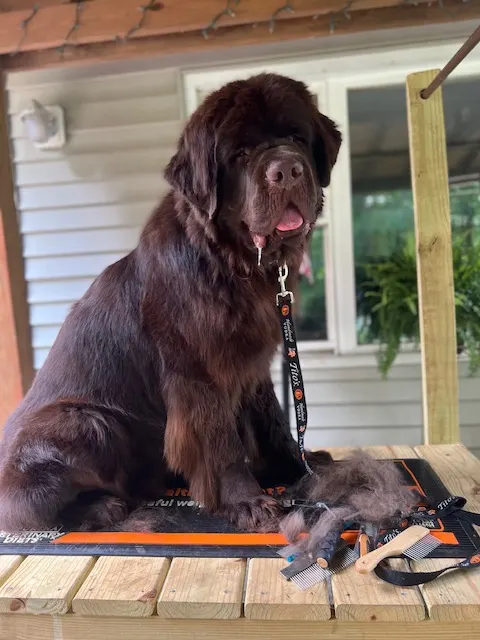
Brush your Newfoundland’s fur often. Daily brushing works best to stop mats from forming. Use a slicker brush or wide-tooth comb designed for thick coats. Focus on areas where mats usually form, like behind ears and under legs.
Keep the coat clean and dry. Bathing your dog regularly removes dirt and oils. Dry the fur completely after baths to prevent tangling. Trim hair around problem spots if needed.
Safe Detangling Tips
Start by gently separating small tangles with your fingers. Avoid pulling hard to prevent hurting your dog. Use a detangling spray or conditioner to soften tough mats. Work slowly and patiently through the knots.
Use a wide-tooth comb to carefully loosen mats. Begin at the edges and move inward. If a mat is too tight, cut it out carefully with blunt-ended scissors. Always keep the scissors away from the skin.
Stay calm and speak softly to your dog. Positive reinforcement helps your dog stay relaxed during grooming. Stop and take breaks if your dog shows stress.
Credit: mybrownnewfies.com
Seasonal Grooming Changes
Newfoundland dogs have thick, double coats that change with the seasons. Their grooming needs vary from winter to summer. Adjusting your grooming routine helps keep your dog comfortable and healthy. It also reduces shedding and matting. Understanding seasonal changes improves your dog’s coat condition and skin health.
Managing Shedding Seasons
Newfoundlands shed heavily twice a year. These are called “blowing coat” seasons. During spring and fall, their undercoat loosens and falls out. Brush your dog daily to remove loose hair. Use a slicker brush or undercoat rake. This prevents hair from piling up in your home. Regular brushing also stops mats and tangles. Check for skin irritation while grooming.
Adjusting Grooming Routines
In colder months, brush your Newfoundland less often. Their coat protects them from cold weather. Brushing too much can remove natural oils. In warmer months, increase brushing frequency. This helps keep the coat cool and clean. Bath your dog every six to eight weeks. Use a gentle dog shampoo to avoid drying skin. Trim hair around paws and ears to keep your dog comfortable.
Health Checks During Grooming
Grooming your Newfoundland dog is more than brushing and bathing. It is a good time to check your dog’s health. Regular health checks help catch problems early. This keeps your dog happy and strong.
Skin Inspection
Look closely at your dog’s skin during grooming. Check for redness, bumps, or dry spots. These signs might show irritation or infection. Dark or scaly patches need attention. Gently part the fur to see the skin well. Healthy skin should feel smooth and clean.
Detecting Parasites
Parasites like fleas and ticks hide in thick fur. Use your fingers to feel for tiny bugs or eggs. Look around ears, neck, and under the legs. Flea dirt looks like small black specks. Ticks can look like small bumps. Removing these pests quickly protects your dog’s health.
Nail Trimming
Check your dog’s nails during grooming sessions. Long nails can hurt your dog’s paws and cause pain. Trim nails carefully using a dog nail clipper. Cut a little at a time to avoid the quick. If unsure, ask a vet or groomer for help. Proper nail care keeps your dog comfortable and safe.

Credit: www.youtube.com
Frequently Asked Questions
How Often Should I Groom My Newfoundland Dog?
Newfoundland dogs need grooming at least once a week. Regular brushing prevents mats and reduces shedding. Bathing every 6-8 weeks keeps their coat clean. Frequent grooming maintains their thick double coat and promotes healthy skin.
What Tools Are Best For Grooming Newfoundlands?
Use a slicker brush, undercoat rake, and grooming comb. These tools help remove loose hair and prevent tangles. A high-quality dog shampoo and conditioner keep their coat soft. Nail clippers and ear cleaning supplies are also essential.
How Do I Prevent Matting In A Newfoundland’s Fur?
Brush your Newfoundland’s fur regularly, focusing on areas behind ears and under legs. Use a detangling spray for stubborn mats. Avoid cutting mats yourself; seek professional grooming help if needed. Consistent grooming reduces painful tangles and skin issues.
Can I Groom My Newfoundland Dog At Home?
Yes, you can groom your Newfoundland at home with proper tools. Regular brushing and occasional baths are manageable. However, professional grooming every few months helps with trimming and nail care. Home grooming keeps your dog comfortable and healthy.
Conclusion
Grooming a Newfoundland dog keeps them healthy and happy. Regular brushing stops mats and tangles. Bathing helps keep their coat clean and fresh. Check ears and nails often to avoid problems. A calm, gentle approach makes grooming easier. Your Newfoundland will enjoy the care and attention.
Spend time with your dog during grooming sessions. This builds trust and strengthens your bond. Keep a routine to make grooming a habit. A well-groomed Newfoundland looks great and feels good. Simple steps lead to a happy, healthy pet.


