

Have you ever dreamed of letting your dog run free without a leash, yet still keeping full control? Training your dog to be off leash isn’t just about safety—it’s about building trust and deepening your bond.
Imagine the joy of watching your furry friend explore, play, and listen to your commands, all while enjoying total freedom. In this guide, you’ll discover simple, effective steps to help your dog stay close and responsive, even when off leash.
Ready to transform your walks and adventures? Let’s get started.

Credit: www.youtube.com
Choosing The Right Environment
Choosing the right environment is key to train your dog to be off leash. It sets the stage for success and safety. The right place helps your dog focus and learn better. Start with calm, quiet spots. This reduces stress for both you and your dog.
Safe And Secure Areas
Pick a space where your dog cannot run into danger. Fenced yards or enclosed parks are great. These areas keep your dog safe from cars and other hazards. Safety builds trust and confidence. Your dog will feel secure exploring off leash.
Minimizing Distractions
Choose places with few distractions at first. Avoid busy parks or crowded streets. Loud noises and other animals can confuse your dog. A quiet environment helps your dog focus on your commands. You can increase distractions slowly later.
Gradual Exposure
Start training in a small, safe area. Let your dog get used to being off leash there. Gradually move to bigger or busier places. This helps your dog adjust without stress. Step by step, your dog learns to listen everywhere.
Building A Strong Recall
Building a strong recall is key to training your dog to be off leash safely. Recall means your dog comes back to you when called. It keeps your dog safe from dangers and lets them enjoy freedom.
Good recall needs clear commands, rewards, and steady practice. Start in a quiet place, then add challenges over time. Patience and consistency help your dog learn fast.
Effective Recall Commands
Use short, simple words for recall commands. Words like “come,” “here,” or “back” work well. Always use the same word to avoid confusion. Say the command in a happy, calm voice. Avoid shouting or anger. Your dog should feel safe and eager to come.
Using Positive Reinforcement
Reward your dog immediately after they come. Use treats, praise, or petting. Rewards make recall fun and rewarding. Never punish your dog for coming late or after distractions. Negative reactions can make your dog afraid to return. Keep training sessions positive and short to keep your dog interested.
Practice With Increasing Distance
Start recall training close to your dog. Call them from a few feet away. Gradually increase the distance as your dog succeeds. Practice in different places to help your dog learn anywhere. Add distractions slowly, like toys or other dogs. This builds your dog’s focus and trust in the recall command.
Improving Obedience Skills
Improving your dog’s obedience is key to safe off-leash training. A well-behaved dog listens carefully and follows commands. This builds trust between you and your pet. It also helps keep your dog safe in open spaces. Focus on clear communication and patience. Training should be fun for both of you.
Basic Commands Mastery
Start with simple commands like sit, stay, and come. These are the foundation of good behavior. Practice these daily in quiet places. Use treats and praise to encourage your dog. Repeat commands until your dog responds quickly. This prepares your dog for more challenging situations.
Consistent Training Sessions
Train your dog regularly at the same time each day. Short sessions of 10 to 15 minutes work best. Consistency helps your dog learn faster and remember commands. Avoid long or tiring sessions that cause frustration. Keep training positive to maintain your dog’s interest.
Addressing Behavioral Issues
Notice any bad habits like barking or pulling on the leash. Correct these behaviors early before they become a problem. Use gentle but firm commands to guide your dog. Reward good behavior to reinforce learning. Addressing issues improves your dog’s focus during off-leash time.

Credit: www.gentledogtraining.com
Using Training Tools Wisely
Training tools can help your dog learn to be off leash safely. Using them the right way makes training easier and more effective. Choose tools that fit your dog well and suit your training goals. Start slow and always focus on positive experiences for your dog.
Harnesses And Collars
Choose a harness or collar that fits your dog comfortably. Harnesses reduce strain on the neck and give better control. Collars work well for dogs that respond to gentle pressure. Avoid tools that hurt your dog or cause fear. Check the fit regularly and adjust as your dog grows.
Long Leashes And Trainers
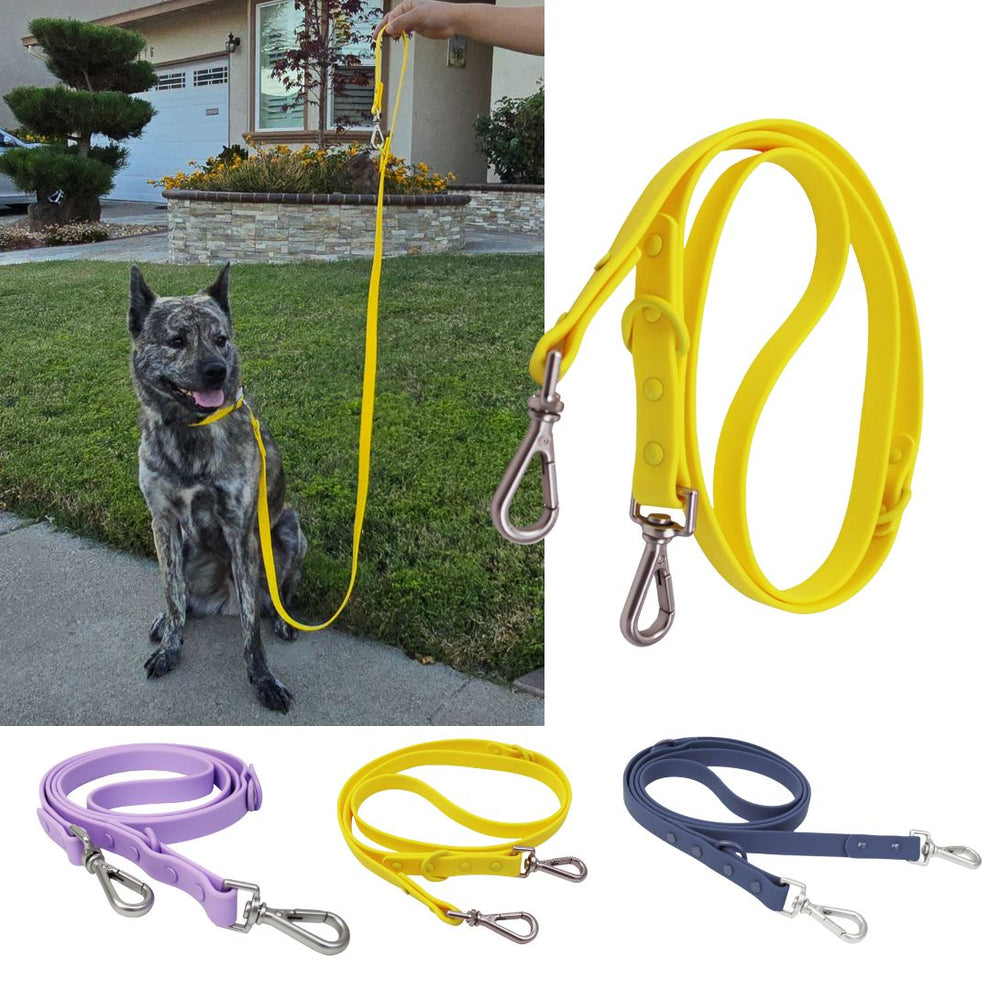
Long leashes give your dog freedom while keeping control. Use a leash at least 15 to 30 feet long for practice. Trainers can help with recall and distance commands. Practice in safe, open areas to build trust. Always keep an eye on your dog’s behavior and safety.
Clickers And Treats
Clickers mark the exact moment your dog does the right thing. Pair clicks with small, tasty treats to reward good behavior. Click and treat quickly to help your dog understand. Use treats your dog loves but do not overfeed. Positive rewards make training fun and fast.
Safety Considerations Off Leash
Training your dog to be off leash is rewarding. It builds trust and freedom for both of you. Safety is key during this process. Keep your dog and others protected at all times. Pay close attention to your surroundings and your dog’s behavior. Use reliable commands to keep control. This section covers important safety tips for off-leash training.
Recognizing Hazards
Spot dangers early to avoid trouble. Watch for busy roads near your training area. Check for wild animals that may scare your dog. Remove sharp objects or trash that could hurt paws. Avoid places with aggressive dogs or noisy crowds. Choose safe, open spaces for off-leash practice. Always scan the area before letting your dog off leash.
Emergency Recall Techniques
Teach a strong recall to call your dog fast. Use a clear, loud word your dog knows. Reward your dog immediately when it returns to you. Practice recall often in different places. This builds reliability in real situations. Stay calm if your dog runs off. Avoid chasing, which can encourage running. A quick recall saves your dog from danger.
Monitoring Your Dog’s Behavior
Watch your dog’s body language closely. Look for signs of stress or distraction. Stop off-leash time if your dog seems anxious. Notice if your dog chases animals or people. Redirect or call your dog back right away. Keep sessions short at first to build focus. Regularly check your dog’s energy and mood. Safe off-leash training depends on your dog’s behavior.
Credit: beenbuu.com
Maintaining Off-leash Skills
Training your dog to be off leash is a big step. Maintaining these skills takes effort and patience. Consistent practice keeps your dog safe and responsive. It helps your dog remember commands and behave well without a leash. This section explains how to keep off-leash skills sharp and reliable.
Regular Practice Routine
Practice every day in short sessions. Regular training helps your dog stay focused. Use simple commands like “come” and “stay.” Repeat exercises to build strong habits. Consistency is key to keeping skills fresh. Avoid long sessions that tire your dog.
Adapting To New Environments
Train in different places to build confidence. New sights and sounds test your dog’s focus. Start in quiet areas, then try busier spots. This helps your dog learn to listen everywhere. Change locations often to prevent boredom. Your dog learns to obey despite distractions.
Rewarding Good Behavior
Give treats or praise when your dog listens. Rewards encourage your dog to repeat good actions. Use small, tasty treats for fast feedback. Praise with a happy voice and petting. Avoid punishment; it can cause fear. Positive rewards build trust and strong habits.
Frequently Asked Questions
How Long Does It Take To Train A Dog Off Leash?
Training duration varies by dog’s age and temperament. Typically, it takes weeks to months. Consistent practice and positive reinforcement speed up progress. Patience is key for successful off-leash training.
What Commands Are Essential For Off-leash Training?
Basic commands like “come,” “stay,” “heel,” and “leave it” are crucial. These commands ensure your dog listens and stays safe. Strong command skills build trust and control during off-leash activities.
How Can I Ensure My Dog’s Safety Off Leash?
Use a secure, fenced area or a long training leash initially. Always supervise your dog closely. Teach reliable recall commands to prevent running into danger or traffic.
When Is The Best Age To Start Off-leash Training?
Start basic obedience training as early as 8 weeks old. Off-leash training should begin once your dog reliably follows commands, usually around 6-12 months. Early training builds a strong foundation for off-leash success.
Conclusion
Training your dog to be off leash takes time and patience. Start with small, safe spaces and use clear commands. Always reward your dog for good behavior. Practice often, but keep sessions short and fun. Stay calm and consistent during training.
Trust grows between you and your dog. Soon, your dog will enjoy more freedom safely. Remember, safety always comes first for both of you. Keep practicing, and enjoy your walks together without the leash.

