

Do your dogs fight over toys every time playtime begins? It can be frustrating to watch your furry friends growl and snap instead of having fun together.
But what if you could teach your dogs to share their toys peacefully? Imagine a calm, happy home where your pets enjoy playing side by side without tension. You’ll discover simple, effective ways to help your dogs learn to share toys.
Keep reading, because these tips could change the way your dogs play—and make your life a lot easier.
Why Dogs Guard Toys
Many dogs guard their toys. This behavior can confuse owners. Understanding why dogs guard toys helps in teaching sharing. Dogs do this for several reasons. Some come from their natural instincts. Others relate to the toy’s value or the dog’s breed. Knowing these reasons can guide training and improve playtime.
Natural Instincts
Dogs come from wild ancestors. Wild dogs needed to protect food and items. Guarding toys is like protecting food. It feels safe to keep something valuable close. This instinct helps dogs survive in nature. Even pets keep this behavior inside them.
Resource Value
Dogs see toys as resources. Toys give comfort, fun, or rewards. Some toys are more special than others. Dogs guard toys they like most. This is similar to guarding food or space. The more a dog likes a toy, the more it protects it.
Breed Tendencies
Some breeds guard more than others. Working and hunting dogs often protect possessions. They are bred to be alert and careful. Guarding toys is part of their nature. Knowing your dog’s breed can explain this behavior.
Signs Of Toy Possessiveness
Toy possessiveness in dogs can cause tension during playtime. Recognizing signs early helps prevent fights and stress. Dogs show possessiveness through their actions and body language. Understanding these clues makes sharing toys easier and safer for your pets.
Body Language Clues
Watch for stiff bodies and fixed stares. Raised hackles or a low growl signals discomfort. Lips pulled back, showing teeth, is a clear warning. Tail position matters; a high, stiff tail shows dominance. Ears pinned back or forward can mean stress or alertness. These signs tell you a dog feels protective over a toy.
Behavioral Patterns
Dogs may guard toys by standing over them. Snapping or lunging when others come close is common. Some dogs hide toys in secret spots. They may refuse to drop or share toys. Interrupting play with a toy can cause guarding to increase. These behaviors show a dog values the toy highly.
Choosing The Right Toys
Choosing the right toys is key to helping dogs share well. Toys should suit each dog’s size, play style, and strength. Picking good toys can reduce fights and make playtime fun for all dogs involved.
Durability And Size
Strong toys last longer and handle rough chewing. Soft toys can break and cause fights. Choose toys that match your dog’s size. Small toys can be a choking risk for big dogs.
Multiple Toy Options
Give dogs several toys to share. This lowers competition for one item. Different toys keep dogs interested. More toys mean less chance of fights over one.
Interactive Toys
Interactive toys keep dogs busy and distracted. Toys like puzzle feeders or treat dispensers work well. These toys encourage sharing by focusing on fun tasks. Dogs enjoy playing together with these types of toys.
Training Sharing Skills
Teaching dogs to share toys takes patience and clear guidance. Training sharing skills helps dogs play nicely without fights. It builds trust and good behavior between pets.
Start with simple steps. Use training that fits your dog’s pace. Consistent effort brings better results and happier dogs.
Basic Commands
Begin with commands like “sit,” “stay,” and “leave it.” These commands give control during playtime. Dogs that listen well find sharing easier. Practice these commands daily for best results.
Positive Reinforcement
Reward good sharing behavior with treats or praise. Positive reinforcement encourages dogs to repeat nice actions. Use small treats and kind words immediately after sharing. This helps dogs connect sharing with rewards.
Controlled Play Sessions
Keep play sessions short and supervised. Watch your dogs closely for signs of stress or aggression. Stop play if fights start and calm dogs down. Gradually increase playtime as sharing improves.
Managing Playtime Conflicts
Managing playtime conflicts between dogs is key to a happy home. Dogs may get jealous or possessive over toys. This can lead to fights or upset feelings. Knowing how to handle these moments keeps playtime fun. It helps dogs learn to share safely and peacefully.
Recognizing Early Signs
Watch your dogs closely during play. Look for stiff bodies or growling sounds. Raised hackles and fixed stares show tension. Dogs may snap or bark suddenly. These signs warn that conflict may start soon. Spotting them early lets you act quickly.
Safe Interventions
Step in calmly to stop fights. Use a firm voice to get attention. Avoid yelling or grabbing toys from dogs. This can make them more upset. Instead, gently separate dogs with your body or hands. Keep safety in mind for both dogs and yourself.
Redirecting Attention
Offer a different toy to one dog. This can ease the focus off the problem toy. Use treats or praise to reward calm behavior. Invite dogs to play a new game together. Redirecting attention helps dogs forget about fights. It teaches better ways to share and play.

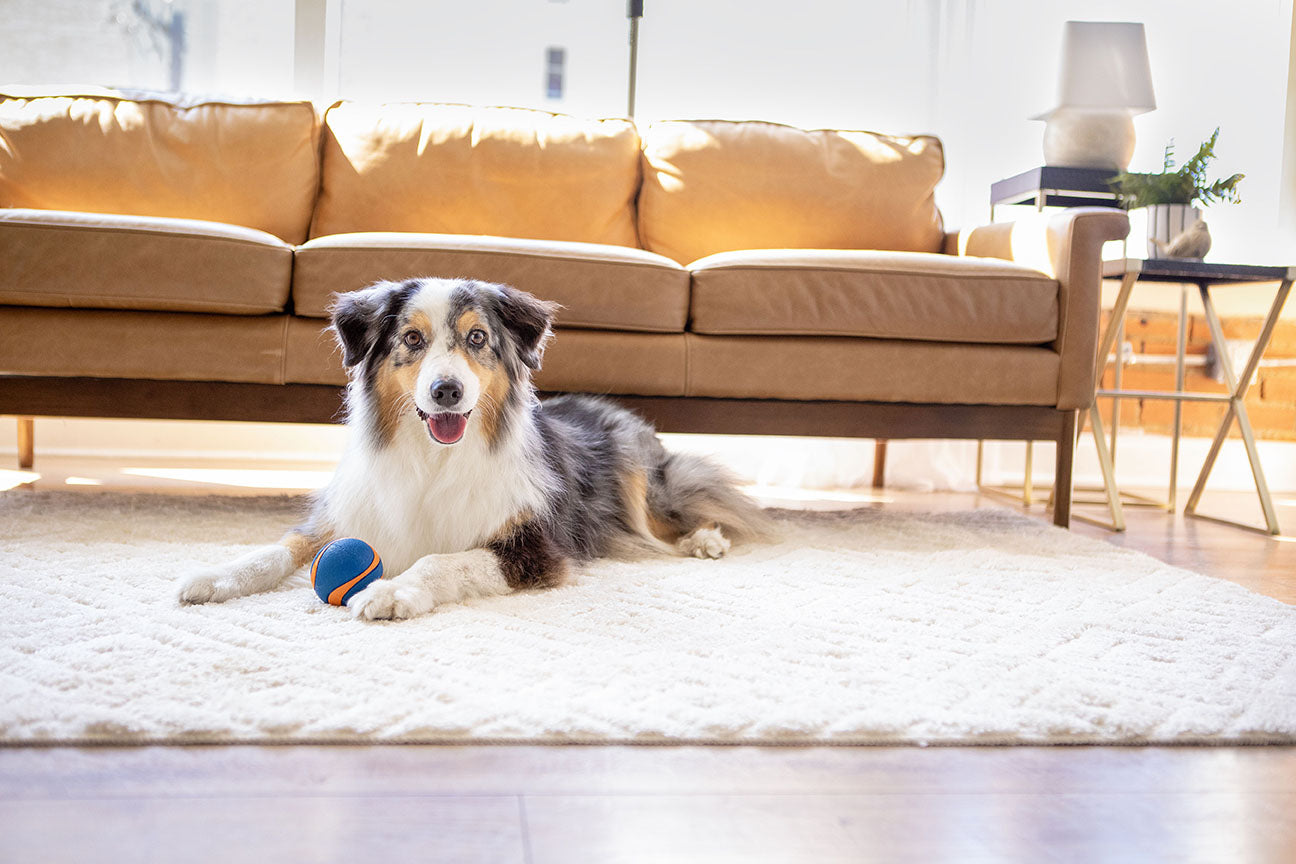
Credit: www.petmate.com
Encouraging Cooperative Play
Encouraging cooperative play helps dogs learn to share toys happily. It builds good habits and reduces fights. Dogs enjoy playing together more when they share. Teaching this skill takes patience and positive steps.
Group Games
Group games bring dogs together in fun ways. Use toys that many dogs can play with at once. Tug-of-war or fetch with multiple balls works well. These games keep dogs engaged and less focused on ownership. Playing as a group teaches sharing naturally.
Rewarding Sharing Behavior
Reward dogs when they share toys without growling or snapping. Give treats or praise immediately after sharing. This shows dogs that sharing leads to good things. Consistent rewards help dogs repeat kind behavior. Avoid punishment, as it can cause fear or confusion.
Building Trust
Trust makes dogs feel safe around each other and toys. Spend time with dogs together calmly before playtime. Let them explore toys side by side without pressure. Trust grows slowly through gentle interactions and respect. A trusting pack shares toys more easily and happily.
When To Seek Professional Help
Knowing when to seek professional help is important for your dogs’ well-being. Sharing toys can be tough for some dogs. Sometimes, simple tips do not solve the problem. Professionals can guide you through difficult behaviors. They help keep your dogs safe and happy.
Behavioral Issues
Some dogs show signs of stress or fear around toys. This can lead to guarding or growling. These behaviors may get worse over time. A trainer or behaviorist can identify the cause. They provide a plan to improve sharing skills. Early help stops problems from growing bigger.
Aggression Risks
Aggression over toys can be dangerous for dogs and people. Biting or snapping should never be ignored. Professionals know how to handle aggression safely. They teach you ways to reduce tension and prevent fights. Getting help early protects your dogs and family.
Credit: www.petmate.com
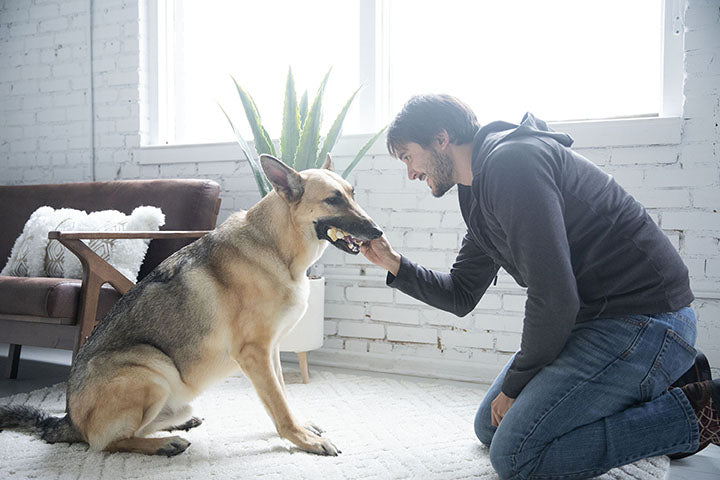
Credit: www.petmate.com
Frequently Asked Questions
How Can I Teach Dogs To Share Toys Peacefully?
Start by offering multiple toys to reduce competition. Use positive reinforcement when dogs share. Supervise playtime to prevent conflicts. Gradually increase shared play sessions to build comfort.
Why Do Dogs Refuse To Share Toys?
Dogs may refuse due to possessiveness or lack of socialization. They often see toys as valuable resources. Training and patience help reduce guarding behaviors.
What Toys Are Best For Encouraging Sharing?
Choose durable, non-competitive toys like ropes or balls. Avoid toys that promote guarding, such as single chew bones. Rotate toys to maintain interest and sharing willingness.
How Long Does It Take Dogs To Share Toys?
Time varies by dog personality and training consistency. Some learn within weeks; others need months. Consistent positive reinforcement speeds up sharing behavior.
Conclusion
Helping dogs share toys takes patience and practice. Start with clear rules and gentle guidance. Reward good behavior to encourage sharing habits. Watch their body language to avoid fights. Teach each dog to take turns with toys. Over time, sharing becomes a natural part of play.
Dogs feel happier when they play well together. Keep sessions short and fun to maintain interest. Sharing toys builds trust and friendship between dogs. With love and care, your dogs will learn to share.


