

Imagine walking into your living room and seeing all your dog’s toys neatly put away, not scattered everywhere. Sounds like a dream, right?
But what if you could teach your dog to do just that? You can, and it’s easier than you think. Teaching your dog to put away toys not only keeps your home tidy but also strengthens your bond and gives your furry friend a fun challenge.
Ready to discover simple, effective steps that will turn your playful pup into a tidy helper? Keep reading, and you’ll learn how to make this happen—one toy at a time.
Credit: www.preventivevet.com
Benefits Of Teaching Toy Cleanup
Teaching your dog to put away toys has many benefits. It helps your dog learn good habits and makes your home more organized. This simple task can also bring you closer to your pet. Training your dog in this way is fun and useful for both of you.
Improves Dog Discipline
Putting toys away helps your dog follow rules. It teaches them to listen and obey commands. This training builds self-control and patience. Dogs learn to focus on tasks and complete them. These skills help in other areas of behavior too.
Keeps Home Tidy
Toys left on the floor can cause clutter. Teaching your dog to clean up keeps spaces neat. It reduces tripping hazards and mess in your home. A tidy home is easier to clean and looks better. Your dog will learn to respect your living space.
Strengthens Bond
Training sessions are a chance to spend time together. Your dog enjoys the attention and praise. Working on tasks builds trust and communication. This shared activity creates a stronger connection. Both you and your dog feel happier and closer.
Credit: www.chewy.com
Choosing The Right Toys And Storage
Choosing the right toys and storage is key to teaching your dog to put away toys. The toys must be safe and fun for your dog. The storage should be easy to reach and keep the space tidy. This helps your dog learn quickly and enjoy the task.
Selecting Safe Toys
Pick toys that are strong and have no small parts. Soft toys can be chewed, but avoid those that break easily. Choose toys made from non-toxic materials. This keeps your dog safe while playing and cleaning up. Toys should fit your dog’s size and chewing style. Safe toys build trust and make training easier.
Picking A Storage Spot
Choose a spot that is easy for your dog to reach. The place should be quiet and free from distractions. A corner or near the dog’s bed works well. Keep the spot consistent so your dog knows where to put toys. A clear spot helps your dog learn the habit fast.
Using Suitable Containers
Use containers that are open or have wide openings. Plastic bins or baskets work well for storing toys. Make sure the container is light enough for your dog to access. Avoid containers with lids that are hard to open. The right container makes cleaning up simple and fun for your dog.
Basic Commands To Start With
Teaching your dog to put away toys starts with basic commands. These commands create a strong foundation. They help your dog understand what you expect. Training becomes easier and more fun. Begin with simple steps that your dog can learn quickly. Consistency and patience are key.
Teaching Fetch
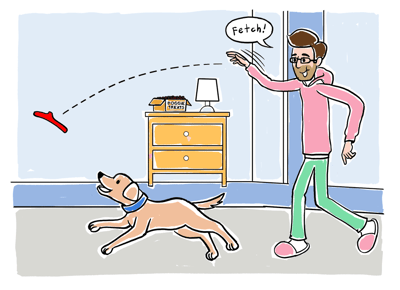
Fetch is a useful command for toy cleanup. Start by throwing a toy a short distance. Encourage your dog to get the toy. Praise your dog when they pick it up. Use a happy voice and treats for rewards. Repeat this until your dog enjoys fetching toys.
Introducing The ‘drop’ Command
The ‘drop’ command teaches your dog to release objects. Offer a toy and say “drop” clearly. When your dog lets go, give a treat right away. Practice this with different toys. This command helps your dog put toys down easily. It also prevents tugging and chewing problems.
Using ‘place’ Or ‘go To Spot’
Teach your dog to go to a specific spot. Use a mat or basket as the target. Say “place” or “go to spot” while guiding your dog. Reward your dog for staying on the spot. This command helps your dog learn where to put toys. It makes cleanup organized and stress-free.
Step-by-step Training Process
Teaching your dog to put away toys takes patience and clear steps. Breaking the process down helps your dog learn faster. Each step builds on the last. Keep training sessions short and fun to keep your dog interested. Reward good behavior to encourage your dog to repeat it.
Encouraging Toy Retrieval
Start by asking your dog to fetch a toy. Use a simple command like “get toy.” Show the toy and toss it a short distance. Praise your dog when they pick it up. Repeat this step until your dog fetches the toy easily. Use treats or gentle praise as motivation.
Guiding To Storage Area
Next, lead your dog to the toy box or storage area. Point or walk towards the spot where toys belong. Use a command such as “put away.” Help your dog carry the toy to the storage place. Do this several times until your dog understands where to go.
Rewarding Successful Cleanup
Celebrate every time your dog drops a toy in the box. Use treats, petting, or cheerful words. Rewards help your dog link the action with something positive. Gradually reduce treats but keep praising. This keeps the behavior strong and consistent.
Common Challenges And Fixes
Teaching your dog to put away toys can be tricky. Many dog owners face common challenges during training. Knowing these issues helps you fix them fast. Patience and clear steps make the process easier for your dog.
Dealing With Distractions
Dogs often get distracted by noises or other pets. Keep training sessions in a quiet, calm place. Use toys your dog likes to keep focus. Short sessions work better than long ones. Praise your dog when it pays attention.
Handling Reluctance
Some dogs resist putting toys away. They may not understand what you want. Use simple commands like “tidy” or “put away.” Show your dog how to drop the toy in the box. Reward with treats or praise right after. Be patient and repeat the steps gently.
Maintaining Consistency
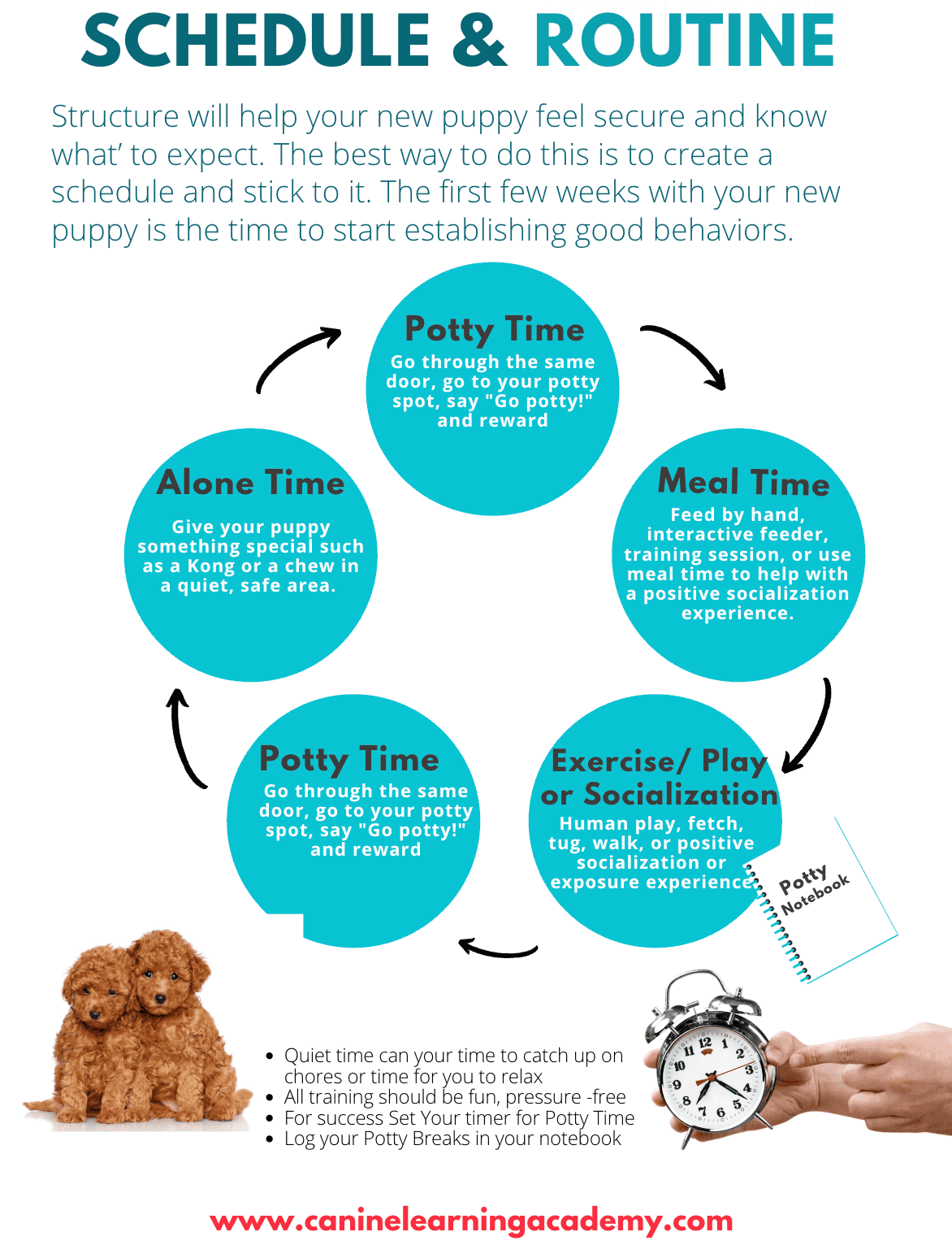
Training works best with regular practice. Set a routine time to teach toy pickup. Use the same words and gestures every time. Everyone in the house should follow the same rules. Consistency helps your dog learn faster and keep good habits.
Tips For Long-term Success
Teaching your dog to put away toys takes time and patience. Consistency helps your dog understand what to do. Small daily efforts lead to big progress. Here are some tips to keep training successful for the long term.
Regular Practice Sessions
Practice every day for a few minutes. Short sessions keep your dog focused and eager. Repetition helps your dog remember the task. Make practice a part of your routine. This builds good habits and confidence.
Using Positive Reinforcement
Reward your dog with treats or praise. Positive feedback motivates your dog to learn. Always celebrate small successes. Avoid punishment or harsh words. Positive feelings connect your dog to the task.
Involving Family Members
Include everyone in the training process. Consistent commands from all family members help. Dogs learn faster when all voices are clear. This creates a team effort. Training becomes more fun and effective.
Credit: caninelearningacademy.com
Frequently Asked Questions
How Long Does It Take To Teach Dogs Toy Cleanup?
Training varies, but most dogs learn toy cleanup in 1-3 weeks with consistent daily practice and positive reinforcement.
What Commands Help Teach Dogs To Put Away Toys?
Use simple commands like “tidy up” or “put toys away” paired with treats and praise for effective training.
Can All Dog Breeds Learn To Put Away Toys?
Yes, all breeds can learn toy cleanup with patience, consistency, and the right training methods.
How Do I Motivate My Dog To Pick Up Toys?
Use treats, praise, and playtime rewards to encourage your dog to gather and put away toys.
Conclusion
Teaching your dog to put away toys takes time and patience. Start with small steps and use clear commands. Praise your dog for every effort made. Keep training sessions short and fun to hold attention. Consistency helps your dog learn faster.
Soon, your dog will enjoy tidying up. A clean home and a happy pet—everyone wins. Try these tips and watch your dog improve each day. Simple habits lead to great results.


