
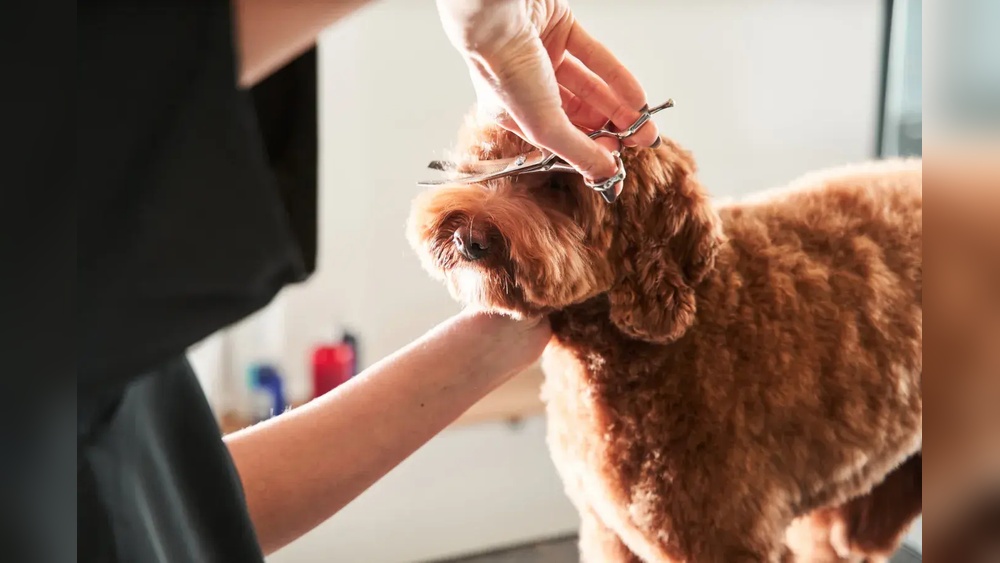
Grooming your dog at home might seem tricky, but it doesn’t have to be. You want your furry friend to look and feel their best without spending a fortune at the groomer.
Imagine saving time and money while strengthening the bond with your pet. You’ll discover simple steps and expert tips that make grooming easy and stress-free for both you and your dog. Ready to become your dog’s favorite groomer? Keep reading to learn how!
Credit: www.igroomhub.com.au
Preparing For Grooming
Preparing your dog for grooming at home is the key to a smooth experience. It helps your dog feel safe and relaxed. Proper preparation saves time and reduces stress for both you and your pet. Follow these steps before you start grooming.
Gathering Essential Tools
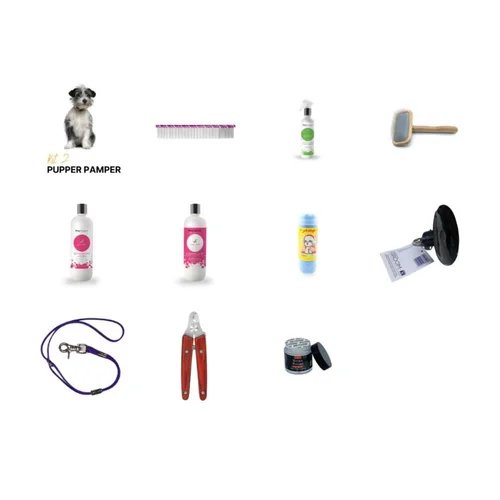
Collect all grooming tools before you begin. You will need a brush, comb, nail clippers, and dog shampoo. Have towels and a blow dryer ready if your dog needs drying. Use tools made for dogs to avoid injury. Keep everything within reach to avoid interruptions.
Choosing The Right Location
Pick a spot with good lighting and enough space. A bathroom or kitchen works well. Use a non-slip mat so your dog feels secure. Choose a place that is easy to clean afterward. Avoid noisy areas to keep your dog calm.
Setting A Calm Environment
Keep the room quiet and free from distractions. Speak softly to your dog to provide comfort. Play gentle music if it helps your pet relax. Take breaks if your dog shows signs of stress. Stay patient and positive throughout the grooming session.
Credit: www.bluecross.org.uk
Bathing Your Dog
Bathing your dog is a key part of home grooming. It keeps your dog clean and healthy. Regular baths help remove dirt, loose hair, and odors. Bathing also lets you check your dog’s skin for any problems. This section explains how to bathe your dog properly and safely.
Selecting The Best Shampoo
Choose a shampoo made for dogs. Human shampoos can irritate your dog’s skin. Pick a shampoo that suits your dog’s coat type. For example, some shampoos are for sensitive skin or dry fur. Avoid shampoos with strong chemicals or fragrances. Use a gentle, tear-free formula for puppies and small dogs.
Proper Bathing Techniques
Brush your dog before the bath to remove loose hair. Use lukewarm water to wet your dog’s coat. Avoid water in the ears and eyes. Apply shampoo gently and work it into a lather. Clean all areas, including under the legs and tail. Rinse thoroughly to remove all shampoo. Leftover shampoo can cause itching or irritation.
Drying Methods
Use a soft towel to dry your dog after the bath. Pat the fur, do not rub hard. For dogs with thick coats, use a blow dryer on low heat. Keep the dryer moving to avoid hot spots. Make sure your dog is completely dry to prevent skin problems. Drying outside on a warm day also works well.
Brushing And Detangling
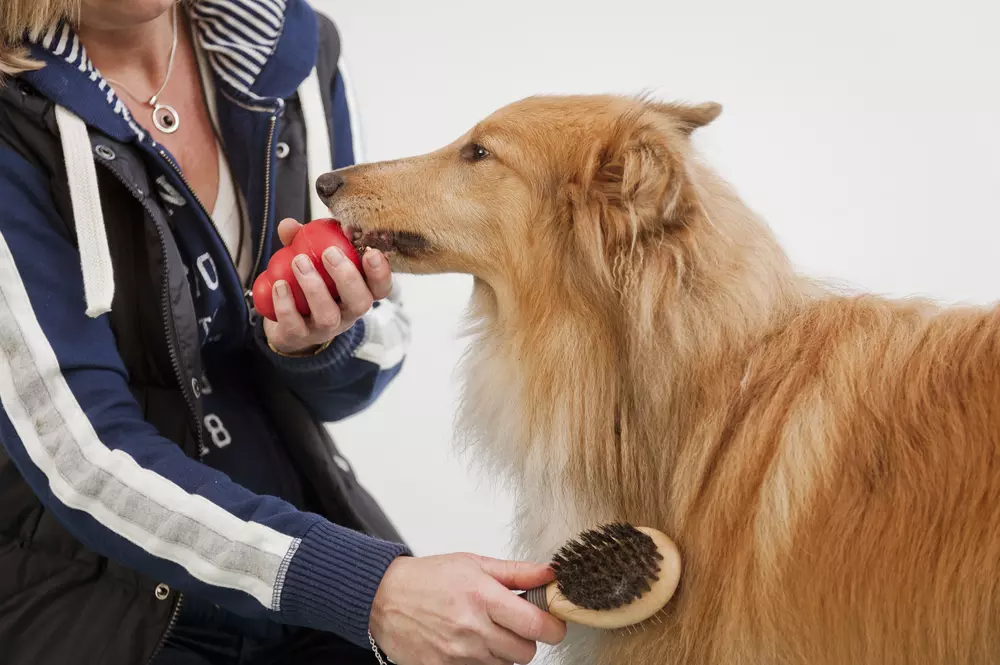
Brushing and detangling are key parts of grooming your dog at home. Regular brushing keeps your dog’s coat clean and healthy. It removes dirt, loose hair, and prevents mats. Brushing also helps spread natural oils, making the fur shiny and soft.
Detangling stops painful mats from forming. Mats pull the skin and cause discomfort. Brushing gently breaks up tangles and keeps your dog happy. A calm and patient approach works best during this process.
Choosing The Right Brush
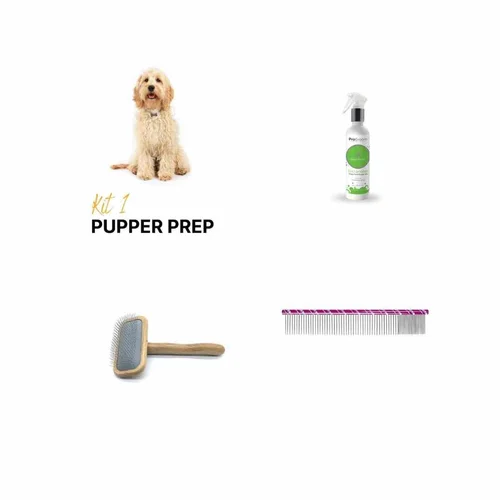
Select a brush that fits your dog’s coat type. For short hair, use a bristle brush or rubber curry comb. These remove loose hair and dirt. For long or thick coats, a slicker brush or pin brush works well. They reach deep into the fur and detangle knots.
Consider your dog’s size and comfort too. A small brush fits tiny breeds better. Larger brushes suit big dogs. Always use gentle strokes to avoid hurting your dog.
Brushing Different Coat Types
Short coats need less brushing but still benefit from regular care. Brush once or twice a week to remove dead hair. Medium coats require more frequent brushing, about two to three times weekly. Long or curly coats need daily brushing to avoid mats and tangles.
Adjust your brushing speed based on coat type. Slow and steady works for thick fur. Faster brushing works for short hair. Always check your dog’s skin for redness or irritation.
Handling Mats And Tangles
Start by gently separating small tangles with your fingers. Use a detangling spray if needed. For larger mats, use a slicker brush or a mat splitter tool. Hold the fur close to the skin to reduce pulling. Work slowly and patiently to avoid hurting your dog.
If mats are very tight or near the skin, cut them out carefully with blunt-ended scissors. Seek help from a professional groomer for tough mats. Never pull hard on mats; it can cause pain and skin damage.
Credit: www.igroomhub.com.au
Trimming And Clipping
Trimming and clipping are important parts of grooming your dog at home. They help keep your dog clean, comfortable, and healthy. Regular trimming stops hair from matting and reduces shedding. Clipping also shapes your dog’s coat to look neat and tidy. With the right tools and methods, grooming becomes easy and safe.
Tools For Trimming
Use sharp scissors made for pets. Rounded tips protect your dog’s skin. A fine-toothed comb helps detangle hair before trimming. Electric clippers with different blades cut hair at various lengths. Nail clippers or grinders keep nails short and smooth. Keep all tools clean and sharp for best results.
Safe Clipping Techniques
Start clipping slowly and gently. Hold your dog steady but relaxed. Trim small areas at a time to avoid mistakes. Move the clipper in the direction of hair growth. Watch for signs of discomfort or stress. Stop immediately if your dog feels scared or hurt. Clean clippers often to prevent pulling or irritation.
Nail Care Tips
Trim nails carefully to avoid cutting the quick. The quick is the pink area inside the nail with blood vessels. Use a nail file to smooth rough edges after clipping. Trim nails every two to four weeks. If unsure, ask a vet or groomer for guidance. Long nails can cause pain and walking problems.
Ear And Eye Care
Taking care of your dog’s ears and eyes is vital for their health. Clean ears and bright eyes show your dog feels good. Regular care helps stop infections and keeps them happy.
Cleaning Ears Safely
Use a vet-approved ear cleaner for your dog. Apply a small amount in the ear canal. Gently massage the base of the ear for a few seconds. Let your dog shake its head to remove dirt. Use a soft cloth or cotton ball to wipe away debris. Never use cotton swabs inside the ear. They can hurt your dog’s ear canal.
Checking For Infections
Look for redness, swelling, or bad smell in the ears. Scratching or shaking the head often shows pain. Dark or yellow discharge means infection may be present. Check both ears regularly for any changes. If signs appear, visit a vet quickly. Early treatment stops problems from getting worse.
Eye Cleaning Tips
Use a damp cloth or cotton ball to clean your dog’s eyes. Wipe from the inside corner outward gently. Remove dirt, discharge, or tear stains carefully. Never use soap or harsh chemicals near eyes. Watch for redness, swelling, or cloudiness. These signs mean a vet visit is needed.
Dental Hygiene
Dental hygiene is a key part of your dog’s health. Clean teeth help prevent pain and illness. Bad breath can mean dental problems. Regular brushing keeps teeth strong and gums healthy. It reduces plaque and stops tartar build-up. Healthy teeth improve your dog’s life.
Choosing A Toothbrush And Toothpaste
Pick a toothbrush made for dogs. It should have soft bristles and a small head. This fits better in your dog’s mouth. Use toothpaste made for dogs only. Human toothpaste can harm your pet. Dog toothpaste comes in flavors they like. This makes brushing easier and more pleasant.
Brushing Techniques
Start brushing slowly to help your dog get used to it. Lift the lips gently and brush in circles. Focus on the outside of the teeth where plaque forms. Brush for about two minutes each time. Be calm and praise your dog during brushing. Regular practice builds a good habit.
Maintaining Oral Health
Check your dog’s mouth often for signs of trouble. Look for red gums, bad breath, or loose teeth. Give dental chews or toys to help clean teeth naturally. Feed a balanced diet to support oral health. Visit the vet yearly for a dental check-up. Healthy teeth mean a happier dog.
Post-grooming Care
Post-grooming care is key to keeping your dog happy and healthy after grooming. It helps your dog feel comfortable and look great for longer. Paying attention after grooming can prevent skin problems and build trust between you and your pet.
Rewarding Your Dog
Give your dog a treat or gentle praise after grooming. Positive rewards make grooming a good experience. Your dog will stay calm and enjoy grooming next time. Use soft words and gentle petting to show care.
Monitoring For Skin Issues
Check your dog’s skin after grooming for any redness or irritation. Look for bumps, dryness, or rashes. Early signs of skin problems can be treated quickly. Use a soft touch to feel for lumps or bumps. Keep an eye on your dog’s scratching habits too.
Scheduling Regular Grooming
Set a grooming schedule based on your dog’s breed and coat type. Regular grooming keeps your dog clean and healthy. It helps prevent mats and tangles in the fur. Mark your calendar and stick to the routine. Consistency makes grooming easier for both of you.
Frequently Asked Questions
How Often Should I Groom My Dog At Home?
Groom your dog every 4 to 6 weeks to maintain coat health. Regular grooming prevents mats and reduces shedding. Adjust frequency based on your dog’s breed and coat type.
What Essential Tools Do I Need For Dog Grooming?
Basic tools include a brush, comb, nail clippers, dog shampoo, and a towel. Choose tools suitable for your dog’s coat texture. Proper tools make grooming safer and more effective.
How Do I Safely Bathe My Dog At Home?
Use lukewarm water and dog-specific shampoo. Wet the coat thoroughly, lather shampoo gently, then rinse completely. Avoid water in ears and eyes to prevent irritation.
What Is The Best Way To Trim My Dog’s Nails?
Use sharp nail clippers designed for dogs. Trim small amounts to avoid cutting the quick. If unsure, seek guidance from a professional groomer or vet.
Conclusion
Grooming your dog at home keeps them healthy and happy. Regular brushing and bathing remove dirt and loose hair. Trimming nails and cleaning ears prevent discomfort and infection. Take your time and stay gentle to make grooming fun. Use the right tools for your dog’s coat type.
Watch your pet’s reactions and adjust your approach. Small steps lead to good habits and trust. Enjoy this bonding time with your furry friend. Home grooming saves money and strengthens your connection. Start today for a cleaner, happier dog tomorrow.


