

Choosing the right dog breed is one of the most important decisions you’ll make as a pet owner. The perfect dog can bring joy, companionship, and comfort to your life.
But picking the wrong breed can lead to frustration, stress, and even heartbreak. You want a dog that fits your lifestyle, personality, and home—something that feels like it was made just for you. You’ll discover simple, clear steps to help you find the breed that matches your needs.
Keep reading, and you’ll be one step closer to welcoming the dog that’s truly right for you.
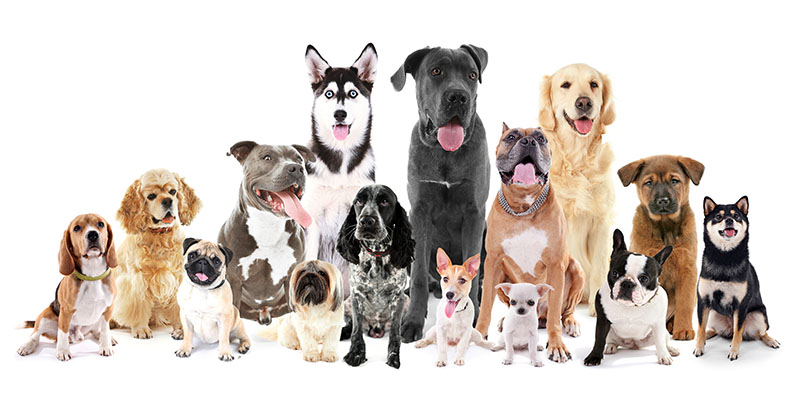
Credit: www.harmonyanimalhospital.net
Assess Your Lifestyle
Choosing the right dog breed starts with knowing your lifestyle well. Dogs need care that fits your daily habits and living situation. Matching a dog’s needs with your routine helps both of you enjoy life together. Think about your energy, space, and time before making a choice.
Activity Level And Exercise Needs
Some dogs love to run and play all day. Others prefer quiet naps and short walks. Choose a breed that matches your activity level. Active people might enjoy breeds that need lots of exercise. Less active people should pick dogs with low energy. This keeps the dog happy and healthy.
Living Space Considerations
Space matters for dogs. Big breeds need room to move freely. Small dogs can live well in apartments. Think about your home size before choosing. A large dog in a small space may feel trapped. A small dog in a big home can still feel comfortable.
Time Commitment
Dogs require time for feeding, walking, and play. Some breeds need more attention than others. Consider your daily schedule carefully. Busy people may prefer dogs that are independent. Dogs that need lots of care need owners with more free time.
Consider Temperament
Temperament is a key factor when choosing a dog breed. It shapes the dog’s personality and behavior. Knowing the temperament helps match the dog to your lifestyle. Temperament affects how your dog will interact with your family and environment.
Energy And Playfulness
Different breeds have different energy levels. Some dogs need lots of exercise and playtime. Others prefer calm and quiet activities. Choose a breed that fits your daily routine. Active families may enjoy energetic dogs. Those with a relaxed lifestyle might prefer low-energy breeds.
Social Behavior With People And Pets
Some dogs love being around people and other animals. Others are shy or reserved. Consider how your dog will react to guests or other pets. Friendly breeds work well with children and other animals. Some dogs need more socialization to feel comfortable.
Trainability And Intelligence
Trainability varies among breeds. Intelligent dogs learn commands quickly. Some breeds require consistent training and patience. Choose a dog breed that suits your experience level. Easy-to-train dogs fit well with first-time owners. More challenging breeds need time and effort.
Evaluate Size And Grooming
Choosing the right dog breed means thinking about size and grooming needs. These factors affect daily life, home space, and time spent caring for your pet. Size affects exercise needs and comfort in your living space. Grooming needs influence time and tools required for care.
Small Vs Large Breeds
Small dogs fit well in apartments and small homes. They need less space but still require daily exercise. Large breeds need more room to move and play. They often need more exercise and can be strong. Think about your living space and lifestyle before choosing.
Coat Type And Maintenance
Dog coats vary from short and smooth to long and curly. Short coats need less brushing but may shed more. Long coats require regular brushing to avoid mats and tangles. Some dogs need professional grooming often. Choose a coat type you can manage easily.
Shedding And Allergies
Shedding varies between breeds and affects cleaning. Some breeds shed heavily, leaving hair around the house. Others shed little and suit people with allergies better. No dog is fully hypoallergenic, but some cause fewer reactions. Consider allergies for yourself and family before picking a breed.

Credit: www.akc.org
Health And Lifespan Factors
Choosing the right dog breed means thinking about health and lifespan. These factors affect your pet’s quality of life. A healthy dog lives longer and stays active. Knowing common health problems helps you prepare better. Lifespan varies by breed and size. Some dogs need more care to stay healthy.
Common Breed Health Issues
Each breed has its own health risks. Some dogs face joint problems like hip dysplasia. Others may have heart or breathing issues. Small breeds often suffer from dental problems. Large breeds might struggle with arthritis. Research these issues before choosing a breed. This knowledge helps avoid future stress and costs.
Expected Lifespan
Dog lifespans differ widely. Small breeds tend to live longer, often 12 to 16 years. Medium and large dogs usually live 8 to 12 years. Giant breeds may live only 6 to 10 years. Knowing lifespan helps set expectations. It guides your commitment and planning.
Preventive Care Needs
Preventive care keeps dogs healthy for years. Regular vet visits catch problems early. Vaccinations protect against common diseases. Proper diet supports strong bones and muscles. Exercise prevents obesity and related illnesses. Grooming avoids skin infections and parasites. Different breeds need specific care routines. Learn your chosen breed’s preventive needs to stay ahead.
Match Dog Breed To Family
Choosing the right dog breed means thinking about your family’s lifestyle. Each family is different. The dog should fit with daily routines and habits. Matching a dog to your family helps keep everyone happy. It makes caring for the dog easier and more fun.
Suitability For Children
Some breeds are gentle and patient with kids. Others may be too energetic or nervous around children. Small children need calm, friendly dogs. Older kids can handle more active breeds. Always choose a dog that matches your children’s age and energy.
Compatibility With Other Pets
Many families have cats or other pets at home. Some dogs get along well with other animals. Others prefer to be the only pet. Consider your current pets’ personalities before choosing a dog. A good match helps prevent fights and stress.
Adjusting For Special Needs
Families with allergies need hypoallergenic dog breeds. Seniors may want smaller, less active dogs. Dogs with special needs require extra care and time. Think about your family’s health and time before picking a breed. This keeps life easier for everyone.
Research And Meet Breeds
Researching and meeting different dog breeds helps you find the best match. It gives insight into their needs and personalities. Spending time with dogs reveals their true nature beyond pictures and descriptions.
Meeting dogs in person helps you feel their energy. It shows how they react to people and surroundings. This step is key to choosing a breed that fits your lifestyle.
Visiting Shelters And Breeders
Visit local shelters to see many breeds in one place. Shelters often have mixed breeds with unique traits. Talk to staff about each dog’s history and behavior.
Breeders can provide detailed information about breed traits. They show puppies and adult dogs in their natural environment. Ask about health and care routines for the breed.
Talking To Owners And Experts
Speak with dog owners to learn about daily life with their breed. They share honest experiences and common challenges. Experts like trainers and vets offer valuable advice about breed needs.
Ask questions about exercise, grooming, and health issues. Real stories help you understand what to expect. This knowledge prevents surprises later on.
Observing Behavior And Temperament
Watch how dogs behave around people and other animals. Notice if they are calm, shy, or energetic. Temperament affects how well a dog fits your home and family.
See how they respond to new sounds and environments. Some breeds adapt quickly, others need time to feel safe. Choose a breed whose behavior matches your comfort level.
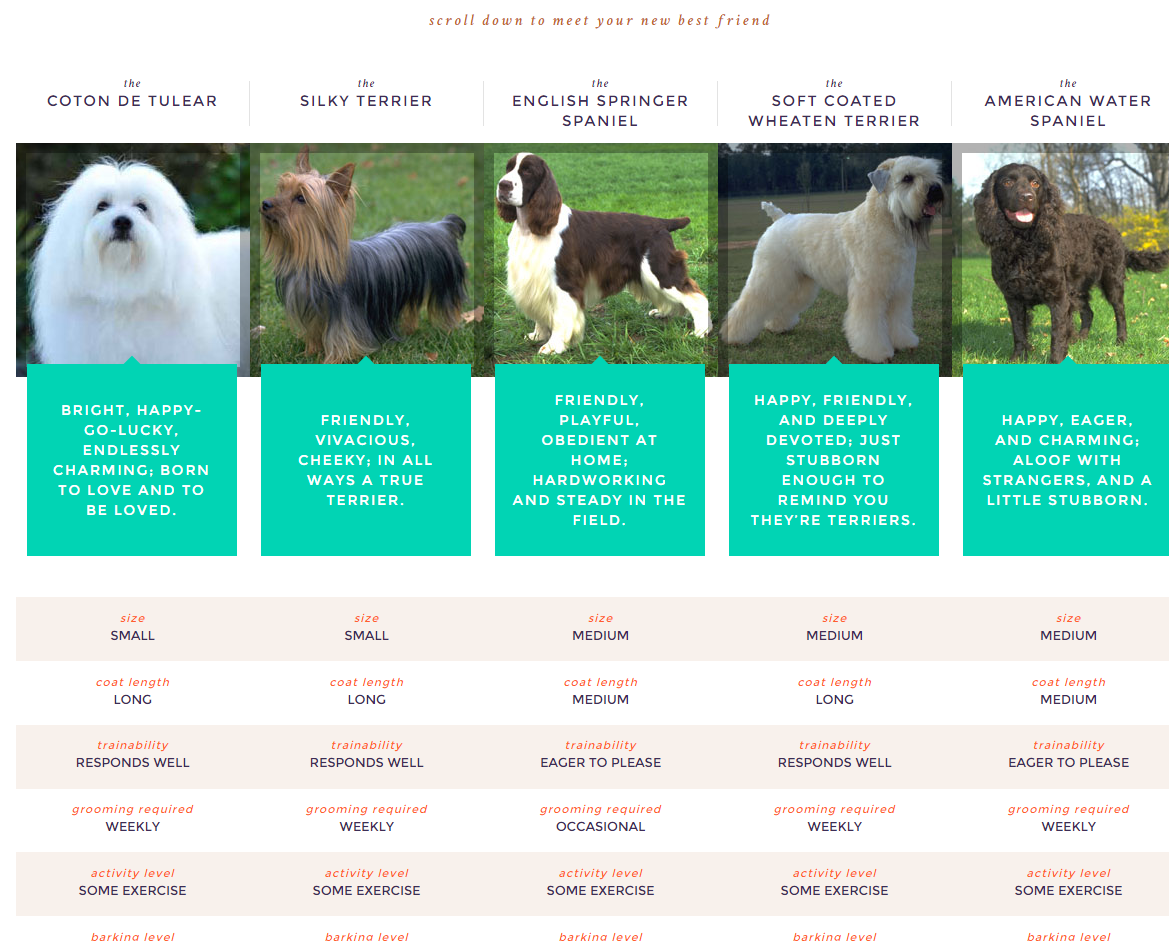
Credit: opencontabilidade.com
Frequently Asked Questions
What Factors Should I Consider When Choosing A Dog Breed?
Consider lifestyle, living space, activity level, allergies, and family size. Match the breed’s traits with your daily routine for harmony.
How Do Dog Size And Energy Levels Affect Breed Choice?
Large dogs need more space and exercise. High-energy breeds require daily activity to stay healthy and happy.
Which Dog Breeds Are Best For Families With Children?
Choose gentle, patient breeds like Labradors or Golden Retrievers. They are friendly, tolerant, and good with kids.
How Important Is A Dog’s Temperament In Choosing A Breed?
Temperament affects training ease and social behavior. Select a breed with a temperament that fits your personality and home environment.
Conclusion
Choosing the right dog breed takes time and thought. Think about your home, lifestyle, and energy. Some dogs need lots of exercise, while others enjoy calm days. Consider your family size and any allergies. Each breed has unique needs and traits.
Finding a good match means happier life for you and your dog. Take your time and enjoy the process. The right dog will bring joy and friendship for years.

