

Have you ever wondered just how many dog breeds exist across the globe? If you’re a dog lover or simply curious, knowing the variety of breeds can open your eyes to the amazing diversity in size, shape, and personality.
Whether you’re thinking about adding a furry friend to your family or just want to impress your friends with some cool facts, understanding the number of dog breeds will give you a fresh perspective. Keep reading, because what you’ll discover might surprise you—and help you find the perfect canine companion for your lifestyle.
Global Count Of Dog Breeds
The world is home to many dog breeds, each with unique traits and histories. Counting all these breeds can be tricky. Different organizations recognize different numbers. Some breeds are very old, while others are new. The total number of dog breeds changes as new breeds emerge and others fade away. Understanding the global count helps dog lovers appreciate this diversity.
Official Breed Recognitions
Major kennel clubs list recognized dog breeds. The American Kennel Club (AKC) recognizes about 200 breeds. The Fédération Cynologique Internationale (FCI) lists over 340 breeds worldwide. These organizations set breed standards and hold dog shows. Recognition depends on breed history, traits, and population. Some rare breeds may not be officially recognized yet.
Varieties And Types Worldwide
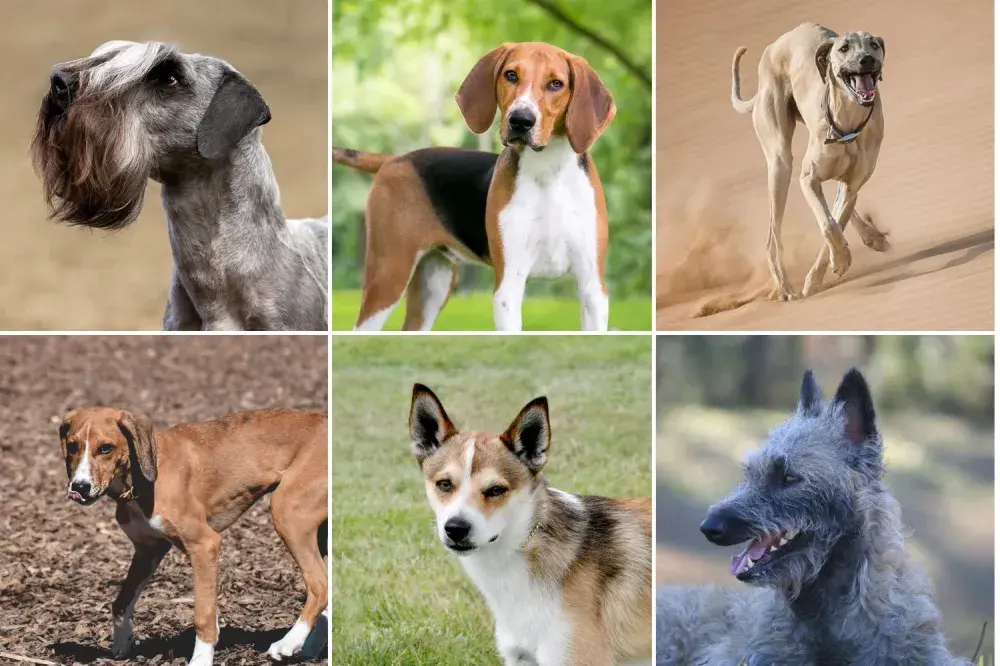
Dog breeds come in many varieties and types. Some breeds have several varieties under one name. For example, the spaniel group includes different types. Types include working dogs, toy dogs, and hounds. Each type suits specific tasks or lifestyles. Dogs adapt to different climates and roles across the world. This variety adds to the richness of global dog breeds.
Credit: www.newsweek.com
Popular Dog Breed Categories
Dog breeds are grouped into categories based on their traits and jobs. These groups help people understand each breed’s needs and personality. Knowing these categories makes choosing a dog easier.
Each group has unique features and suits different lifestyles. Some dogs are best for work, others for companionship. Here are the popular dog breed categories.
Working Dogs
Working dogs are strong and smart. They help with tasks like guarding, pulling, and rescue. Breeds like the Siberian Husky and Boxer belong here. These dogs need lots of exercise and training.
Herding Dogs
Herding dogs guide and protect livestock. They are quick, alert, and obedient. Border Collies and Australian Shepherds are famous herding breeds. These dogs enjoy mental challenges and activity.
Toy Breeds
Toy breeds are small and friendly. They are perfect for people who want a lap dog. Examples include the Chihuahua and Pomeranian. These dogs need gentle care and love attention.
Sporting Dogs
Sporting dogs are active and love water. They help hunters retrieve game. Labrador Retrievers and Golden Retrievers are popular sporting breeds. These dogs need regular exercise and playtime.
Hound Breeds
Hound breeds have a strong sense of smell and sight. They track and hunt animals. Beagles and Greyhounds are well-known hounds. These dogs enjoy running and exploring outdoors.
Rare And Unique Dog Breeds
Rare and unique dog breeds capture the interest of many dog lovers. These breeds often have special traits or histories. They are not common and can be hard to find. Some have been around for centuries, while others come from very specific places. Learning about these dogs shows how diverse the world of dogs really is.
Endangered Breeds
Some dog breeds are endangered. Few dogs of these types remain. They may face extinction soon. Causes include loss of habitat and fewer breeders. Examples include the Otterhound and the Norwegian Lundehund. These dogs need protection and care. Breeders and enthusiasts work hard to save them. Preserving these breeds keeps history alive.
Region-specific Breeds
Many dog breeds come from certain regions. These breeds often adapt to local climates and tasks. The Basenji from Africa is known for its silent bark. The Tibetan Mastiff guards homes in cold mountains. These dogs show how environment shapes dogs. They may not be well-known outside their areas. Their unique traits make them special to their regions.

Credit: www.ebay.com
Breed Characteristics And Traits
Dog breeds vary widely in their characteristics and traits. These differences affect how dogs look, act, and what care they need. Understanding breed traits helps find the right dog for any home. Each breed has unique features shaped by history and purpose.
Size And Appearance
Dogs come in many sizes, from tiny Chihuahuas to giant Great Danes. Size affects where a dog fits best and how much space it needs. Appearance includes coat type, color, and body shape. Some breeds have thick fur, while others have short hair. These traits often reflect a breed’s original work or environment.
Temperament And Behavior
Temperament means how a dog behaves and reacts. Some dogs are calm and gentle, perfect for families. Others are energetic and alert, great as watchdogs or working dogs. Behavior also depends on training and socialization. Each breed has typical traits, but individual dogs can differ.
Exercise And Care Needs
Exercise needs vary by breed. Active breeds like Border Collies need daily physical and mental activity. Smaller or less active breeds require less exercise. Grooming also varies. Long-haired breeds need regular brushing. Short-haired dogs may need less care. Knowing these needs helps keep dogs healthy and happy.
How Dog Breeds Are Classified
Dog breeds are sorted in many ways. Classification helps people understand the traits and uses of each breed. It also keeps the breed standards clear and consistent. Different groups and experts use specific rules to classify dogs.
Classification shows how dogs are related by history, looks, and behavior. It also helps owners find the right dog for their needs and lifestyle.
Kennel Club Standards
Kennel clubs set the official rules for dog breeds. They describe size, shape, color, and behavior for each breed. These standards help judges at dog shows decide winners. Kennel clubs also keep breed registries to track purebred dogs. Each kennel club may have small differences in breed rules.
Famous kennel clubs include the American Kennel Club and The Kennel Club in the UK. They group dogs by categories like working, herding, or toy breeds. This system makes it easier to understand what each dog was bred to do.
Genetic And Historical Factors
Dog breeds are also classified by their genetics and history. Scientists study DNA to find links between breeds. History shows where dogs came from and what jobs they had. Some breeds were made for hunting, others for guarding or herding.
Breeds that look alike or have similar genes often belong to the same group. This helps explain their behavior and health issues. History and genetics give a deeper look into the dog’s background and role in human life.
Choosing The Right Breed
Choosing the right dog breed is a big decision. Each breed has unique needs and traits. Picking a breed that fits your life makes dog ownership joyful and smooth. Understand your habits, space, and time before choosing a dog. Matching these with the breed’s needs helps both you and the dog thrive.
Lifestyle Compatibility
Dogs need different levels of activity. Some breeds love running and playing all day. Others prefer quiet time and short walks. Think about your daily routine. Do you have time for long walks or play sessions? Small apartments suit small or calm breeds better. Large dogs need space to move freely. Choose a breed that fits your living space and daily energy.
Health Considerations
Some breeds face more health problems than others. Research common illnesses for the breed you like. Some dogs need special diets or regular vet visits. Consider the breed’s life expectancy. Puppies from healthy breeds often live longer. Budget for medical costs like vaccinations and checkups. Healthy dogs bring happiness and fewer worries.
Credit: www.petscare.com
Frequently Asked Questions
How Many Dog Breeds Exist Worldwide?
There are approximately 340 recognized dog breeds globally. This number varies slightly depending on kennel clubs and breed standards worldwide.
Which Organization Recognizes Most Dog Breeds?
The Fédération Cynologique Internationale (FCI) recognizes around 340 dog breeds. It is the largest international dog breed organization.
What Factors Define A Dog Breed?
A dog breed is defined by specific physical traits, behavior, and lineage. Breed standards help maintain consistency across generations.
Are New Dog Breeds Still Being Developed?
Yes, new dog breeds are developed through selective breeding. Breeders focus on traits like appearance, temperament, and health.
Conclusion
Dogs come in many breeds, each with unique traits. Knowing about them helps you choose the right companion. Breed numbers can vary by source and criteria. Some dogs fit many roles, from pets to workers. Enjoy learning about these amazing animals anytime.
Exploring dog breeds adds fun to your pet journey. Keep discovering new facts about dogs you love.


